| Author |
 Replies: 22 / Views: 5,586 Replies: 22 / Views: 5,586 |
Page 2 of 2
|
|
|
|
Pillar of the Community
United States
865 Posts |
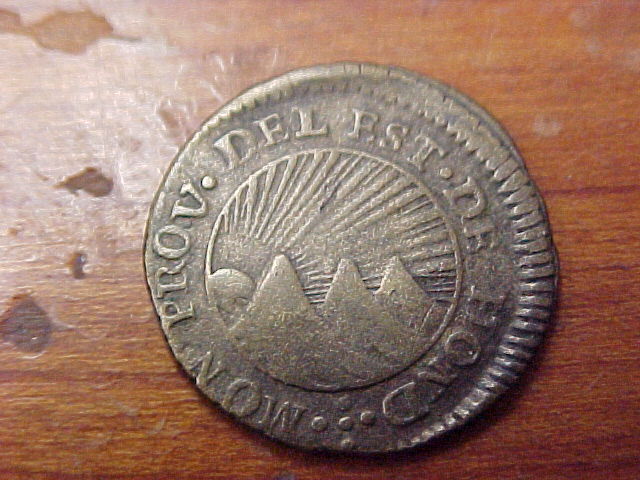
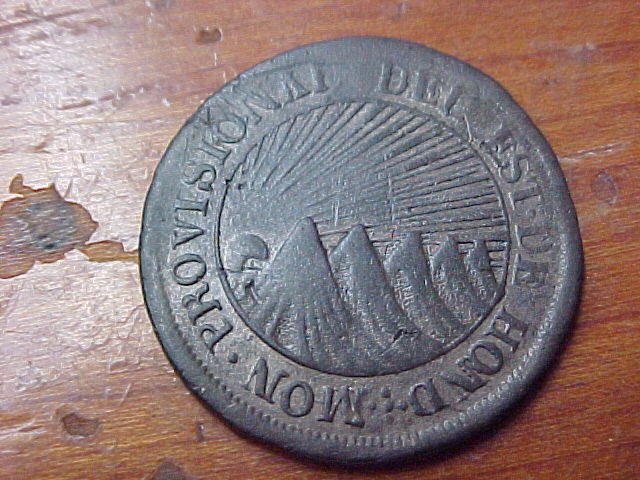
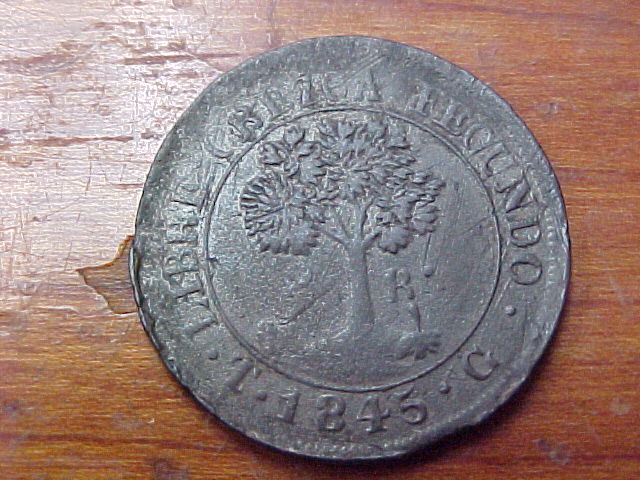
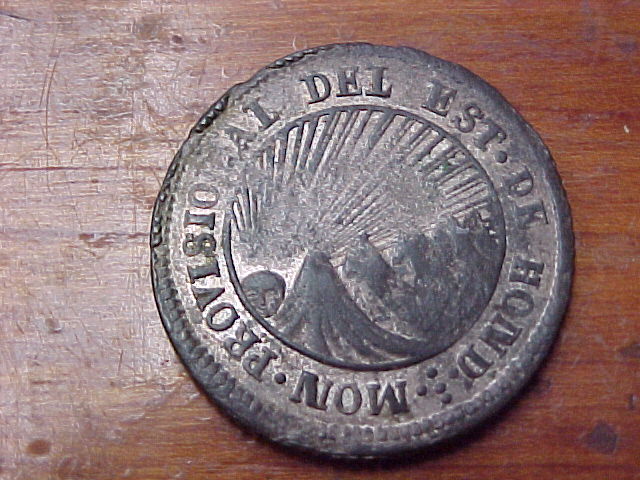
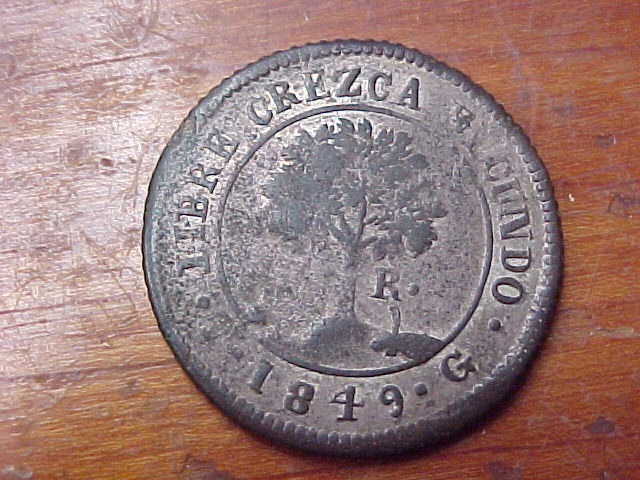
Davidrj, I just came here to post that link. Lol. I was actually interested in this coin and have been trying to find something about it, and came up with very minimal info. I was at my LCS today and they had an 1855 4 reales that I picked up. Now I am even more intrigued by this coin. Nalaberong, you were absolutely correct about them being an ugly minted coin. Sorry for my doubt before.
|
|
Pillar of the Community
United Kingdom
510 Posts |
That link is to my own posting there, coincidentally just 2 days ago,  see also https://goccf.com/t/161055I too am fascinated by these, but can't find any reference other than the Krause listings I've posted in several coin forums, but no bites!  David |
|
Pillar of the Community
United States
1962 Posts |
God Bless on this Ash Wednesday... Your first "reale" (ahem) and you stumble on this! I really, really, really have to find the kind of shops that some posters on here seem to stumble on for "foreign" coins. Honduras 1840s (ANY type, regal or counterfeit) for FOUR bucks... geez. This piece seems even cruder than usual for 1840s Honduras, but it shares the same die cracking with this piece: http://coins.ha.com/c/item.zx?saleN...&lotNo=25999The Dana Roberts sales have a good number of examples of these years... Most of the years around this are not QUITE this crude, but another 1847 in a Roberts lot is very similar to this. Leaning on the side of genuine... just maybe environmental effects present here mimicking some extra "crudeness". Good catch. |
|
New Member
United States
38 Posts |
Best reference for these is Castillo Flores: Historia de la Moneda en Honduras. Hard to find and in Spanish, with a few mistakes but still worth it.
I did a small presentation on Barre's designs for Honduras in Tegucigalpa a few months back, where these issues were mentioned as background. It's in Spanish but if someone is interested, send me a message and I can forward it.
|
|
Pillar of the Community
United States
865 Posts |
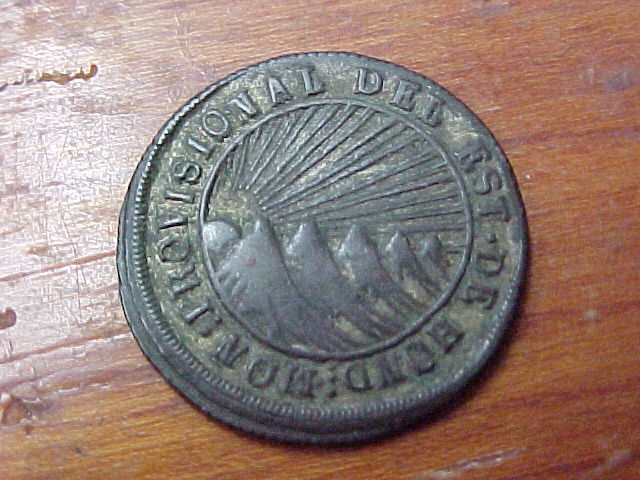
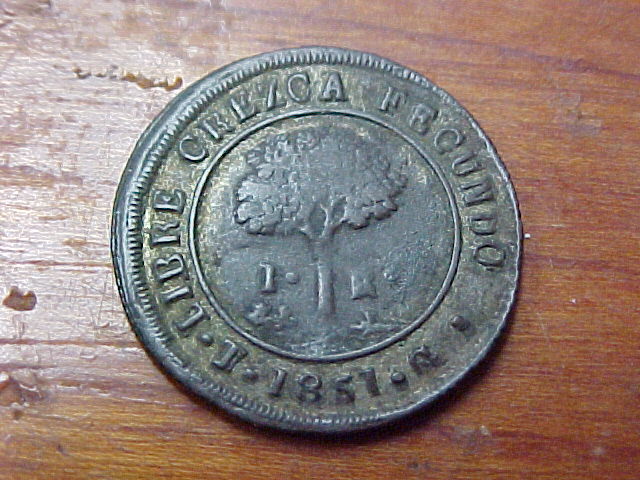
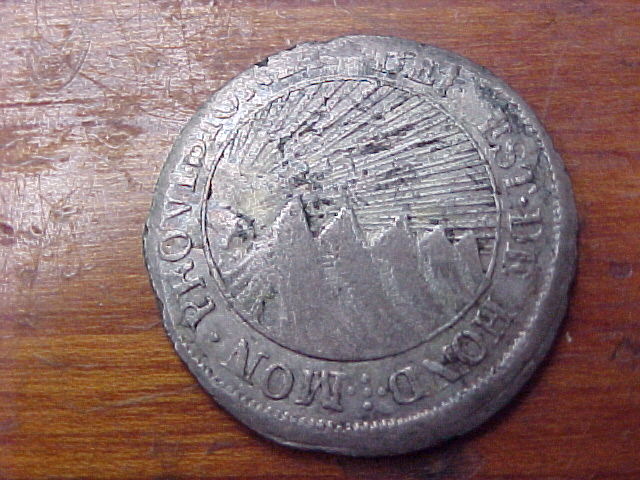
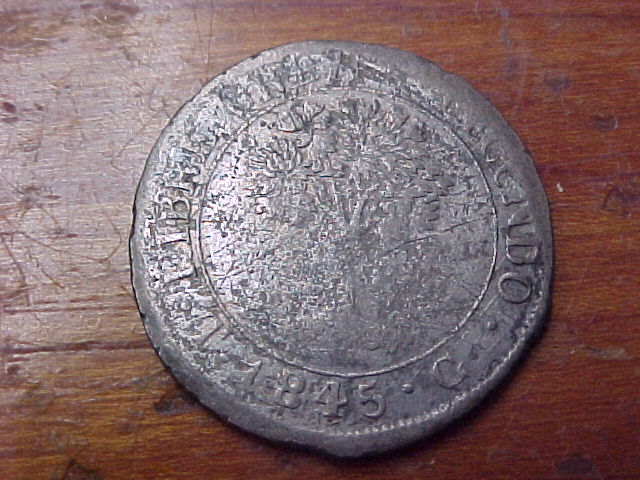
Here is the 1855 4 Reales I picked up the other day.   |
|
Pillar of the Community
United Kingdom
2942 Posts |
Quote:
But the coinage of post-secession Honduras was much lower quality: beginning at .333 fine, it fell to .040 fine; "silver" coinage this debased had not been seen since Roman times and, as far as I can tell, has not been seen elsewhere since.
I believe the "bull and horseman" jitals from medieval Afghanistan/Pakistan (circa 750-1300) type area also degraded from a nearly pure silver coin to only trace silver over the life of the type. |
|
Valued Member
United States
87 Posts |
Edited by Jay Kristofferson
02/05/2016 6:57 pm
|
|
Pillar of the Community
United States
865 Posts |
Jay, that's a very nice set you've got there. Thanks for sharing. I still have yet to come across any more provisional honduras coins since the one I posted 2 years ago.
|
|
Pillar of the Community
United States
731 Posts |
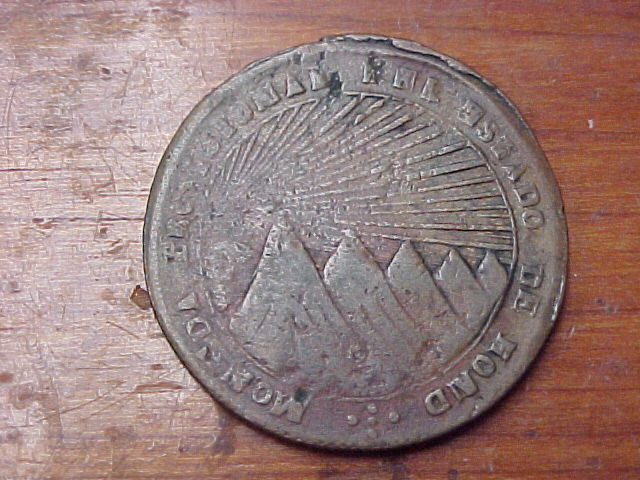
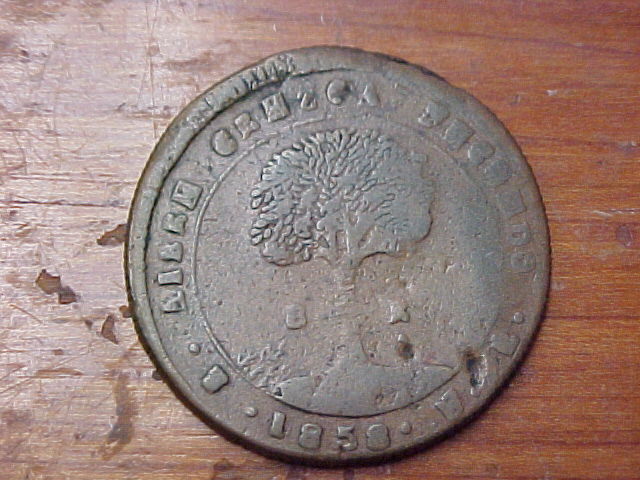
I have a 4 Reales 1850 in wretched condition. The scan looks better than it does in hand. It does show a bit of the silvering. Does it look like it would be considered acollectable condition? 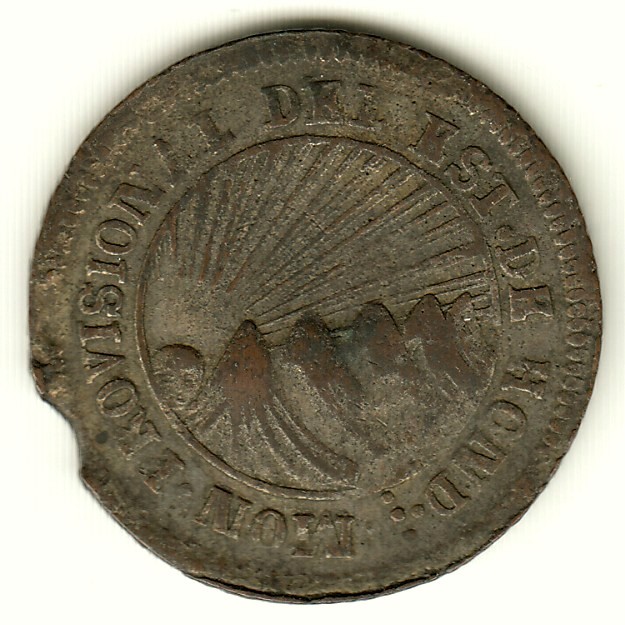 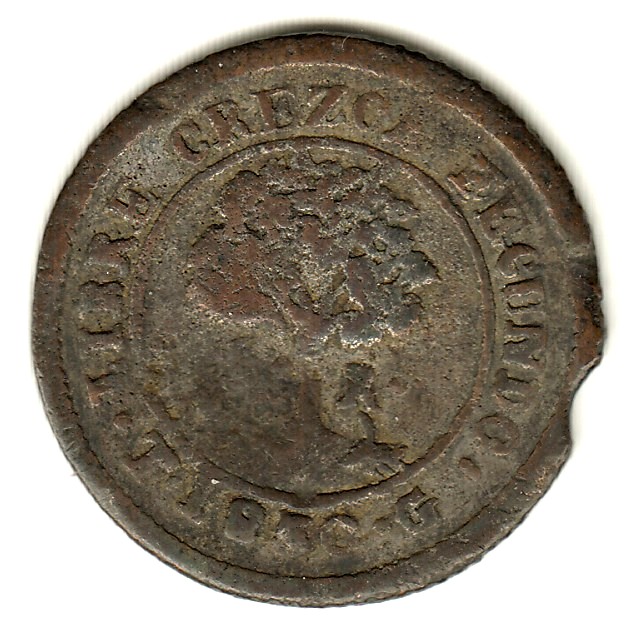 |
|
Pillar of the Community
United States
1785 Posts |
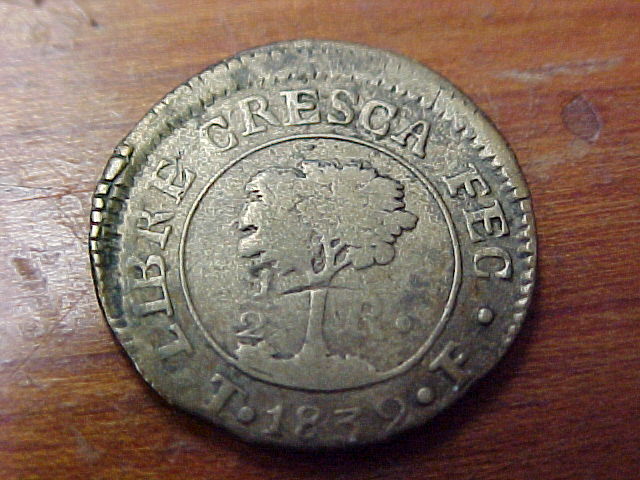
In my new book in the Foreign Section (due out in and around 11/2016) I tear apart the infamous 1833 2R issue in terms of its metallurgy. This field is wide open to the question - which are contemporary counterfeits and which are debased silver regal issues? - Is there an overlap? Note on this 1850 4R clearly and probably mercuric silvering over a copper host coin. Regal or contemporary circulating counterfeit. There is the Belleville, NJ importation factor via the Julia Purdy newspaper article discovery? Belleville, NJ? <VVVBG>.
JPL
|
|
Pillar of the Community
United States
865 Posts |
Colonialjohn, when and where can we find your new book?
|
|
Pillar of the Community
United States
1962 Posts |
The apparently "regal" 1833 is easy to distinguish from the counterfeits, whether the latter be silver-washed or bare. The style elements are rather different... the tree itself is the easiest comparison point. Note that one also has the regal 1832 issue to use as a reference point.
The 1850 4R just posted:
1849-51 or 52 4R out there tend to be better than the following mid-1850s issues, and XF or so pieces with a decent amount of silvering can be found (the 1849 Jay Kr. posted above is a good example). This piece is not to that level, clearly, and the reverse is kind of schmeggy (as made), but the obverse is presentable and overall, it's certainly not the worst of its type out there.
|
|
Pillar of the Community
United States
1785 Posts |
In and around November 2016 through Amazon Books. It's in final review/formatting. The questions like the Brazil Reis issues is what is regal, contemporary circulating counterfeit and what are the necessity issues? Currently based on weight or if underweight its probably a "necessity issue" in times of it being issued during an economic time of great depression or in a conflict (war time) period and if silver-washed like this 1833 Honduras current logic, mindsets and experience dictate CCC. But still debatable ... Its wide open for a lot of investigations. That 1850 4R is INCREDIBLE. I may have been sparked into a new area of interest. The Brazil underweight copper pieces just give me a big headache ... Honduras is something more COLORFUL IMO ... and bi-layer silver-washed(plated) counterfeits are always MORE APPEALING as with this 1850 4R ... IMO.<bg>. John Lorenzo United States Edited by colonialjohn
03/01/2016 2:10 pm
|
|
Pillar of the Community
United States
1962 Posts |
"Currently based on weight or if underweight..."
John, be careful about applying that to the (1832-)1833 Hond. 2R... At least for the preceding issues, represented by the fairly plentiful 1824 NG and (also Honduras-minted, just a few years earlier) 1831 TF CAR-issue 2 Reales, I've found that the observed weights have varied... Most that I have are in the high 5.x gram range (say, 5.6, 5.7, 5.8)... factoring wear, that would only yield low 6._ grams at most, thus under colonial standard (note that I haven't done any specific gravity who knows about the purity of the silver). I do recall maybe a couple being closer to colonial standard... then, curiously, I do have one CAR 2R piece that is actually appreciably overweight at (from memory) about 7.1 grams... not sure what to make of that.
Note too that Krause (at least my older edition) doesn't actually quote a prescribed weight for the regal 1833... just notes .333 (which does seem about correct visually). I haven't weighed the few examples I have (a couple are slabbed, anyway).
Point being, I would say that you need to verify weights on extant regal 1832-33 examples if you intend to use that as a comparison point... and getting a decent sample size may be challenging.
Jay Kris. (whose Facebook page is a great reference for the C.A.R.-style coinage) would probably know best... any thoughts?
|
|
Pillar of the Community
United States
1785 Posts |
At the NYITL in 2015 I did buy a UNC 1833 silvered Honduras 2R CCC from a well-known top end Foreign coin dealer which said on the flip - probably from NJ! Then Julia Purdy found that news article of that Belleville, NJ counterfeiting ring being arrested in some Central American/South American port with a few thousand blank planchets ready to be counterfeited and/or silvered. It was this commonly known 1833 I provide comments and metallurgy data which even KM has that little footnote of BE AWARE - this issue is heavily counterfeited. I understand your post Realeswatcher for these type of issues (i.e., Honduras issues of this period) be prepared for a myriad of different weights and the KM weight being listed (if any) is nothing more than just a guide. I have the same weight for the 1833 Honduras 2R regal in my edition that you posted.
JPL
|
|
Page 2 of 2
|
Replies: 22 / Views: 5,586 |
Page 2 of 2
|





 First Page

 Posted 03/05/2014 6:32 pm