| Author |
 Replies: 20 / Views: 6,545 Replies: 20 / Views: 6,545 |
Page 2 of 2
|
|
|
|
Rest in Peace
United States
7075 Posts |
Craig, Would you please post some "After" pics following the Verdi-Care treatment? I understand it works well on copper but I don't recall anything about nickels. BadThad....a little help please...  |
|
Pillar of the Community
United States
1347 Posts |
My Verdi-Care treatments on copper didn't work too well. I was never able to rid the deposits.
|
|
Valued Member
United States
486 Posts |
i would start with an acetone soak before the verdi-care, to see if you can knock off any large pieces. maybe a little help from a toothpick could get some of that crud off. then try the verdi-care, and I hope it will work out well
|
|
Pillar of the Community
 United States
5828 Posts |
Acetone and Verdi-Care should do the trick.
|
|
Bedrock of the Community
Australia
21789 Posts |
Verdi-Care is your best bet.
Organic acetone will do nothing to remove insoluble non organic copper and nickel salts.
|
|
Bedrock of the Community
United States
20753 Posts |
I'd suggest just trying Acetone. Possibly a small brush in the Acetone on those might help. Not much to loose. Remember to not use the Acetone over and over. Use new stuff each time. As to how, Whitman and all Folders are made using a glue to glue done the slotted cardboard onto a piece of paper. Not a high quality method. Usually much of the glue is on the slots where the rear of the coins are. In moist areas, this glue gets activated and attacks the rear of coins. going from Whitman to Dansco may not be to smart since possibly same problem. Is the empty have a shine to it. If so, that is the glue so you may end up getting the same results.
Although more expensive, this is why so many change to Albums.
|
|
Valued Member
United States
450 Posts |
Try soaking in olive oil for a few days,, can't hurt and its cheap.
|
|
Pillar of the Community
United States
3546 Posts |
Quote:
...olive oil for a few days I would add that the OP should keep in mind that significantly extended immersion times in olive oil are capable of creating an acidic environment likely to cause mild etching depending upon the nature of the substrate and pH measurement. Once I had a severe problem higher grade coin and kept it soaked in olive oil for over a week only to find that the patina had been damaged with obvious etching. I never tried this but testing the olive oil periodically with pH test strips could be a method to avoid costly mistakes from significantly lowered pH values... |
|
Bedrock of the Community
Australia
21789 Posts |
Olive oil is often used in the cleaning of ancient coins after the recovery from burial.
Olive oil has the capacity to soften chemical encrustations, but it is also slightly acidic. This is why ancient bronze and copper coins that have been cleaned with the assistance of a good soaking in olive oil, can turn out black or at least very dark. You have to be aware of the negatives and positives when using.
|
|
New Member
 United States
5 Posts |
Thank you everyone for all your help on my problem. I will try all of them once I replace the crud nickels with newer ones.
Craig
|
|
New Member
United States
5 Posts |
For everyone that is wondering Acetone, Olive Oil and Verdi-Care didn't work. None of them.
Craig
|
|
Rest in Peace
United States
7075 Posts |
|
|
Bedrock of the Community
Australia
21789 Posts |
Soaking instructions for Verdi-care indicate 24 hours. If Verdi-Care is not effective for this amount of time, perhaps a considerably longer soak period may be required, although it is outside their instructions. Now may be the time to take some risk, if Verdi-Care hasn't worked so far. As an experiment, Take the least valued Buffalo nickel from your collection and soak for a much longer period, say up to six months or more. Be prepared for the patina to be greatly affected. With the result, you may be able to remove the encrusted green crud with a wooden toothpick. Consider if such an experiment is warranted on futher coins. |
|
Pillar of the Community
United States
6428 Posts |
As a kid I kept a Jefferson nickel collection in a "Treasury of Coins" album which consisted of several heavy cards. The labeled coin holes were backed with clear plastic. The cards fit into a sturdy cardboard sleeve with photos and printed information about the series. I thought it was a nice-looking album, more professional-looking than the basic Whitman folder. After years of storage on a bookshelf I discovered the backs of most of the coins had the same green corrosion you show on that Buffalo. The metal was deeply pitted in places and the coins were ruined. No great financial loss since all the coins were circulated pieces pulled from circulation. It was however very disappointing to learn that the "nice" album I selected to display and preserve my collection turned out to be not such a good choice. |
|
Pillar of the Community
United States
4497 Posts |
Below are photos that I used Verdi-Care on some Buffalo nickels. Only the reverse had the issue with the green crud. I was happy with the outcome as the green is gone without the coin losing all the surface qualities. It was nice to practice on these coins that I paid 50 cents each. Before - Soaked for an hour 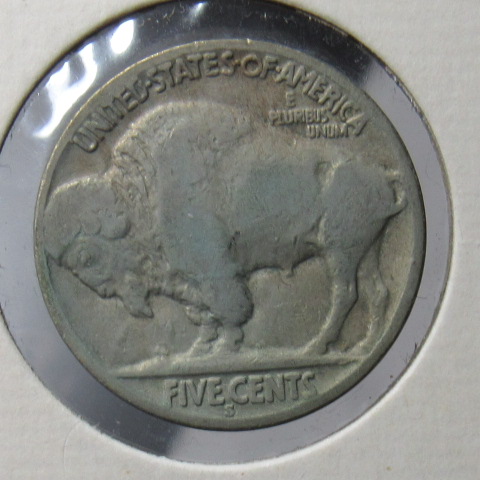 After 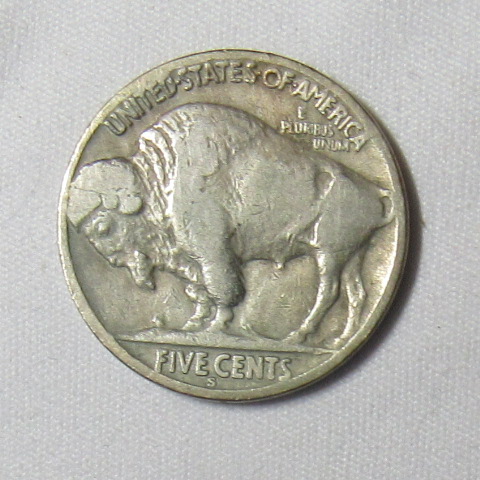 Before - Soaked for an hour 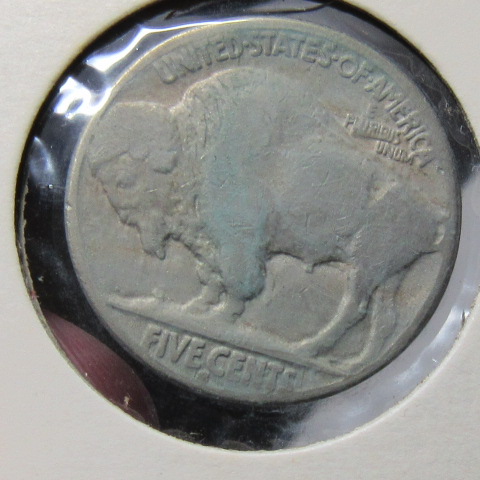 After 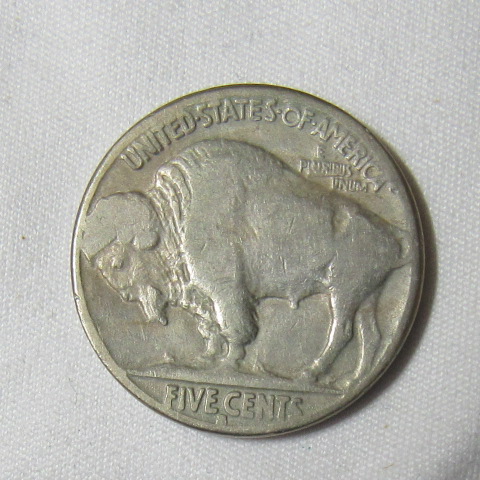 Before - This coin had just a small amount of green in the center of the Buffalo. I used a quick dip. 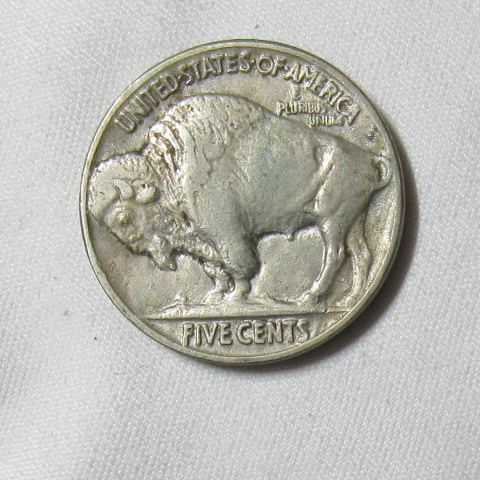 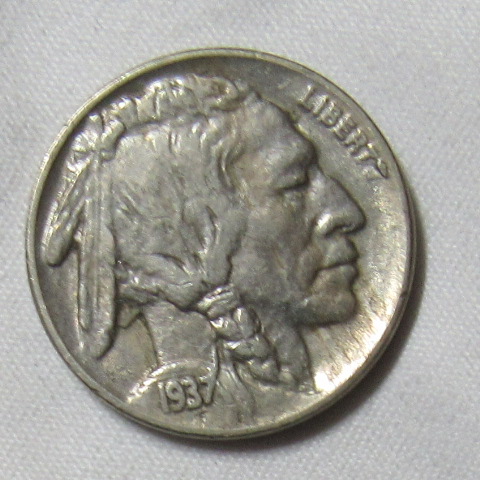 After 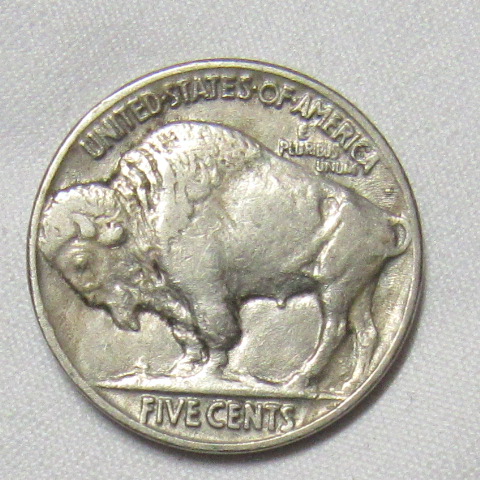 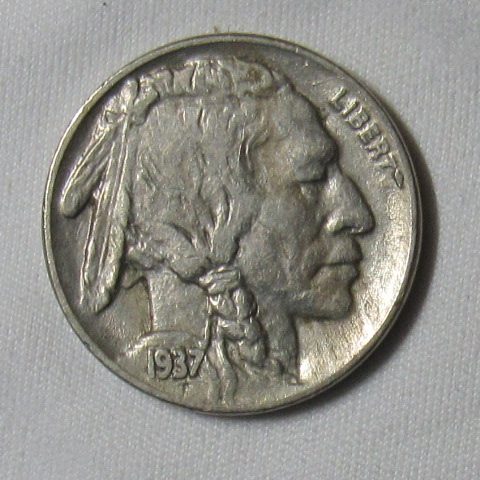 |
|
Page 2 of 2
|
Replies: 20 / Views: 6,545 |
Page 2 of 2
|







 First Page


 Posted 11/02/2015 10:16 am





