| Author |
 Replies: 18 / Views: 3,039 Replies: 18 / Views: 3,039 |
Page 2 of 2
|
|
|
|
Pillar of the Community
United States
4409 Posts |
Would use in a fuse box make a cent smaller and lighter? I've heard of people used to use cents this way.
-MV
|
|
Bedrock of the Community
United States
94367 Posts |
 Please! |
|
Valued Member
 United States
55 Posts |
Edited by dsburton
07/21/2016 9:21 pm
|
|
Bedrock of the Community
United States
12057 Posts |
Classic acid coin.
Member ANA - EAC - TNA - SSDC - CCT #890 "Most of the things worth doing in the world had been declared impossible before they were done." -- Louis D. Brandeis |
|
Pillar of the Community
United States
666 Posts |
Quote:
Classic acid coin. Bummer man, poor coin probably had more than one bad trip by the looks of him.  |
|
Bedrock of the Community
United States
17884 Posts |
Quote:
Would use in a fuse box make a cent smaller and lighter? No, but it may cause a burned or melted area on the coin. |
|
Valued Member
United States
73 Posts |
Why would someone put in acid? Was that a method of cleaning or just someone having fun?
|
|
Bedrock of the Community
United States
11951 Posts |
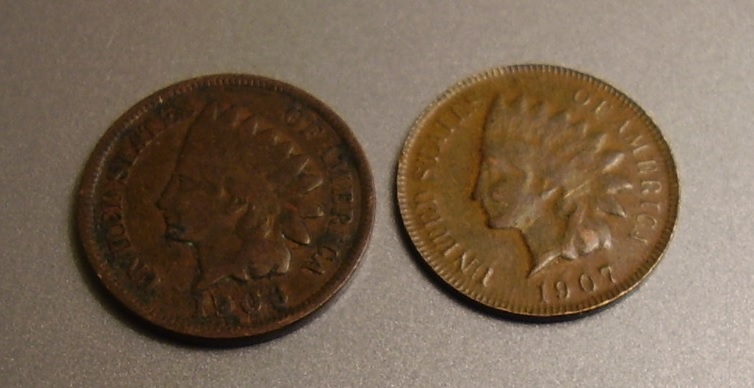
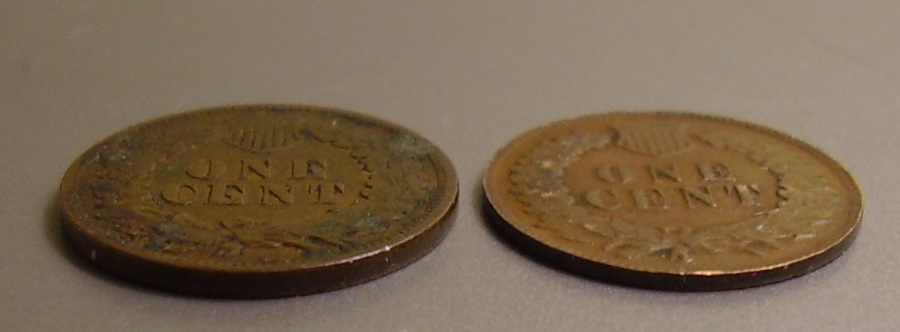
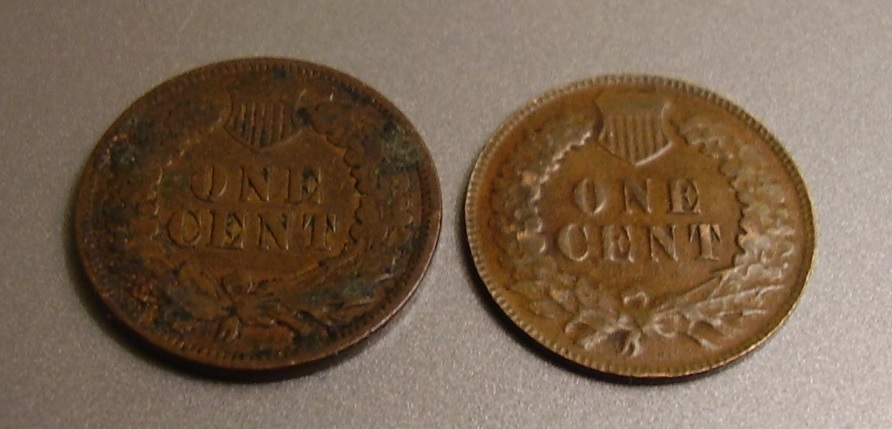
I have a IHC just like this, and a large cent. When I posted them, I got the same answer. Does a expert know what type of acid might have been used. And how long the coin might have been placed in the acid. If possible, I would like to try and recreate the process. With before and after pictures. Unless someone has already done this. I would even provide coins if someone is set up for such a test. |
|
Bedrock of the Community
United States
17884 Posts |
There are probably several different acids that would work. How long it would take would depend on the acid and the concentration. It can even happen naturally. Oak and black walnut leaves are high in tannic acid. Run off from decaying leaves to a puddle withthe coin in it would do it eventually. Sanitary sewers are often high acid environments. Areas downwind from coal fired power plants tended to suffer from acid rain. In this case the acid being sulfuric. Standing water there could also do this. So you can't say for sure if it was deliberate or not.
|
|
Pillar of the Community
Canada
1747 Posts |
most liquids have some acidic qualities, lots of common stuff, coke, or other sodas, lemon, orange and lime juices.
a 100+ year old coin has been in a few places it probably should not have been, and this is where it was exposed.
|
|
Bedrock of the Community
United States
12057 Posts |
Phosphoric acid will achieve this result given enough time, as well as acetic acid or citric acid concentrated to a high strength, but sulfamic acid or sulfuric acid are more likely, both are common in liquid and gel dip/cleaner/polish type products. Hydrofluoric acid, too, if you're the dangerous type.
Member ANA - EAC - TNA - SSDC - CCT #890 "Most of the things worth doing in the world had been declared impossible before they were done." -- Louis D. Brandeis |
|
Pillar of the Community
United States
1590 Posts |
Honestly I don't think it is an acid coin. The US Mint was making coins for a number of foreign countries at this time. I think it is a planchet for a foreign coin.
Acid should have destroyed the devices. And not just the distal portion of the rim. I'm not a chemist but I am an Engineer.
|
|
Valued Member
United States
55 Posts |
That's for all the feedback, everyone.
jmkendall, I was wondering that as well. I would think by the time the rim was eaten away, the images on both sides of the coin would be more eaten away than they are. Anyone else care to offer a judgement on the coin?
Shane
|
|
Pillar of the Community
United States
8538 Posts |
Acid coin.
Oregon coin geek.....*** GO BEAVS ! ! ! ***
|
|
Bedrock of the Community
United States
17884 Posts |
The acid eats are all the surfaces at roughly the same rate so the coin keeps the details even as it becomes paper thin. The rim dissappears because one of those surfaces being eaten away is the edge of the coin. As it gets eaten the diameter of the coin gets smaller and the rim disappears. (The inner edge of the rim can't get closer to the center of the coin, but the outer edge does. When outer meets inner, no more rim.)
And if it was just struck on a thinner planchet the surfaces would still be smooth, the low relief details would still be present, and the high relief area would not show detail at all.
|
|
Page 2 of 2
|
Replies: 18 / Views: 3,039 |
Page 2 of 2
|




 First Page


 Posted 07/21/2016 4:54 pm