| Author |
 Replies: 20 / Views: 4,298 Replies: 20 / Views: 4,298 |
Page 2 of 2
|
|
|
|
Bedrock of the Community
United States
62064 Posts |
This coin was plated later. It was a normal copper cent, but when they plated it the reverse rim is showing the copper. Probably not a dryer cent, just scratched on the obverse plating. Looks like there may have been tape on the reverse rim and then it was removed. There was at least one example of a 1942 cent that was struck on steel to see of this could happen. 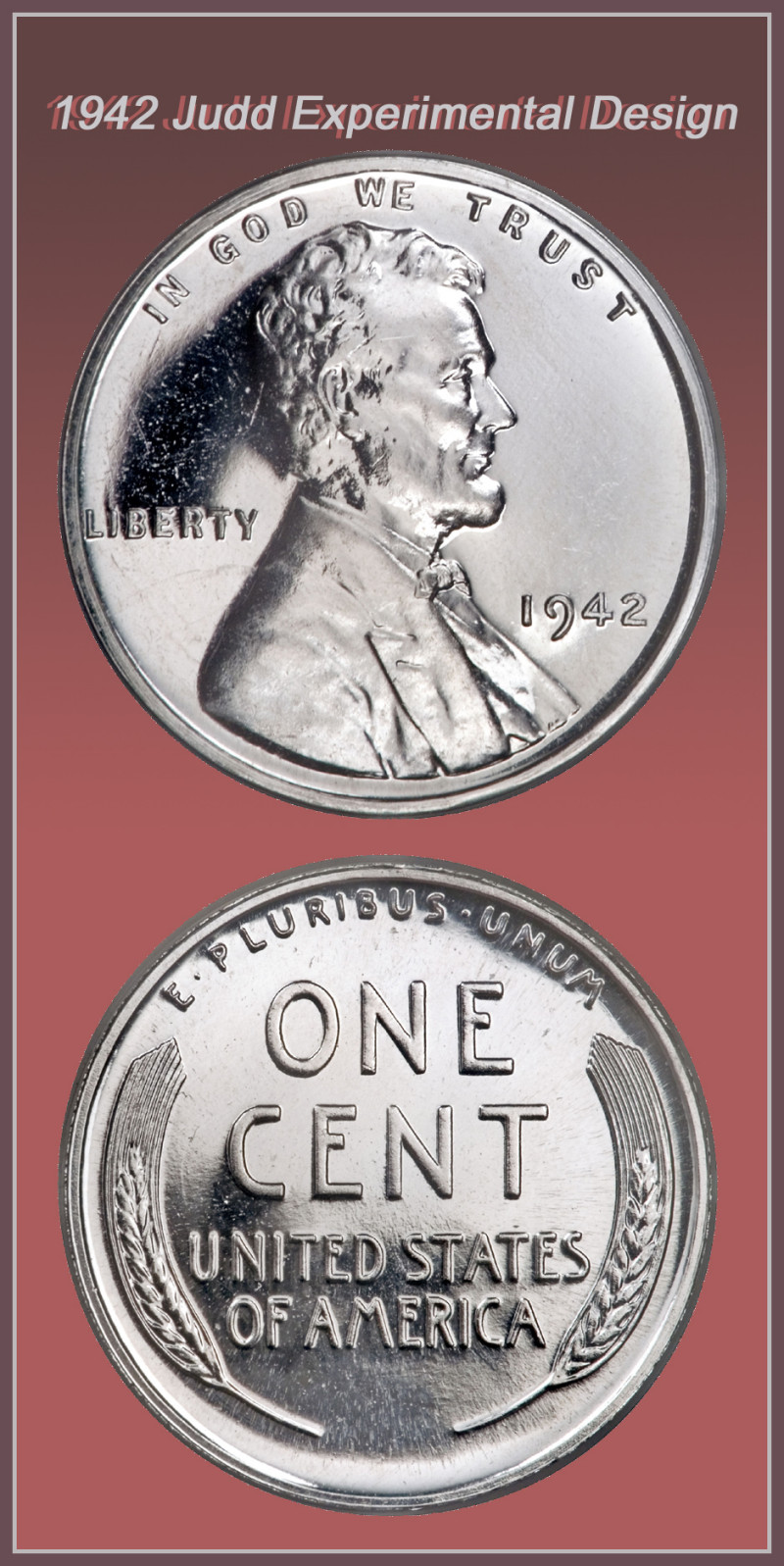 But if it were a steel planchet, no copper would be showing and the surface would not be shiny, but look like a normal steel cent. The weight would also be lighter if it was steel. (2.7 gram) Edited by coop
08/12/2017 12:09 pm
|
|
Bedrock of the Community
United States
79690 Posts |
Plated after the U.S. Mint PMD (Post Mint Damage). I also agree it's a Dryer Coin also. Errers and Varietys.
|
|
Rest in Peace
United States
17900 Posts |
It was plated after issue and possibly inserted into a bezel for some unknown reason, or even into one of the aluminum cases used for good luck.
|
|
Pillar of the Community
United States
5196 Posts |
 ,on these one I'll agree with john1, encased then plated |
|
New Member
 United States
5 Posts |
I think I agree about being encased at one point. I'm still going to have someone else look at it just to get another opinion from someone who can view it with a loop. I will let you guys know what he thinks also. Thank you to all you guys for the welcome and the feedback.
|
|
New Member
United States
5 Posts |
The plating is magnetic. What material do you think it is most likely to be?
|
|
Bedrock of the Community
United States
62064 Posts |
Probably chrome. It is a three part process. Copper/nickel/steel.
|
|
Bedrock of the Community
United States
17884 Posts |
I'm not sure Coop but I think the experimental 1942 you showed is the double thick aluminum piece. The 42 steels didn't have reflective surfaces like that.
|
|
Pillar of the Community
United States
3515 Posts |
Plated and circulated, I've seen a number of these.
|
|
Bedrock of the Community
Australia
21792 Posts |
I can't dismiss the possibility from my mind that this coin has been plated, then the plating on the rim has been carefully, but deliberately polished or buffed off.
A leather faced buffing wheel, that would be used for the final polishing of opals would be perfectly capable of doing tbis sort of job.
|
|
Bedrock of the Community
United States
62064 Posts |
Condor101: It maybe. It was called a Judd coin. But I did not note the composition of the coin. The image was not noted where it was from. So I'm not sure where it came from.
|
|
Bedrock of the Community
United States
17884 Posts |
Found the image of the unique 1942 aluminum cent on Mike Byers website, the marks in the left obv field match. SO it is the aluminum one.  Edited by Conder101
08/15/2017 11:07 am
|
|
Pillar of the Community
United States
3363 Posts |
Did I miss the post which gave the weight of this coin?
|
|
Bedrock of the Community
United States
62064 Posts |
Here is an example of an aluminum cent with the weight on the slab.  I know it is a different year, but it would probably be the same weight. I know it is a different year, but it would probably be the same weight. |
|
Bedrock of the Community
United States
17884 Posts |
Probably the same weight as what? The OP coin? The 42 aluminum? The OP coin is a 42 weight should be about 3.1 grams, the Pattern 1942 shown was more than double thickness in an attempt to bring the weight of the coin up closer to the wight of the normal coin, Don't know its actual weight. Could probably find it if needed. The experimental 42 steel cents weight about 42 grains or around 2.7 grams.
|
|
Page 2 of 2
|
Replies: 20 / Views: 4,298 |
Page 2 of 2
|







 First Page


 Posted 08/12/2017 1:07 pm





