First Page
 Previous Page


 Posted 02/15/2018 11:49 am


To employ some deduction here...
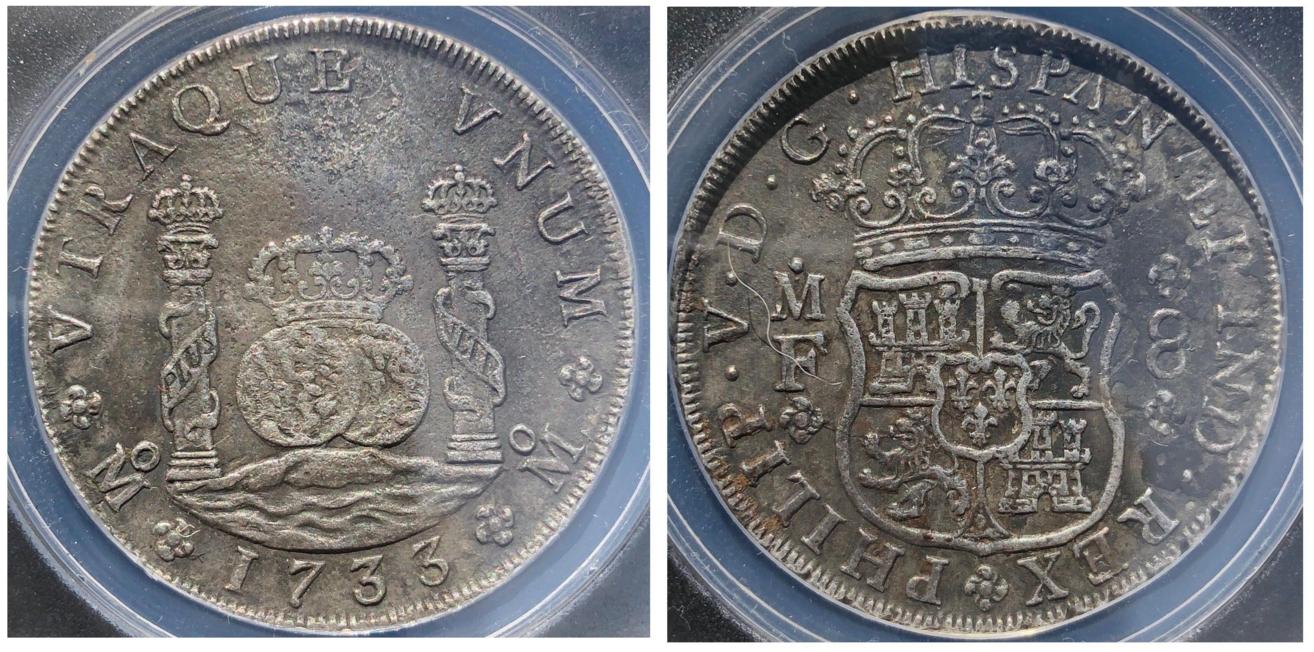
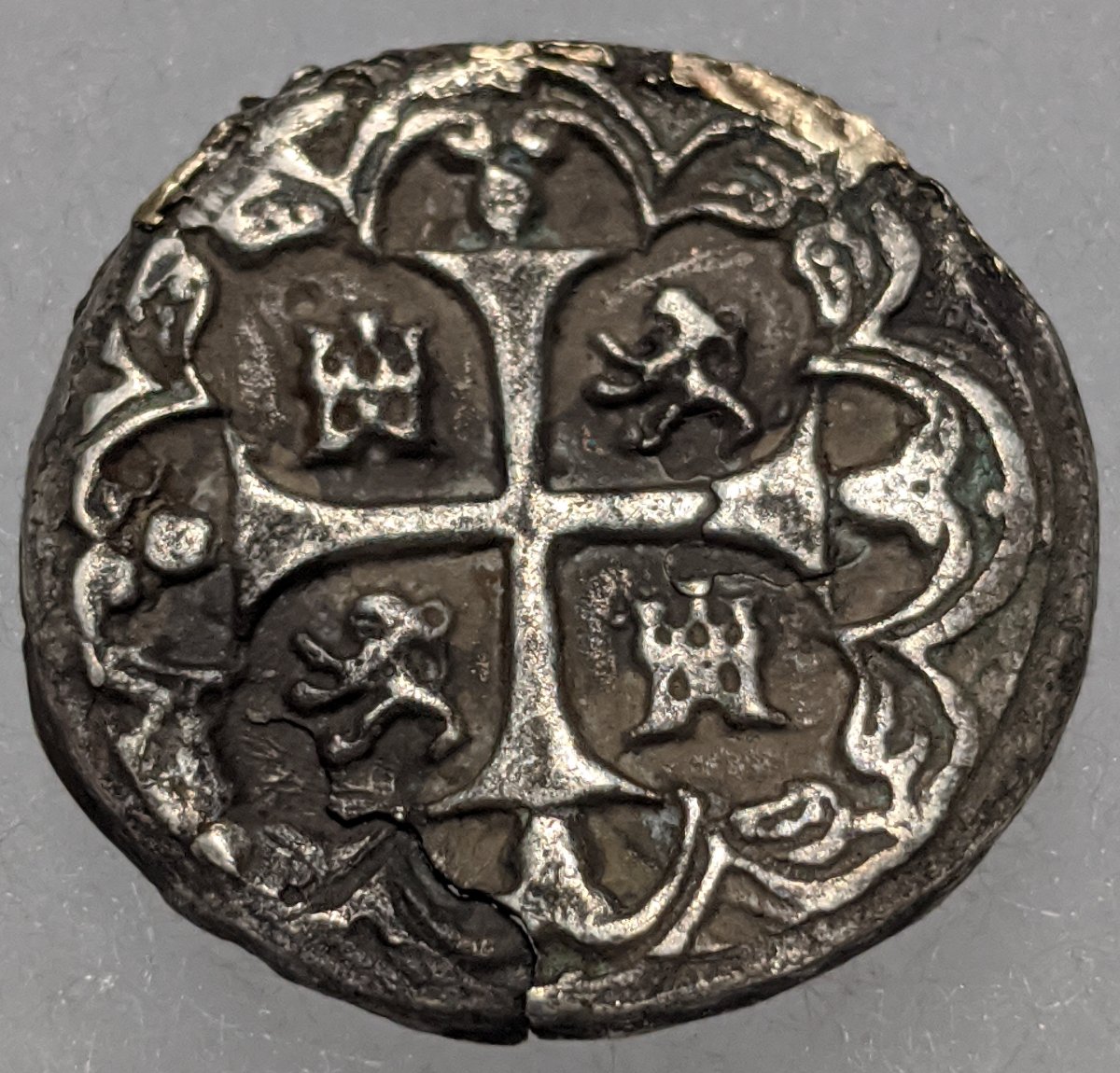
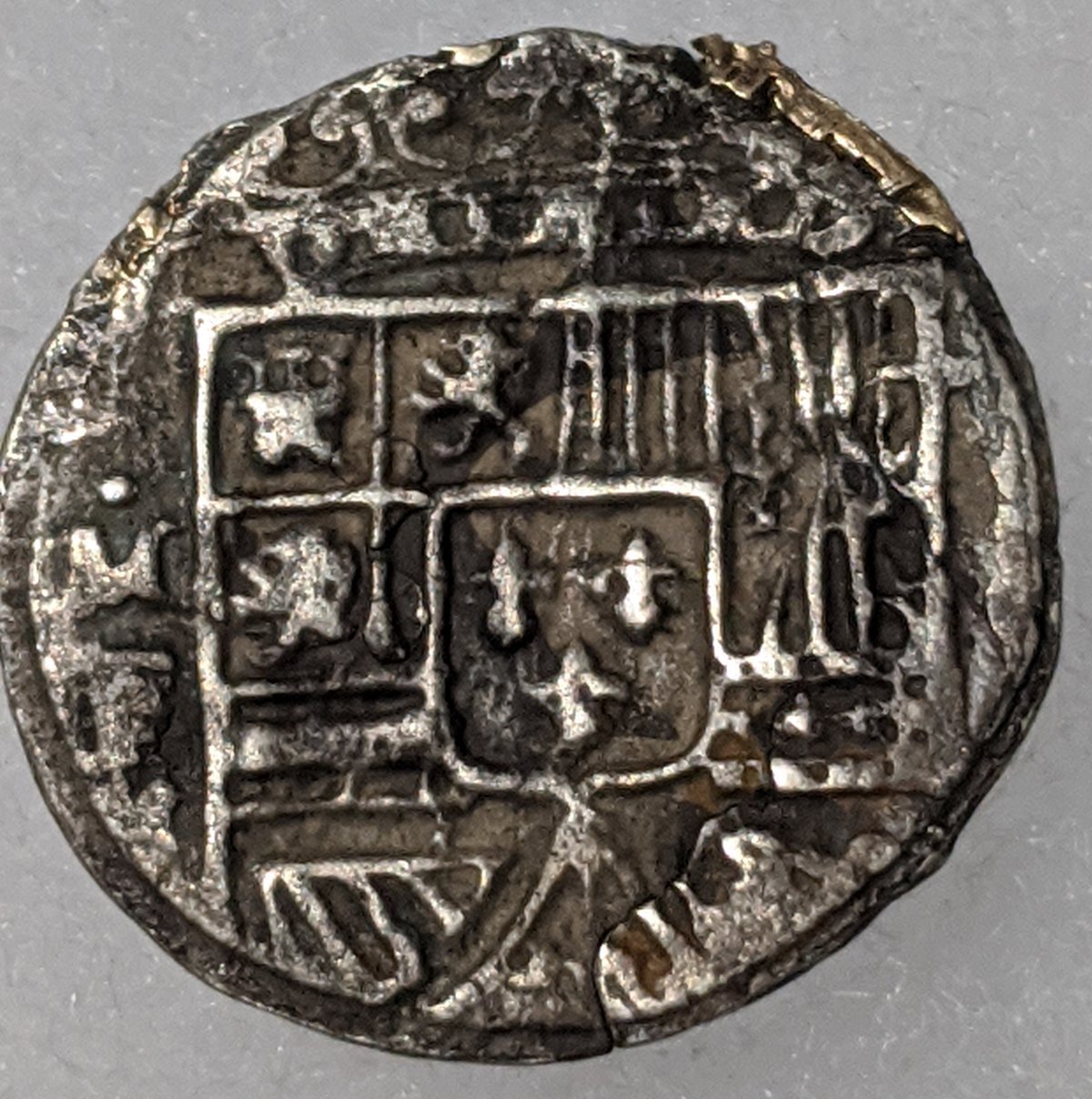
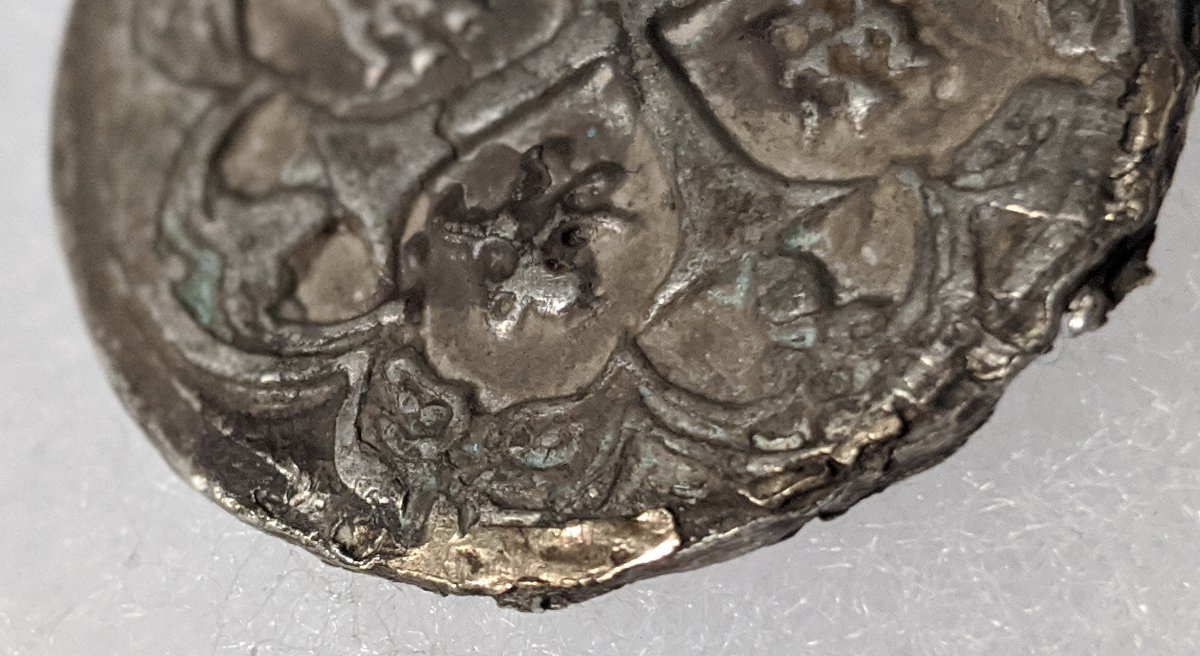
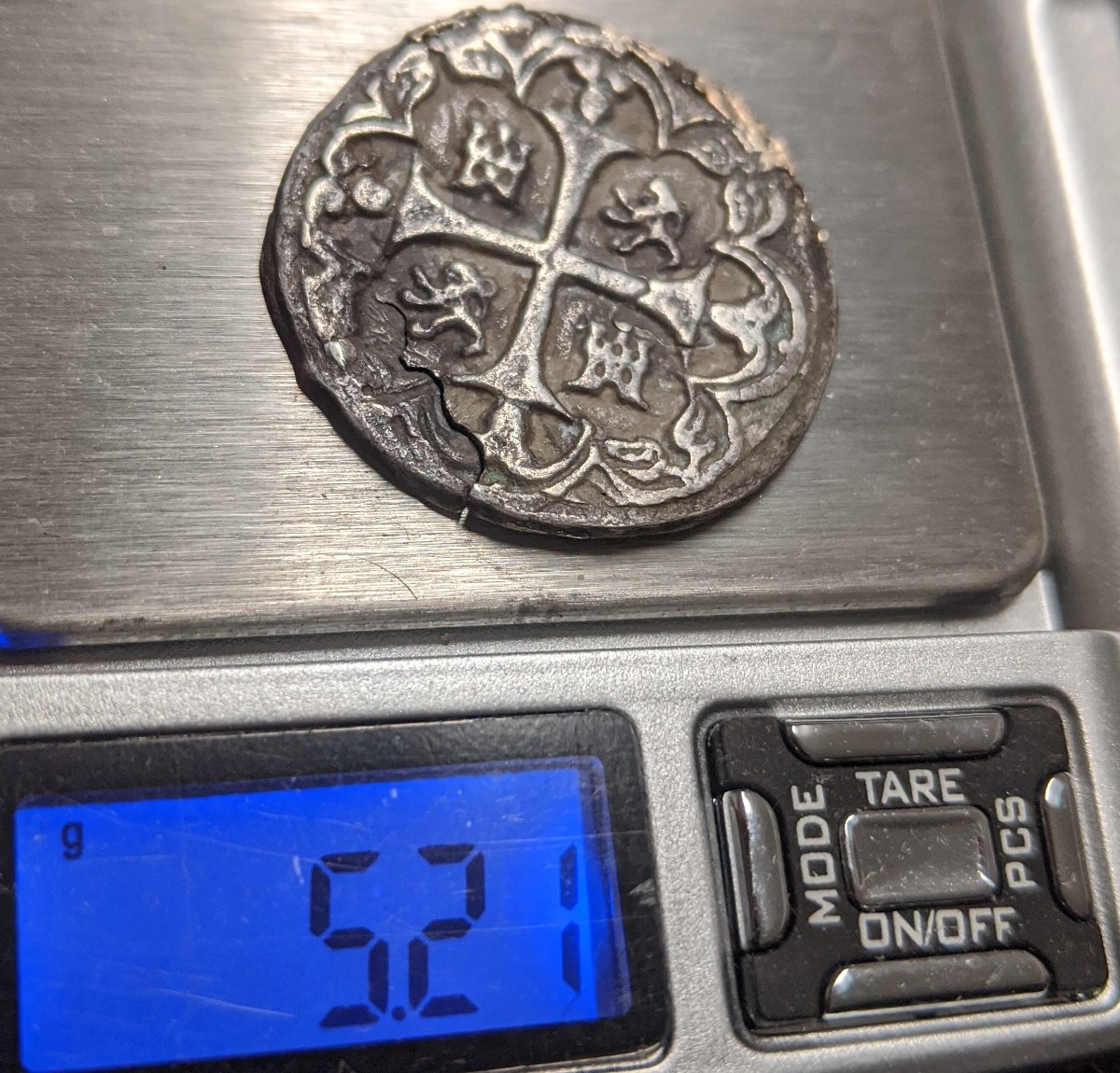
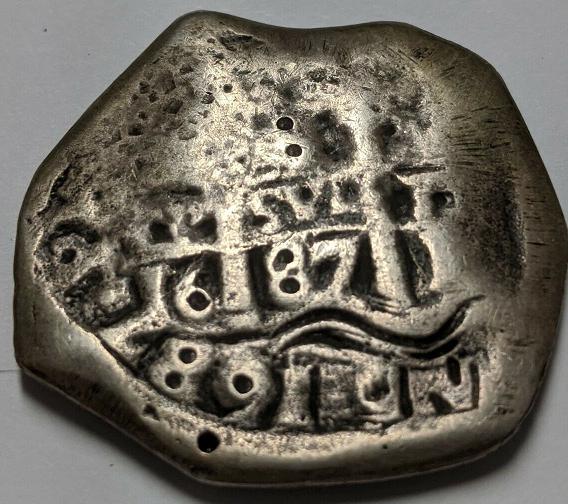
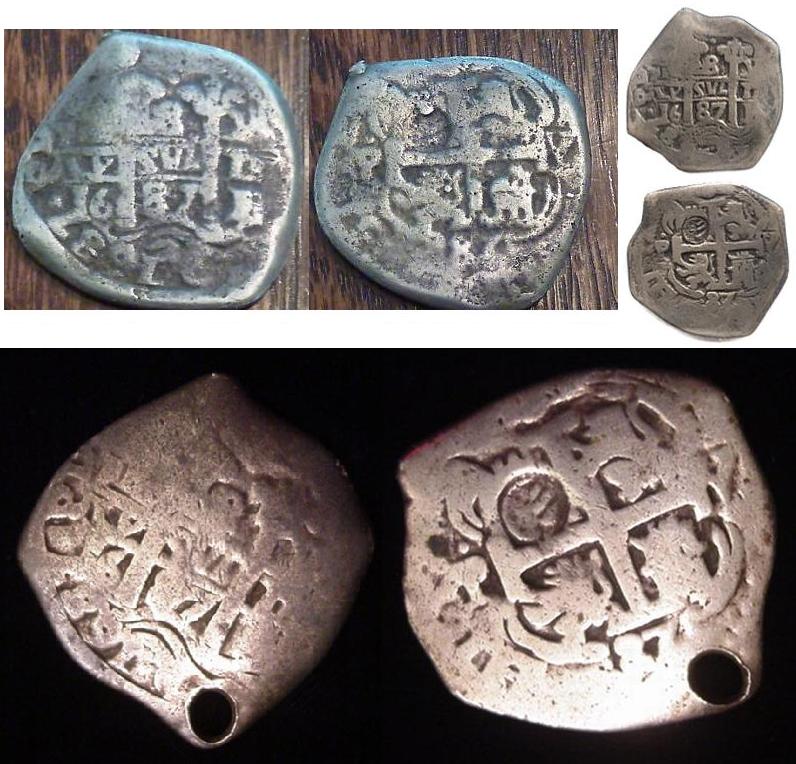
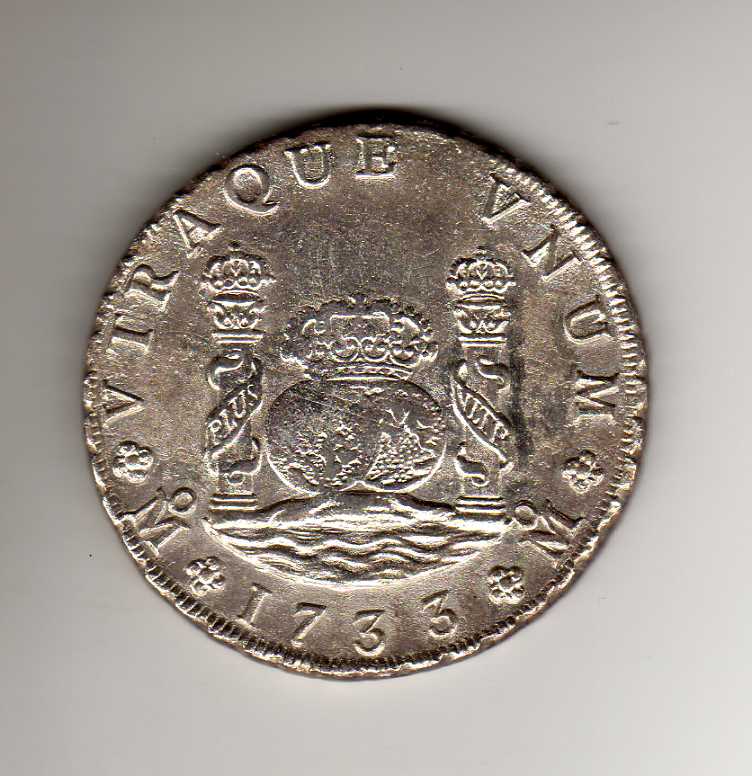
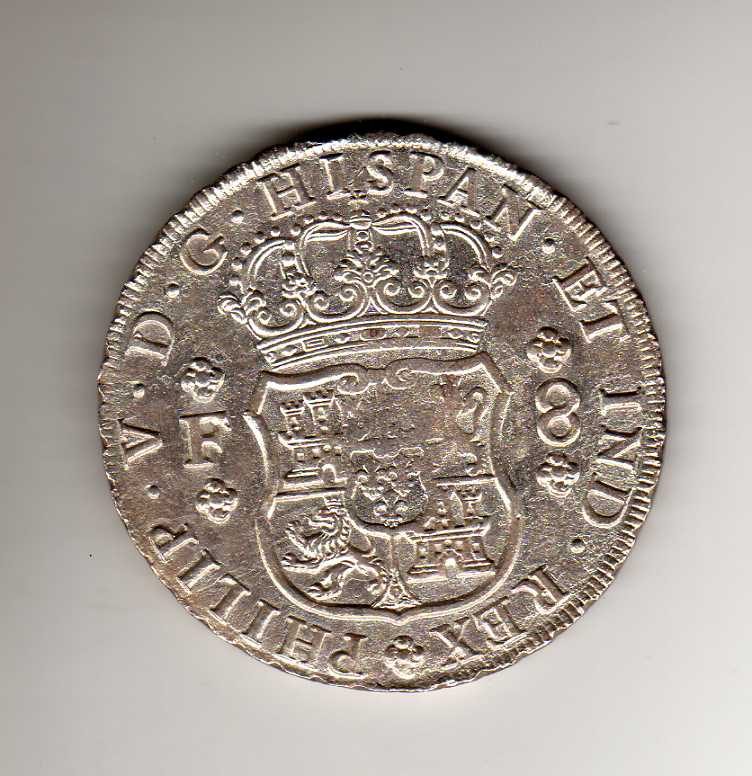
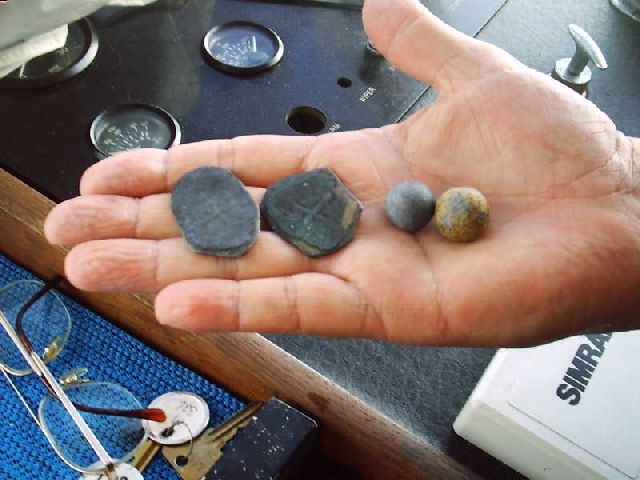
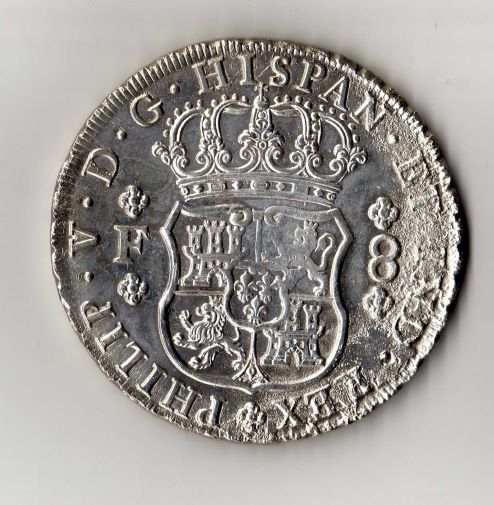
Looking back at all the pieces that were eventually shown... Given this material, out of the UK - assuming genuine - the Hollandia and/or Rooswijk almost certainly MUST be the sources. Perhaps, MAYBE, an older Vliegenthart ducaton could've mixed in (but wouldn't have sourced THOSE cobs, the klippe and pillars). But most probably, this is HOLLANDIA and/or ROOSWIJK.
As said above, the Rooswijk did not produce ducatons in any amount, so those really CAN'T be Rooswijk... but those cobs, the more I review material and look back at aucs with large hunks from that wreck, are really VERY typical Rooswijk (moreso like what was in the original Ponterio auction - less brightly cleaned that the second wave). As such, I think this material - again assuming genuine - is most likely a mix of two wrecks. These cobs COULD possibly be Hollandia (there were some), so the whole batch COULD be from that wreck... and of course that's what we were told initially (plus he called the supposed seller "old", more likely for Hollandia than Rooswijk people). It CAN'T all be Rosswijk, b/c of those ducatons in the mix.
So HOLLANDIA and/or ROOSWIJK, two wrecks salvaged - 34 years apart, on opposite sides of England - by the same Brit, primarily (Rex Cowan, who also did the Vliegenthart in between). As that might hint at, there is a a lot of path-crossing that takes place, so it's not at all inconceivable or unheard of that people who have some "connection" to the salvage field might possess mixed material.
Of course, anyone who was a simply a collector/buyer but not that careful with his paperwork could have estate mixes of these plus other wrecks like Rill Cove, Association, etc.
A lot of this UK-based wreck material has been steadily coming to market as Father Time marches on (as has been happening for some time here in the U.S. with 1715 Fleet stuff as that generation moves on). Some straight from heir/aging owner, some that you can guess went straight from heir/aging owner to local buyers... Others you see in more quantity from more pro-type dealers who are buying it from UK-based numismatic and often NON-numismatic (as this pillar and klippe were sold through) auctioneers - often in group lots, some surely coming from people who had some link to the salvage field.
What I have definitely noticed from this UK flow of material - often to my great frustration - is that the Brits don't seem to be greatly interested in (or good at) perfectly maintaining correct attribution and pedigree for this "Spanish" material. It's clear that people often have groupings of some coins, and some mixed paperwork, and occasionally things get obviously mismatched, but the Brits don't always know enough to spot it. The sure proof of this are "easy" situations where early, heavily seaworn Rill Cove material gets mismatched. "Dear Seller, no, that 5 gram 4 Reales ca. 1610 cob did not come from the 1740s Hollandia wreck"... "Oh, thanks, that's how they came to me. I don't know and I don't care. Cheers." I also recall a couple months back I saw an original Association COA paired with... a 1740 pillar 8R. Ummmmm... not possible.
Point is, UK wreck material often flows and blends together... so someone possessing a mixed "wholesale" type stash of wreck pieces is not necessarily dammning. That may apply here, it may not... just some general observations.
Looking back at all the pieces that were eventually shown... Given this material, out of the UK - assuming genuine - the Hollandia and/or Rooswijk almost certainly MUST be the sources. Perhaps, MAYBE, an older Vliegenthart ducaton could've mixed in (but wouldn't have sourced THOSE cobs, the klippe and pillars). But most probably, this is HOLLANDIA and/or ROOSWIJK.
As said above, the Rooswijk did not produce ducatons in any amount, so those really CAN'T be Rooswijk... but those cobs, the more I review material and look back at aucs with large hunks from that wreck, are really VERY typical Rooswijk (moreso like what was in the original Ponterio auction - less brightly cleaned that the second wave). As such, I think this material - again assuming genuine - is most likely a mix of two wrecks. These cobs COULD possibly be Hollandia (there were some), so the whole batch COULD be from that wreck... and of course that's what we were told initially (plus he called the supposed seller "old", more likely for Hollandia than Rooswijk people). It CAN'T all be Rosswijk, b/c of those ducatons in the mix.
So HOLLANDIA and/or ROOSWIJK, two wrecks salvaged - 34 years apart, on opposite sides of England - by the same Brit, primarily (Rex Cowan, who also did the Vliegenthart in between). As that might hint at, there is a a lot of path-crossing that takes place, so it's not at all inconceivable or unheard of that people who have some "connection" to the salvage field might possess mixed material.
Of course, anyone who was a simply a collector/buyer but not that careful with his paperwork could have estate mixes of these plus other wrecks like Rill Cove, Association, etc.
A lot of this UK-based wreck material has been steadily coming to market as Father Time marches on (as has been happening for some time here in the U.S. with 1715 Fleet stuff as that generation moves on). Some straight from heir/aging owner, some that you can guess went straight from heir/aging owner to local buyers... Others you see in more quantity from more pro-type dealers who are buying it from UK-based numismatic and often NON-numismatic (as this pillar and klippe were sold through) auctioneers - often in group lots, some surely coming from people who had some link to the salvage field.
What I have definitely noticed from this UK flow of material - often to my great frustration - is that the Brits don't seem to be greatly interested in (or good at) perfectly maintaining correct attribution and pedigree for this "Spanish" material. It's clear that people often have groupings of some coins, and some mixed paperwork, and occasionally things get obviously mismatched, but the Brits don't always know enough to spot it. The sure proof of this are "easy" situations where early, heavily seaworn Rill Cove material gets mismatched. "Dear Seller, no, that 5 gram 4 Reales ca. 1610 cob did not come from the 1740s Hollandia wreck"... "Oh, thanks, that's how they came to me. I don't know and I don't care. Cheers." I also recall a couple months back I saw an original Association COA paired with... a 1740 pillar 8R. Ummmmm... not possible.
Point is, UK wreck material often flows and blends together... so someone possessing a mixed "wholesale" type stash of wreck pieces is not necessarily dammning. That may apply here, it may not... just some general observations.