| Author |
 Replies: 56 / Views: 4,652 Replies: 56 / Views: 4,652 |
|
|
|
|
Pillar of the Community
 5464 Posts |
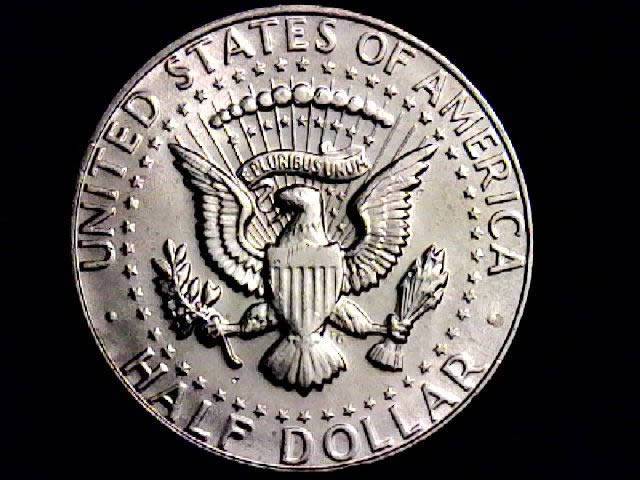
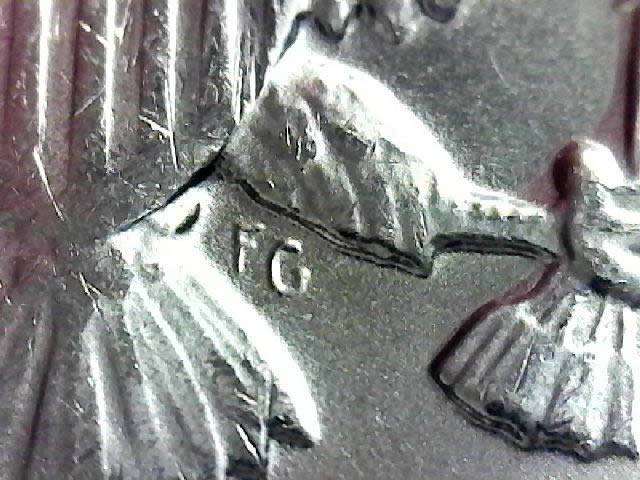
Quote:Tom, the RDV# is "reverse die variety #" assigned to all coin dies issuing from a specific master hub(_read more, Vol 1, how diesc are made below), quite the process. All the dies are made in Philly. Many, especially reverse dies get used over a vast stretch of years. It appears these two dies were very prolific and copies used all through the 60's into the 70's. The "G" was one of the major ID points of the varieties. Apparently some of these master hubs produced a few doubled working hubs (master die doubling) or a specific RDV working hub became doubled causing a DDR. What is always "interesting"(confusing) is when a reverse doubled die is continued to be used into the next years run, same reverse DDR but paired with a different obverse die! After reading your post a few times, it's starting to make some sense to me. Thanks for that detailed explanation! |
|
Pillar of the Community
5464 Posts |
Quote:
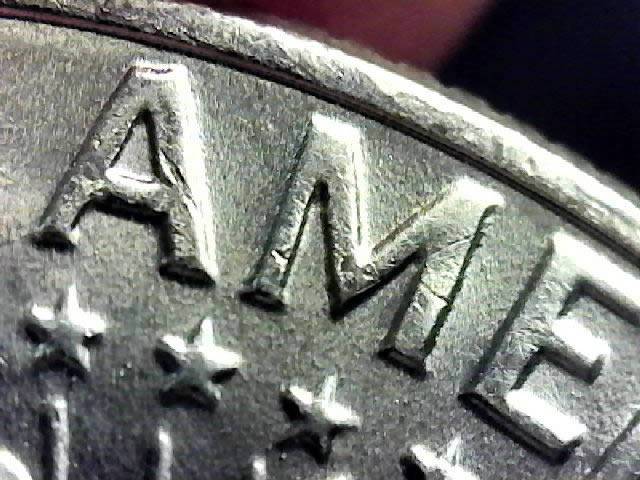
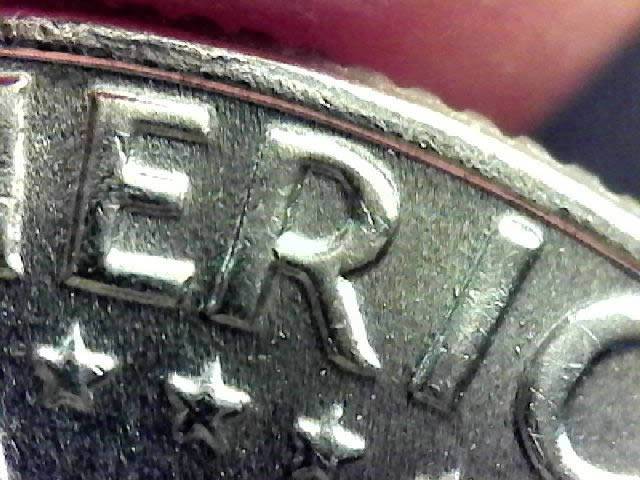
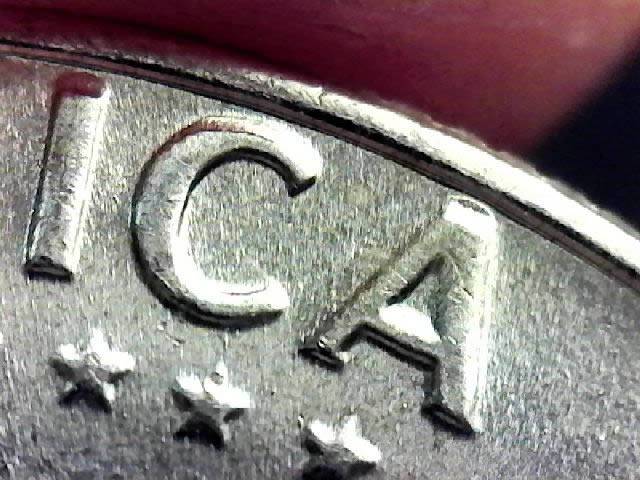
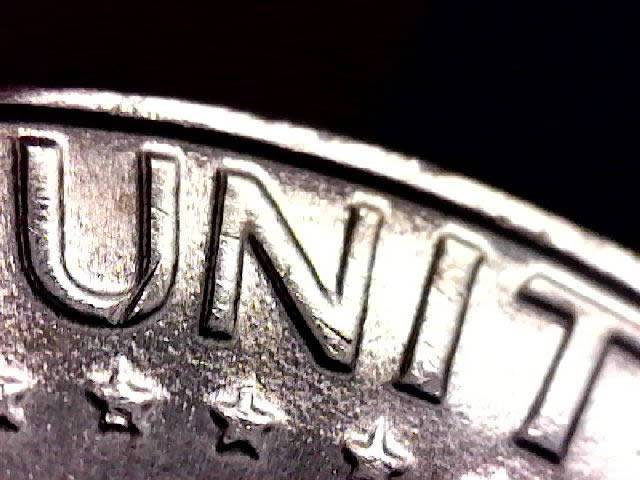
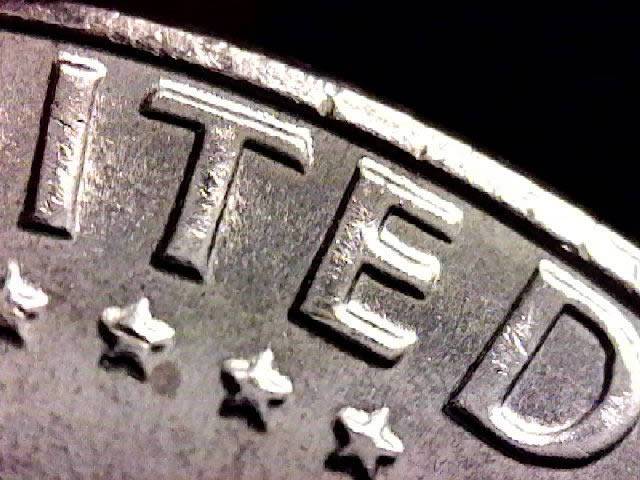
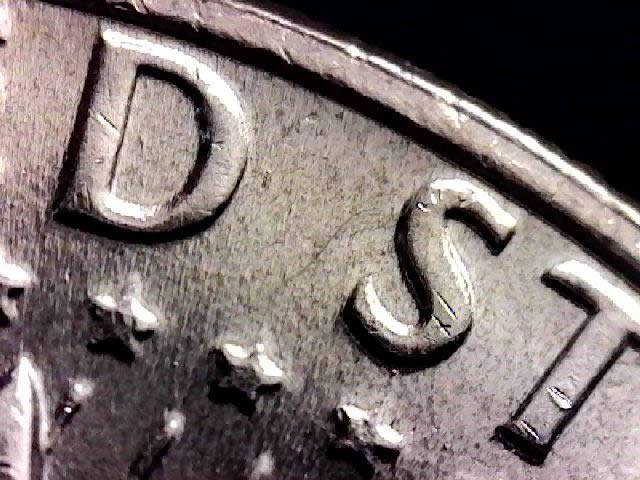
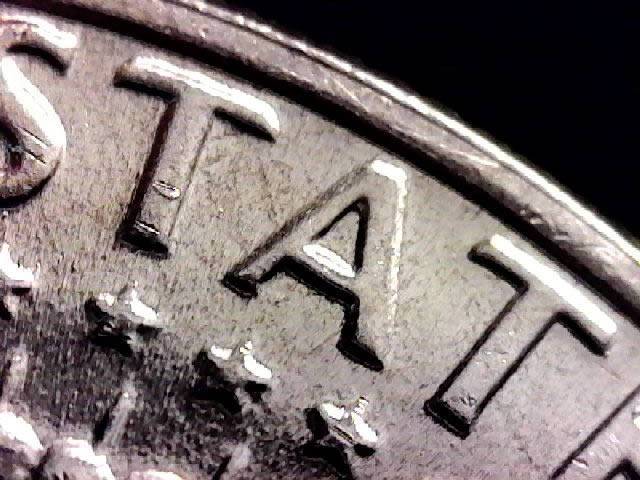
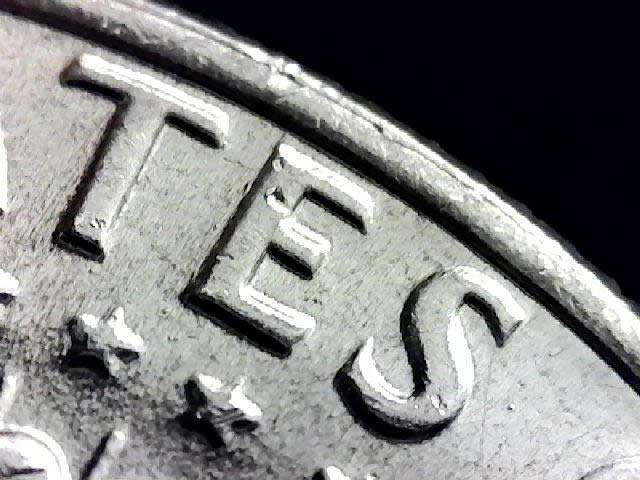
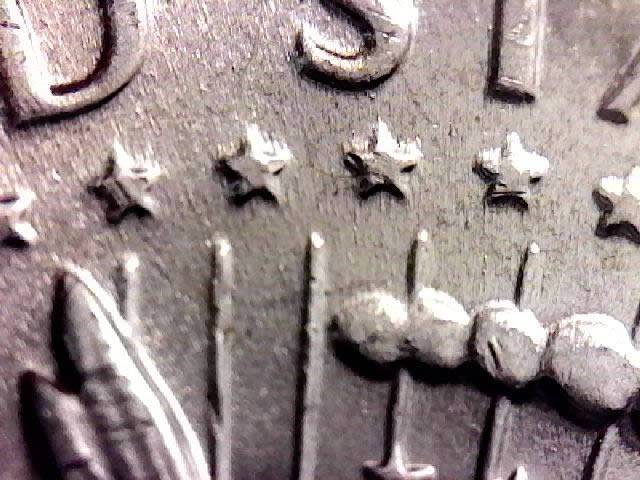
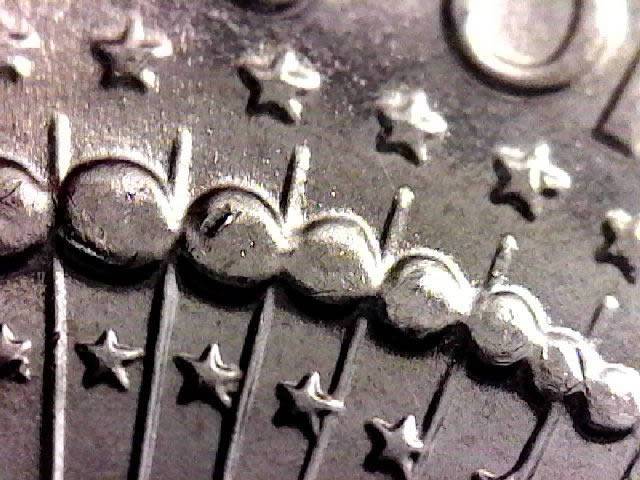
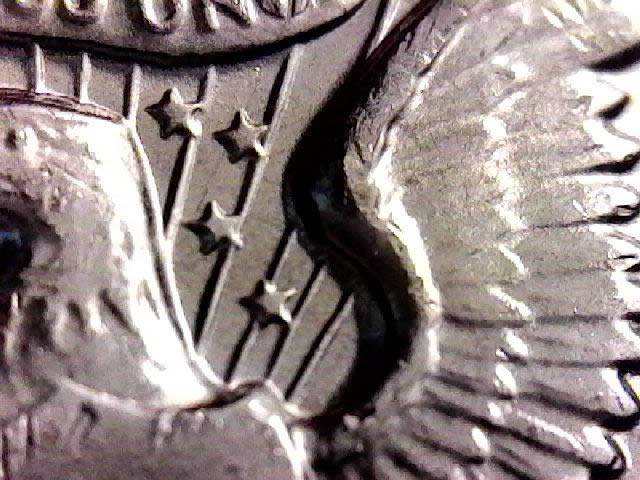
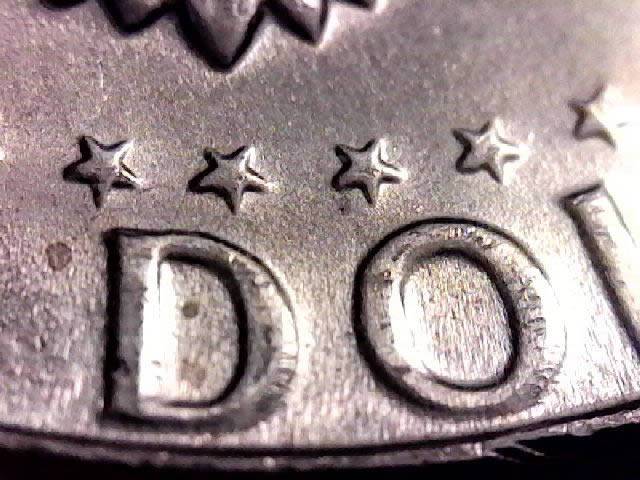
Get more close up pics of the 5th and 6th picture coin not sure if it's lighting but I'm no expert That's it, that's the best I can do. My 75x/300x digital microscope can't get any closer. Sorry. |
|
Pillar of the Community
United States
1901 Posts |
Yes crazyb0 and coop are the 2 I look to see if they post I've learned a lot from them
|
|
Pillar of the Community
United States
1901 Posts |
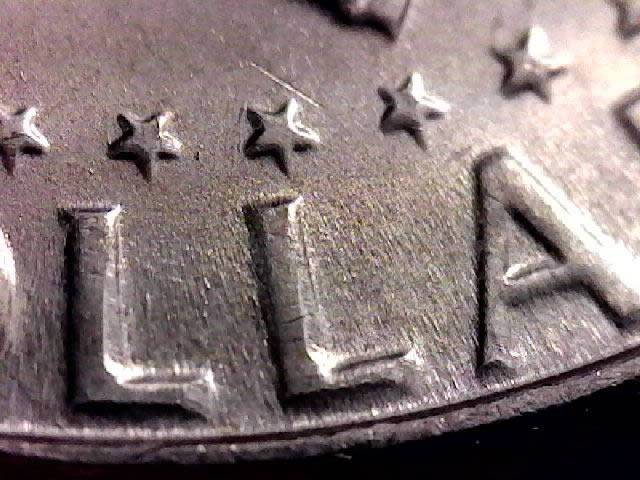
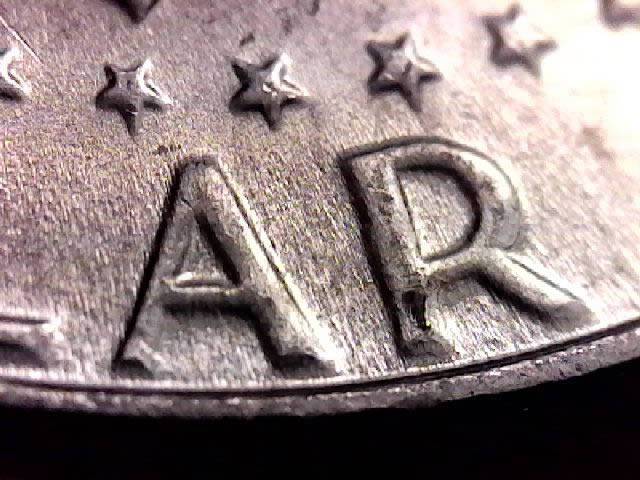
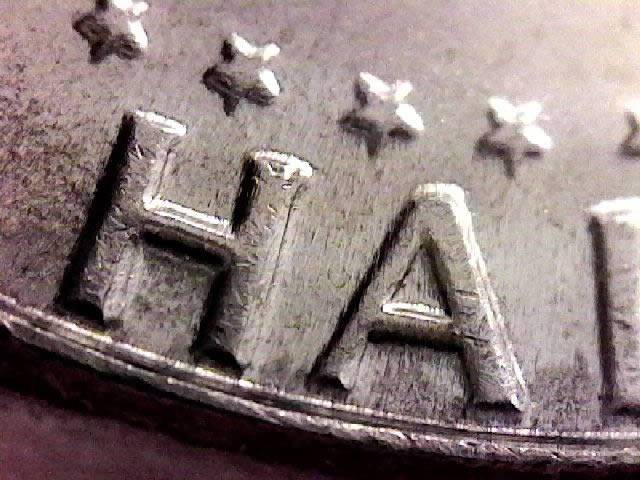
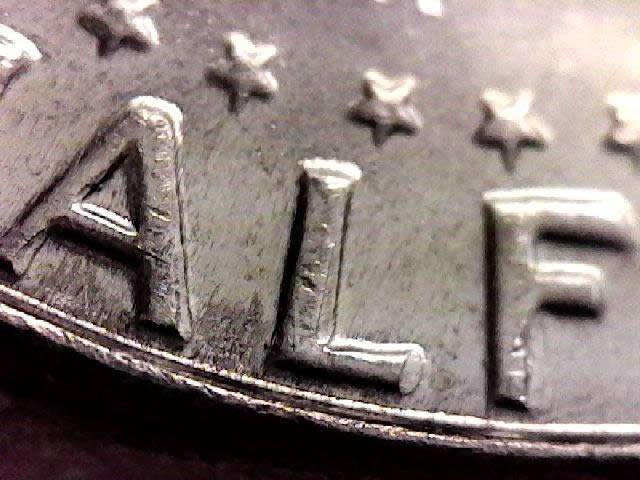
Not that's good magnification just different parts of the coin
The left bottom looks notched to me and the stars look notched and weird to me
Edited by Mrzllewellyn
12/16/2017 9:49 pm
|
|
Pillar of the Community
5464 Posts |
Quote:
Yes crazyb0 and coop are the 2 I look to see if they post I've learned a lot from them Yes, it's nice to know who the go-to guys are. |
|
Pillar of the Community
5464 Posts |
Quote:
Not that's good magnification just different parts of the coin
The left bottom looks notched to me and the stars look notched and weird to me It's not you, it's probably me. My eyes are probably just not trained yet to see what you're seeing. I have 6 69-D's sitting here in front of me. 4 are straight G's and 2 are flared G's. Markers and notches are wrapping me around the axel. Like Crazyb0 said: Quote:RDV-002(Flared G) and RDV-003(Straight G) are the two common reverse dies produced from the master working hubs of the 60's Kennedys. They made a ****pot full of them and distributed to all mints at random. No telling how many or where/when used. They just help in doing a stage/die pair markers for DDO / DDRs is all. Unless these 69-D's are MS-69 or better, they are probably nothing to write home about.   |
|
Pillar of the Community
United States
1901 Posts |
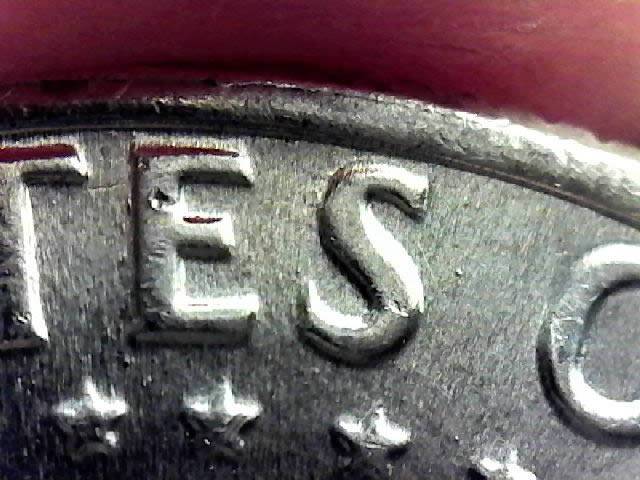
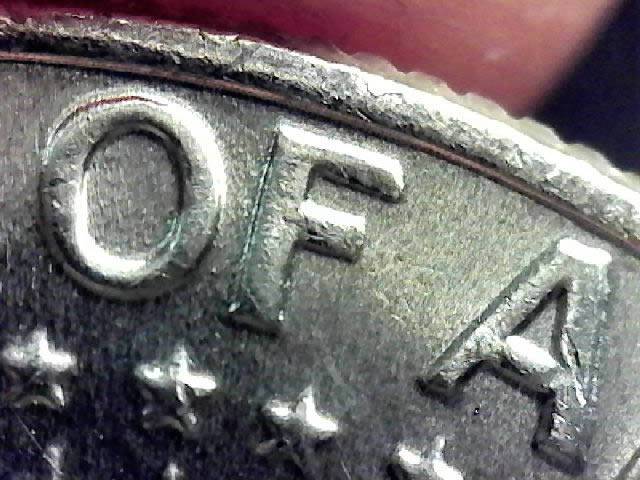
I see something onew the coin in pictures 5 and 6 I wanted more pictures of close ups of around the whole coin if you don't mind
|
|
Pillar of the Community
5464 Posts |
Okay, pictures 5 and 6, around the whole coin. Let me see what I can do. Standby....
|
|
Pillar of the Community
5464 Posts |
|
|
Pillar of the Community
United States
1901 Posts |
Yeah no notching I don't think looks like MD and maybe a LDS DDD maybe thanks for the extra pics I thought I saw something but just my eyes and lighting. Still RDV-002 |
|
Pillar of the Community
5464 Posts |
Quote:Yeah no notching I don't think looks like MD and maybe a LDS DDD maybe thanks for the extra pics I thought I saw something but just my eyes and lighting. Still RDV-002 No problem. Thanks for looking. |
|
Rest in Peace
10197 Posts |
I'll interject some more, ready to learn Padawans? #1 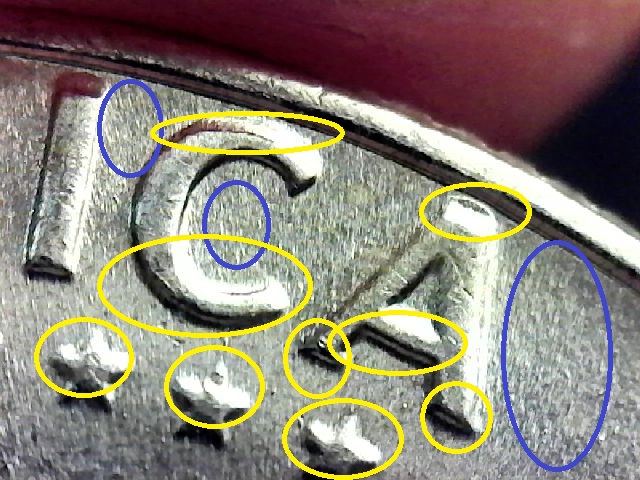 #2 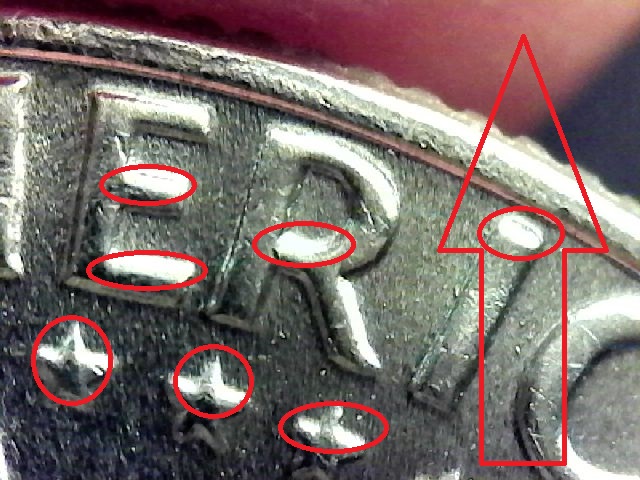 In #1, BLUE is showing die flow lines beginning to fully form. Shows nothing more than a later die state Mid or Late. The YELLOW here is what is interesting. It is a two directional MD. The lower portions received a bounce, making the shelf, reduction in size is there The shearing effect on the upper portions is caused by the sharp edge of the device cavity striping the metal on either an upward or downward movement. In #2, The RED arrow shows direction outwards. If this effect follows around the coin in like manner it will be a result of Die Deterioration sometimes referred to as DDD, the way the light picks it up here (move the source, effects change). If the effective diminishing remains directional on all devices (all effect go North, etc) then this is an MD event. For some reason, the deeper the design elements are, the more chance of MD is there. All dies "bounce" upon impact, natural process. If alignment off due to loose mechanism, then a noticeable MD will be seen. On cents this is quite noticeable with hand-punched MM next to weaker inscribed date.  |
|
Pillar of the Community
5464 Posts |
Quote:
The YELLOW here is what is interesting. It is a two directional MD. The lower portions received a bounce, making the shelf, reduction in size is there The shearing effect on the upper portions is caused by the sharp edge of the device cavity striping the metal on either an upward or downward movement. YES! When you say shearing, that explains what I'm seeing! Many of the stars going around the coin (360 degrees) have the shearing. I thought it was some type of PMD hit. "Most" of the shearing is only on the stars. I thought it was odd, only the stars were hit and not the letters going around the coin as well. Your detailed explanation describes it! And that's why you have 5256 Posts and I only have 800! Edited by USSID18
12/17/2017 4:15 pm
|
|
Pillar of the Community
United States
1901 Posts |
So what you are saying is I might know what I'm looking at a little bit finally butch? Because everything you just said is what I said I just can't quite explain it yet thanks for the detailed answer.
|
|
Pillar of the Community
5464 Posts |
Quote:
little bit finally butch? What? Quote:
Because everything you just said is what I said I just can't quite explain it yet thanks for the detailed answer. I don't completely understand your writing. But your feedback was helpful. |
|
|
Replies: 56 / Views: 4,652 |
|





 First Page
 Previous Page

 Posted 12/16/2017 9:46 pm