| Author |
 Replies: 35 / Views: 4,336 Replies: 35 / Views: 4,336 |
Page 3 of 3
|
|
|
|
Pillar of the Community
 United States
7598 Posts |
|
|
Pillar of the Community
United States
7598 Posts |
Quote:
how much did you pay for that error coin? Sorry E/V I missed your question earlier, I rather not elaborate on that.It wasn't much. |
|
Bedrock of the Community
United States
79456 Posts |
Quote:
Sorry E/V I missed your question earlier, I rather not elaborate on that.It wasn't much. That's okay. I'm glad you got a good deal on it though!  Errers and Varietys.
|
|
Pillar of the Community
Canada
872 Posts |
I am curious why no one thinks this is a split planchet, split after strike. it has the same characteristics as a split (after strike) planchet with a strong reverse strike and a smooth uniface and a properly formed rim.
|
|
Pillar of the Community
United States
4846 Posts |
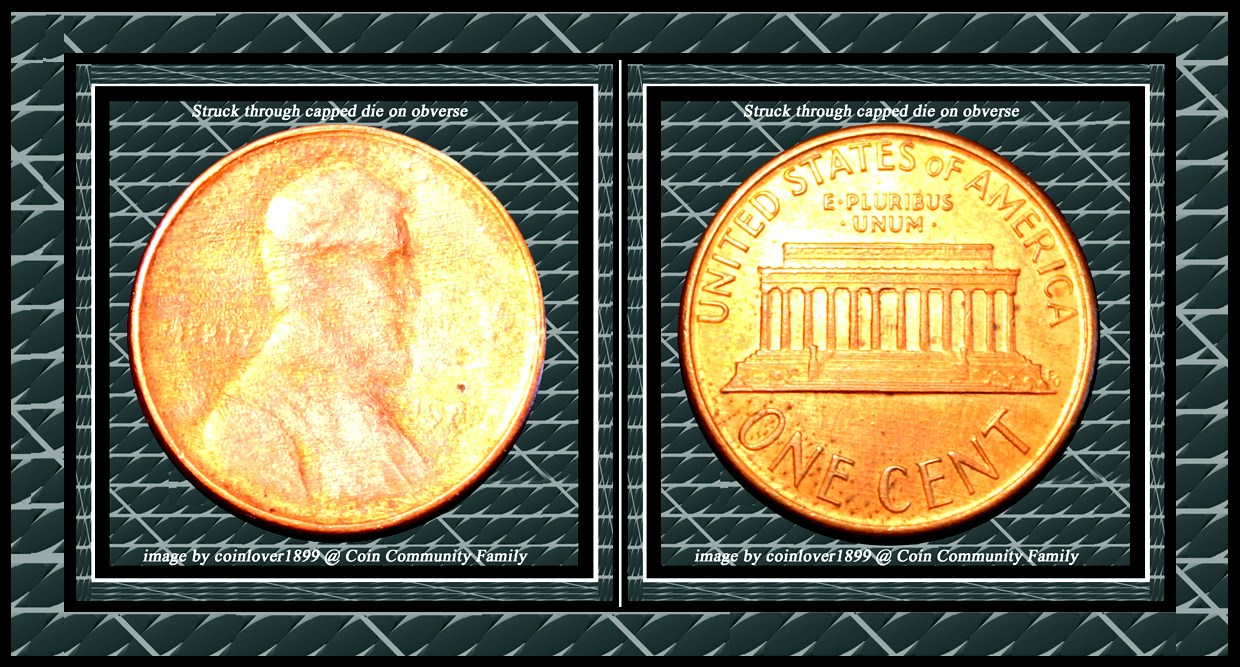
the obverse wouldnt usually have a properly formed rim if it were split after striking, and you wouldnt see ghosting of the memorial on the obverse side. Look at the War Nickel coop posted, it would have to look like on of the two sides of that coin(more likely the right(thicker) side)). |
|
Pillar of the Community
Canada
872 Posts |
Canada 1 cent split planchet after strike. ghost image is visible and rim is formed. 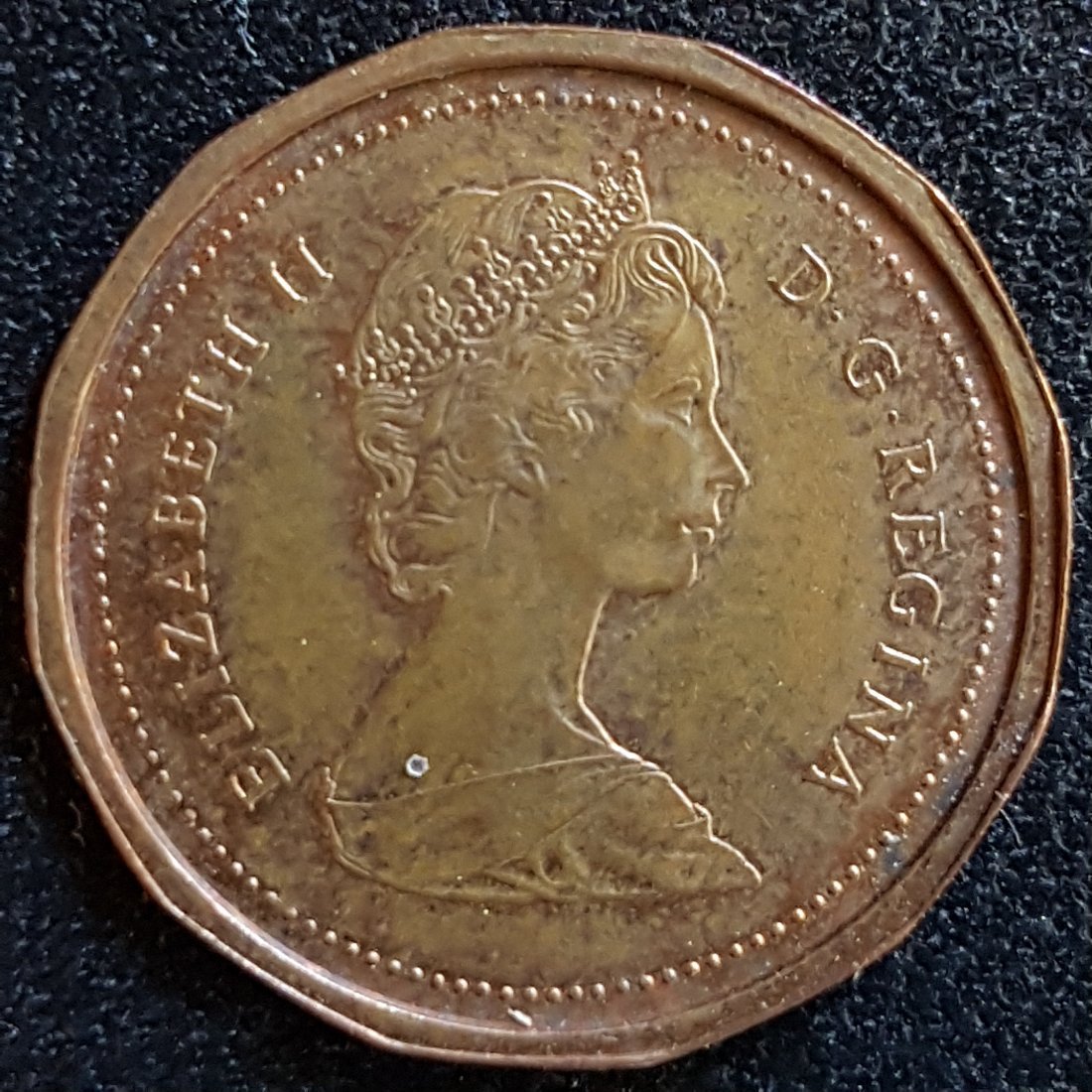 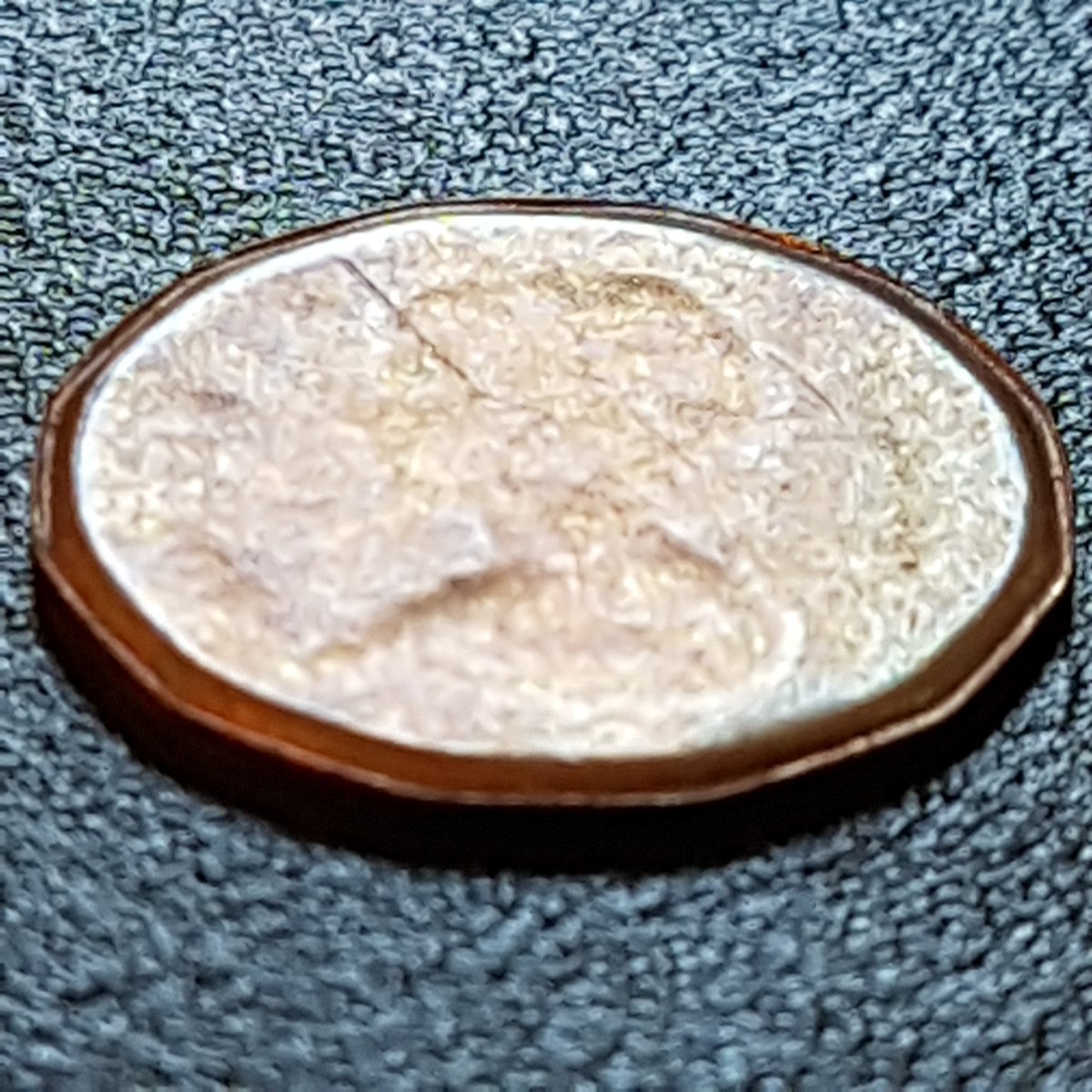 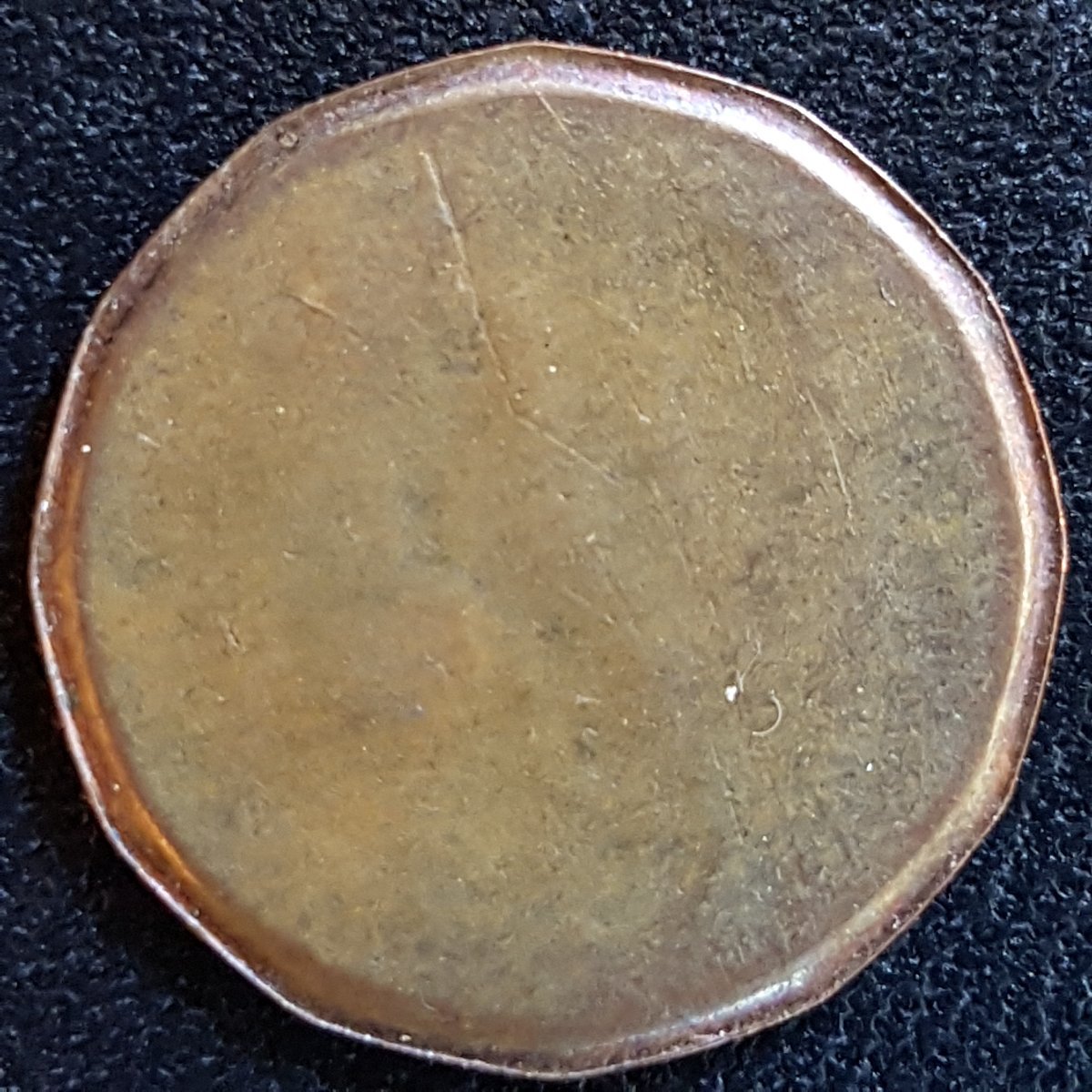 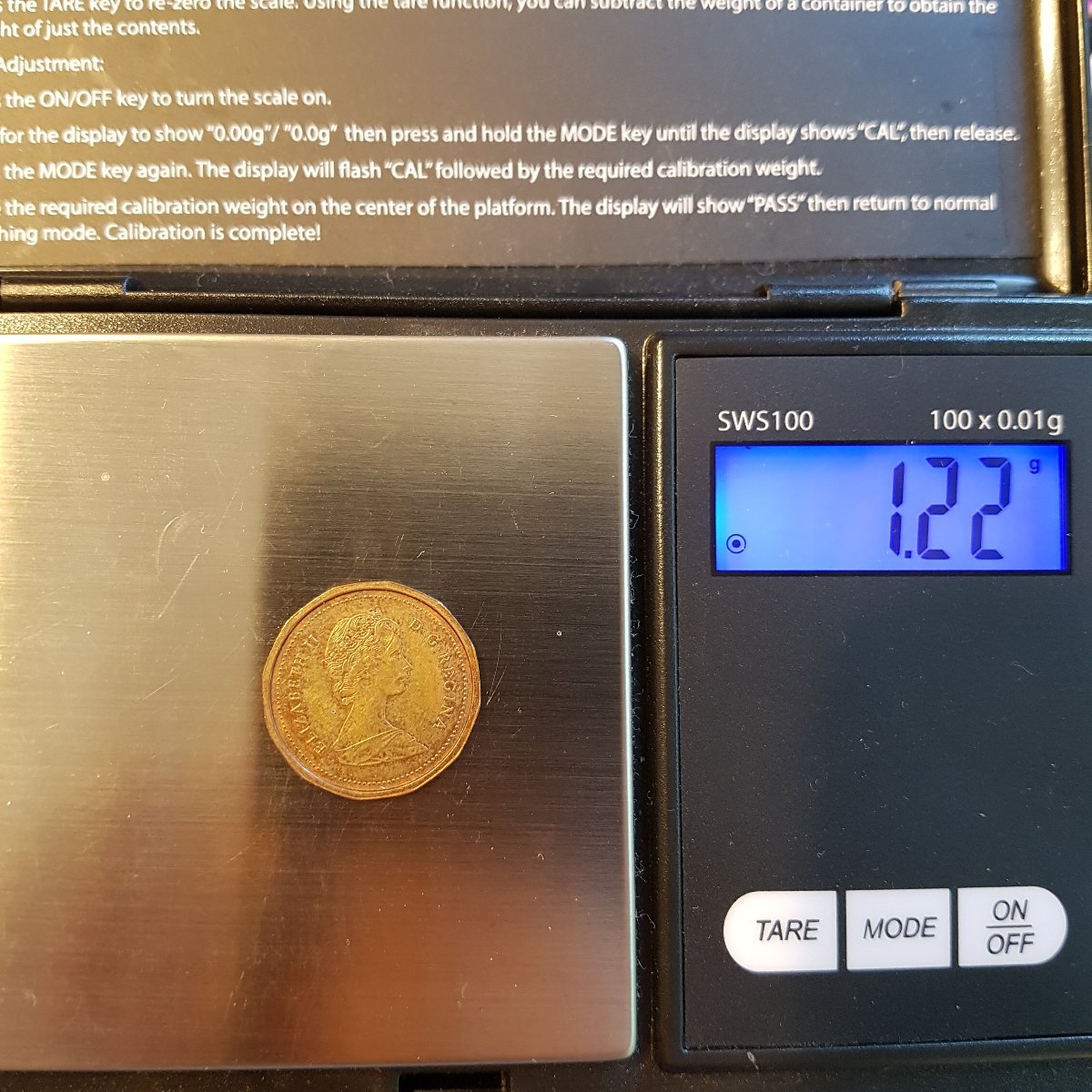 edit: added straight on pic and weight pic I have been wondering if anyone can identify the difference between a "split after strike split planchet" and a "brockage on a split before strike split planchet". can anyone here tell the difference? I have been told by other experts that you can't tell the difference. Edited by robmck1967
09/17/2018 12:29 am
|
|
Pillar of the Community
United States
4846 Posts |
Judging by error ref, it seems like the rim shouldnt be formed for it to be split after striking, you'd also parallel striations on the split side: http://www.error-ref.com/split_plan_after/I was mistaken on the ghost image, but it seems like the ghost image would be on top of the memorial rather than the memorial being on top of Lincoln. I dont know how canadian cents were made, but I wonder if the upsetting process is different maybe? are you absolutely certain that cent isn't also a die cap strike through or uniface strike? Either way, I would trust MikeDiamond's opinion on this, he's one of the best experts in the error field. Edited by Adam_E
09/16/2018 11:40 pm
|
|
Pillar of the Community
United States
2775 Posts |
robmck1967, the second image at that angle is nice, but another image straight on may aid a bit more. Also the weight may answer some of your questions as well. Thanks, Doug.
|
|
Pillar of the Community
Canada
872 Posts |
added requested pics above...
|
|
Pillar of the Community
United States
2376 Posts |
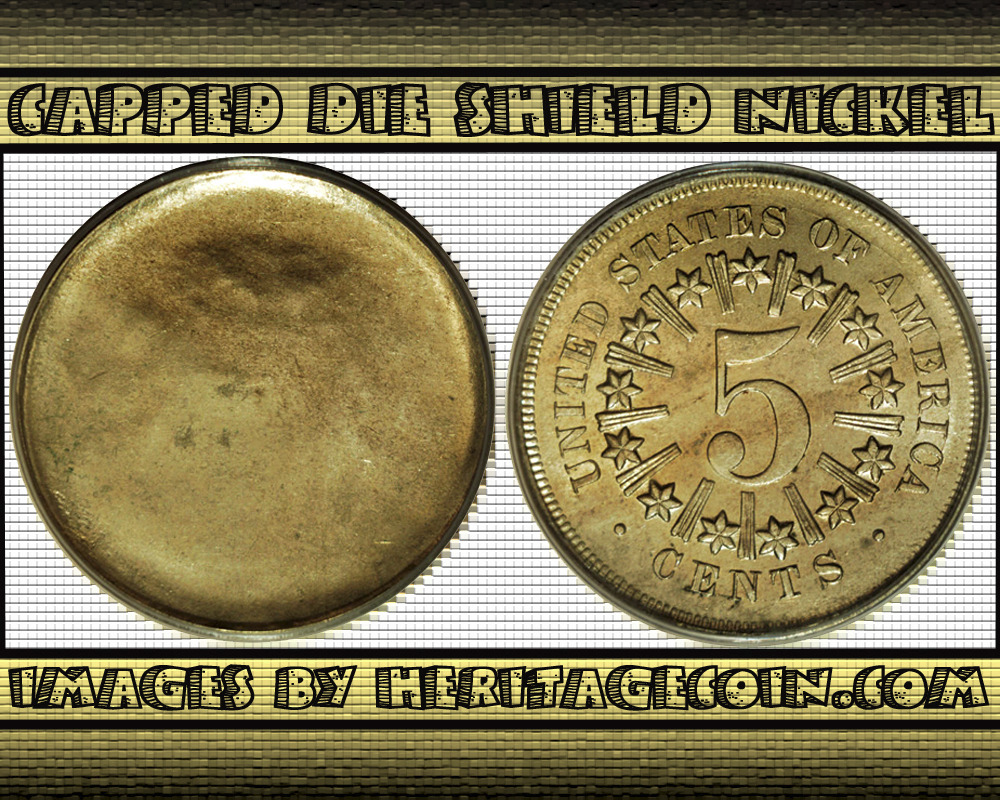
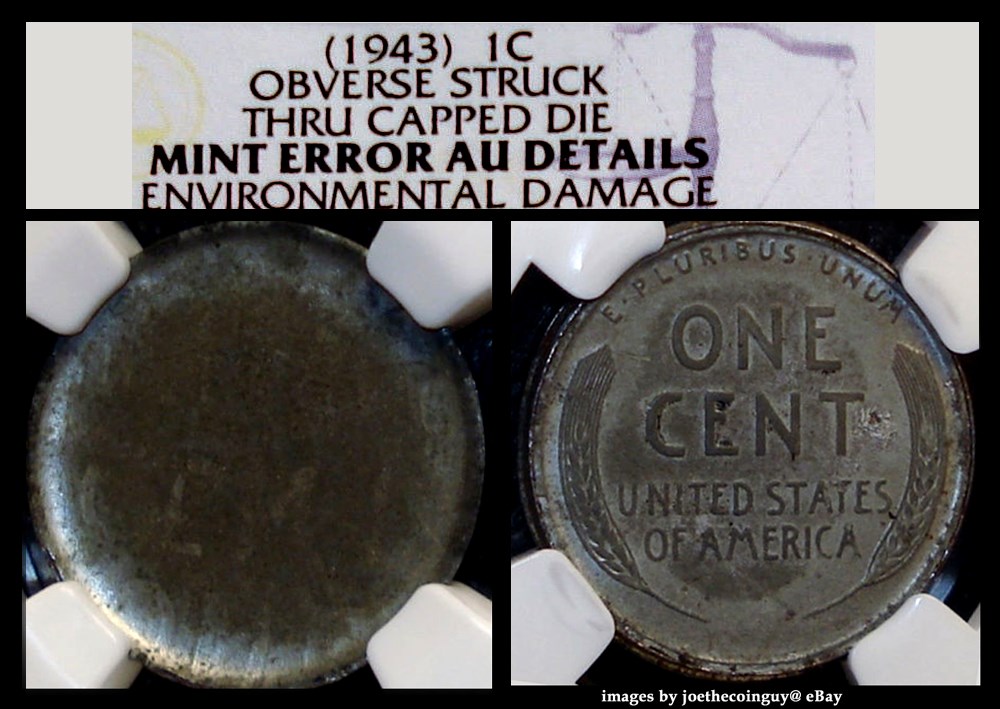
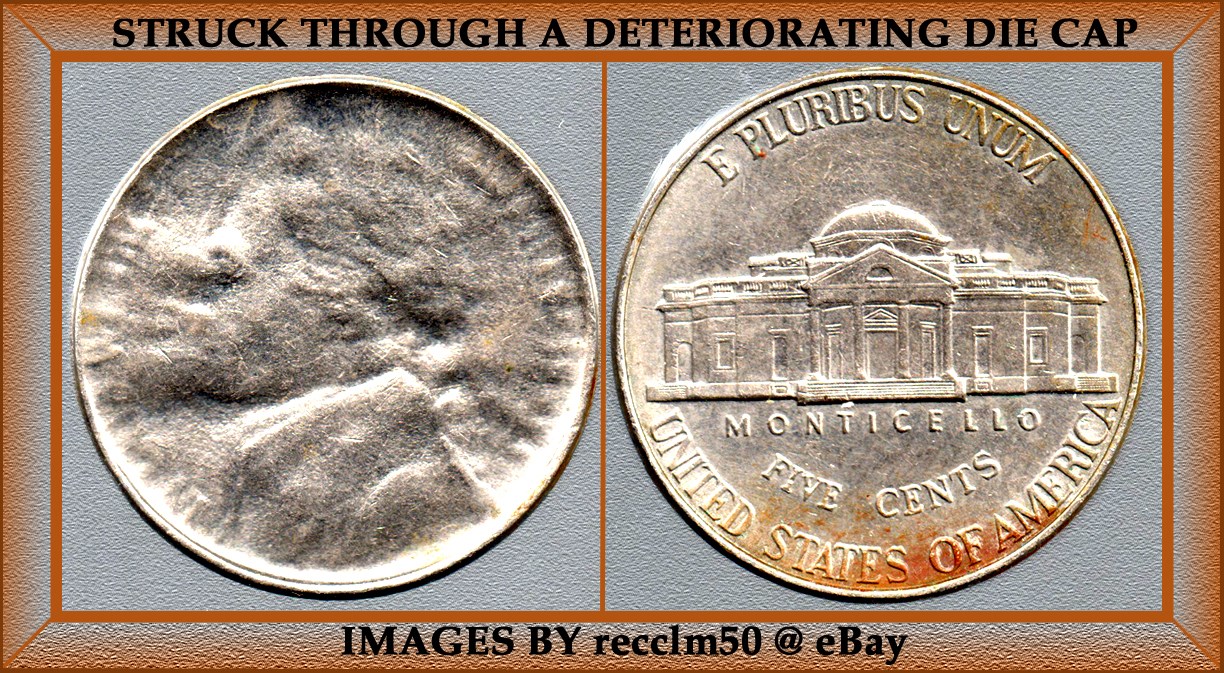
I don't know Canadian coinage but your coin is not what I would expect from a split afterstrike coin. It almost looks like a fairly early capped die strike on a rolled thin planchet(just a guess). A split after strike coin should show the internal structure of the coin metal like the Buffalo nickel in my pic. The cent on the left was split before strike.  Edited by stoneman227
09/17/2018 7:15 pm
|
|
Bedrock of the Community
United States
62064 Posts |
|
|
Pillar of the Community
United States
2775 Posts |
robmck1967, Will say it seems to be a similar scenario to the original US cent topic in question. Quote:
I am curious why no one thinks this is a split planchet, split after strike. After strike split generally has a different or rough texture in appearance. Underlying evidence or devices are typically visible. Under weight and struck through a potential die cap. Question remains split before strike or on rolled thin stock? I have no current reference to check against for foreign coinage produced from the RCM during this time period. Maybe wrong, but thinking 2.5grams would be the normal weight for this coins era. Unsure which die is typically the hammer or anvil. Also if beads are near or far. I'm guessing the later. I see more learning needed I my future. Thanks, Doug. 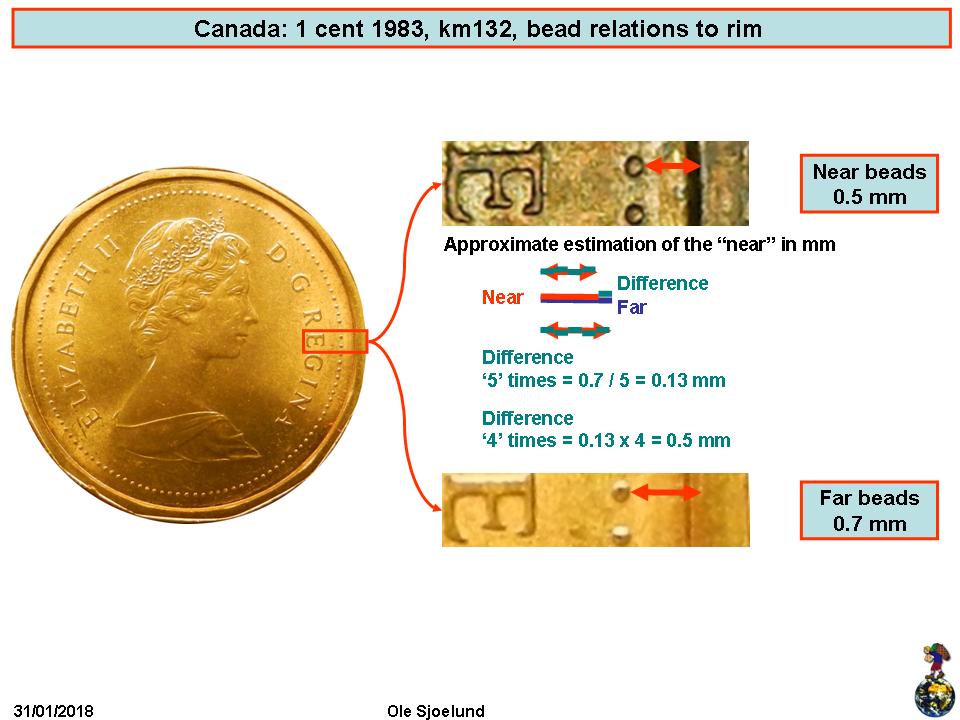 Edited by Halo1st
09/17/2018 11:25 pm
|
|
Bedrock of the Community
United States
17884 Posts |
Quote:
The weight again suggest rolled thin or punched from wrong stock. If struck through a die cap, could that counter the signs of a split planchet before strike? I would say no, because if it was split pre-strike it is already considerably thinner than normal. The amount of material covering the face of the late stage capped die is also very thin. Overall there is much less material between the die faces than on a regular strike so the striking pressure will be lower than normal. That lower than normal strike pressure would be unable to wipe out the evidence of the rough face of a split before strike planchet. |
|
Pillar of the Community
Canada
872 Posts |
please check out this post on my split planchet collection. it is relevant to this post, especially after Halo1st comments above. http://goccf.com/t/330437 |
|
Pillar of the Community
United States
7598 Posts |
Thanks for sharing interesting post robmock1967,
|
|
Page 3 of 3
|
Replies: 35 / Views: 4,336 |
Page 3 of 3
|







 First Page
 Previous Page

 Posted 08/28/2018 8:13 pm