| Author |
 Replies: 16 / Views: 2,513 Replies: 16 / Views: 2,513 |
|
New Member
United States
16 Posts |
|
|
|
|
Moderator
 United States
56855 Posts |
All look like post mint damage, PSD to me. John1  |
|
Pillar of the Community
United States
1609 Posts |
|
|
Bedrock of the Community
United States
12437 Posts |
There is no doubt whatsoever that your coins simply damaged. There is nothing in the minting process which could produce burn marks on a coin.
|
|
New Member
 United States
16 Posts |
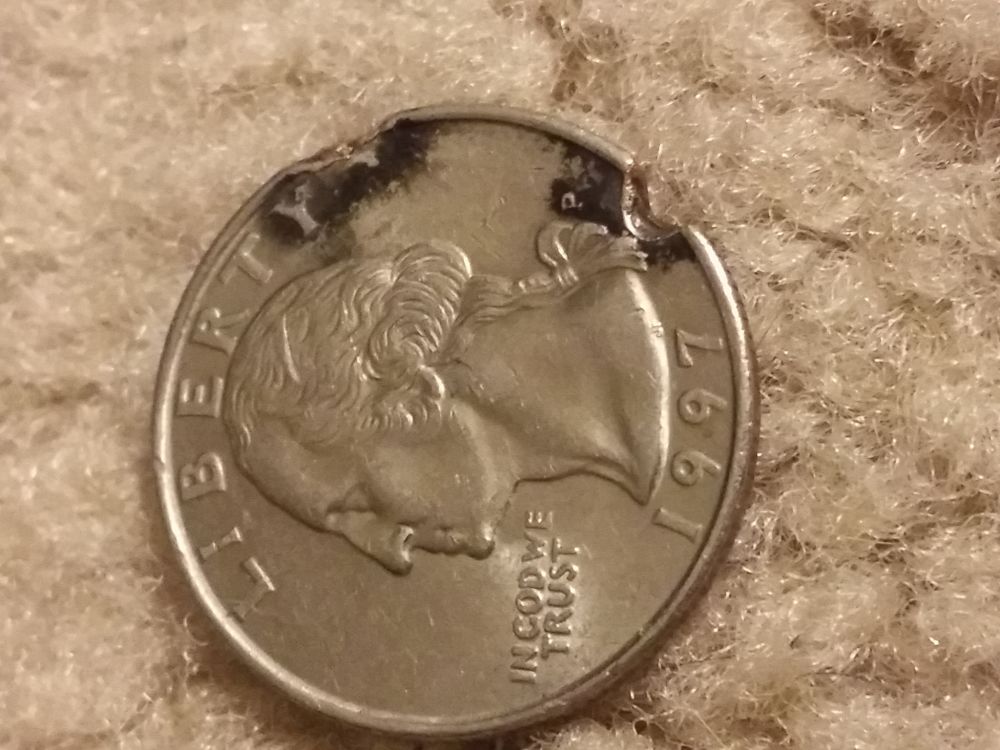
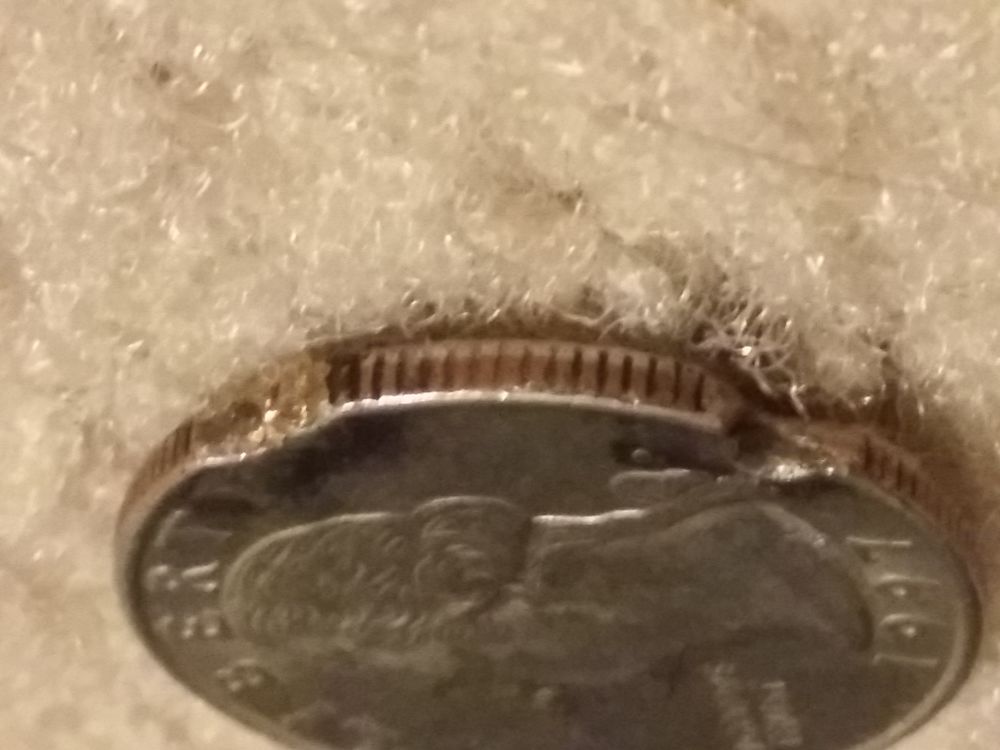
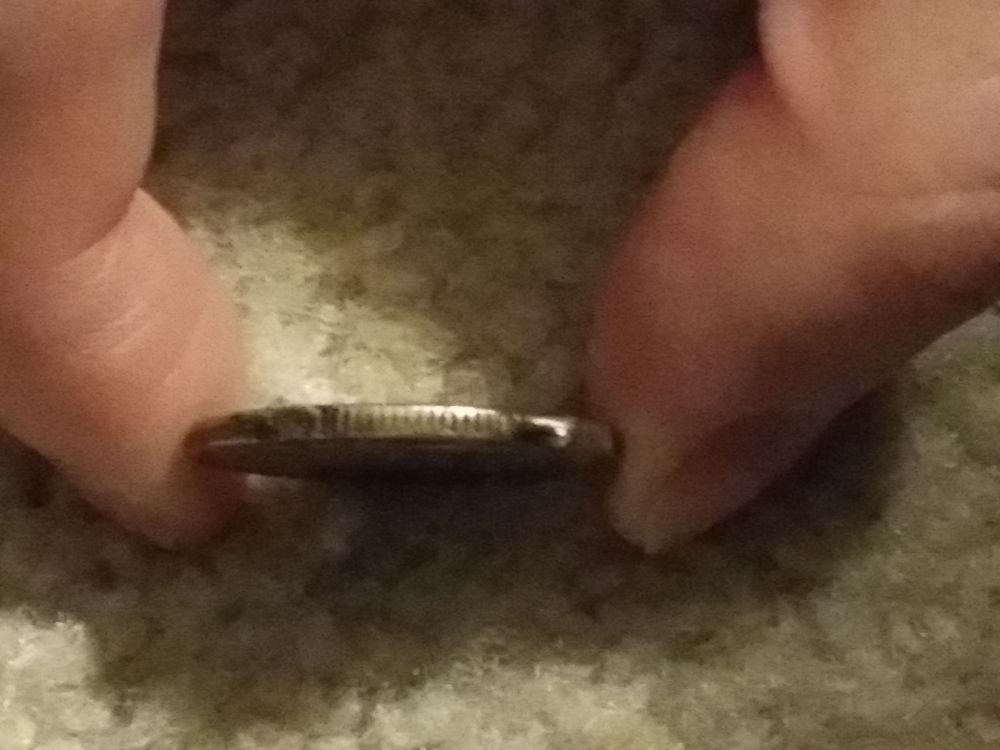
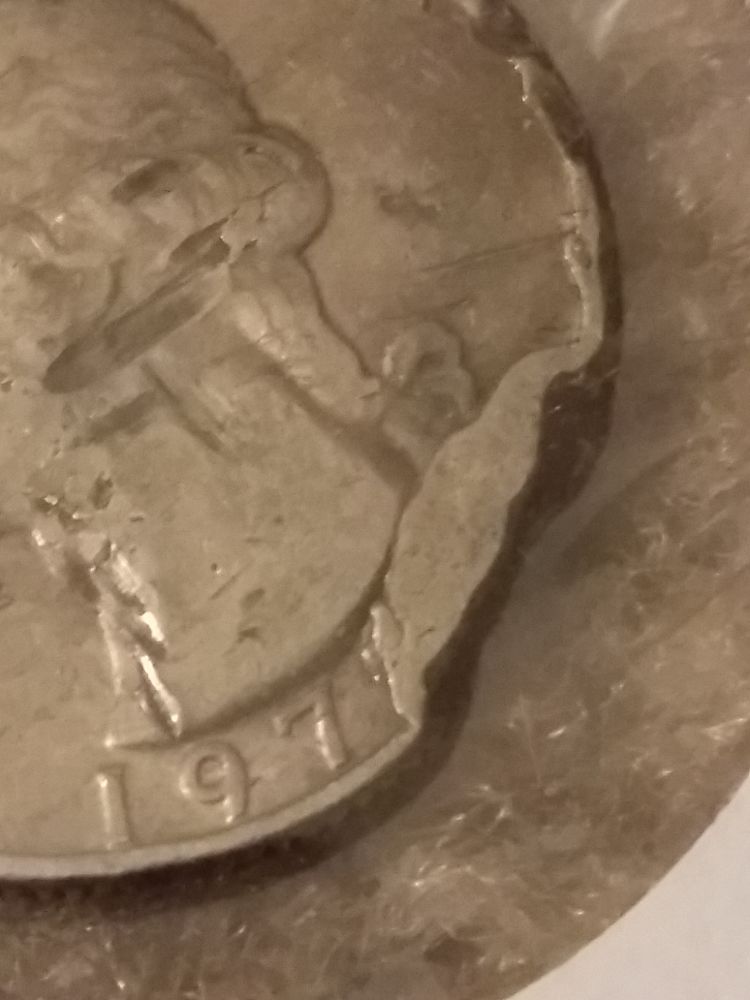
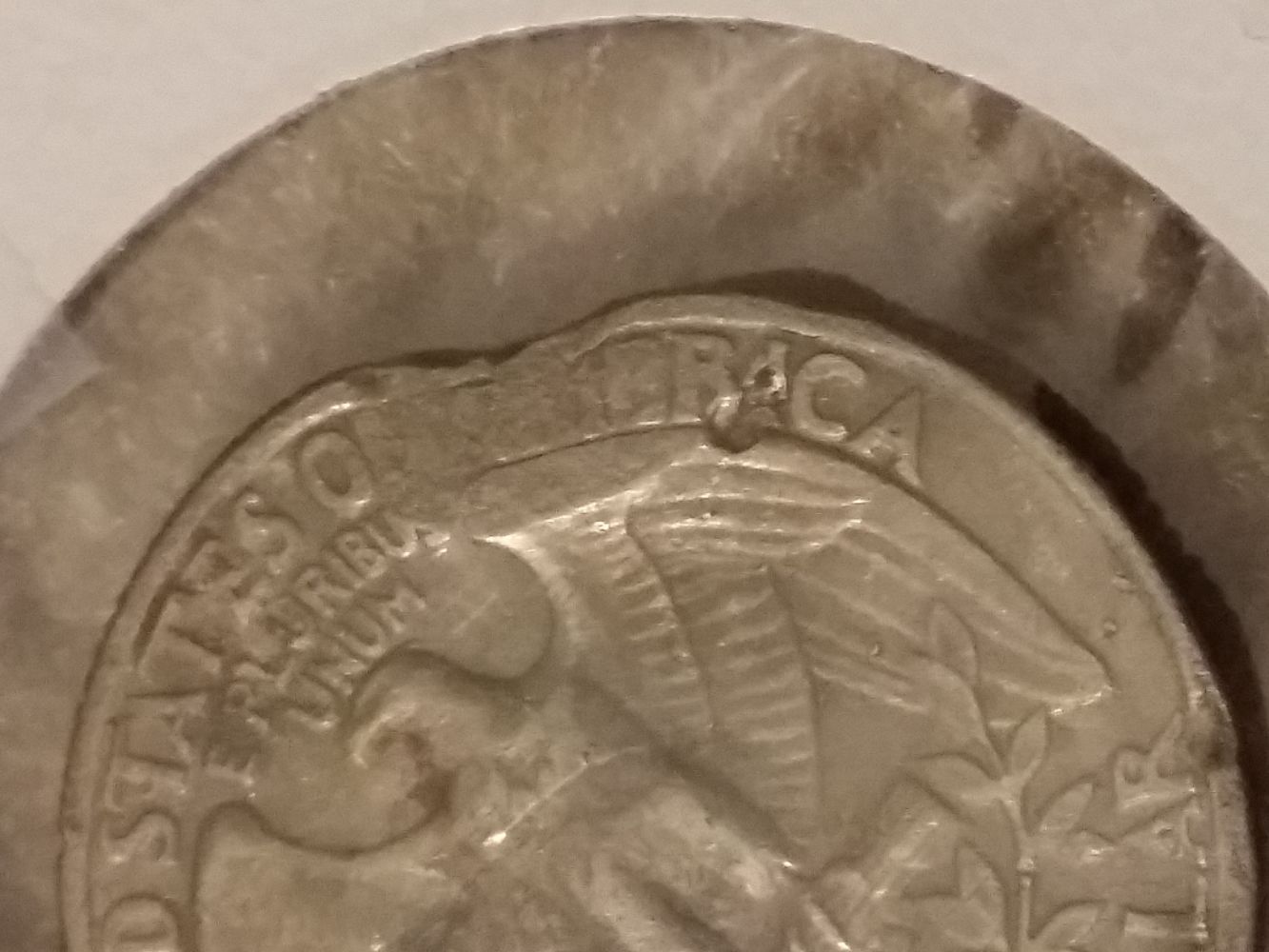
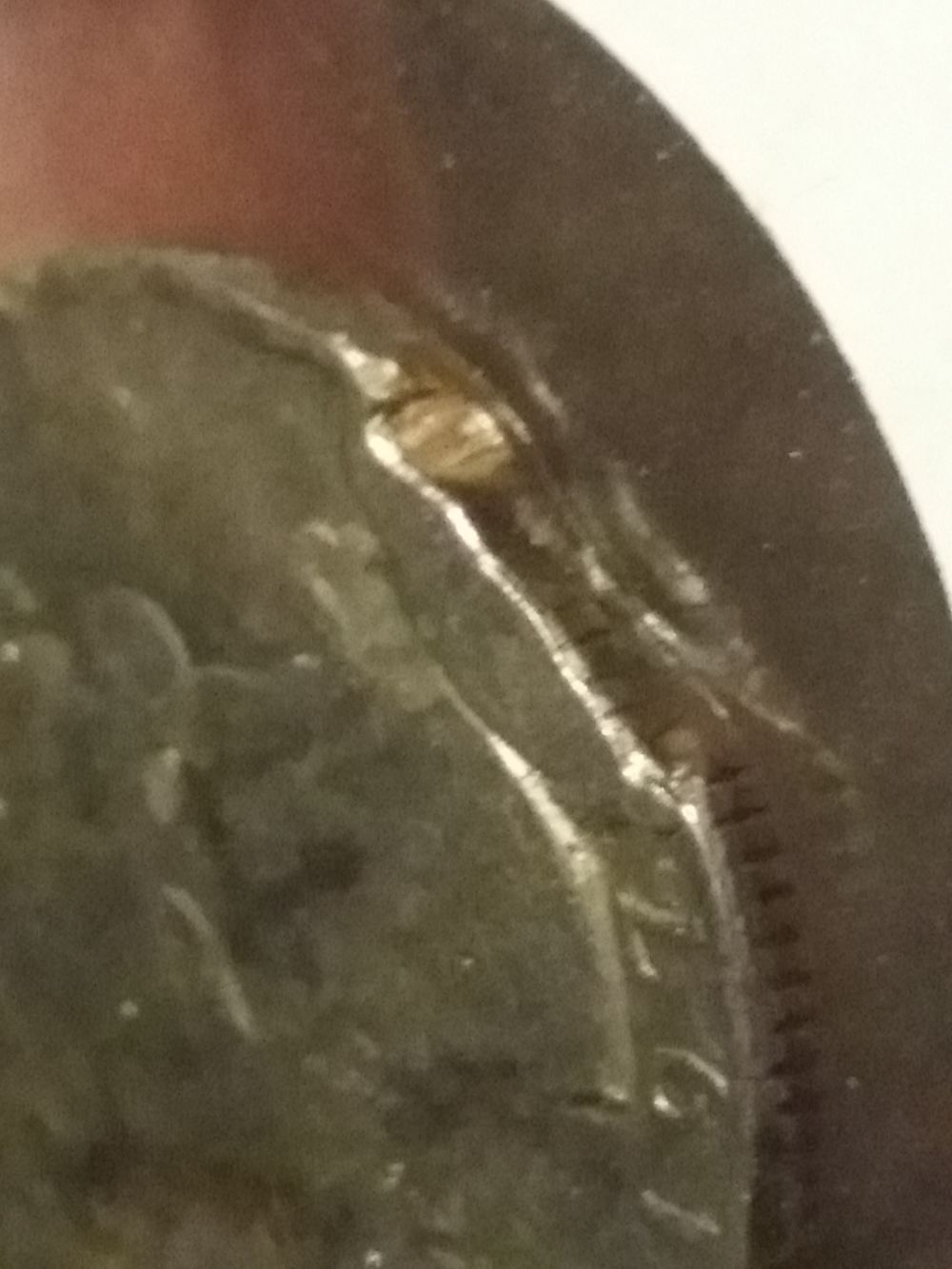
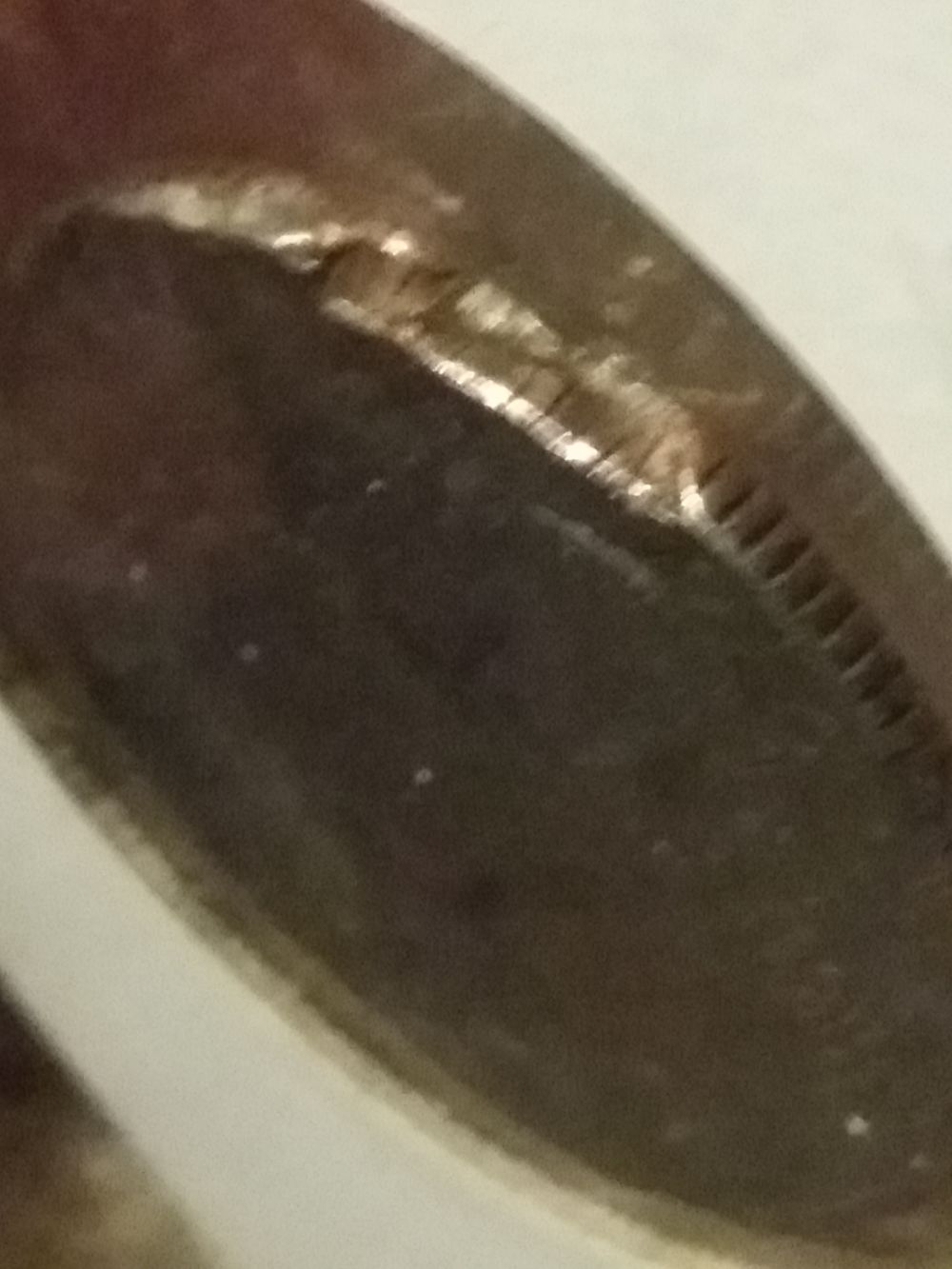
Well I certainly can see why the first quarter would be PMD. But what sort of PMD would cause the second? The rim is still present despite being deformed, along with the reeding still intact. If it were smashed I would think it would flatten the reed. At least I've seen that in every rim - damaged coin. Edited by Mx888w
05/05/2016 1:43 pm
|
|
Bedrock of the Community
United States
12437 Posts |
It is mangled and mutilated. The damage occurred after it was struck so it makes perfect sense that damaged reeding would still be visible on the edge. There are a very small number of legitimate errors that could be mistaken for PMD. In the vast majority of cases, if it looks like PMD then it will most likely be PMD. |
|
New Member
United States
16 Posts |
Plenty of mint errors involve mangled appearances. In most cases in which a coin is mangled through damage it involves the metal being pushed upwards. This one lacks that and the area that's mangled is simply missing part of it. A reed wouldn't be present with damage that involved the metal being completely broken off or smashed in. In fact, I have never once seen a mangled coin with the "damaged" part reeded.
Of course I always walk in with a bit of doubt, I don't assume it's always damaged.
|
|
New Member
United States
16 Posts |
P.S. I forgot to mention that the opposite ends exhibits the blakesley effect, I forgot about that. I did some research and apparently "defective planchets" occur in a similar way as lamination errors.
|
|
Pillar of the Community
United States
2189 Posts |
Both coins are 100% damage. There's a million ways a coin can be damaged once it leaves the Mint but there's only a set number of way's an error or a variety can occur during the Minting process. The only way to know how your coins were damaged is ask the person that did it
|
|
New Member
United States
16 Posts |
|
|
Pillar of the Community
United States
2775 Posts |
2nd coin first. Stop and think about the reeds. The collar (3rd die), which is round made that happen when the coin was struck. Suggesting the coin came out of the press in a round shape.
If the planchet was broken or damaged prior to being struck the reeds wouldn't exist in the damaged area.
The side opposite is further proof that for every action there is opposite reaction. I call it BFT (blunt force trauma).
1st coin second seems like an electrical arc maybe. Thanks, Doug.
|
|
Pillar of the Community
United States
2189 Posts |
Quote:
jasper62 keep reading  |
|
Pillar of the Community
United States
4963 Posts |
Let me clarify what the Blakesley effect is. On a coin exhibiting this, that side of the coin will not be deformed like yours, only the rim will be affected. Here's a very severe example. 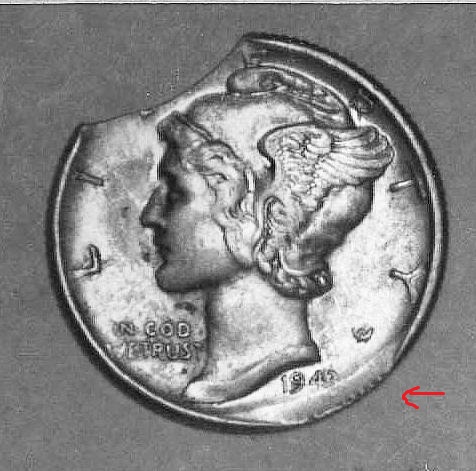 |
|
New Member
United States
16 Posts |
Numisma, yes that's what I meant, sorry for not clarifying. It is opposite the side of the deformity. I do see the likelihood now that this is probably damage. It really makes me wonder how though it could be so badly smashed in, yet retain the reed, as I've seen many mangled coins like this but the reed was smoothed out just like the laws of physics should do.
Edited by Mx888w
05/05/2016 9:49 pm
|
|
Pillar of the Community
United States
4963 Posts |
Sorry if I didn't make myself clear- if you're talking about this area, 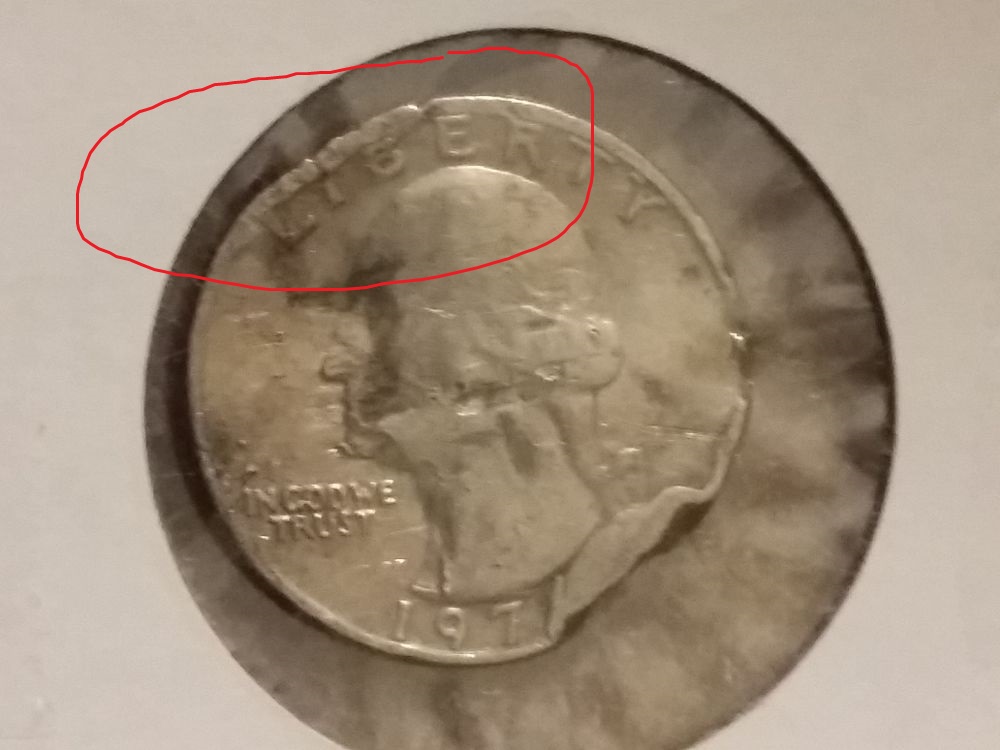 That's what I'm saying is not the Blakesley effect. You can see that the coin is not quite circular in that area like it should be, and you can also see that the B in LIBERTY is sort of compressed, indicating that the coin is damaged. Also, the fact that the reeds are still visible supports what we're saying. If you just hit the coin with something on the edge, you're not going to completely obliterate the reeds. Like others have said, the reeds had to have been formed by the collar, so the planchet was complete when it was struck. As with the B in Liberty, you can see that the design elements in that area (notably on the reverse) were distorted by the damage, and the metal was pushed up on both sides. Edited by Numisma
05/05/2016 11:46 pm
|
|
New Member
United States
16 Posts |
Ok that makes sense, I'll just spend it then  |
| |
Replies: 16 / Views: 2,513 |







 Posted 05/05/2016 07:58 am





