| Author |
 Replies: 12 / Views: 1,514 Replies: 12 / Views: 1,514 |
|
|
Bedrock of the Community
United States
20026 Posts |
I chopped a few images from ha.com, all PCGS graded to illustrate the differences in the Fine grades. These are ONLY the coin reverses, as in the fine grade, it's the easiest way to estimate a Lincoln. If you'd like to learn to grade Lincolns, I suggest spending some time on ha.com looking at the excellent images they have. You can closely inspect coins graded by the 3 major TPG's. I have many, many hours logged there, it helped me greatly to understand how Lincolns are graded. Here's some examples to assist you with the differences in the FINE category. HINT: The differences in Fine are mainly derived using the wheat lines. EDIT: Decided to expand this a little with a great VG8 example: PGGS VG8: Note lines visable, but less than 50%.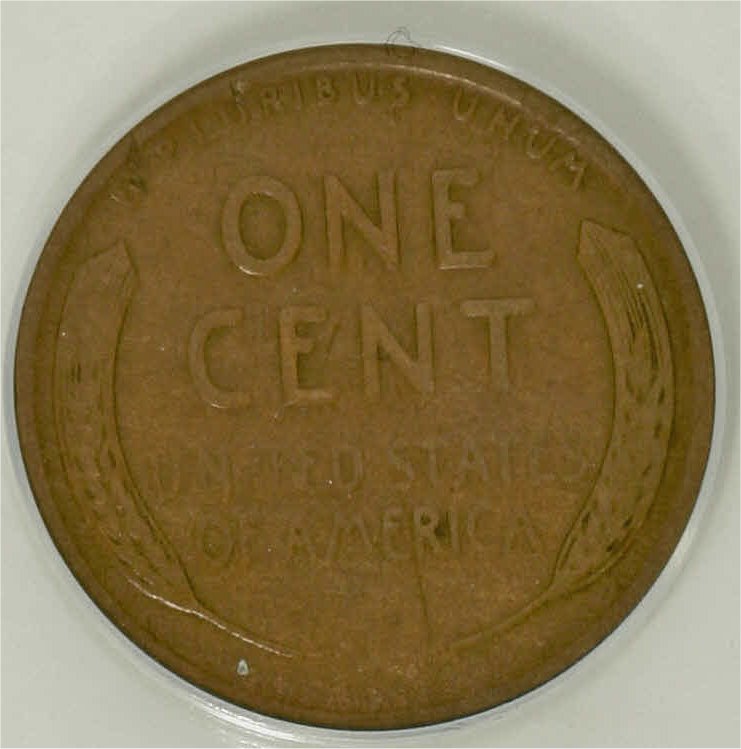 PCGS F12: Note that you can clearly see 50-80% of the lines. But there are definate rubs. PCGS F12: Note that you can clearly see 50-80% of the lines. But there are definate rubs.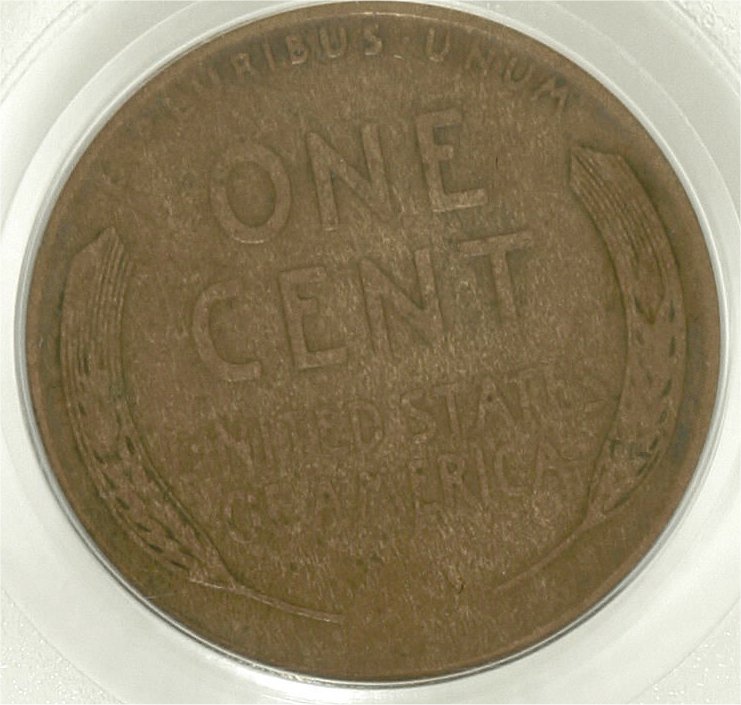 PCGS VF20: Note that you can see the majority of the lines, but there may be a slight rub here and there. PCGS VF20: Note that you can see the majority of the lines, but there may be a slight rub here and there.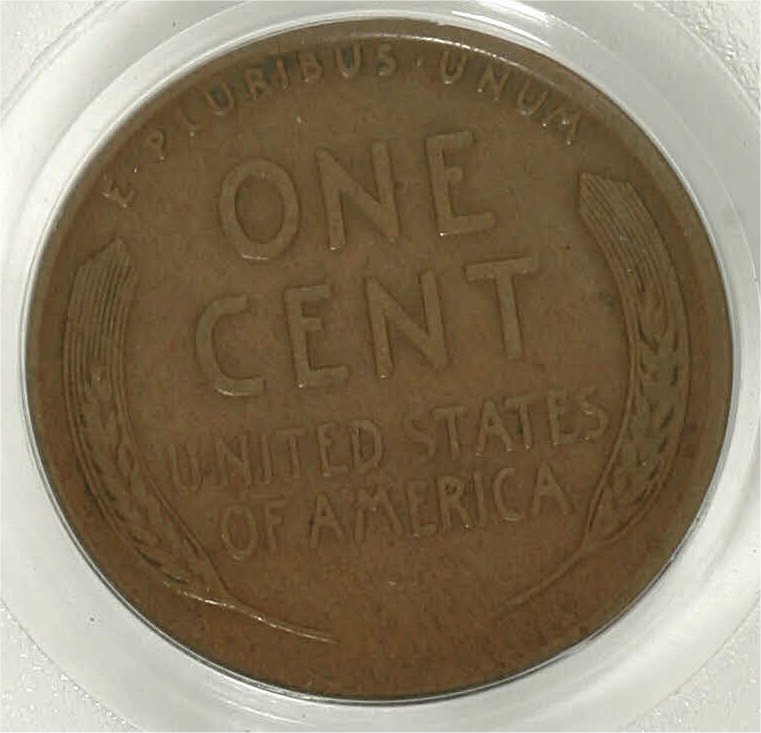 PCGS XF40: Note the lines are ever so slightly worn, but there are no rubs. PCGS XF40: Note the lines are ever so slightly worn, but there are no rubs.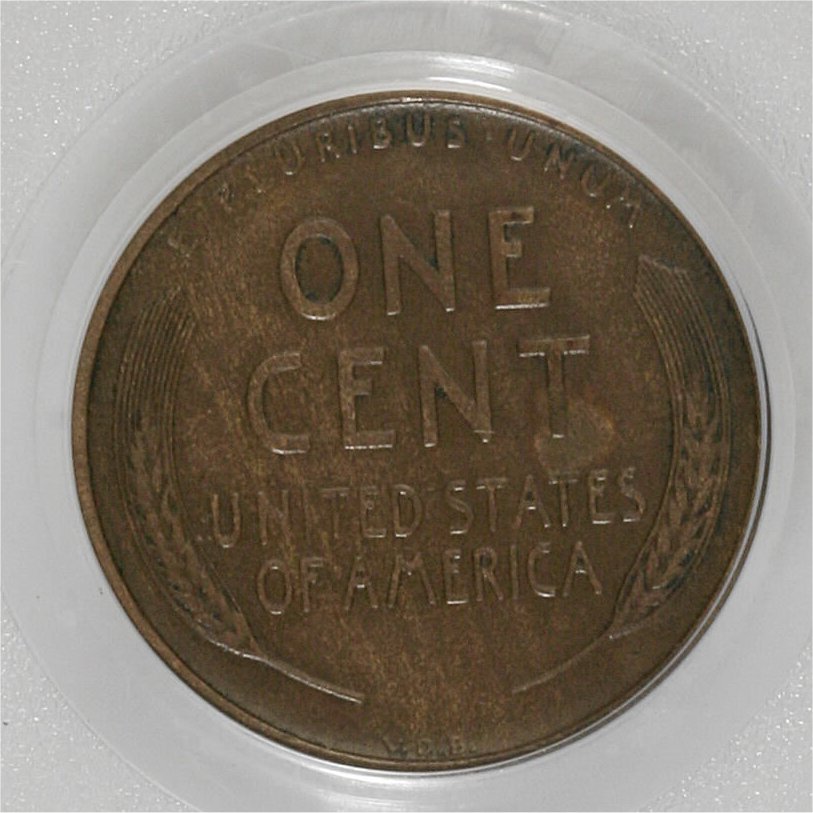 Edited by BadThad
03/28/2008 10:53 am
|
|
|
|
Valued Member
United States
392 Posts |
great info thanks alot will really help with grading
|
|
Pillar of the Community
United States
5318 Posts |
This is a great guide--thanks!  |
|
Pillar of the Community
United States
812 Posts |
Excellent info!
I think I've been a bit too conservative in my Lincoln grading.
|
|
Bedrock of the Community
Canada
10743 Posts |
This is really great info, It's going to help a lot in grading my Lincolns.
Thanks for posting Thad
|
|
Pillar of the Community
United States
2600 Posts |
Thanks, Thad, I am bookmarking the page next. time to do more homework.
Jim
|
|
Valued Member
United States
138 Posts |
Excellent info. Somewhere I read once that in order to be F12, you needed all wheat lines. Clearly, that is not the case and I have been a little to conservative. I checked out HA last night. Good examples/pictures/etc.
Thanks
|
|
Bedrock of the Community
 United States
20026 Posts |
Bump because this came up once again....someday I'm going to create a page or two on my website for this.
|
|
Pillar of the Community
United States
1179 Posts |
Excellent thread Thad..
This might be a silly question, but I'm here for a reason "to learn". As far as the lines go, are you looking at the top lines that point up, or the lines that form the shape of the seeds or whatever on the stalks? I always wondered, now this has to be answered :)
Thanks
|
|
Bedrock of the Community
United States
20026 Posts |
Not a silly question, never be afraid to ask, that's how I learned myself....that and a LOT of reading.
The "lines" are at the top of the stalk. However, if you notice, the wheat grains (seeds) also wear pretty much at the same rate as the lines. As the grade increases, they also become more defined. You have be a bit careful just using the grains however. That is one area of the die that seems very suseptible to die wear. I've seen quite a few MS coins where the grains look "mushy", but they are not worn. That's why most Lincoln collectors pay particularly close attention to the lines.
|
|
Valued Member
United States
336 Posts |
sorry I grade by the old standards fine has all the wheat lines and for xf you need the point on the bow tie.both front and back are the same.
|
|
Pillar of the Community
United States
1934 Posts |
I dont agree that VF20 is a VF20...even for VG, full rims are nearly always required.
|
|
Pillar of the Community
United States
1934 Posts |
p.s. Especially on Lincoln Cents and Nickels. Silver gets more latitude.
|
| |
Replies: 12 / Views: 1,514 |
|







 Posted 03/27/2008 11:52 pm





