| Author |
 Replies: 10 / Views: 4,816 Replies: 10 / Views: 4,816 |
|
|
Valued Member
Canada
122 Posts |
Hello guys sorry for not being too active. The March article is out and it is about the history and 6 varieties of the most numerous Chinese silver dollar- the 1927 Memento Dollar. Link: https://atozworldcoins.com/1927-memento-dollar-new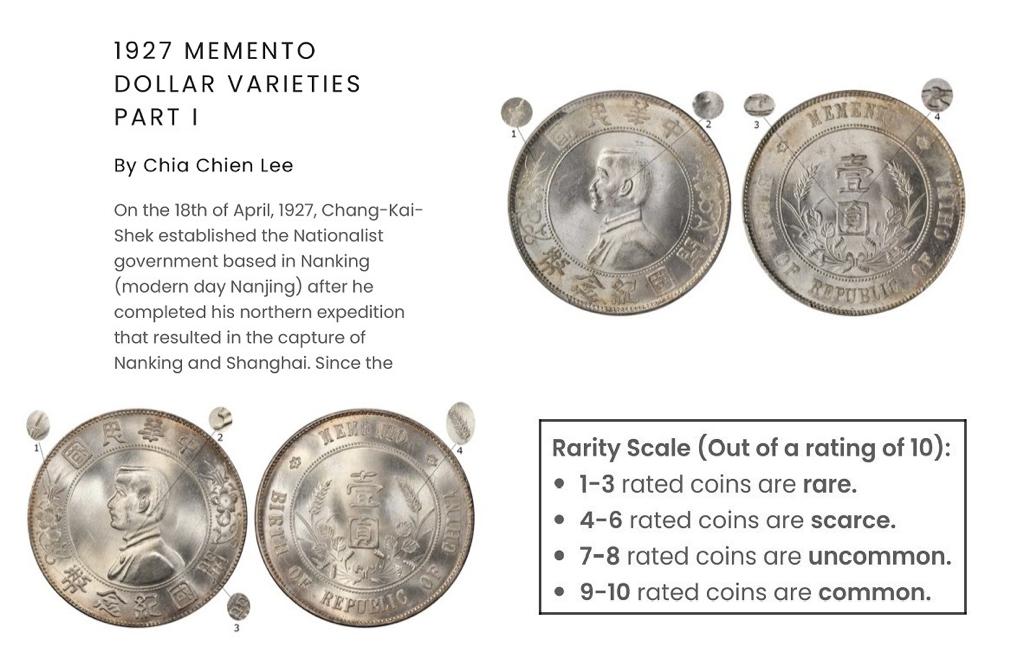 If possible please provide me with feedback and if any of you have any questions about Chinese coins please let me know. Edited by CurrencyLooker
03/19/2022 4:42 pm
|
|
|
|
Pillar of the Community
United States
1915 Posts |
I have a question about a different Chinese coin.
I think I know, but want to confirm.
Regarding Fatman coinage:
Are there any legitimate coins of any denomination that would have the Year 10 in the upper obverse legend having only 6 characters?
I see a questionable coin on this forum, and my understanding is that Fatman coinage with the Year 10 would only be in a legend having 7 characters, but not six.
|
|
Valued Member
 Canada
122 Posts |
Quote:
I have a question about a different Chinese coin.
I think I know, but want to confirm.
Regarding Fatman coinage:
Are there any legitimate coins of any denomination that would have the Year 10 in the upper obverse legend having only 6 characters?
I see a questionable coin on this forum, and my understanding is that Fatman coinage with the Year 10 would only be in a legend having 7 characters, but not six. Oh yes you mean the 10 cent 1921? I just made a reply to that but with regards to fatman coinage only year 8, 9, and 10 (1919, 1920, 1921) dollars have 7 characters while year 3 and all other denominations all have 6 characters. However the coin that was posted is a fake and I left a detailed response in that post. Link: http://goccf.com/t/418986&whichpage=3#3601971 |
|
Pillar of the Community
United States
1915 Posts |
Yes I agree and that upper legend was the very first clue as to being non-genuine.
There's always the chance that my reference books may not include a coin here & there.
The coin is just a variation that doesn't look exactly like other fakes I have as well as not being found in my books.
It appears to be very well made.
No different than all the other 10 & 20 cent fakes I have.
|
|
Valued Member
United States
277 Posts |
Great article and thank you for writing it! It was very informal and worth the read.
Just out of curiosity, what are your opinions on the Memento dollars that are labeled as "military issues?"
|
|
Valued Member
Canada
122 Posts |
Quote:
Great article and thank you for writing it! It was very informal and worth the read. Thank you, it really means a lot. Quote:
Just out of curiosity, what are your opinions on the Memento dollars that are labeled as "military issues?" Military issue memento dollars are interesting. Military issue Chinese coin such as fatmans are usually made during the warlord era by powerful provincial warlords to pay for their own troops. However by 1927 the Nationalist's northern expedition has crushed most of the warlords. Based on my current research, these are my ideas as to what created the military issue Memento Dollars: They were made in remote provincial mints to pay for the local troops and to meet the demands of the local economy.This is a likely scenario for the vast majority of the military issue mementos since most are fairly well made. So it is likely that provincial governments commissioned dies based on the design of the central mint's Memento dollar and produced them for soldiers and coinage demand. Since a well payed soldier is a loyal soldier, and a rich economy is a rich base for taxation. -They were made by private mints to meet the demand for coinage in remote areas.This is also a likely scenario for the cruder military issue ones. Since some extremely remote areas would not be rich enough to justify setting up a fully-fledged mint by the governments. Therefore private mints such as goldsmiths and smelters would make dollars that imitate Memento Dollars using hand carved dies to meet the demand for coinage. -They were made by the few remaining warlords as a way to profit and ensure money does not flow out of their area of control.This is a possible scenario, however since most of the warlords by 1927 were eliminated. There are fewer warlords that are capable of or want to make their own silver dollars in a large scale since they can just trade with the central government to get government issued Memento dollars that are high in silver content and have a guaranteed weight. Nevertheless it is still likely especially during times of crisis. In general though, the so called "military issue" Memento Dollars are in most cases more likely to be provincial/private issued for a variety of tasks other than for paying the troops. In addition, most military issue has lower silver purity than the central mint ones and troops are unlikely to accept them as payment. Therefore it is more likely that they were only issued in remote areas as a temporary solution and are redeemable for official strike Memento Dollars once they are available. |
|
Valued Member
United States
277 Posts |
@CurrencyLooker Thank you for the in-depth reply! Looking at PCGS's population reports, it seems that there are many military issues out there for the Memento dollars. I'm curious as to whether some of these issues were made by the Soviets during their guerrilla warfare stage. I've read on a number of Chinese coin websites that the soviets counterfeited Fatman and Memento dollars to use for buying materials outside of their collective soviets, although the primary sources on the topic are for the most part absent, plus the lack of sources available in English (everything I was able to gather up was used via google translate). In your research, have you ever found evidence or people explaining the link between some of these military issues and the Soviets? (Here's one of my sources: http://www.cjiyou.net/html/2021-12/526083.htm)Also, have you ever come across anything that touched on these particular coins discussed in this link in your studies? http://museum.cctv.com/renwen/20091...03548.shtml)Apologize in advance if the links don't work (Chinese-based websites) |
|
Valued Member
Canada
122 Posts |
The links does not work for me for some reason. But I can answer the first question.
Chinese Soviet Fatman and Memento Dollars are exceptionally scarce. However it is not impossible to distinguish them with one of the most reliable methods is the milling of the edge. As these Soviet Chinese made silver dollars are all unique in that the milling are all made through a rolling press after the coins are minted rather than through a mold during the minting process and therefore they have a unique milling on the edge.
As for the history, Chinese Soviets did not start to make Mementos and Fatmans in any significant scale until March 1932 when they captured some dies from Fujian province. The production number at their peak are around a couple thousand a day and the vast majority of them were fatman dollars with a small number of memento dollars issued. The mint was closed in November 1934 due to multiple factors such as the lack of silver and the Nationalist closing in. As a result few survived and are highly desirable although not a lot of effort is made to distinguish them from the normal military issued ones.
|
|
Valued Member
United States
277 Posts |
@CurrencyLooker Thank you for the insight on ways to distinguish between Soviet military dollars and other military dollar versions! My apologize on the links not working. For some reason, Chinese-based websites are always hard to connect to for some reason. 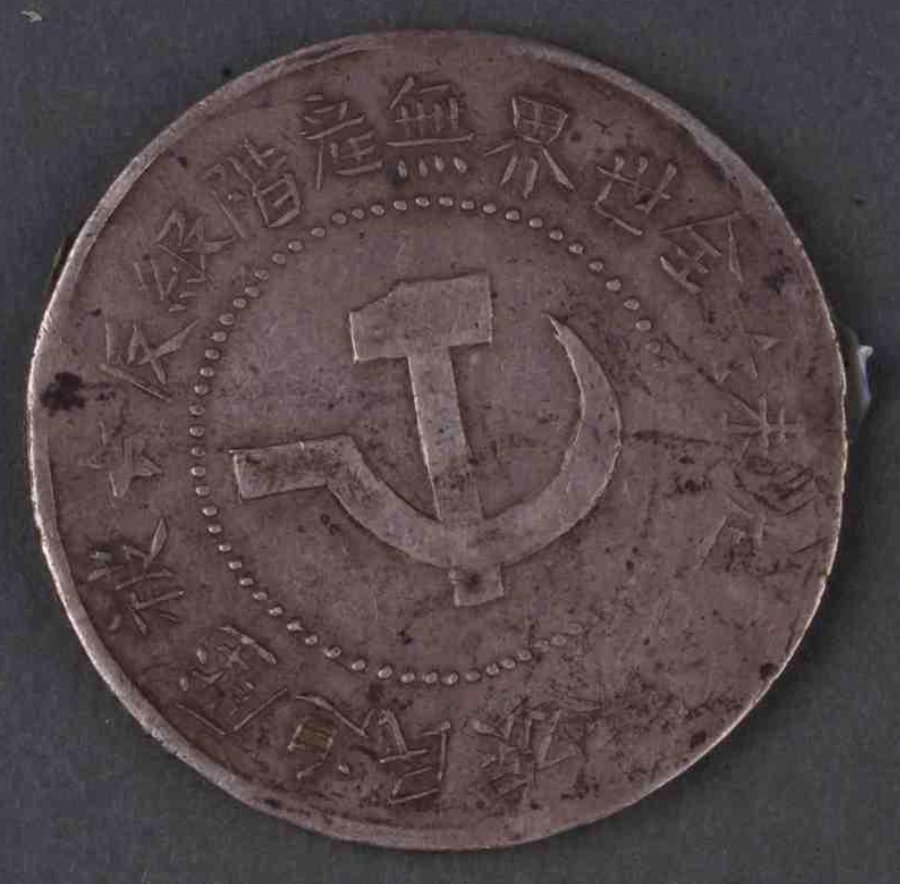 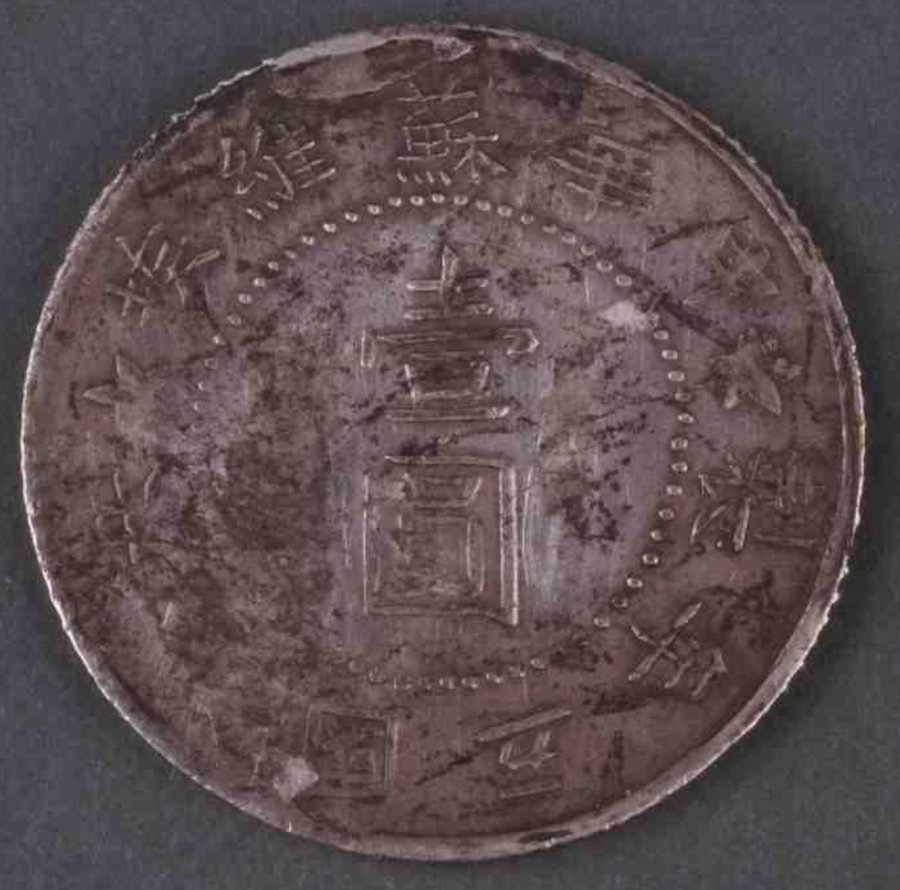 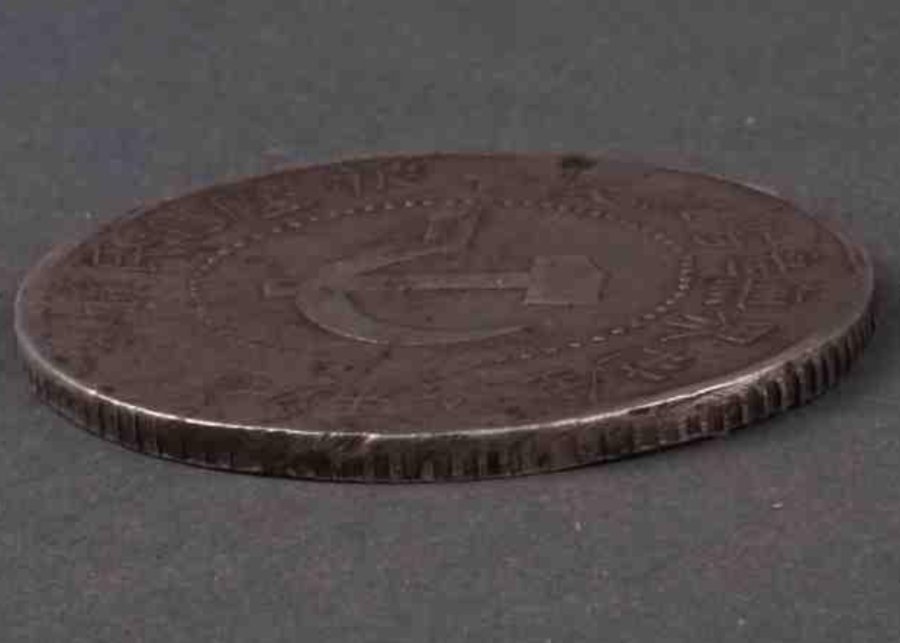 Here are a few images from a North Shensi Soviet silver dollar, which were apparently made in 1936 after the Long March was completed. Is this the typical milled edge that would be found on Soviet-made military issues? How are the milled edges on soviet-made military issues distinct from other warlord-made military issues of that period? Also, what are some of the other ways besides the milled edge are people able to distinguish soviet made issues from warlord issues? For example, on this website ( https://www.dragondollar.com/coins/...et-dollar/), the individual here claims to have a sichuan military dollar from 1912 that was also supposedly counterfeited by the soviets for usage outside their collective societies. 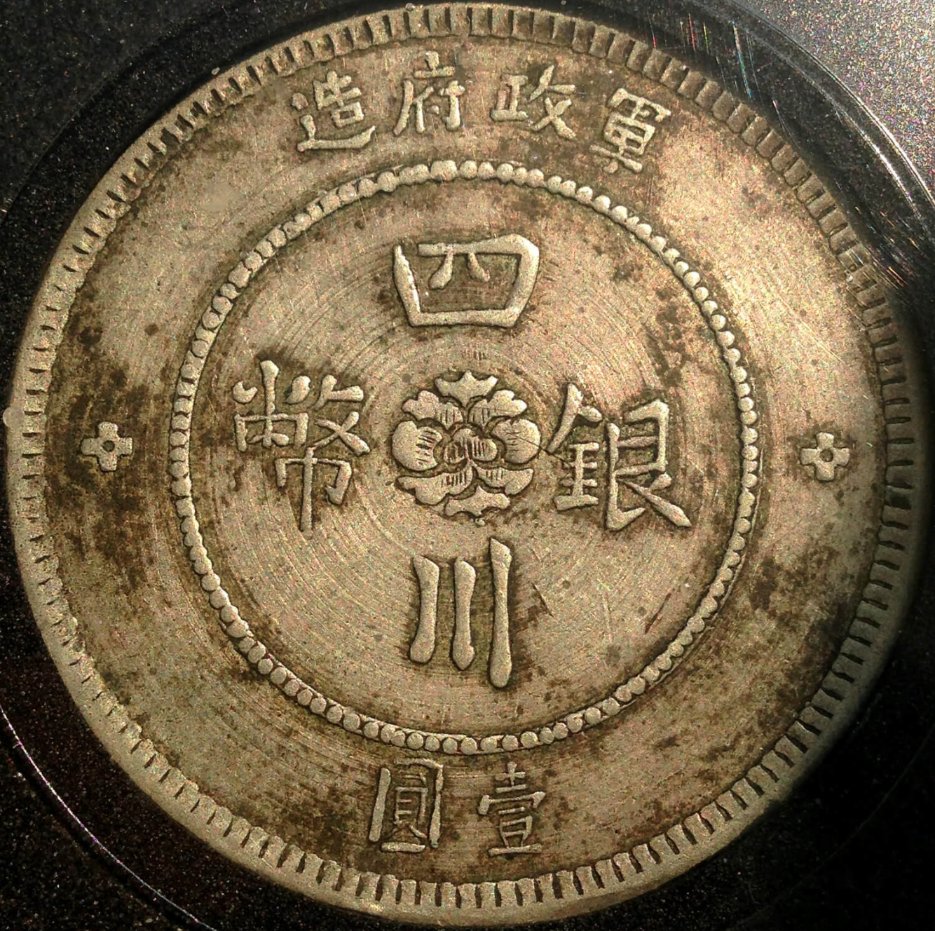 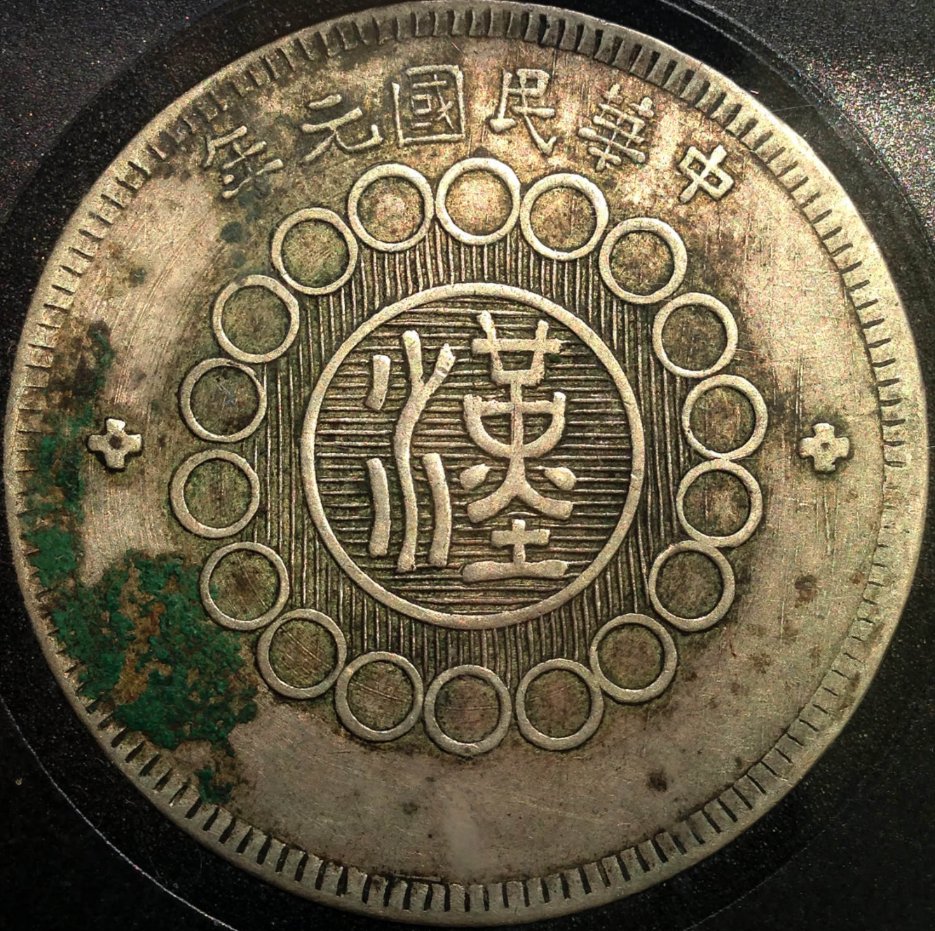 I'm not quite sure how authentic that statement could be, but the justification he/she gives is the concentric rings that are visible within the strike. Here is a sichuan-shanxi soviet silver yuan from 1934 that also displays the concentric rings. 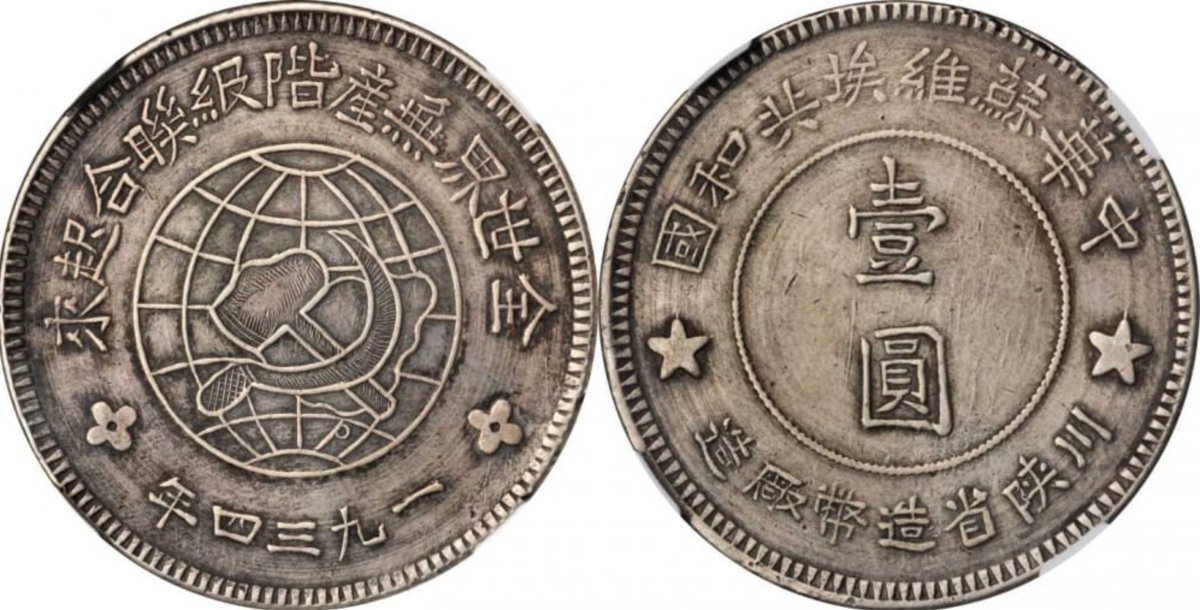 Is this something you've encountered at all from your sources? Thank you for your inputs by the way, I really appreciate it. This area of numismatic study is so understudied in English sources that practically everything on it comes from Chinese sources, which sometimes can be factually questionable! |
|
Valued Member
United States
277 Posts |
Here are a few more photos of other soviet era Chinese coins, including their edge (3rd side). 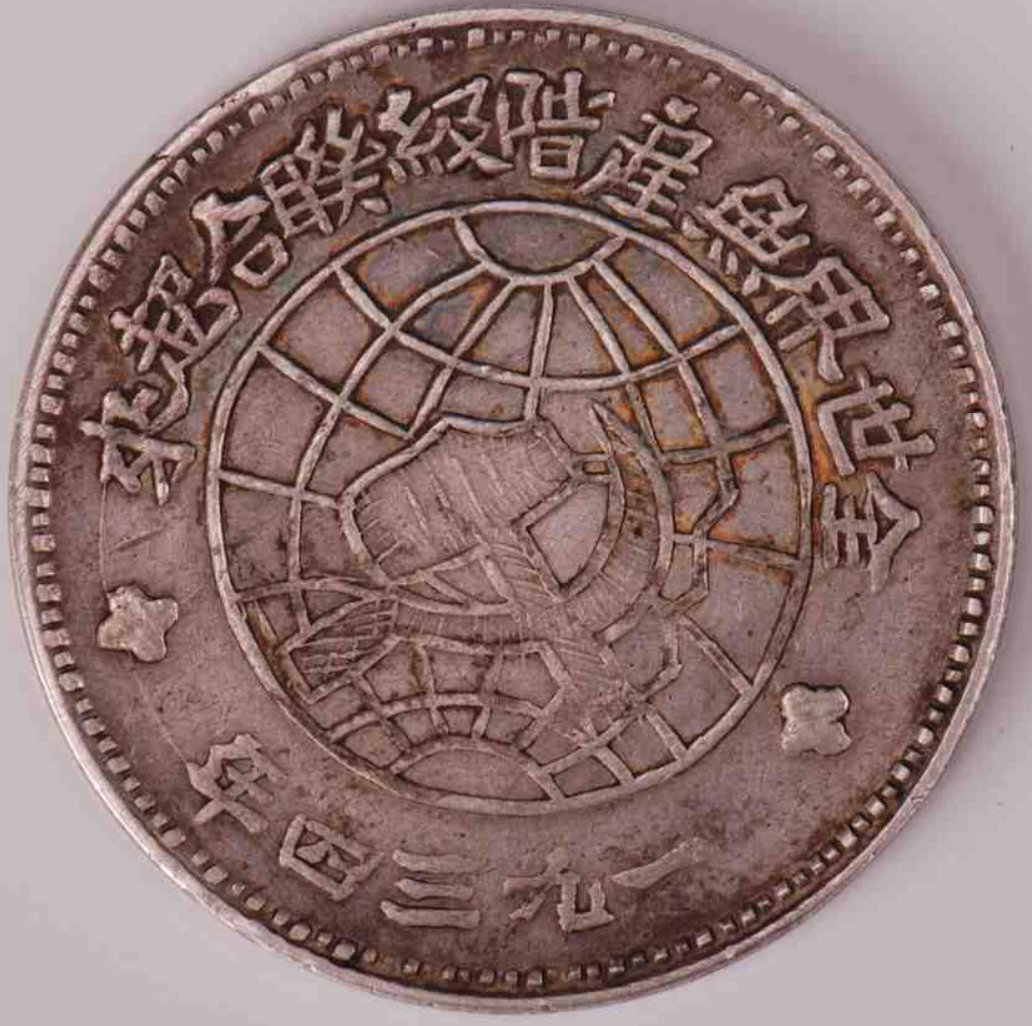 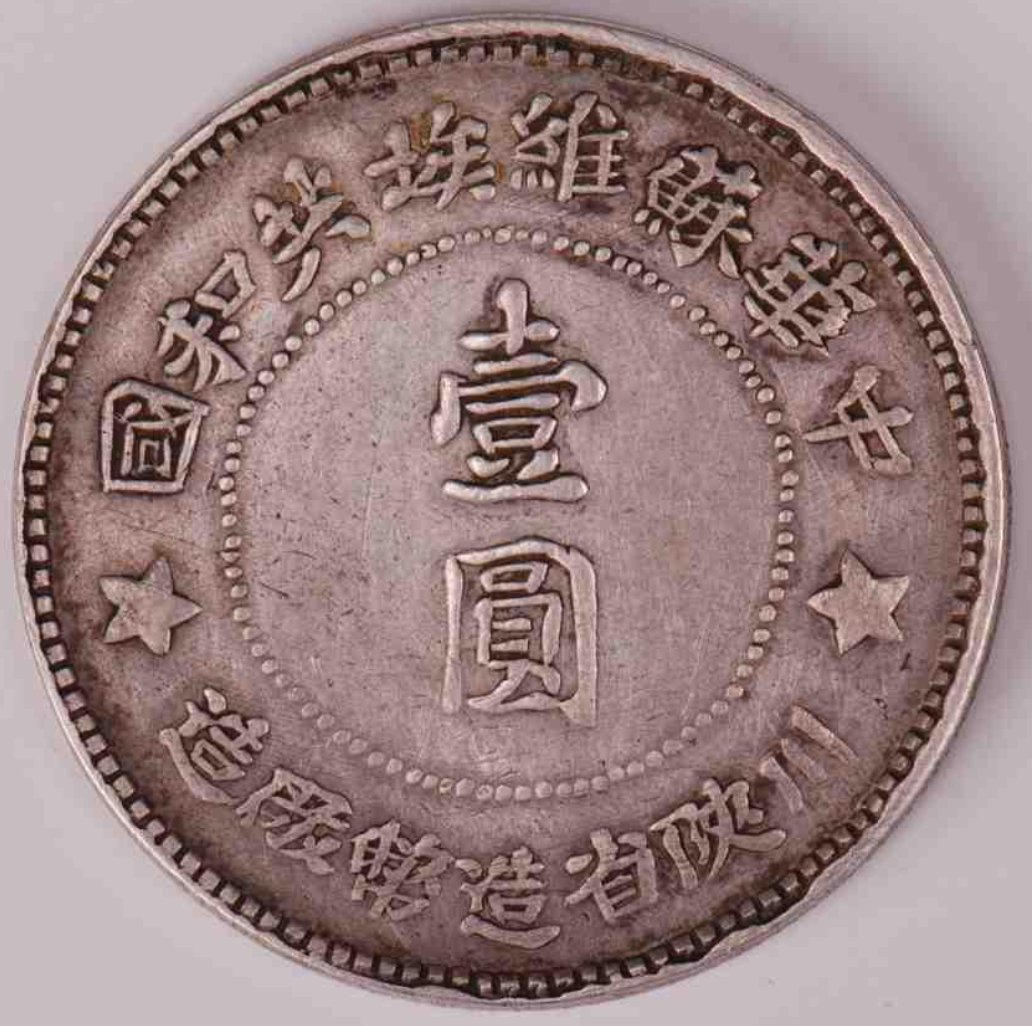 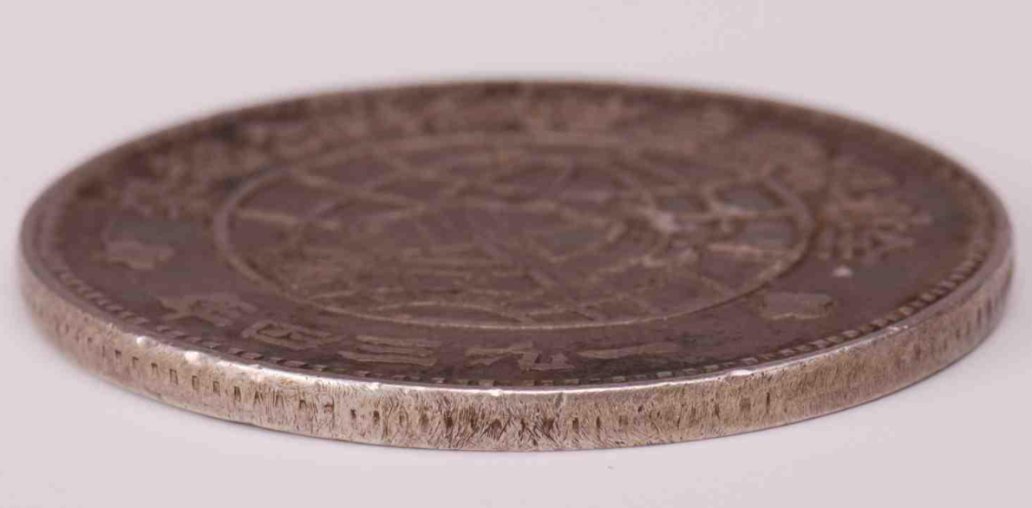 A 1934 Sichuan-Shanxi Soviet Silver Yuan 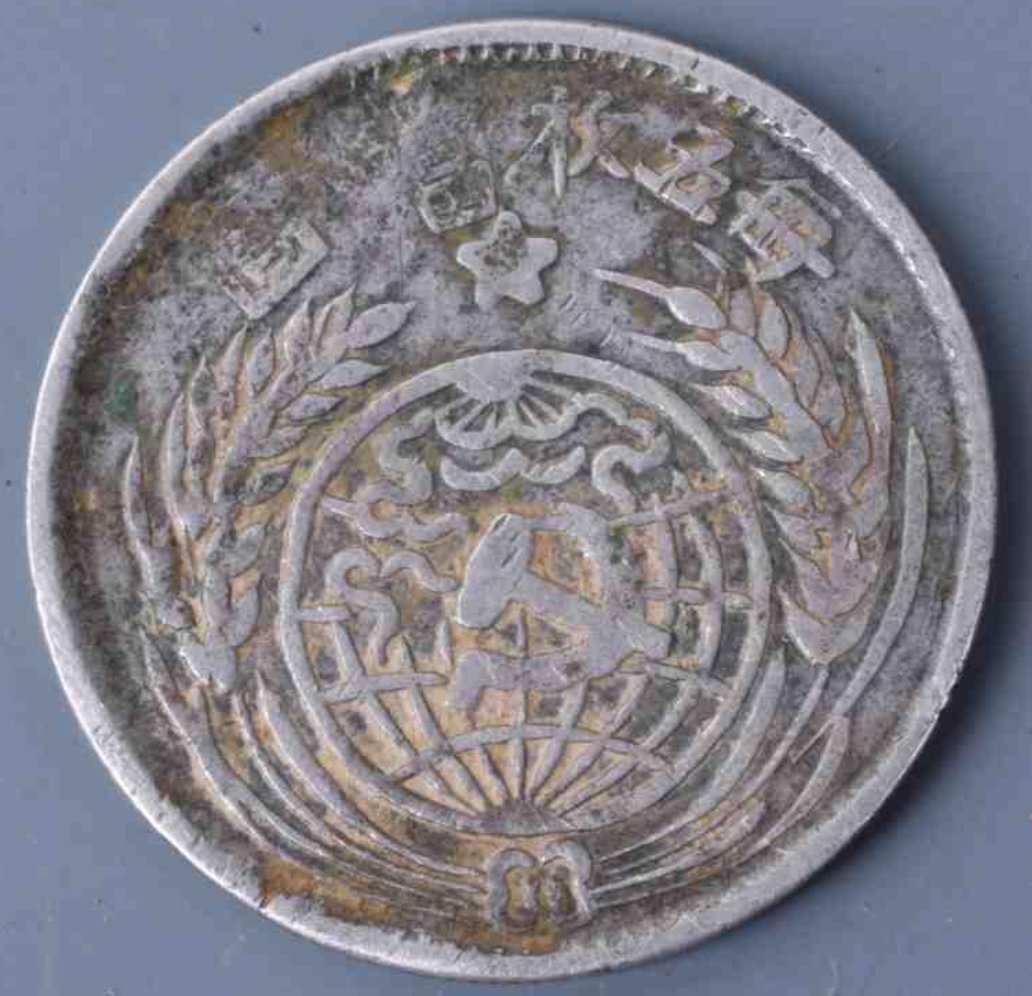 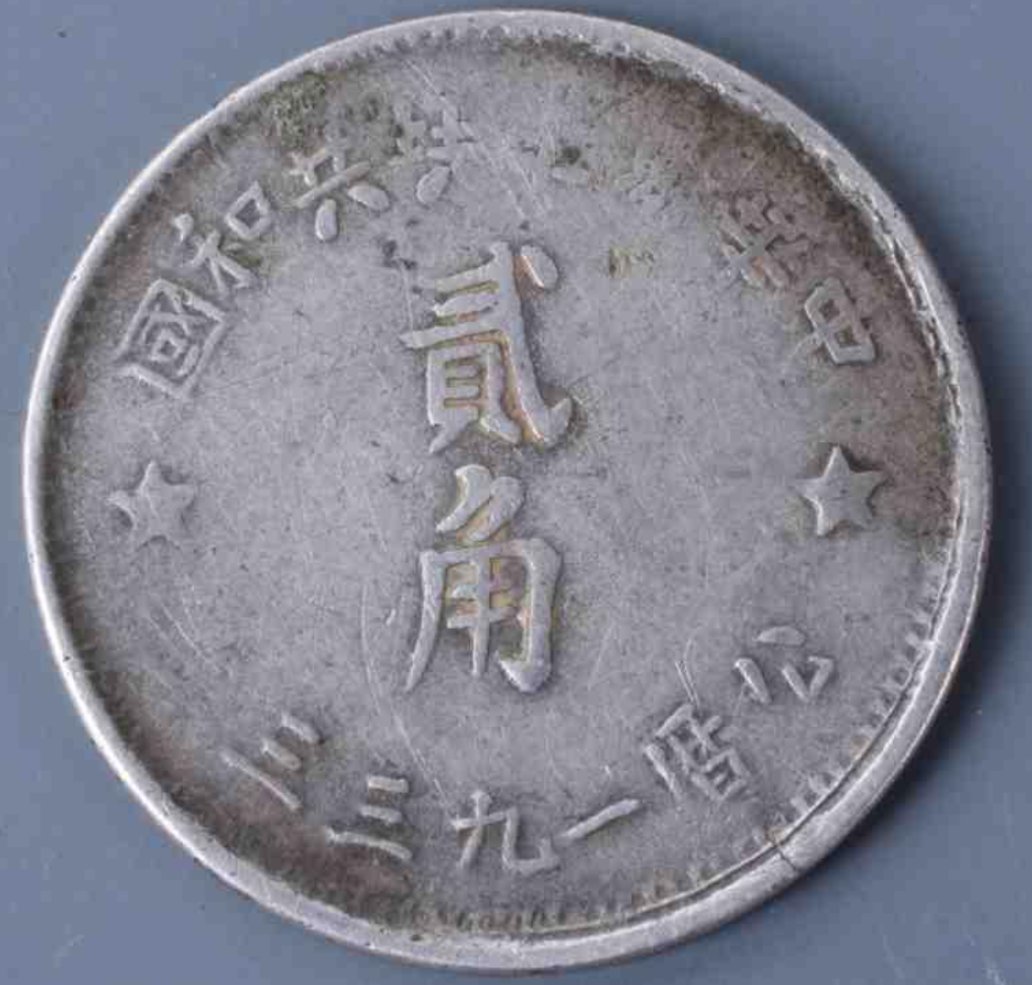 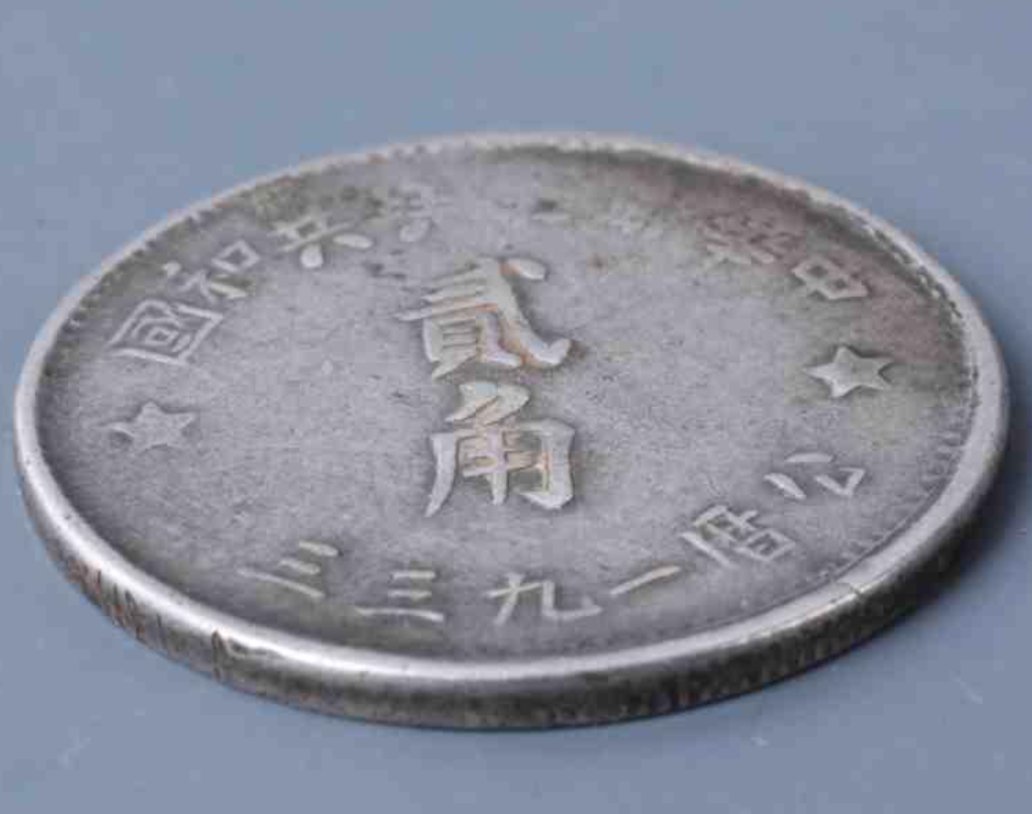 A 1933 Sichuan-Shanxi Soviet Silver 2 Jiao piece Looking at the edge on these pieces, it seems the milling process for the soviets may have been slightly different depending on the location of where they were manufacturing their coins. Would anyone know if the milled edges on military dollars more similar to the pieces made in the Sichuan-Shanxi Soviet or perhaps more similar to the pieces made in the North Shensi Soviet? |
|
Valued Member
Canada
122 Posts |
Hi,
so sorry for the late reply. I was so busy with research assistant work and my other job as a bank teller.
Yes there are two periods where the Chinese Soviets made silver dollars: Szechuan-Shanxi Soviet (pre-Long March) & North Shensi Soviet (post-Long March). The Szechuan-Shanxi period is probably where most of the imitation 1912, fatman, and Memento dollars were made and the 1912 dollar you posted is indeed an authentic Soviet imitation dollar. Not only there are rings on the coin, but also the rim is noticeably crude as the dies were hand carved.
The milled edges of the 1912, fatman, and Memento are more similar to the Szechaun-Shanxi period and it would make sense since their production period overlap. However there are many varieties but in general the milling should be similar to the Szechuan Soviet dollars
|
| |
Replies: 10 / Views: 4,816 |
|










 Posted 03/19/2022 5:50 pm


