











 Posted 12/02/2023 6:07 pm


It's a good question. It depends a bit on what you mean by having trust in the figures.
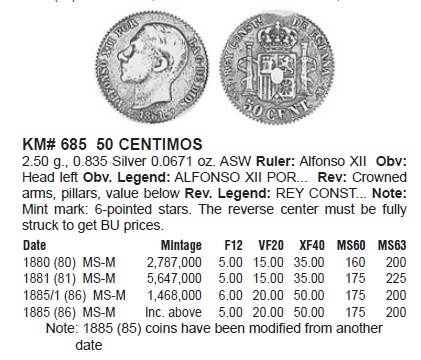
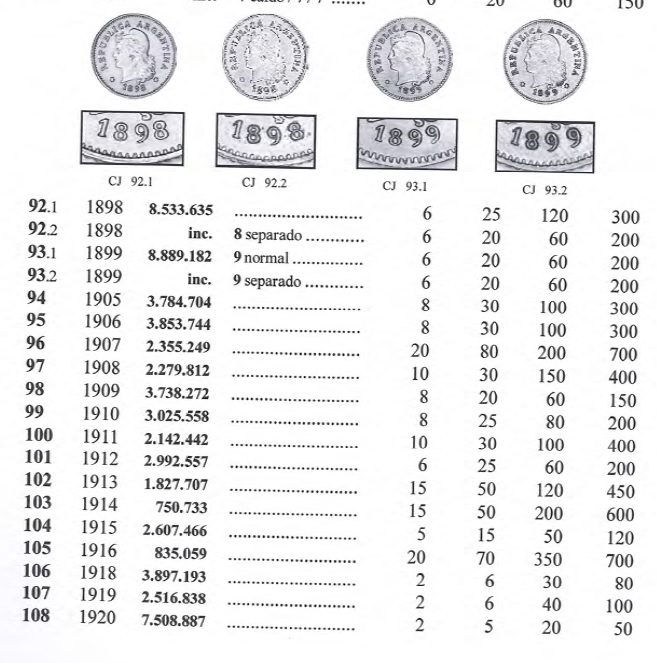
For modern coins (after 1800 or so), mintage figures usually come from the mint's records. Generally government controlled mints kept meticulous records (to prevent fraud, which was always a temptation for some, especially considering the scale of minting in a larger mint). Such a mintage figure should be trustworthy, in the sense that it corresponds to an official record. Then there is the question, whether the recorded figure states the number of coins ordered or the number of coins delivered. A number of coins will come out defect from the minting process, and should be removed (most likely melted down and put back into the process). The "uneven" numbers, like 835,059, I would think reflect delivered number of coins (with some margin for human error). A number like 25,000,000 is probably the number of coins ordered. Again depending on how strict policies that were in effect, it may also be the number delivered, or the number delivered is lower, but that figure is recorded elsewhere or only internally (or lost).
For more "irregular" mints, such as may occur during sieges or rebellions, it might be that minting records - if at all kept - are unreliable, or in many cases lost (depending on the outcome of the siege/rebellion, perhaps).
For older coins, minting records may have been precise and reliable, but may be lost. In some cases, more or less good estimates can be made. For example, France had a system where local mints across the country put one coin out of every 200 (for instance, the number depended on the denomination) in a sealed box, which was sent to Paris. In Paris, the boxes were opened, the coins counted (and inspected) and the number recorded. In cases where the local mint records have perished, there is usually still the box numbers, so a fairly good estimate can be made.
So, can you trust the mintage figures? Yes, in the sense that they should be traceable to an official record. More or less, in the sense of being accurate when it comes to coins actually delivered. With caution, for older/siege/rebellion/etc coins.
For modern coins (after 1800 or so), mintage figures usually come from the mint's records. Generally government controlled mints kept meticulous records (to prevent fraud, which was always a temptation for some, especially considering the scale of minting in a larger mint). Such a mintage figure should be trustworthy, in the sense that it corresponds to an official record. Then there is the question, whether the recorded figure states the number of coins ordered or the number of coins delivered. A number of coins will come out defect from the minting process, and should be removed (most likely melted down and put back into the process). The "uneven" numbers, like 835,059, I would think reflect delivered number of coins (with some margin for human error). A number like 25,000,000 is probably the number of coins ordered. Again depending on how strict policies that were in effect, it may also be the number delivered, or the number delivered is lower, but that figure is recorded elsewhere or only internally (or lost).
For more "irregular" mints, such as may occur during sieges or rebellions, it might be that minting records - if at all kept - are unreliable, or in many cases lost (depending on the outcome of the siege/rebellion, perhaps).
For older coins, minting records may have been precise and reliable, but may be lost. In some cases, more or less good estimates can be made. For example, France had a system where local mints across the country put one coin out of every 200 (for instance, the number depended on the denomination) in a sealed box, which was sent to Paris. In Paris, the boxes were opened, the coins counted (and inspected) and the number recorded. In cases where the local mint records have perished, there is usually still the box numbers, so a fairly good estimate can be made.
So, can you trust the mintage figures? Yes, in the sense that they should be traceable to an official record. More or less, in the sense of being accurate when it comes to coins actually delivered. With caution, for older/siege/rebellion/etc coins.


