











 Posted 10/10/2011 10:35 am


Hello Ingine,
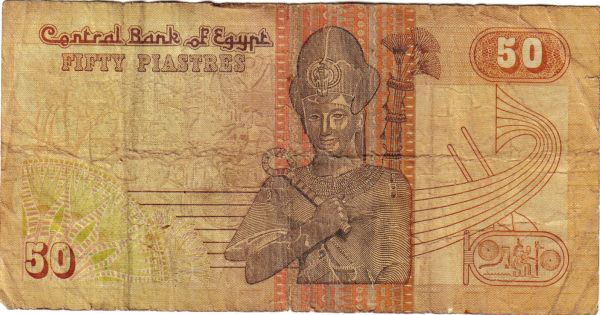
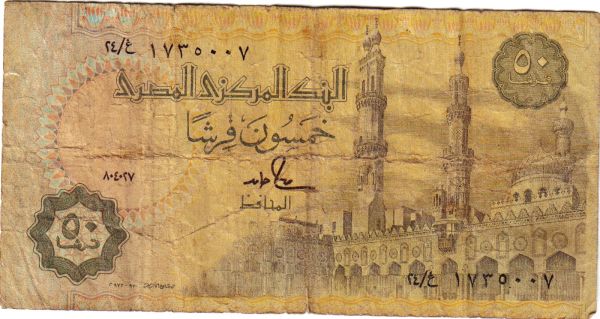
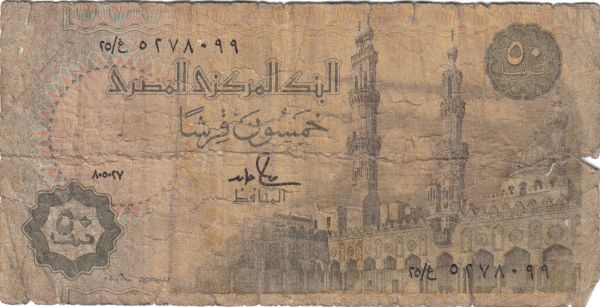
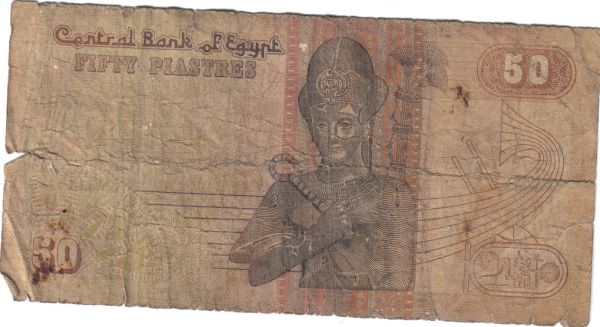
These are two Egyptian 50 piastres notes signed by "Salah Hamid" Egyptian Central Bank Governor.
The first one is dated 27/4/1980
and the second one is dated 27/5/1980
Egypt used to have paper note of 25 piastres, 50 piastres and 1 pound in circulation till 2009 when all these denominations were withdrawn from circulation and they are now found in coins only. This has also been done with the 5 and 10 piastres in previous years. Now the only circulating paper notes are the 5, 10, 20, 50, 100, and 200 pounds any lesser denominations are present only in coins.
In Egypt, these notes in this condition will value around $0.75 to $1. Same design but more recent dates will have this value in Unc condition as they are signed by different governors.
In my country, the Central bank governor's signature adds a lot to the value of the note as some of these governors' signature were not used on many issues. As he was changed and the new governors signature was used.
You would see the same design in the same condition but with different values. The reason will be the governors signature, then the prefix number (first prefix= key date or last prefix= we call it in Egypt "the lock"), then the serial number (radar note....etc)
Hope this helps and if you have any other questions about any Egyptian coins or notes I will be glad to help
These are two Egyptian 50 piastres notes signed by "Salah Hamid" Egyptian Central Bank Governor.
The first one is dated 27/4/1980
and the second one is dated 27/5/1980
Egypt used to have paper note of 25 piastres, 50 piastres and 1 pound in circulation till 2009 when all these denominations were withdrawn from circulation and they are now found in coins only. This has also been done with the 5 and 10 piastres in previous years. Now the only circulating paper notes are the 5, 10, 20, 50, 100, and 200 pounds any lesser denominations are present only in coins.
In Egypt, these notes in this condition will value around $0.75 to $1. Same design but more recent dates will have this value in Unc condition as they are signed by different governors.
In my country, the Central bank governor's signature adds a lot to the value of the note as some of these governors' signature were not used on many issues. As he was changed and the new governors signature was used.
You would see the same design in the same condition but with different values. The reason will be the governors signature, then the prefix number (first prefix= key date or last prefix= we call it in Egypt "the lock"), then the serial number (radar note....etc)
Hope this helps and if you have any other questions about any Egyptian coins or notes I will be glad to help


