| Author |
 Replies: 17 / Views: 7,495 Replies: 17 / Views: 7,495 |
|
New Member
United States
14 Posts |
I recently purchased a 1922 Grant Silver Commemorative (without star) from a local coin dealer. It's a nice looking coin, although Grant's head looks a little "different." It's slightly more white than the rest of the coin, and doesn't have the same luster. I thought it might be an error or something of that sort and the price was right, so I bought it. Out it went to PCGS for grading, and it arrived back today as "Questionable Authenticity." It never crossed my mind that anyone would bother counterfeiting early commemorative coins, but then I remembered that they were going for a LOT more money in the 1980s. (Plus, if Henning would counterfeit nickels, I suppose that anyone will counterfeit anything.) I did some research and found information about a fellow named Nicholas Derevitzkay who specialized in counterfeiting early commemorative coins back in 1935. Does anyone know if there's a way to tell whether my "questionable" Grant coin came from Derevitzkay? Also, what do you do when you get a coin back from a TPG that's been designated as "questionable authenticity?" For now I'll add it to my small collection of Liberty Dollars that I show to Boy Scouts as examples of counterfeit coins, but I'm curious what to do with it when I decide to sell my collection someday. I certainly can't pass it off as genuine. Is there a market for questionable authenticity coins? Thanks Edited by Keeper
07/21/2012 9:40 pm
|
|
|
|
Pillar of the Community
United States
4897 Posts |
 To CCF! Can you post a pic? |
|
Bedrock of the Community
13014 Posts |
Theres definitely a market for counterfit coins, I know quite a few people on here collect them as long as they know thats what theyre buying I dont see a problem with it. It is still counterfit though so the secret service may feel differently, 1 coin shouldnt be a big deal but probably dont want to be listing it all over ebay |
|
Moderator
 United States
15850 Posts |
Indeed ... show us a photo or scan and we can really help.
I have come across several counterfeit classic US silver commemorative coins ... so they do exist.
Hoping to help you ... but a photo is needed.
David
|
|
Pillar of the Community
United States
4132 Posts |
A forum member, SteveCaruso, specializes in fakes. He may be interested in the coin, or at least pictures.
|
|
Valued Member
United States
469 Posts |
|
|
New Member
 United States
14 Posts |
|
|
Valued Member
United States
469 Posts |
Standard weight is 12.5 grams. Does it have a silver ring to it on a glass or marble counter?
|
|
CCF Master Historian of USA Commemoratives
United States
12494 Posts |
Coming across counterfeits is always an interesting learning experience. At a local show last weekend, I had the opportunity to have a look at seven or eight counterfeit Oregon Trail Memorial half-dollars (all a different date and/or mintmark) along with three Texas coins. Though they didn't look quite right -- they all appeared somewhat proof-like and "modern" -- the way they were all confirmed to be fakes, however, was via their weight. As Not Mint to Be pointed out, the correct weight for a silver half-dollar is 12.5 grams, each of the coins I had a look at was approximately 11.8 grams -- well outside of US Mint Tolerances. Unfortunately, none of the coins was for sale so I can't show any pictures. Nicholas Derevitzkay, a "dental mechanic" by trade, created his copies by first creating a plaster-of-paris mold of a genuine coin and then injecting silver into the mold via a pinhole under high pressure. This method filled in the mold completely and resulted in a coin that was underweight by just a reported 4 grains (0.259 grams) -- his coins were within 2% of the correct standard weight! From contemporary accounts of Derevitzkay's arrest in the Syracuse American (January 6, 1935) and the American Numismatic Association's The Numismatist (February, 1935), it appears that Derevitzkay counterfeited (at least) the following half-dollars: 1915-S Panama-Pacific Exposition, the 1921 Alabama Centennial, the 1922 Missouri Centennial, the 1925 California , the 1926 Oregon Trail Memorial and the 1928 Captain Cook/Hawaiian Discovery. I did not find any mention of the 1922 Grant Memorial half-dollar. Quote:
Does anyone know if there's a way to tell whether my "questionable" Grant coin came from Derevitzkay? Based on the weight you reported for your coin (11.0 grams), it would appear that your example is not a "Derevitzkay" -- his coins were over 12 grams and much closer to the correct standard weight. Quote:What do you do when you get a coin back from a TPG that's been designated as "questionable authenticity?" I would suggest enjoying the ownership of such a novel piece and using it to educate other collectors. I would keep the TPG documentation with the coin and, should you ever choose to sell the piece, provide it to the purchaser. Hope that helps! Collecting history one coin or medal at a time! (c) commems. All rights reserved.
Edited by commems
07/22/2012 09:09 am
|
|
Moderator
United States
15850 Posts |
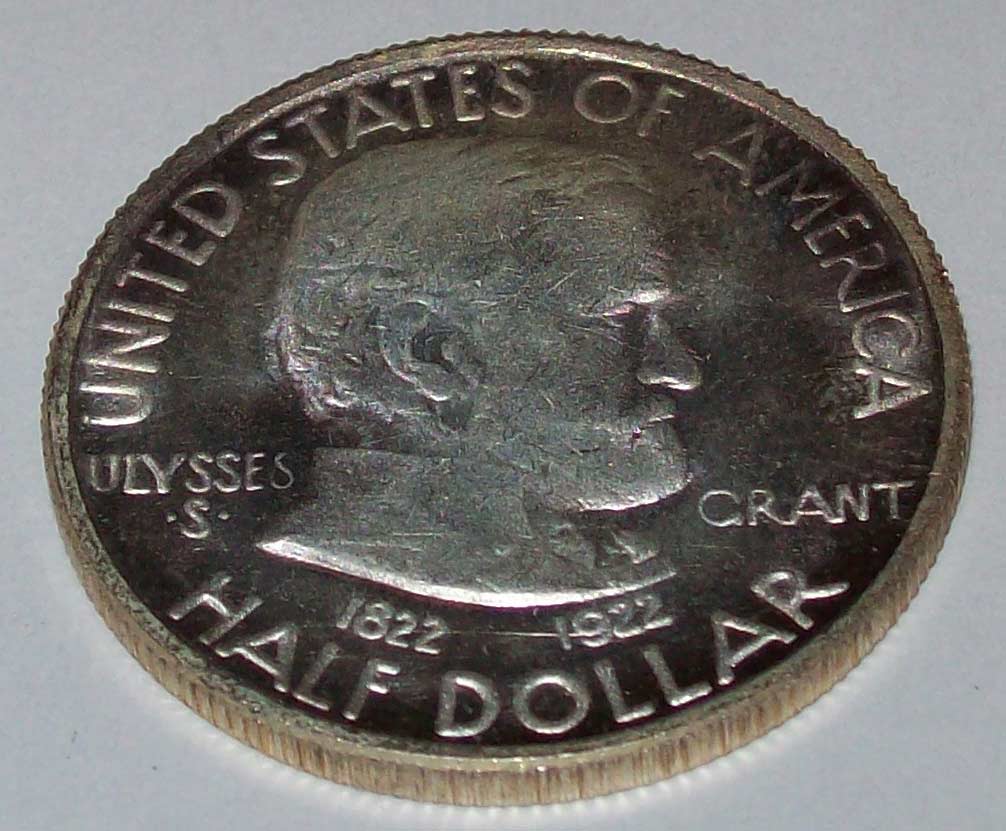
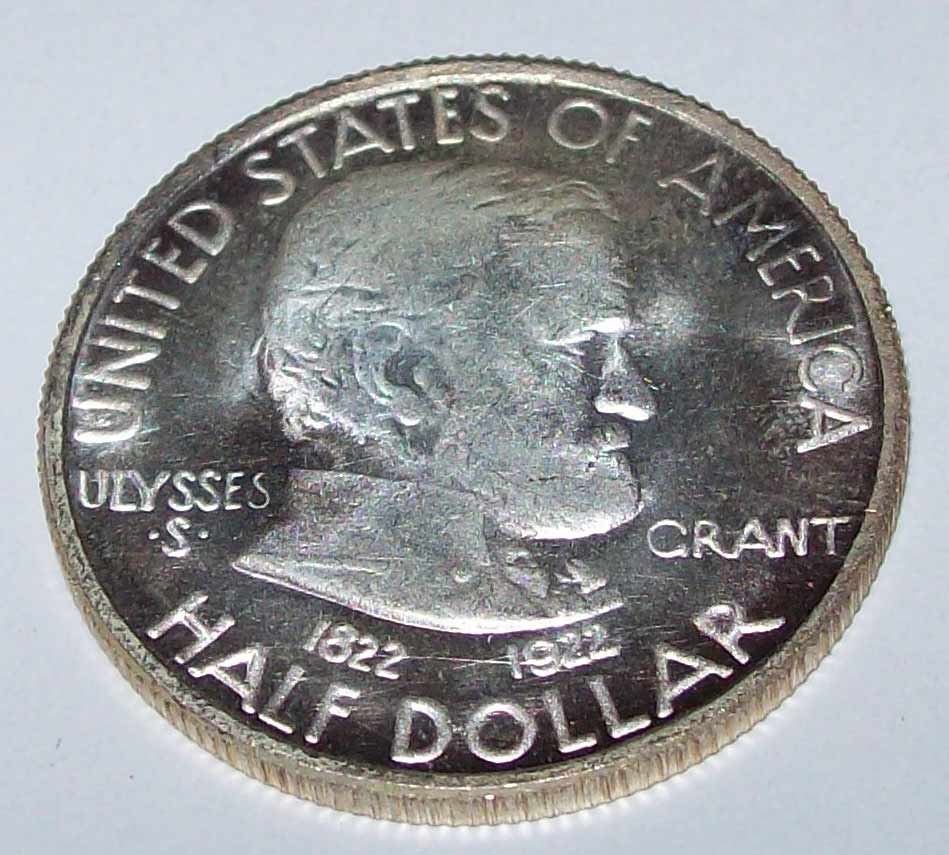
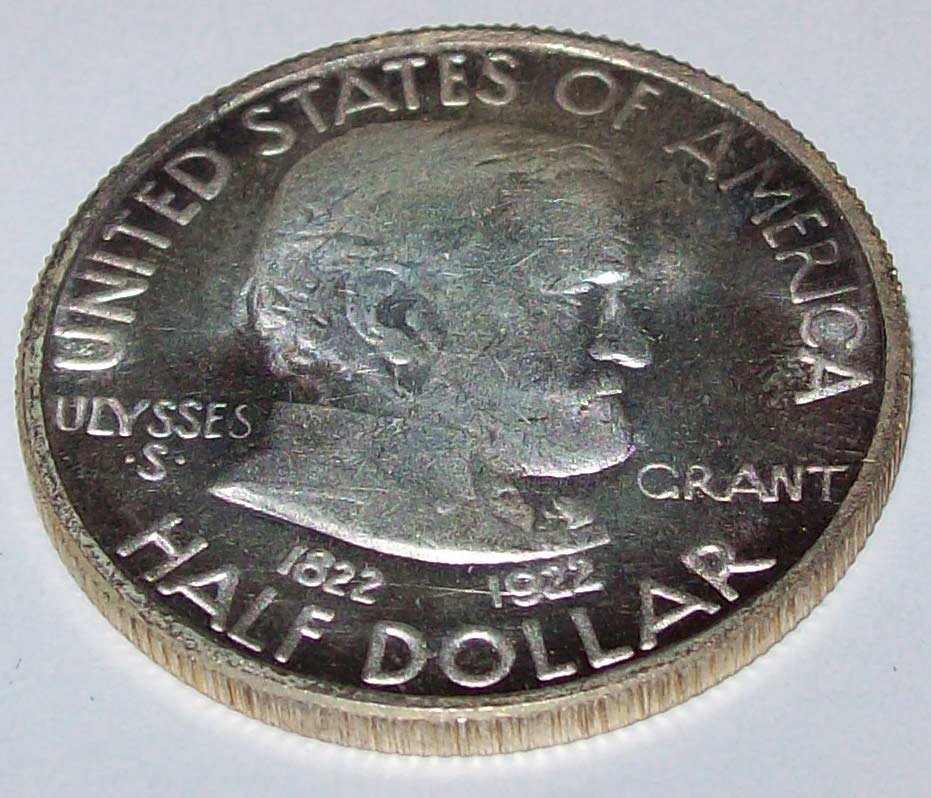
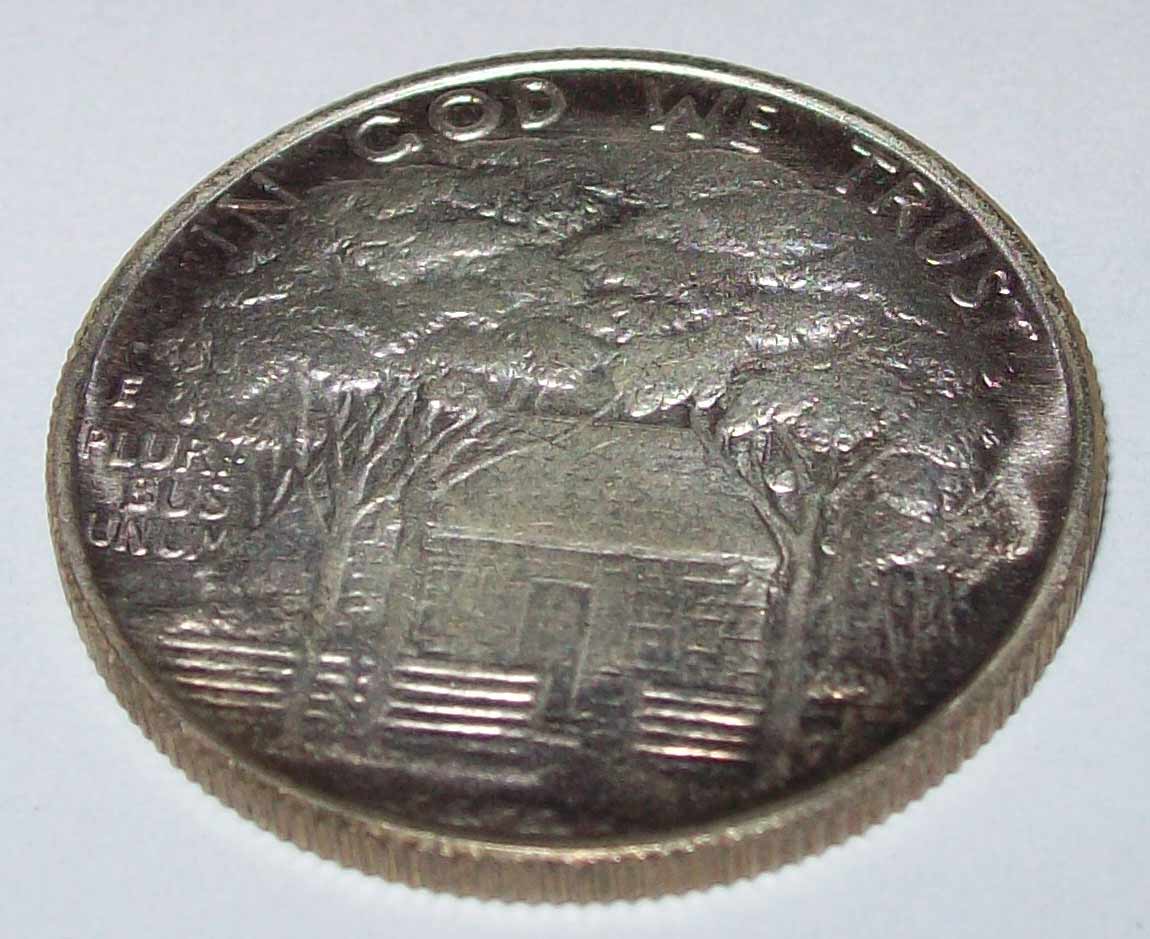
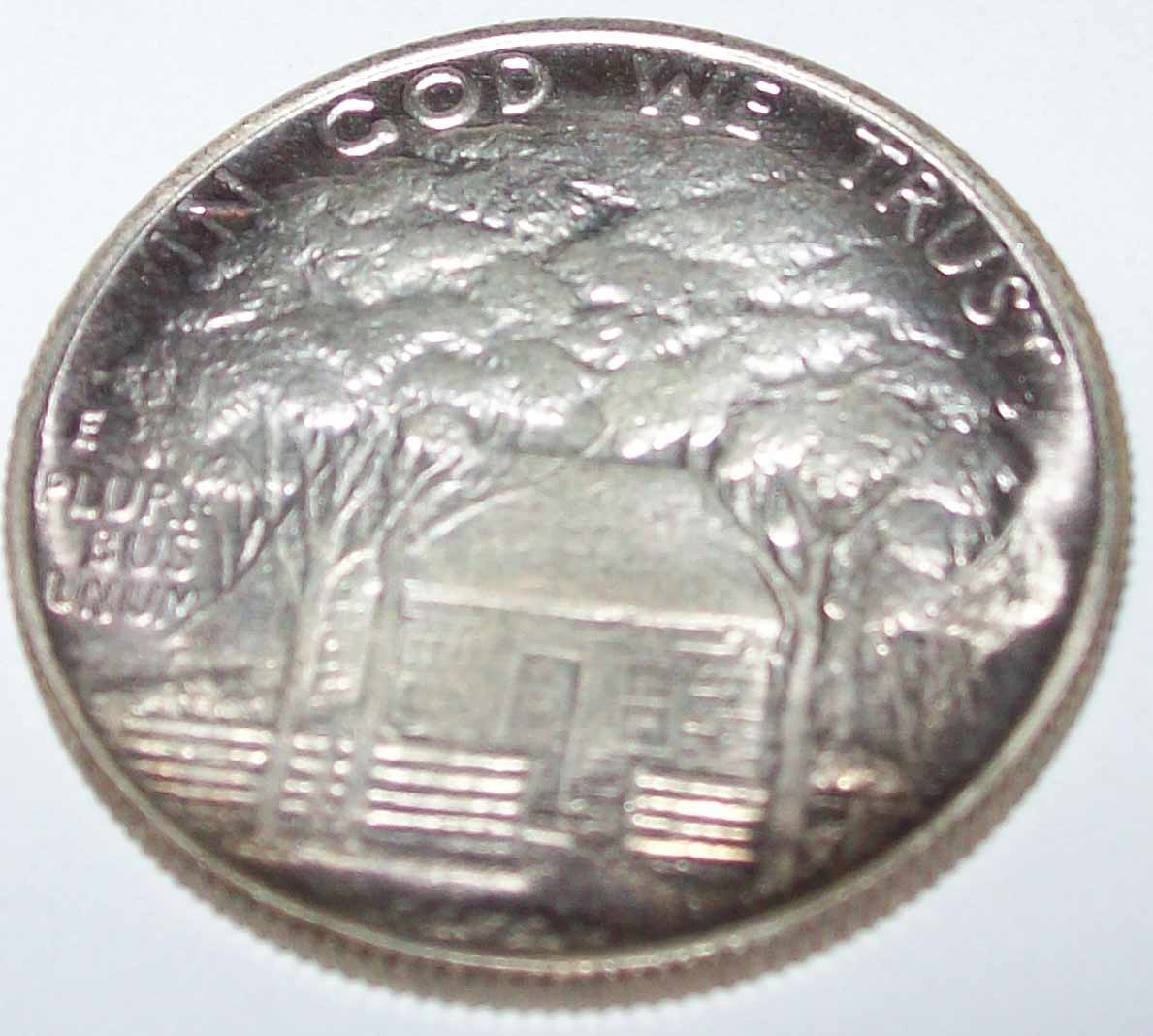
Thanks for the photos.  A couple of suggestions that might be helpful: 1. Take the photos directly over the coin. The angle which you are showing these images distorts the relative sizing of the design elements. Do you best to get the photos in focus ... a tripod to hold the camera steady really helps. We only need one clear straight-on image of both the obverse and reverse ... multiple images do not add any additional forensic information. 2. What is the resolution of the ounce scale you are using to weigh the coin? I assume from your reply you are using a scale capable of resolving to within 0.1oz and converting that to grams (1oz = 28.35g). Am I correct? If so ... that is too crude of a measurement to determine weight for this coin. Authentic or not ...this coin has circulated details and would grade in the range of XF45 ... which in my experience should give it a weight in the range of 12.35 to 12.45g if authentic. 3. I do not see the designer initials on your coin ... it could just be your photo quality fooling my eye ... but the lack of which would be a strong indicator of counterfeit status. Designed by Laura Gardin Fraser, her initials are contained on the obverse of the coin in a small incuse circle directly adjacent to the truncation of Grant's bust and in between the years 1822 and 1922. Incuse features are really tough to counterfeit ... so sometimes they are just left off hoping no one will notice. Can you see her initials on your example? David |
|
New Member
United States
14 Posts |
Thank you for all of the feedback. I never cease to be amazed at the knowledge of the people in this community. Attached are two more photos taken over the top with better lighting. I do not see designer initials. Also, as I look closely at the reverse some of the letters in E Pluribus Unim seem suspect. To weigh the coin I used a postal scale that gives both ounces and grams. At work tomorrow I can use a better scale, but my guess is that it's lighter than 12 grams. Fortunately for me this was not an expensive lesson, but it has been extremely valuable. In the past I assumed (wrongly) that classic commemoratives were not a focus of counterfeiters. I will be much more careful in the future. Thanks to everyone for your comments and suggestions. For now I will keep it, but if I ever sell it I will include the PCGS label that designates it as questionable. 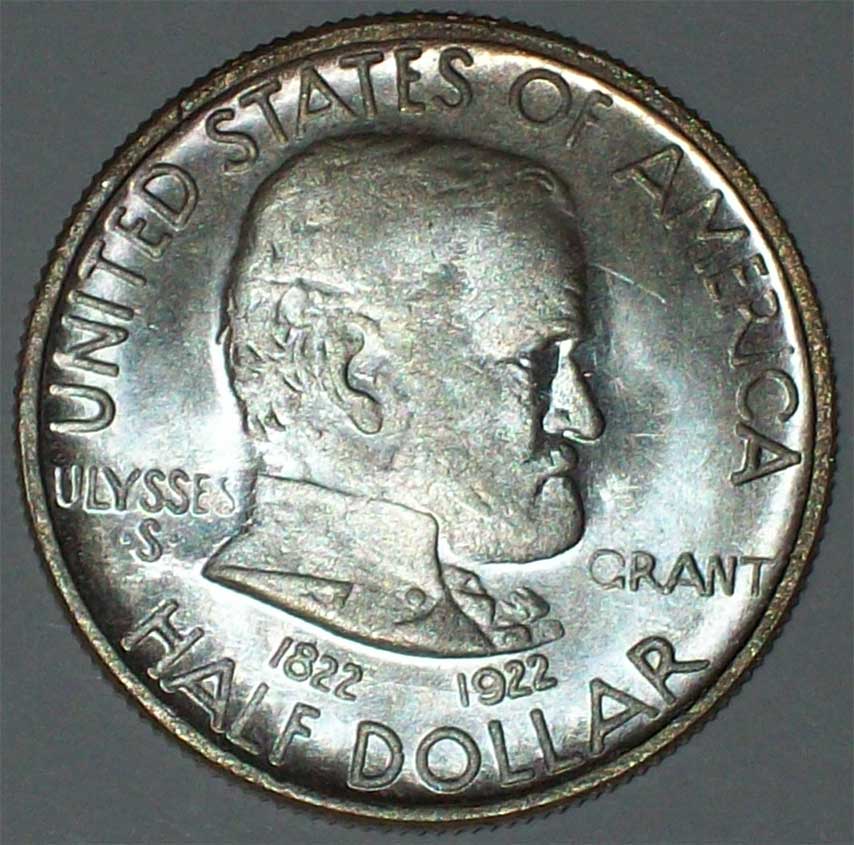 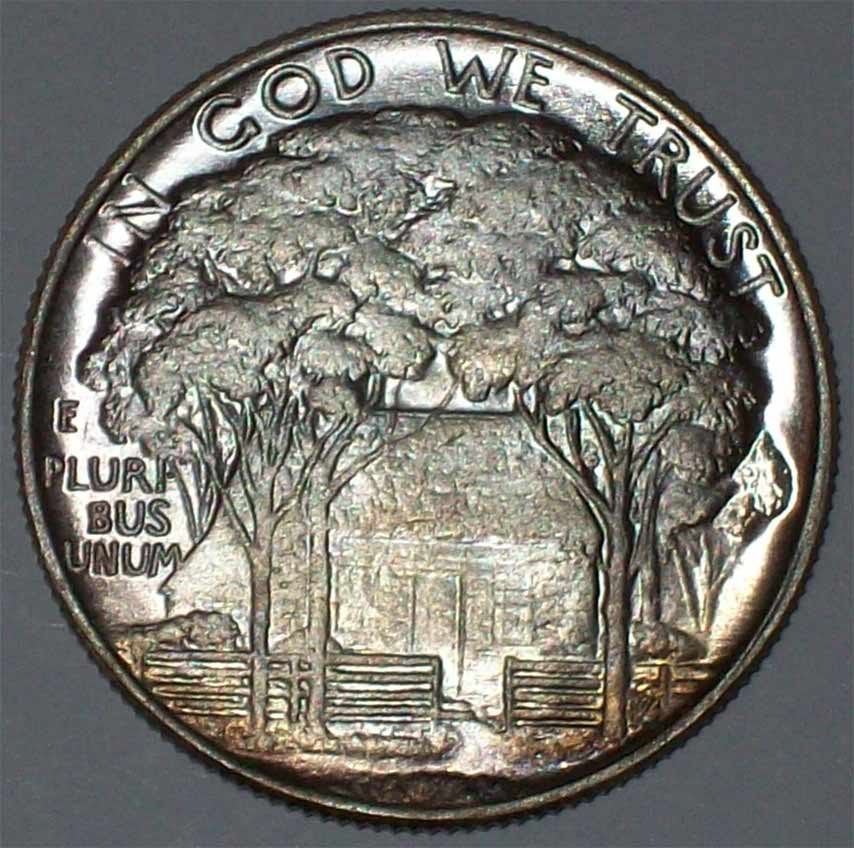 |
|
Pillar of the Community
United States
863 Posts |
so what did you pay for the coin? 15? if so thats one of the cheapest lessons ever learned :)
|
|
New Member
United States
14 Posts |
I wish it had only been $15. Let's just say it was on the lower end of the XF scale price-wise since Grant's head looked a little off. I now realize that it wasn't just a little off -- it was a lot off. My bigger disappointment is that I used one of my PCGS free club submission slots for it.
I'm just grateful that it wasn't a Grant with star that I paid an MS price for. That would have certainly led to a meeting with the dealer to discuss a buy-back. I'll probably just keep this one for education purposes and to remind myself to be more careful in the future. However, I'll mention it to the dealer so he also knows to be more careful.
|
|
Moderator
United States
15850 Posts |
Your new photos have me convinced that PCGS got it right. Sorry for the lesson .... it happened to me once on a well circulated 1925-S California. Here is an image of an authentic Grant ... a direct comparison will show several differences between the coins ... notably Ms. Fraser initials ... the lack of which are tough to miss once you know to look for them. 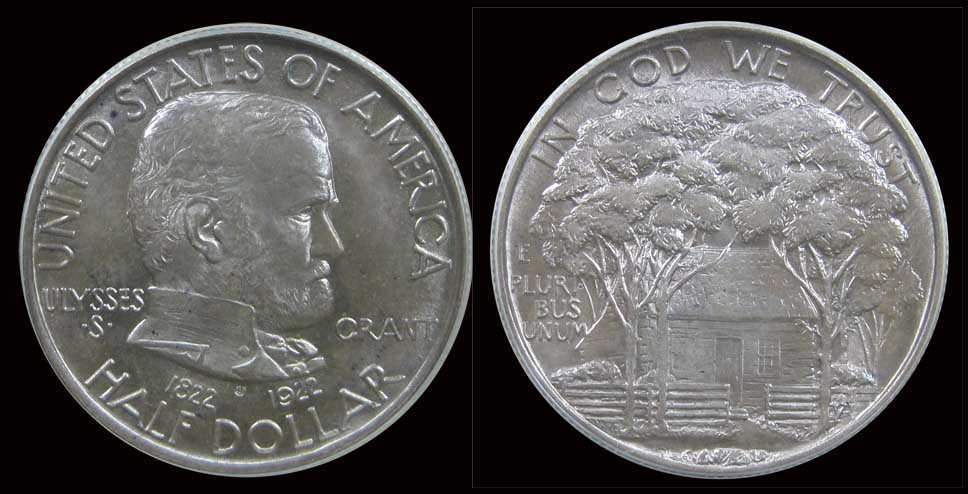 I would suggest that most reputable dealers would refund your purchase price in this situation ... I would take the matter up with the proprietor. David |
|
Pillar of the Community
United States
652 Posts |
In addition to the missing initials, the design under the chin is different.
|
|
Pillar of the Community
United States
2295 Posts |
Sorry to hear about the counterfeit. That is interesting, but sad, to see that they are counterfeiting commems too.
|
| |
Replies: 17 / Views: 7,495 |










 Posted 07/21/2012 10:28 pm