











 Posted 08/12/2012 08:11 am


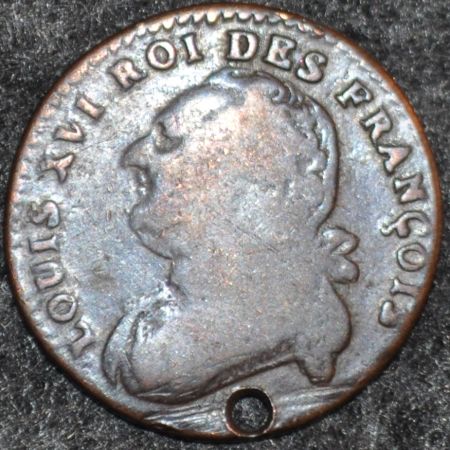
This is indeed an interesting transition coin : the king is still head of state, not anymore by 'divine right', but as a constitutional king.
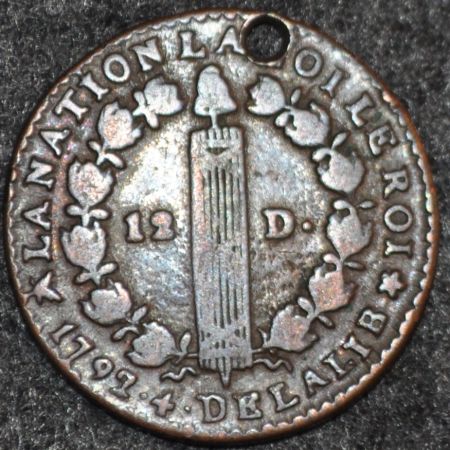
The legend says "The Nation, The Law, The King" (La Nation, La Loi, Le Roi) with the king being subject to the nation and the constitution. This is also expressed in the sentence "Louis XVI Roi des François" (Louis XVI, king of the French). In the Ancien Régime the king was by divine right (Dei Gratia) king of France and Navarre. After the revolution he became a sort of "first citizen", a servant to his people.
Other symbols of the revolution were used: the fasces with liberty cap and the mentioning 4th year of freedom (L'An)4 de la Lib(erté)
This situation changed in 1793 after the execution of the king: at that moment the first republic was installed.
The legend says "The Nation, The Law, The King" (La Nation, La Loi, Le Roi) with the king being subject to the nation and the constitution. This is also expressed in the sentence "Louis XVI Roi des François" (Louis XVI, king of the French). In the Ancien Régime the king was by divine right (Dei Gratia) king of France and Navarre. After the revolution he became a sort of "first citizen", a servant to his people.
Other symbols of the revolution were used: the fasces with liberty cap and the mentioning 4th year of freedom (L'An)4 de la Lib(erté)
This situation changed in 1793 after the execution of the king: at that moment the first republic was installed.
Edited by bart
08/12/2012 08:14 am
08/12/2012 08:14 am


