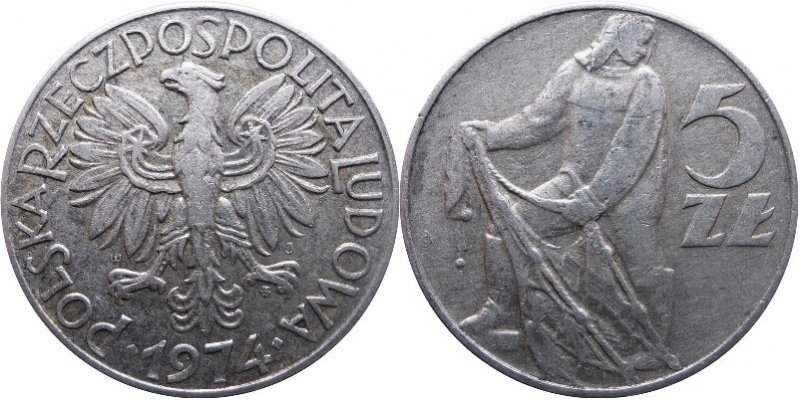
I thought it might be fun to do an "alphabet of coins"
So a thread of 25 of my coins -- one each from a country starting with a different letter. Although I've been reasonably flexible with my interpretation of what is a country -- I still couldn't be flexible enough to include a country or territory starting with an X. I've tried to pick coins that were interesting, rather than expensive or always a precious metal, just picks from my collection that were lying around.
First up
AFGHANISTAN

A copper coin from Afghanistan 1227 (1812) 1 falus copper 4.97g 18mm KM44. These early copper coins were meant for local use -- so are sometimes described as local issues. This one has a sun face on the obverse, rather unusual for a coin from that part of the world. I have encountered fakes of these so be careful if thinking of buying. Although Krause calls this a falus, I think it should, strictly speaking, be a half falus given the weight.
next,
BELGIAN CONGO

This is a 1894 10 centimes coins. It's really not hard to pick up the set of these coins in great condition. When this coin was minted the Belgian king, Leopold II, basically had the African territory as his personal dominion and alas, he did not run it well. The Wikipedia page
http://en.wikipedia.org/wiki/Belgian_Congo gives a good overview of this territory and some of the disasters that befell it. They are really nice coins though.
Next,
COSTA RICA

This silver 1923 50 centimos is unusual because it's one of the few 20th century officially counter stamped coins. The original coin was an 1893 25 centimos --
next,
DENMARK (Gluckstadt)

A slight bending of the rules to squeeze this coin into the "D" category. This is a 16th thaler authorised by the Danish ruler Christian the 4th (hence the C4) for use in the Duchy. The date is 1624 (only the 24 is used. . The area was disputed with Germany/Austria and in the 19th century was finally lost to Prussia.
Locally this was actually known as "3 Skilling lybsk". It was 48 Skilling to a Thaler back then (thanks to Litotes for this)
The motif is that of Fortuna standing on a globe and holding a banner. Fortuna was the Roman goddess of good fortune (a particular favourite of sailors) and it's interesting to see a very similar design being used here again.
Next,
ESSEQUEBO AND DEMARAY

This 1813 1 stiver was struck in the reign of George III for the south American territory, covering what is now Surinam, and Guyana as well as parts of Venezuela and Brazil. The area was important for sugar production, and even today you can buy Demerara sugar
The denomination is odd for a British possession and is actually Dutch in origin. The Dutch, French and British all struggled for dominance in this area in the late 18th and early 19th centuries.
Next
FRANCE

This rather nice 5 Francs 1821 (KM 711.1 25.0g 0.900 Paris mint) represents Louis XVIII, the last of the Loius kings. He spent many years in exile during the troubled years of the French Revolution before being crowned king. This first tenure was short lived, only three months, before an escaped Napoleon took control again. This coup only lasted for a 100 days however before Louis was back on the French throne. He was also the only French ruler of the 19th century to die while in office.
Next
GREENLAND

When this coin was minted in 1926, Greenland was a Danish colony. Although a vast island (the largest "island" in the world), the extremely cold temperature and the hostile terrain mean the inhabitants are few. There are really only five coins to collect in the "set". Two 25 ores, a 50 ore, a 1 krone and the more expensive 5 krone which was apparently really struck for US forces that were on Greenland during WWII..
next,
HAWAII

This coin was struck in 1883 and depicts the last king of Hawaii. Obviously the coinage was closely aligned with that of the US and indeed the territory was ceded to the US only 15 years after this coin was struck.
Next
IRAN

https://www.coincommunity.com/go/link.asp?target
https://www.ebay.com/itm/-/132019025000 target _blank rel nofollow 132019025000 /a dinarsKM976Ag2303g09000-ZENO-1.jpg" border="0" style='cursor:default' onClick='doimage(this,event)'>
This 5000 dinars coin was struck in 1902 (1320AH) (KM976) and is the crown type coin of the time. 5000 dinars also equalled 5 Kran. The ruler was Muzaffar al-Din Shah, who was so captivated when he first saw cinema on a trip to Paris that he ordered the technology brought back with him and so is credited with being the father of Iranian cinema.
Next
JERSEY

Jersey is one of the Channel islands and is a British territory lying quite close to France. Strictly speaking it is not part of the UK (like the Isle of Man and Guernsey etc.) and was until quite recently a tax haven for companies doing business in the UK mainland.
They issue their own currency (coins and notes) which, again, is not strictly speaking part of the UK's currency system but most places will accept their currency with no issues.
Instead of issuing a half penny and a penny in Imperial times they issued a 1/24 shilling and a 1/12 shilling. These coins are plentiful and are often found in good condition.
Next
KOREA

This is a 100 mun coin from Korea, made in 1866-67. Although these large cash type coins are often thought of as Chinese, similar style coins were issued in Korea or Vietnam as well as Japan. There were many many mints in operation at the time, often under the stewardship of the military. This is quite a large coin at 40mm and 25.64g
next
LUCCA

This small 1806 3 centesimi bronze coin is unusual in that it has conjugate heads -- not a device often seen, really made famous by the tetradrachms of Alexandros Theopatros .
After being an independent republic for many centuries Lucca was given to his sister by Napoleon to oversee as her personal principality. This coin shows her (Elisa) and her husband Felix Bacciocchi on the obverse.
next,
MYSORE

Mysore is a large state in southern India that has largely been dominated by the Wodeyar dynasty. During the years 1831 to 1843 the state was ruled directly by the British before a change in general policy in India reinstated Krishna Raja as a nominal ruler. This is a 20 cash coin and these coins are quite common but collectible as they show western style dates and usually quite a nice depiction of a lion. Fully struck coins command a premium.
Next,
NEPAL
Staying in the same region and only a little later is this coin from Nepal, ruler - Prithvi Bir Bikram . It's a 1 mohar dated SE1806 (1884AD) and it looks remarkably like a Tibetian Ga'den tanka. Interestingly the fractional coins of this series are much more scare than the 1 mohar.

next,
OTTOMAN EMPIRE
Ottoman empire 1223 (29) 20 para km596 AG 1.66 20mm.jpg

This is a 20 para from 1223 (29) or 1836AD under the rule of Mahmud II. These coins are very thin and after this period the quality of the silver deteriorated severely. Although 20mm across it is only 1.66g. It may be that the custom of using such coins as jewellery influenced their design over time but having such thinness did mean the silver could be stretched as far as possible. This is in general keeping with the decline of the Ottoman empire over the course of the 19th century.
next,
PERU
peru 1880 1 peseta (south peru).jpg

Or more exact, South Peru. This 1 peseta coin was minted in 1880 during the period when this territory was administered separately from north Peru, yet joined with Bolivia and North Peru in a confederation. It's an area of history (and geography) that seems to be little known about here. This one year type is labelled a provisional coinage and has the catalogue KM200, but some editions of Krause don't seem to have it at all.
next,

This one isn't really very exciting other than it's very shiny. There just are not that many countries that start with Q. It's a 1 dirhem from 1973. Qatar is one of the few absolute monarchys left, being ruled by the Al Thani family and it usually tops the worlds richest country's per capita lists.
next,
ROMAN

Apologies for the poor photograph. My Roman denarii are in a safe and I haven't had a chance to up grade my photographs. This coin is interesting because it's the first of it's kind. It's not actually a denarius, but an antonianius or double denarius. As usual government spending overran the available funds so Caracalla's administration simply put a spiky crown (a sun crown) on the obverse bust, increased the silver by about a half but doubled the tariff. Instant funds. These earlier antonianius are tricky to get unlike the later ones that are cheap and plentiful.
next,
St. Helena

This half penny was issued in 1821. The island is most famous for being the last place of imprisonment of Napoleon and he died there in 1821. Chances of him using this coin .... slim. Strictly speaking the island was at the time the possession of the East India Company, a very powerful company that obtained large parts of India (and other areas in Malaya and China etc.) and was eventually subsumed into the British Empire. They are quite plentiful.
My edition of Krause suggests that it was minted by the Pobjoy mint, which is somewhat unlikely as it wasn't founded until 1965.
next,
THAILAND

This is a piece of bullet money (again the photograph isn't great). It was made in 1809-1824 and the silver weight means it's a quarter baht. This area is famous for having a variety of unusual trading ingots with tigers tongue money and canoe money as other examples. I also have a set of 18th century opium weights (a fanciful term) that were apparently also used as trading ingots.
next,
UMAYYADS

This is an AE fals from al-Ramla from the Umayyad dynasty, 65-132AH, so quite an early one. It's unusual because other than just script this has a small palm tree in the obverse field. This was a vast empire that covered most of the Arab world today as well as parts of Spain, Pakistan and up into Russia.
next,

VATICAN CITY
This isn't a particularly rare coin but it was issued by what is now the smallest statelet in the world. It's a 1867 2 Lira and weighs exactly 10g with a fineness of 0.8350. When this coin was issued it was issued for the Papal States, a much larger area covering a belt across the centre of Italy. In 1870 this territory was annexed to the Kingdom of Italy and only the tiny area of the Vatican city left to the Papacy.
next,
WALDECK

This 1693 6 pfennig coin was issued by Count Christan Ludwig who reigned in this small German territory between 1692 and 1706. He is the ancestor of all the various princes and counts of Waldeck who came after him. As with all the quasi independent royal houses they lost their titles in 1918 though the "house" still exists today.
Next,
YEMEN

This is the only NCLT coin in the list. I don't really collect them but I always liked the obverse on this 2 rials from Yemen -- so I have it as a piece of object d'art. Though it's dated 1969 this coin is 40mm and is a more recent restrike -- though still in high quality silver. The original coins are also 25g but are 37mm in diameter. No one seems to know who authorised these restrikes (there are others similarly treated) but they are extremely high quality. Perhaps they should be treated as fantasy strikes -- the jury is out.
Next,
and finally
ZANGIDS OF MOSUL

This is a 1 dirhem coin from Nur al-Din Arslanshah, at Nasibin and dated 604AH. For coins form this area and this time it's unusual to have a depiction of a human. In other coins of this type two figures of Nike are seen flying above the "Turkoman" head. These coins are actually quite impressive in hand because they are so three dimensional -- almost like ancient Greek coins in that respect.
So that's the end of the Alphabetical tour of world coins...
I hope you enjoyed.










 Posted 08/19/2012 11:41 am





 .
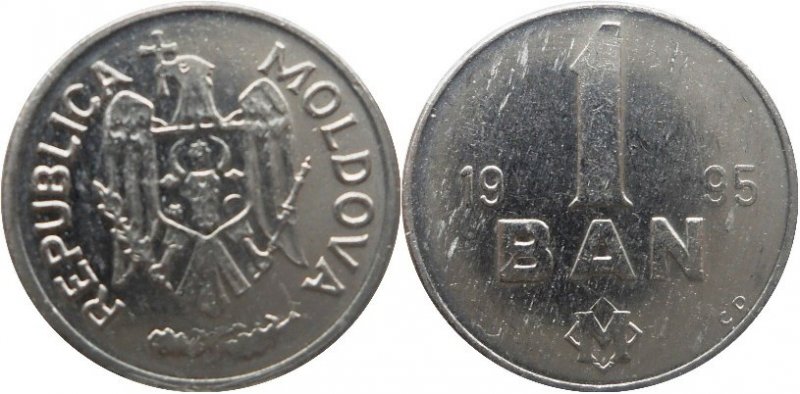
. Ban Moldova 1 ban 1995
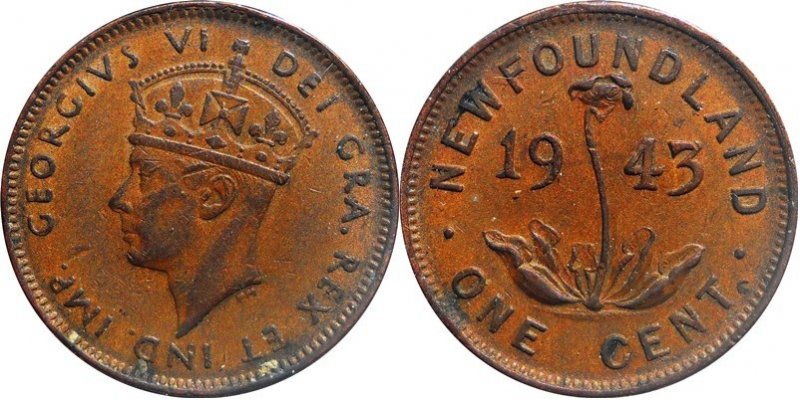
 Cent Canada - Newfoundland 1 cent 1943
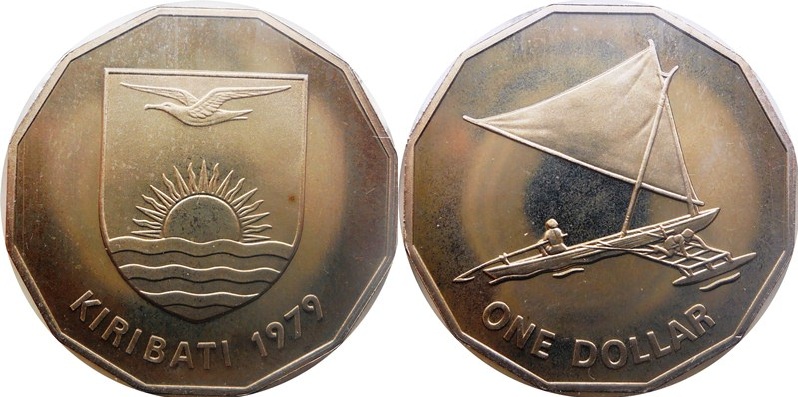
 Dollar Kiribati 1 dollar 1979
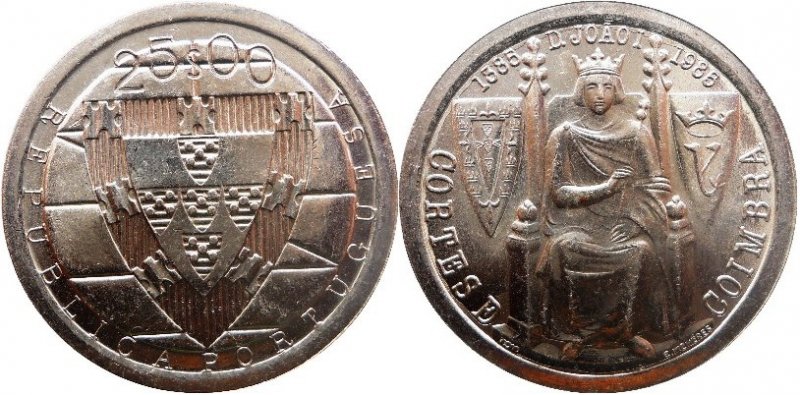
 Escudo Portugal 25 escudos 1985
 Franc Katanga 1 franc 1961
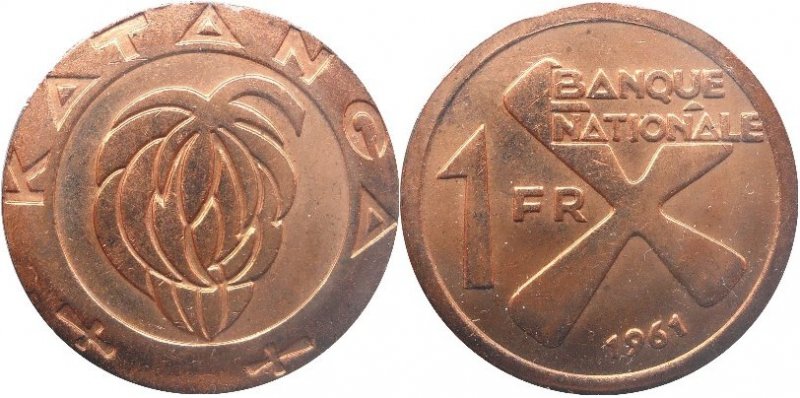 Guarani Paraguay 10 guaranies 1976
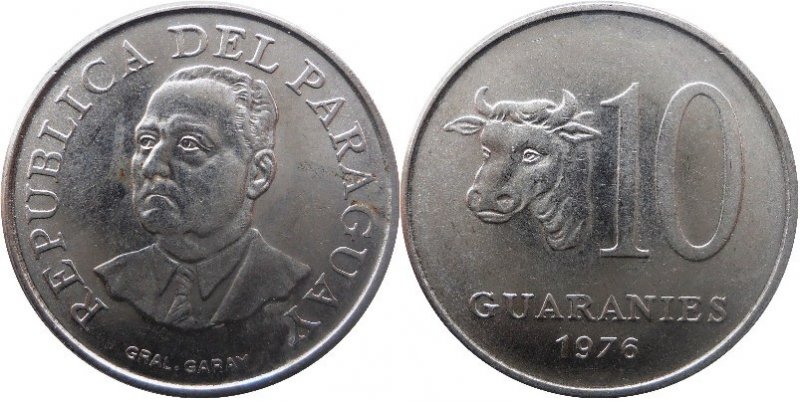 Hryvnia Ukraine 1 hryvnia 2004
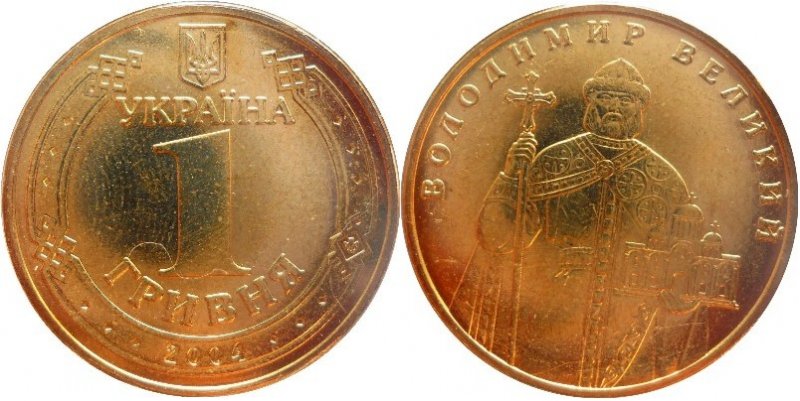 Inti Peru 1 inti 1987
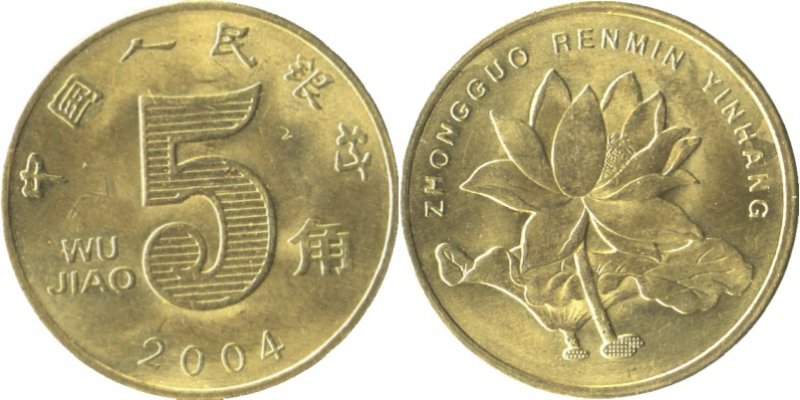
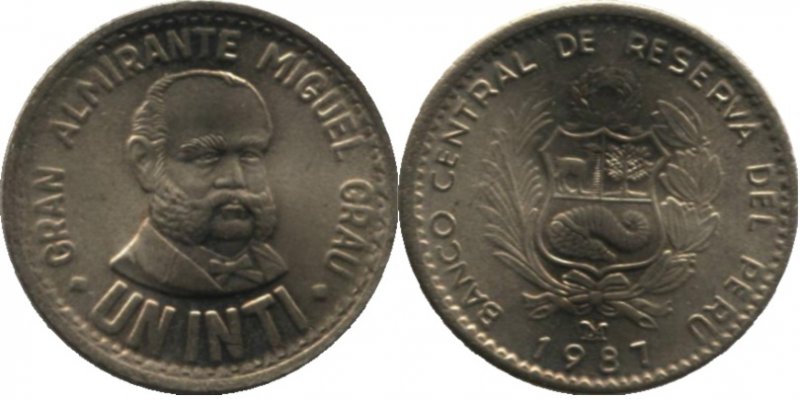 Jiao China 5 jiao 2004
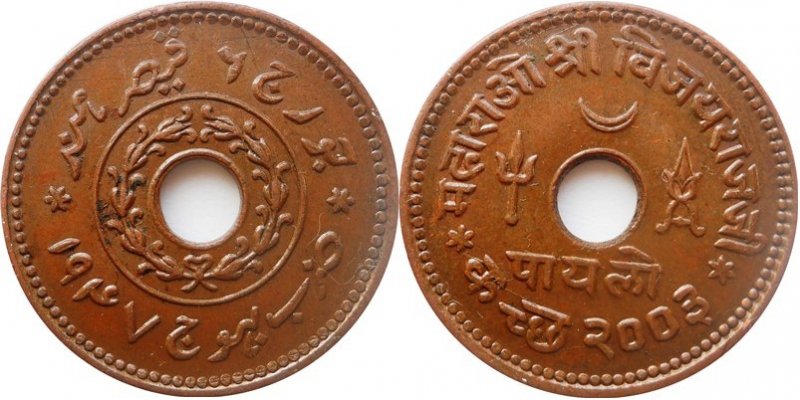
 Kori India - Kutch State 1/4 kori 1947
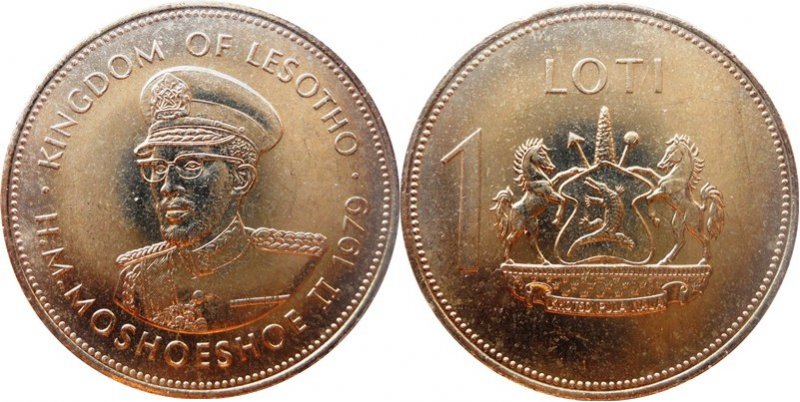
 Loti Lesotho 1 loti 1979
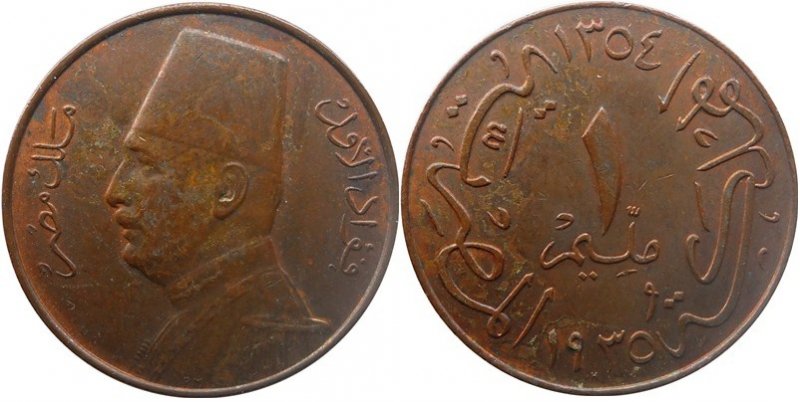
 Milleme Egypt 1 millieme 1935
 Naira Nigeria 1 naira 1991
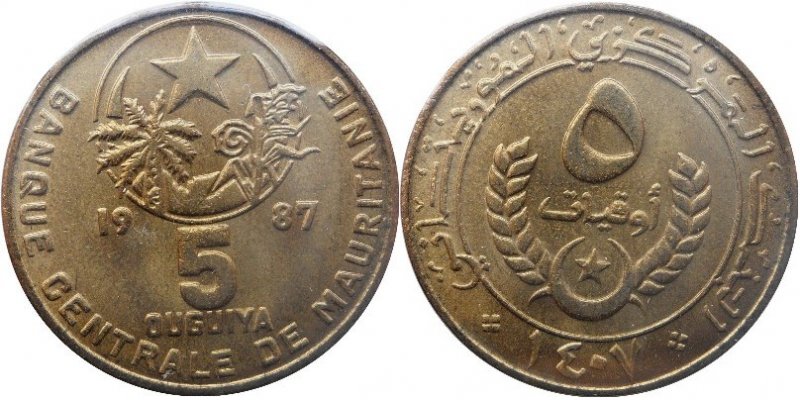
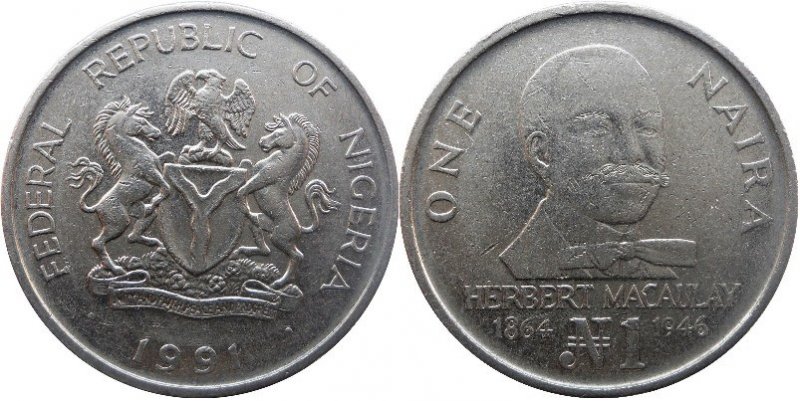 Ouguiya Mauritania 5 ouguiya 1987
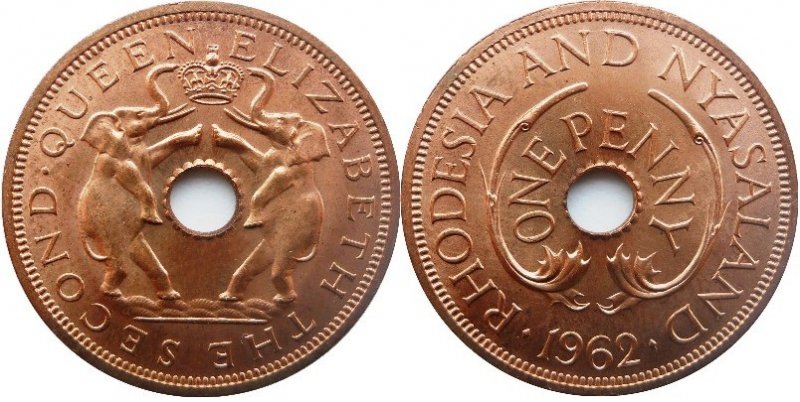
 Penny Rhodesia & Nyasaland 1 penny 1962
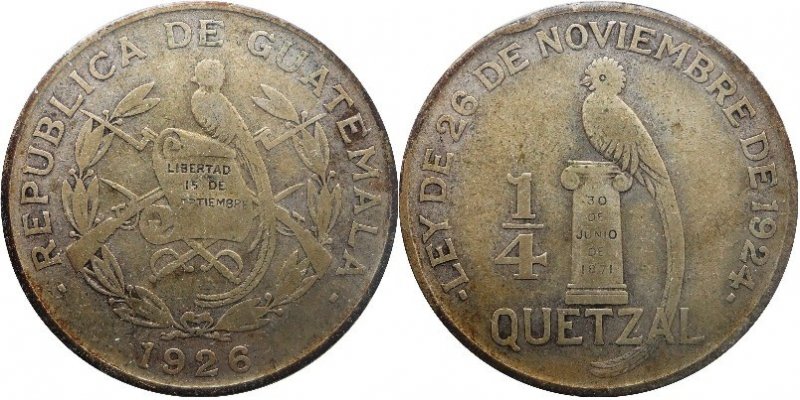
 Quetzal Guatemala 1/4 quetzal 1926
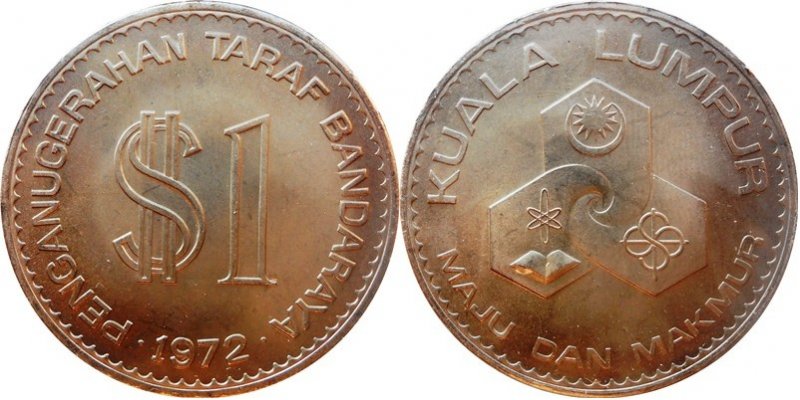
 Ringgit Malaysia 1 ringgit 1972
 Shilling UK 1 shilling 1787
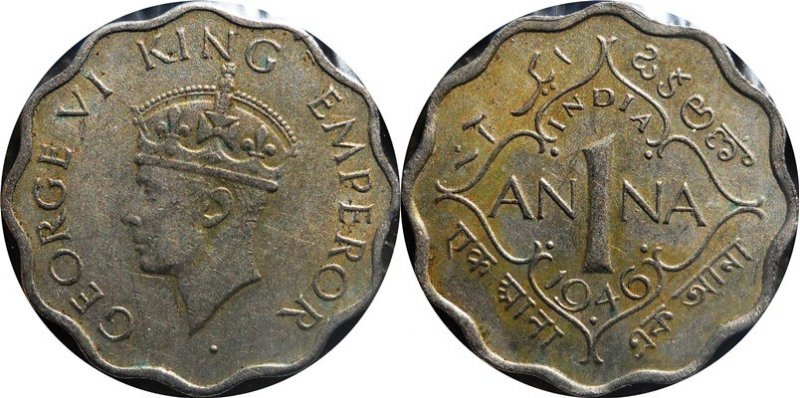
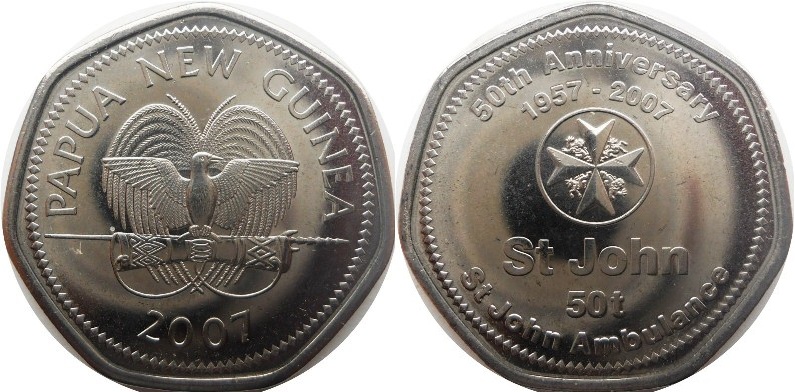
 Toea Papua New Guinea 50 toea 2007
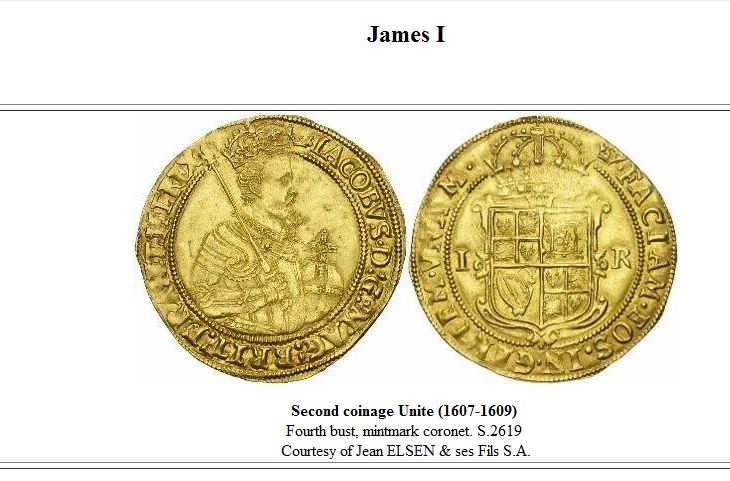
 Unite UK 1 unite 1606 - 1609
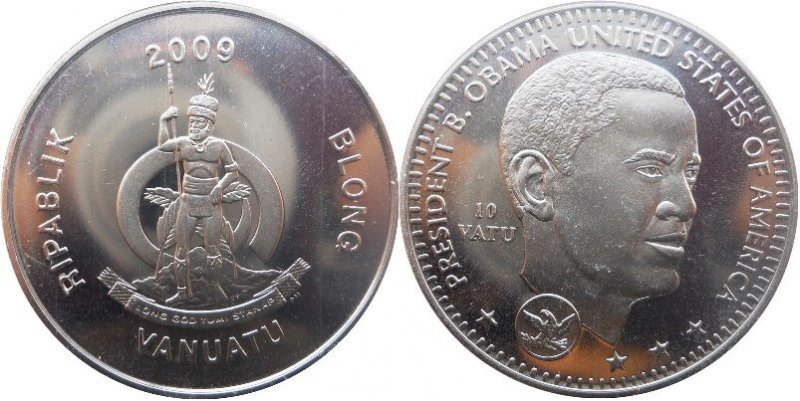
 Vatu Vanuatu 10 vatu 2009
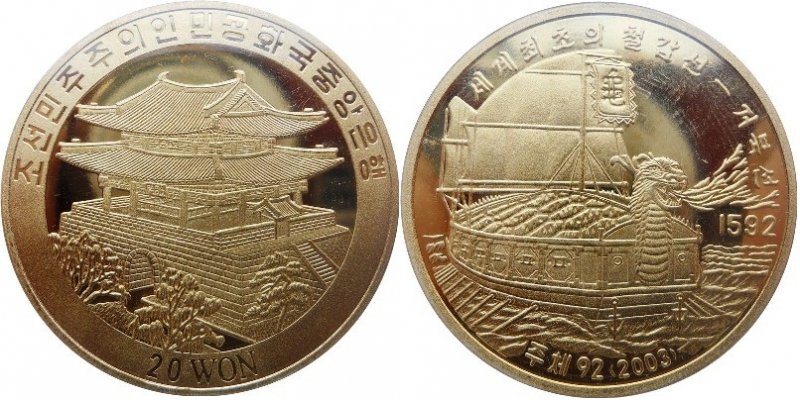
 Won Korea - North 20 won 2003
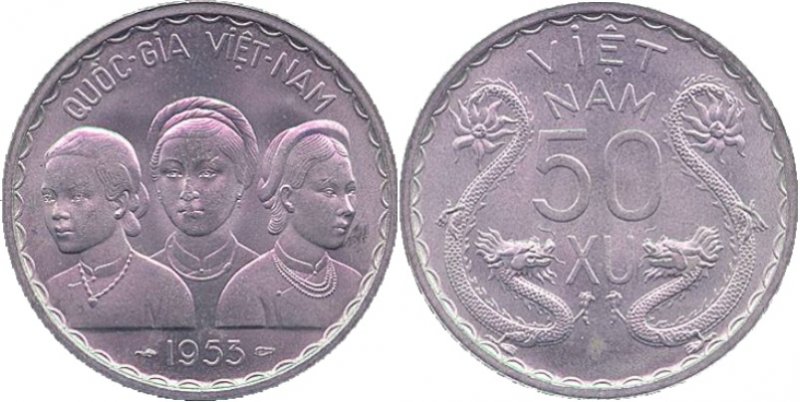
 Xu Vietnam-South 50 xu 1953
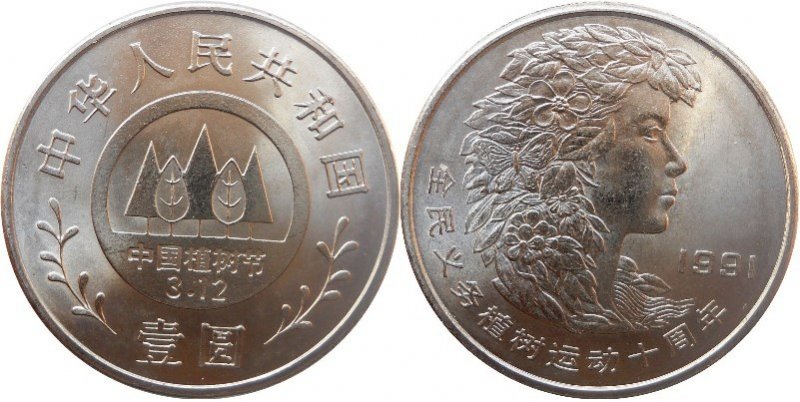
 Yuan China 1 yuan 1991
 Zloty 5 zlotych 1974