Posted 08/23/2012 11:55 am


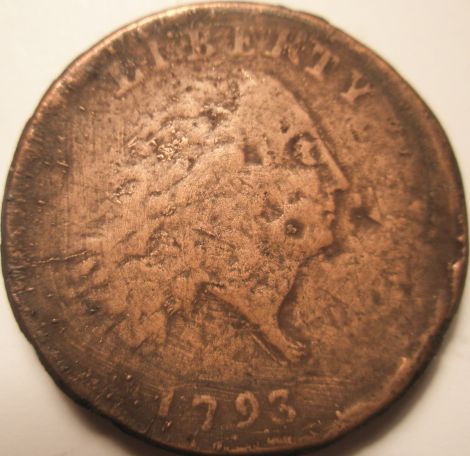
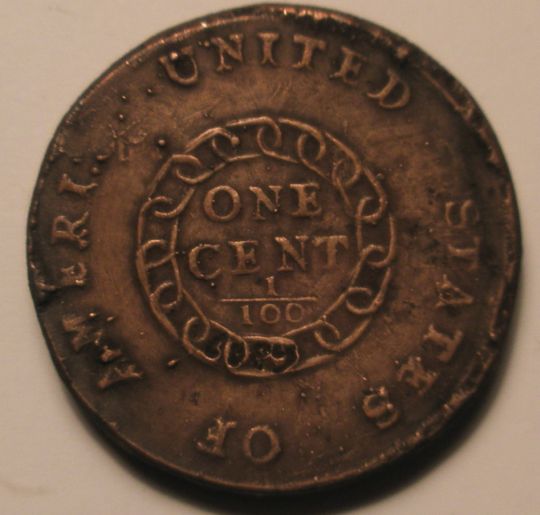
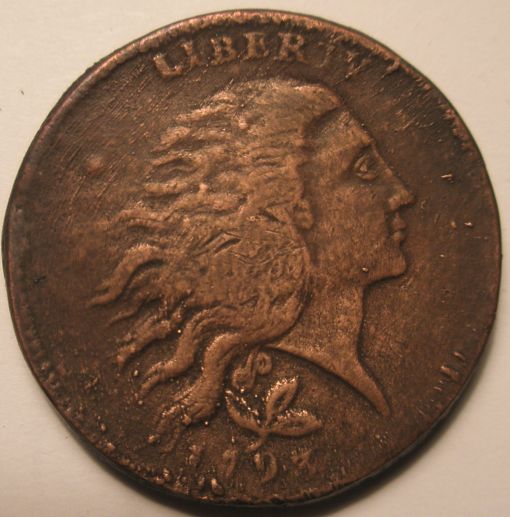
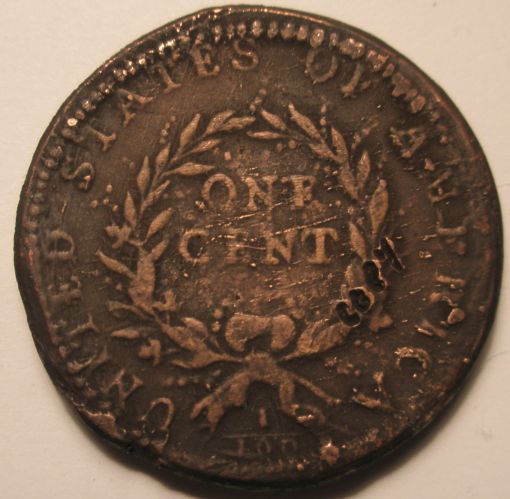
Electrotypes are not your run-of-the-mill Asian counterfeits and there is nothing unethical about selling one as long as it is disclosed as being an electrotype.
Electrotypes are high quality reproductions made of coins that are typically very valuable or essentially non-collectible due to rarity. Conder101 gave an excellent explanation of the process in a different post the other day so I will copy that-
As you can see, it is not a quick or simple process nor does it lend itself to mass-production. The fact that you need an original example is also a major hurdle to illegitimate counterfeiters. The process was primarily used in the early days of copper collecting in the 1800s and those period electrotypes are quite collectible to this day, as seen by the asking price of $299. It is also worth noting that Shawn Yancey is a high-end EAC dealer and the asking price is reasonable given that an original example is a $6000 coin.
Electrotypes are high quality reproductions made of coins that are typically very valuable or essentially non-collectible due to rarity. Conder101 gave an excellent explanation of the process in a different post the other day so I will copy that-
Quote:
Normally an electro is made from a nice or high grade coin unless you are dealing with a very rare coin that just isn't available nice. The coin is pressed into a casting medium, typically wax because it creates a very precise impression, and the impression is made conductive with a layer of graphite dust and it is then electroplated with copper to build up a thin shell. A shell is made of either side, the shells are filled with lead and the two shells joined together. Sometimes the seam on the edge is dressed up a bit and electroplated as well. A really good quality electro can reproduce the surfaces so well that the electros of the 1840 to 49 Half Cents even reproduce the mirrored surfaces.
Normally an electro is made from a nice or high grade coin unless you are dealing with a very rare coin that just isn't available nice. The coin is pressed into a casting medium, typically wax because it creates a very precise impression, and the impression is made conductive with a layer of graphite dust and it is then electroplated with copper to build up a thin shell. A shell is made of either side, the shells are filled with lead and the two shells joined together. Sometimes the seam on the edge is dressed up a bit and electroplated as well. A really good quality electro can reproduce the surfaces so well that the electros of the 1840 to 49 Half Cents even reproduce the mirrored surfaces.
As you can see, it is not a quick or simple process nor does it lend itself to mass-production. The fact that you need an original example is also a major hurdle to illegitimate counterfeiters. The process was primarily used in the early days of copper collecting in the 1800s and those period electrotypes are quite collectible to this day, as seen by the asking price of $299. It is also worth noting that Shawn Yancey is a high-end EAC dealer and the asking price is reasonable given that an original example is a $6000 coin.


 and well said.