Posted 09/06/2012 12:46 pm


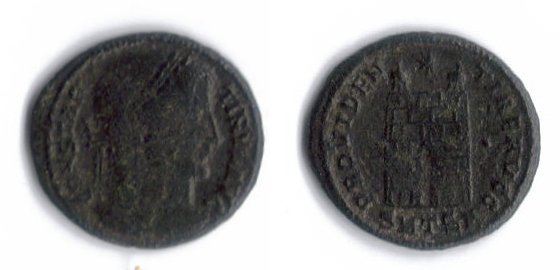
Collecting the ancient coins is quite difficult for the Newbie as it was and still is for most of us. If you are looking at Roman coins, that is a good place to start. You could in theory collect coins of the Rome Mint. There are different kinds of Roman coin that you can collect. There are coins of...
The Roman Republic c. 350 BC to 27AD
Roman Emperors c 27- approx 450 AD
Roman Provincial (coins of the provinces) 27- 450 AD
Byzantine (Eastern Roman Empire) Coins c. 500 - 1452 AD
The coins can be collected in...
AE = bronze, Brass and similar base metal alloys
AR = silver, including silvered base metal coins
AU = gold, very rare, very expensive, not many collectors own any
There are also Billon an alloy of silver and Bronze and Electrum Gold in alloy with silver or a base metal Bronze/ Lead and the like.
In my experience when I wanted to buy ancient, back when I knew slightly less then I do now, I would just search ebay until I found a coin that matched my criteria, I wanted a good obverse of the ruler and a well detailed god on the back. The Silver AR denarius for the most part is a good place to start. You can find a good example of a "common" ruler for not a lot of money. (Generally Speaking)
I hope this helps.
There is also a good book by Zander Klawns that I use. It is a quick over few of the different types of Greek and Roman coins and offers a great deal of information on how to read the Roman Legends. Which are often in Latin and also commonly in Greek as well. If you are anything like me you will have your work cut out for you as you will be familiarizing yourself with ancient text. The text on the coins is often worn and difficult to read. If you do find a coin with nice legends then the attribution of the coin if it is not already completely attributed will be relatively easy. Just remember that most often the inscriptions are an abbreviation of the rulers name often with IMP (Imperator) COS and Roman Numerals. COS refering to the Consulship (the top job) and numerals the years since taking the job...
Again I hope this can help you out, and congrats on your interest in Ancient Numismatics, it is a very select few of collectors who enjoy these relics as we do.
The Roman Republic c. 350 BC to 27AD
Roman Emperors c 27- approx 450 AD
Roman Provincial (coins of the provinces) 27- 450 AD
Byzantine (Eastern Roman Empire) Coins c. 500 - 1452 AD
The coins can be collected in...
AE = bronze, Brass and similar base metal alloys
AR = silver, including silvered base metal coins
AU = gold, very rare, very expensive, not many collectors own any
There are also Billon an alloy of silver and Bronze and Electrum Gold in alloy with silver or a base metal Bronze/ Lead and the like.
In my experience when I wanted to buy ancient, back when I knew slightly less then I do now, I would just search ebay until I found a coin that matched my criteria, I wanted a good obverse of the ruler and a well detailed god on the back. The Silver AR denarius for the most part is a good place to start. You can find a good example of a "common" ruler for not a lot of money. (Generally Speaking)
I hope this helps.
There is also a good book by Zander Klawns that I use. It is a quick over few of the different types of Greek and Roman coins and offers a great deal of information on how to read the Roman Legends. Which are often in Latin and also commonly in Greek as well. If you are anything like me you will have your work cut out for you as you will be familiarizing yourself with ancient text. The text on the coins is often worn and difficult to read. If you do find a coin with nice legends then the attribution of the coin if it is not already completely attributed will be relatively easy. Just remember that most often the inscriptions are an abbreviation of the rulers name often with IMP (Imperator) COS and Roman Numerals. COS refering to the Consulship (the top job) and numerals the years since taking the job...
Again I hope this can help you out, and congrats on your interest in Ancient Numismatics, it is a very select few of collectors who enjoy these relics as we do.


 to the community