| Author |
 Replies: 11 / Views: 1,380 Replies: 11 / Views: 1,380 |
|
|
Pillar of the Community
2226 Posts |
I hope this is an Educational opportunity for someone. Found this the other day and set it aside for further viewing. The date doesn't matter. I originally thought it might be a nice Struck through Error (grease?). Got around to looking at it today with a 10x loupe. A closer look tells me it is man made, PMD. What do you think? My reasons: - the coin's appearance of a struck through error is too inconsistent, some MONTECELLO letters present, some not, some only very faint. - the metal area around the lettering under 10x magnification that do not exist has a different (brighter and more shine)finish to it - the letters of MONTICELLO and metal area around it circled in RED do not have the same finish as the surrounding areas. I know there are chemicals whose acidity will eat away the surface area applied to. Selective use of some substance to eat away certain areas. I think that's what was done here. Or, I've got an unusual 'struck through'. Or, is my investigative thought process wrong here. What say ye? 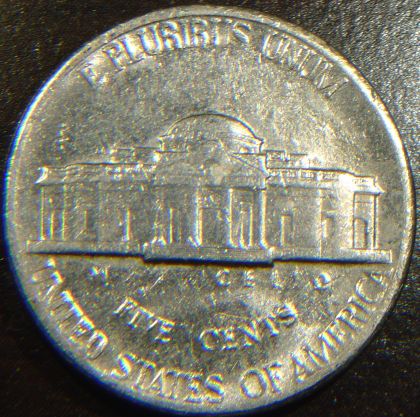 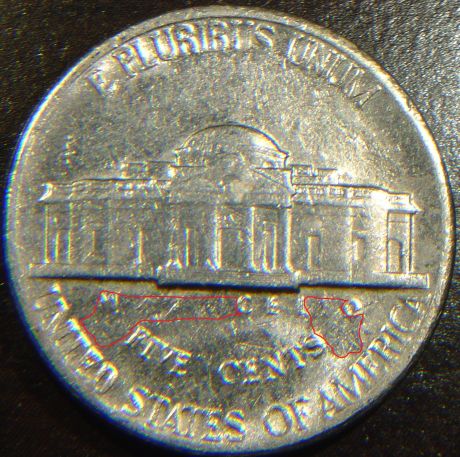 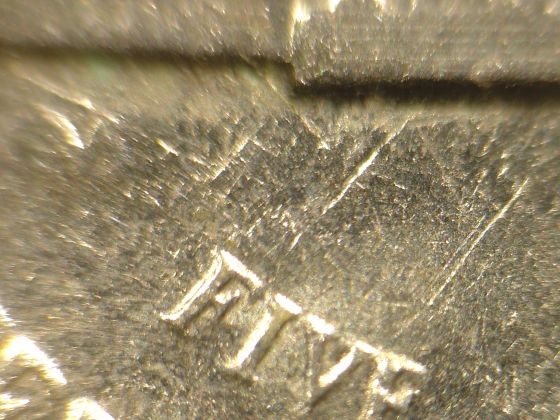 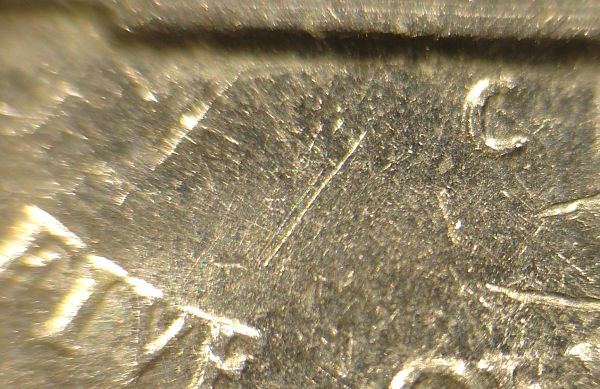 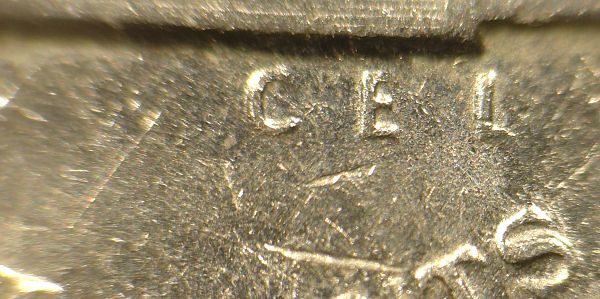 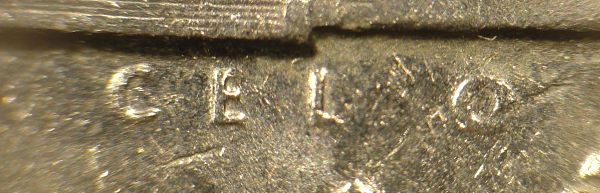 |
|
|
|
Bedrock of the Community
United States
36940 Posts |
Looks like it was struck from a Grease Filled Die. The whole strike looks kind of lousy. |
|
Valued Member
United States
110 Posts |
Definitely looks like a strike through to me. Cannot see any tool marks and the inconsistency and blotchy-ness indicates it would most likely be grease.
|
|
Valued Member
United States
300 Posts |
 Struck Through Grease Struck Through Grease, the inconsistent look is because the grease filled some areas and not others. If it was PMD you'd see tool marks where the missing letters should be. |
|
Pillar of the Community
 2226 Posts |
So, you think this is a authentic 'struck through"? I know the pics are not that great, but the finish of the nickel where letters are missing or barely visible, is significantly brighter than the rest of the metal outside the circled area. The surface area may also be slightly lower indicating to me a substance applied to remove it. Just playing this out in my mind  |
|
Pillar of the Community
United States
3592 Posts |
Not sure why anybody would go through that much trouble for a low cost error.But sometimes the area under a Struck Through Grease will look different...more like the texture of an unstruck planchet. |
|
Pillar of the Community
United States
1903 Posts |
What on earth would make you think anyone would go through that much trouble to replicate a Grease Filled Die coin when it is pretty much still just worth 5¢? I find Grease Filled Die coins quite frequently in my roll searching. Most are very minor but even a truely spectacular one wouldn't be worth the effort faking. |
|
Pillar of the Community
2226 Posts |
Ease up folks,
just asking for opinions and discussion here, not a thrashing.
|
|
Pillar of the Community
United States
3592 Posts |
Quote:
Ease up folks Make that "fella"...I was only giving my opinion...no thrashing on my post  |
|
Valued Member
United States
163 Posts |
Struck Through Grease is a legitimate error. Just common. However, it made you stop and look so it has some interest for you. Isn't this the essence (besides $) of error collecting? The three legged buffalo was caused by a polished die but yet people find it interesting enough to pay a premium. I say keep it.
|
|
Bedrock of the Community
United States
12437 Posts |
Quote:
the coin's appearance of a struck through error is too inconsistent, some MONTECELLO letters present, some not, some only very faint Rule #1 for obstructed strikes- there is nothing consistent about them, especially when you are dealing with something like grease that can flow or some random object that can fall out of the coining chamber before the next coin is struck. Quote:
the finish of the nickel where letters are missing or barely visible, is significantly brighter than the rest of the metal outside the circled area.
The surface area may also be slightly lower indicating to me a substance applied to remove it.
The different finish you see is an unstruck area that was not subjected to metal flowing into the die, it is essentially a raw planchet in the areas affected by grease/press gunk. Virtually all struck-throughs, be it grease or another foreign object, will create a depression to some degree because something is between the die and the planchet. |
|
Pillar of the Community
2226 Posts |
aaahhhhh........  Ok, that makes reasonable sense, I think I'm now convinced it is a struck through. Thanks to All! Quote:
an Educational opportunity for someone Must have been more so one for me.  |
| |
Replies: 11 / Views: 1,380 |
|






 Posted 09/06/2012 6:48 pm





