











 Posted 10/24/2012 01:52 am


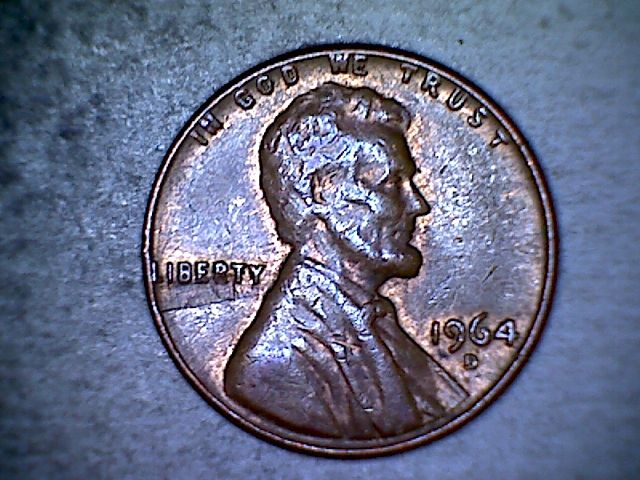
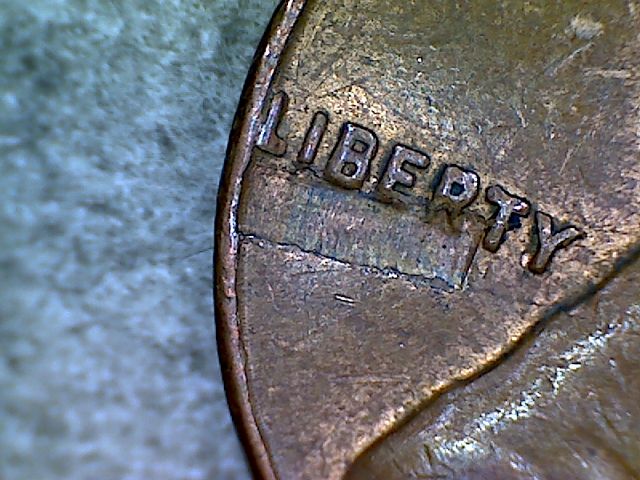
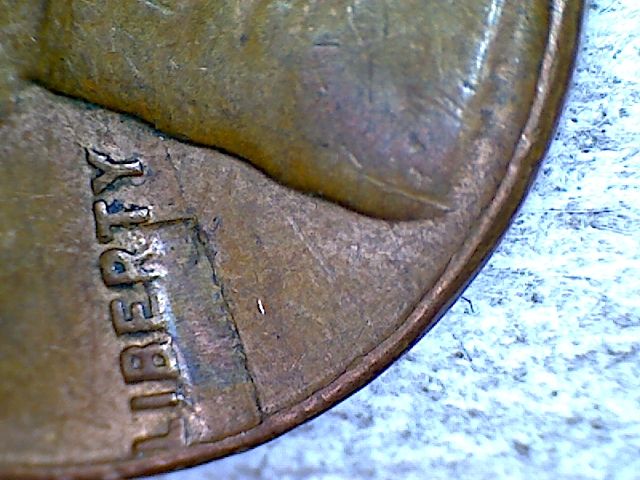
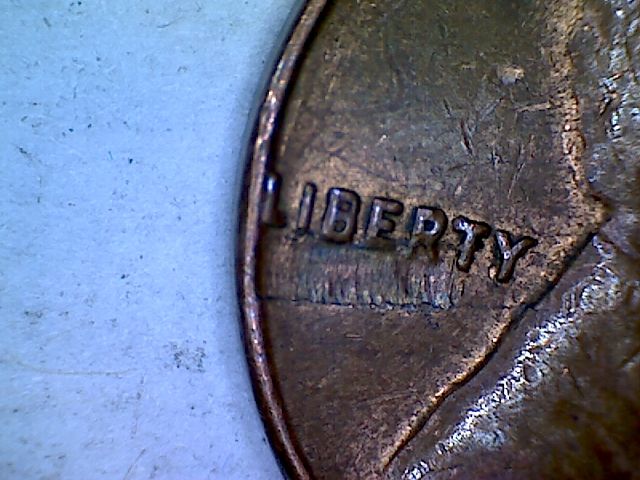
That is obviously damage that you have photographed.
HOWEVER, I can't bring myself to decide conclusively, that it is PMD.
It may have been, just MAY have been, damaged when struck.
I find it interesting that the rim has almost entirely escaped damage at that point. It is also interesting that most of the lower parts of the lettering have also survived.
If not PMD, the object between the planchet and the was die was thinner on the side where the lettering is. That suggests the the 'object' may have been partly compressible such as wood or plastic.
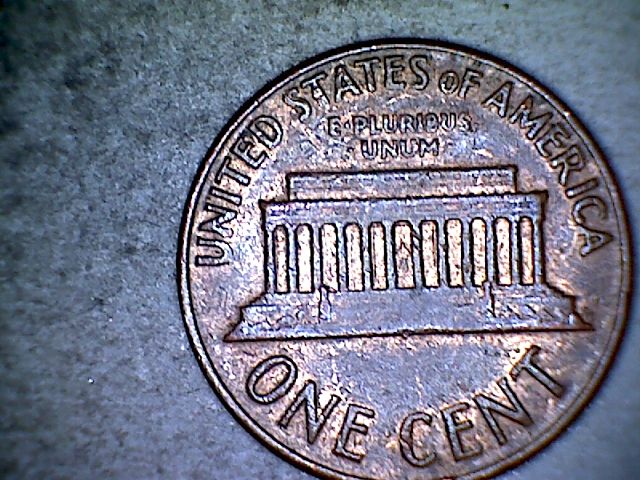
I doubt that IF it was wood or plastic, and had been damaged post mint, the coin would have been struck with great force, and the coin would have shown damage, such as bending, or some impressed localised flattening on the reverse.
HOWEVER, I can't bring myself to decide conclusively, that it is PMD.
It may have been, just MAY have been, damaged when struck.
I find it interesting that the rim has almost entirely escaped damage at that point. It is also interesting that most of the lower parts of the lettering have also survived.
If not PMD, the object between the planchet and the was die was thinner on the side where the lettering is. That suggests the the 'object' may have been partly compressible such as wood or plastic.
I doubt that IF it was wood or plastic, and had been damaged post mint, the coin would have been struck with great force, and the coin would have shown damage, such as bending, or some impressed localised flattening on the reverse.


