











 Posted 10/26/2012 1:14 pm


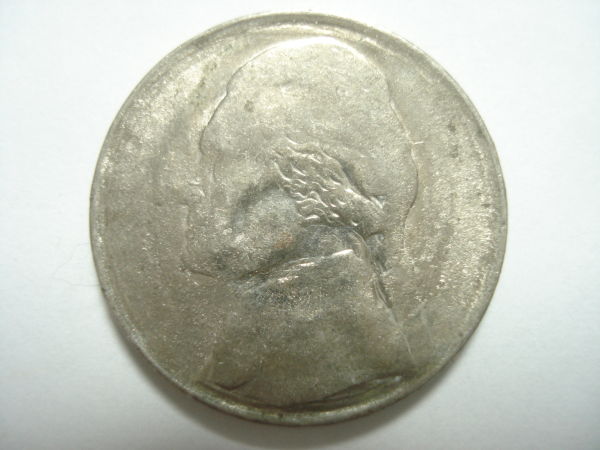
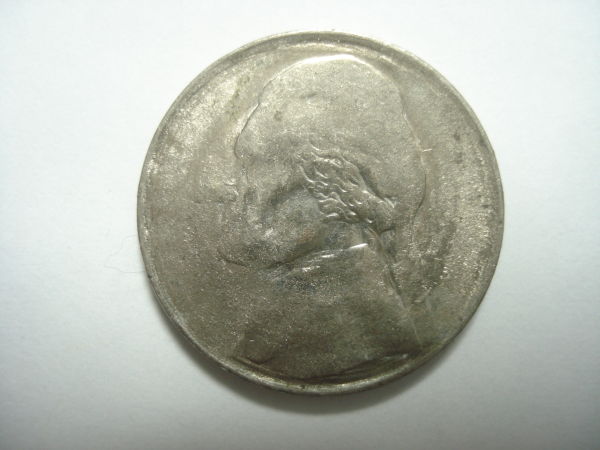
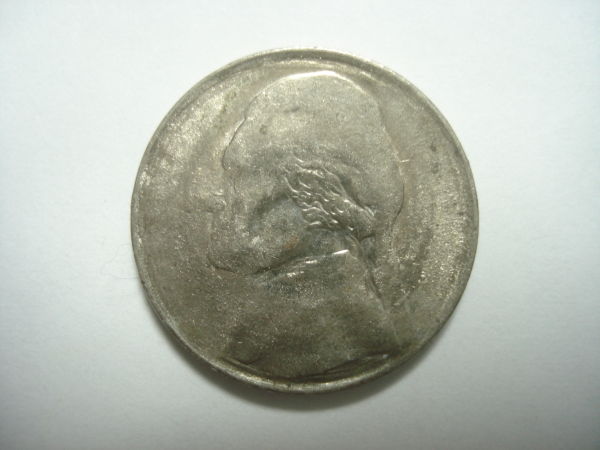
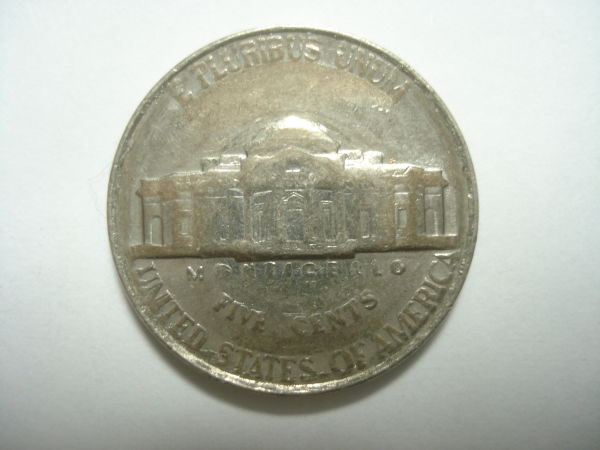
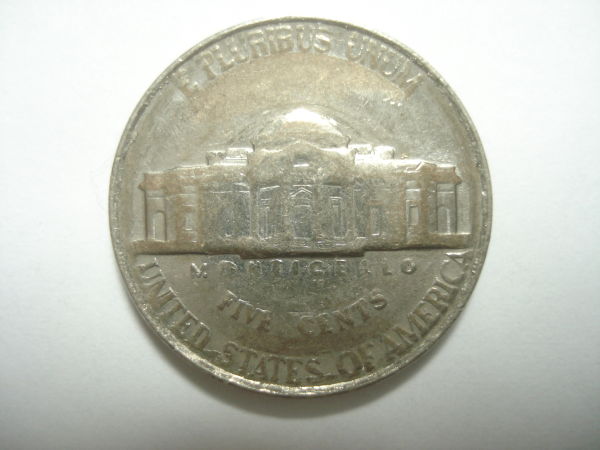
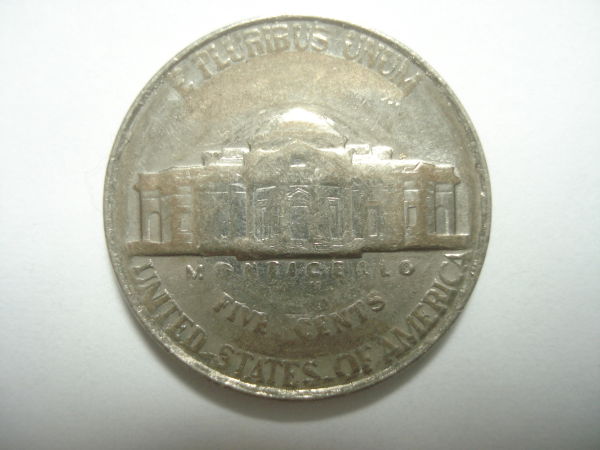
Unfortunately, your coin is just damaged. Your understanding of the process is stated in a simplified manner but you have the gist of it. This quote is from one of my posts on the subject from a few months ago-
Quote:
A die cap occurs when a planchet is struck but instead of being ejected from the coining chamber, it adheres to one of the dies. This die cap now becomes the die itself so instead of striking normal coins in relief, the first few coins struck will have an incuse mirrored image known as a mirror brockage. As the die cap strikes more coins, it spreads out and wraps around the shank of the die. This thinning and spreading of the die cap causes the resultant brockage image to distort and spread out with the end result being a late stage brockage. After repeatedly striking more coins, the die cap becomes so thin and distorted that it can no longer transfer the brockage image and then a ghost image of the capped die begins to appear.
A die cap occurs when a planchet is struck but instead of being ejected from the coining chamber, it adheres to one of the dies. This die cap now becomes the die itself so instead of striking normal coins in relief, the first few coins struck will have an incuse mirrored image known as a mirror brockage. As the die cap strikes more coins, it spreads out and wraps around the shank of the die. This thinning and spreading of the die cap causes the resultant brockage image to distort and spread out with the end result being a late stage brockage. After repeatedly striking more coins, the die cap becomes so thin and distorted that it can no longer transfer the brockage image and then a ghost image of the capped die begins to appear.


