




 First Page


 Posted 11/26/2012 08:58 am


I do consider both the Domna and the Aequitas unofficial. This is the official Alexandria with the same reverse lifted from Pertinax. It was one of my two Alexandria coins I owned when I first met the late Roger Bickford-Smith. He very much wanted to buy it and offered more than I would pay today. I look back on the decision not to sell this coin as the start of our correspondance where I learned most of what I know about Eastern denarii. I just happened to get a very rare one first.
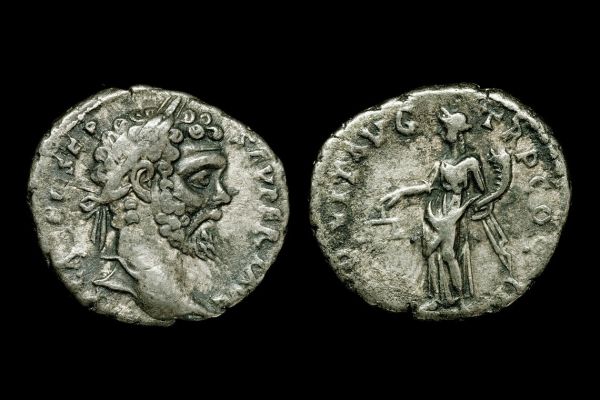
Exactly where we draw the line between an official mint and a very active barbarous one is a problem in my mind. There are hundreds of Alexandria mint denarii (maybe a thousand?) and the mint has been recognized for about 80 years. As more specimens of the strange Severus coins from the early period come to light someone will have to address whether there were other mints sanctioned by Septimius, mobile mints travelling with the army or just a super prolific time of unofficial activity. Considering that the recognized Alexandria and COS II mints both copied types including legends from earlier or inappropriate sources, the usual clues of unofficial are not as helpful as we might like.
Exactly where we draw the line between an official mint and a very active barbarous one is a problem in my mind. There are hundreds of Alexandria mint denarii (maybe a thousand?) and the mint has been recognized for about 80 years. As more specimens of the strange Severus coins from the early period come to light someone will have to address whether there were other mints sanctioned by Septimius, mobile mints travelling with the army or just a super prolific time of unofficial activity. Considering that the recognized Alexandria and COS II mints both copied types including legends from earlier or inappropriate sources, the usual clues of unofficial are not as helpful as we might like.


