| Author |
 Replies: 13 / Views: 1,969 Replies: 13 / Views: 1,969 |
|
|
Pillar of the Community
Canada
1354 Posts |
I bought this coin at bullion price and mostly because I like die cracks... The toning is so black on this coin I am considering cleaning it...I have never cleaned a coin before so I am hesitant. Does anyone have any suggestions? yes or No? All I have is a jar of eZest that I have never used before...If I could even just lighten it up a bit I would be happy. Thanks.. 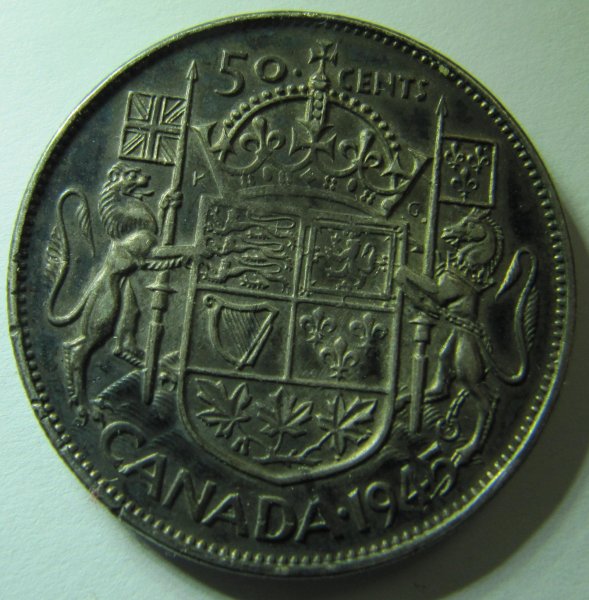 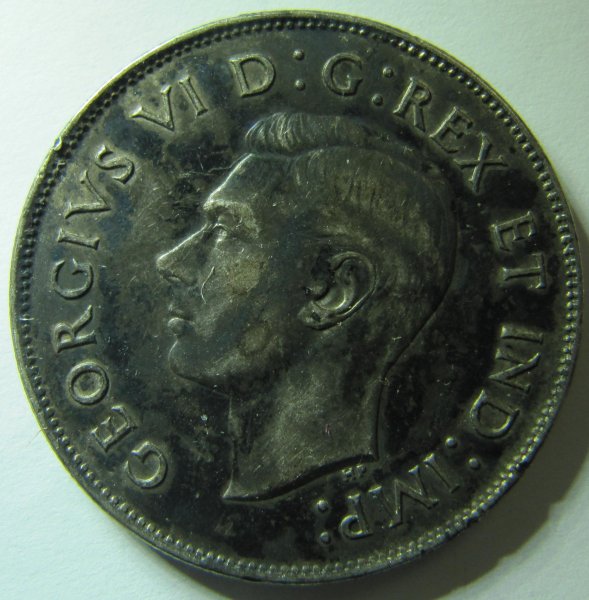 |
|
|
|
Pillar of the Community
1844 Posts |
well cleaning is not the best but try using a very mild soap and some really hot water.. you will remove most of the surface grime after just let it air dry.... If that doe not do it then acetone will lighten it a bit I think....
|
|
Pillar of the Community
Canada
1192 Posts |
Cleaning a coin that is just worth the bullion value won't hurt it.
That coin looks like tarnish or a chemical dip gone bad. Soap and water won't do anything for it. You could try dipping it in a silver cleaning solution and then rinsing thoroughly before patting dry with a soft towel/air drying. But dipping will strip the top layer off the coin, leaving bare metal underneath. It could end up looking much worse, as circulated coins often do after a dip.
|
|
Pillar of the Community
Canada
632 Posts |
It is a good coin to exercise. Dilute the dip solution at least 10 to 1. Hold the coin by the edge with coin tongs (tip of the tongs are protected with rubber or silicone). Dip the coin for a few seconds and immediately run it under running water. Rotate the coin a bit in the tongs, to dip the rest of the rim, and repeat the diping/rinsing. Pat it dry. Check the result, of needed repeat it once more but don't overdo. This process will not remove all the dark oxidation, but will give a bit of contrast in the devices.
Have fun.
|
|
Valued Member
Canada
333 Posts |
If you decide to clean, please post an after picture.
I am very interested to see the difference.
|
|
Valued Member
Canada
491 Posts |
Hey CC HATE to tell anyone but I collect those. Its a die adjustment strike coin used to set the machines up so the reliefs are all consistent. You will find even modern coins with the same black paint on them. The paint is used to highlight high points on the coins, if there is too much pressure the flattening of the high spots become more pronounced and easier to identify. DO NOT CLEAN THAT COIN!! I currently have 3 50 cent pieces a '62 '63 & '64. I'd be interested in it if you want to make an accommodation. 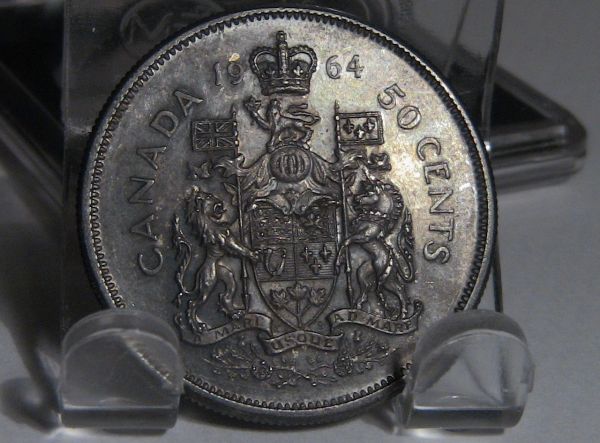 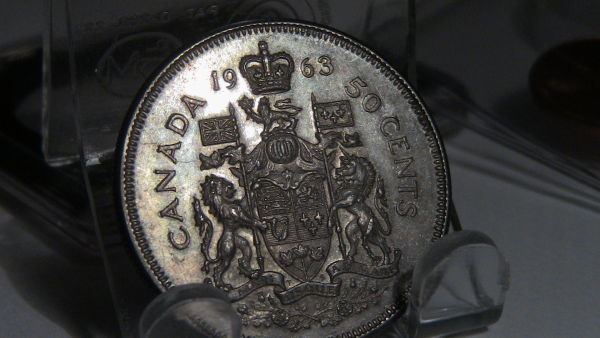 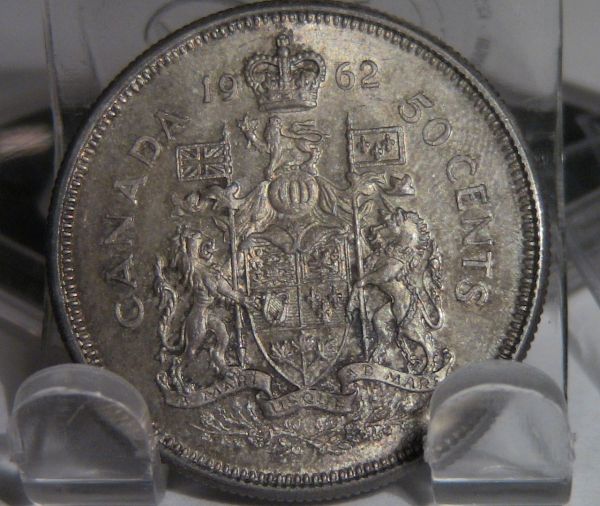 |
|
Valued Member
Canada
491 Posts |
This is crazy but this is one of my favorites. Somehow it managed to survive the old melting bucket, but this shows the same black paint that is on your coin. 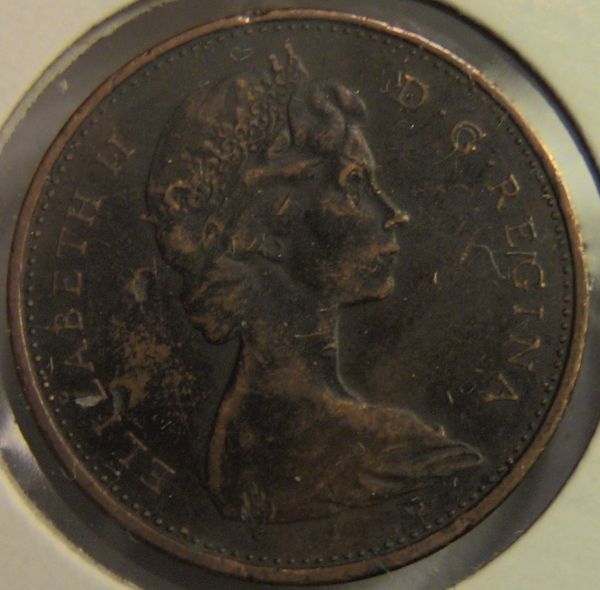 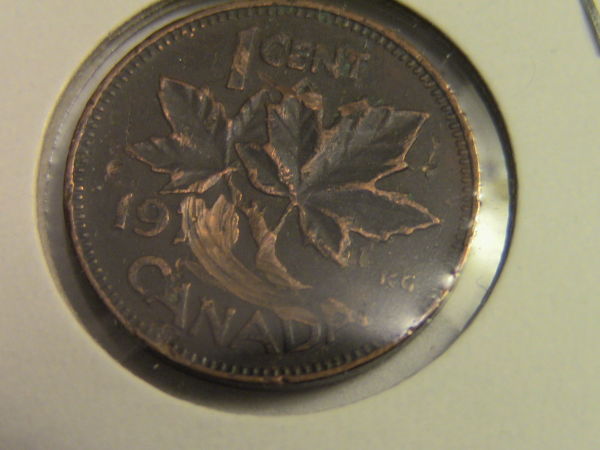 There are a few other pennies that I have but this is the darkest. |
|
Pillar of the Community
Canada
1192 Posts |
|
|
Bedrock of the Community
Australia
21792 Posts |
I think acetone then perhaps VerdiCare would be the way to go with these.
Gentle washing with soap and water is fine, but for non proof coins in less than MS60 only.
|
|
Pillar of the Community
United States
1391 Posts |
RogerD, that is interesting. I have seen coins like that before but didn't know why there were black.
Just a question, how do you know they were painted at the mint and not afterwards? I assume there are some kind of markers where you collect them.
Just goes to show if you don't know then don't do anything. I might add this to my list of, "I cleaned a coin" threads.... depending on the out come.
|
|
Valued Member
Canada
491 Posts |
@allranger I can't prove that they painted at the mint, nor has any scientific work been done on these coins. I am not trying to open a new market or subset for coin collectors, its an interest for me, but other than that my expertise on identifying specific paints through spectrum analysis is nil. The paint color after bathing is uniform across the coin and generally gets into every crevice that is on the coin.
@pokermandude Those coins you have were painted with a pen.
|
|
Valued Member
Canada
334 Posts |
These are not die adjustment strikes in my opinion . I have never seen a die adjustment strike with black paint .
|
|
Bedrock of the Community
Australia
21792 Posts |
They look like they have been coloured with a felt or fibre tip pen. That is why I suggested acetone.
|
|
Moderator
 Canada
10476 Posts |
Die adjustment strikes look completely different. They often look like weak strikes, but there can be differential depths of strikes on the devices. They are usually not released into circulation, and most certainly do not have black paint. The dies are slightly concave, so the first thing to look for is lack of detail in the devices supposed to be close to the rim. Most commonly, Struck Through Grease coins are confused with die adjustment strikes. Note that Canadian coins are rimmed prior to the strike, so you may still have a rim, with a die adjustment strike. Here is a decent article: http://minterrornews.com/features-1...rtified.htmlThis is a recent example: https://goccf.com/t/110446"Discovery follows discovery, each both raising and answering questions, each ending a long search, and each providing the new instruments for a new search." -- J. Robert OppenheimerContent of this post is licensed under a Creative Commons Attribution-NonCommercial 3.0 Unported License. See: http://creativecommons.org/licenses...0/deed.en_USMy eBay store
|
| |
Replies: 13 / Views: 1,969 |
|








 Posted 12/28/2012 9:27 pm


