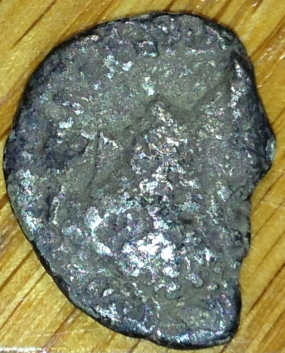
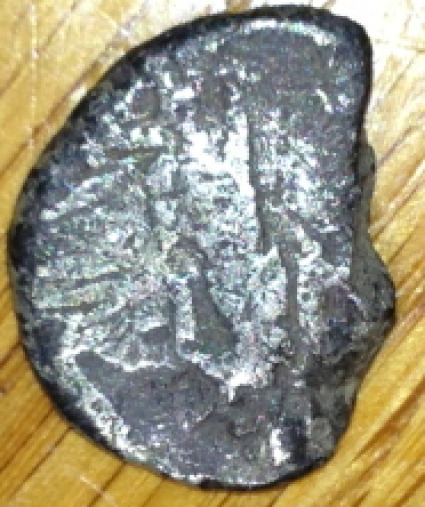
It is good you are endevouring in the coin cleaning and discovery process.

Below is my opinions, of what I see.
When I started, years ago, uncleaned coins were the first and easiest Roman coins for me to get, most were very low grade copper slugs, a few were okay, one was a gem.
So, I've done a lot of this

in my experience.
The positive is that now know not to make those errors if I get an uncleaned coin.
Most of all,
be patient &
AVOID ELECTROLYSIS.
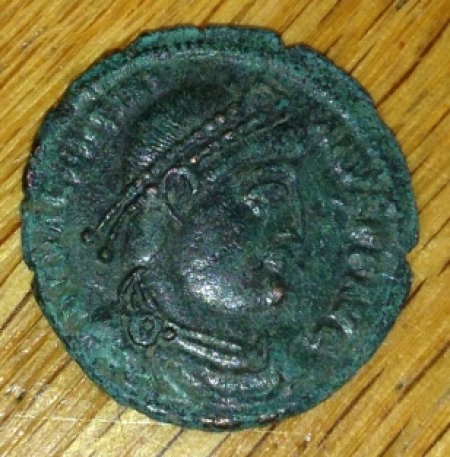
#1 Valens, a copper coin, nothing more to clean.
#2 Constantine II, nothing more to clean, the danger now is of removing the patina.
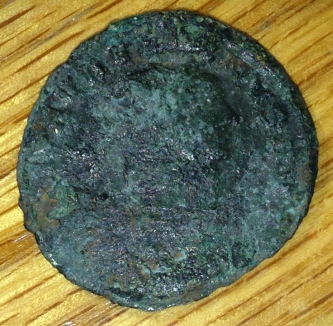
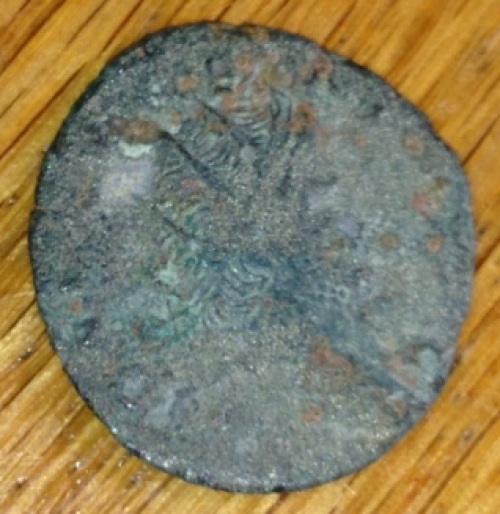
#3 Aurelian, the original silvering has corroded into "horn silver", basically it is a black, flaky build up. If you try to clean the result will be a pitted AE (bronze) surface.
#4 Valentinian I, (good example) no more cleaning needed.
#5 Gallienus, a Centaur/Sagiterius on the back, perhaps a little cleaning around the Radiate crown. By his reign, the Antoninianus had only about 15% silver to it.
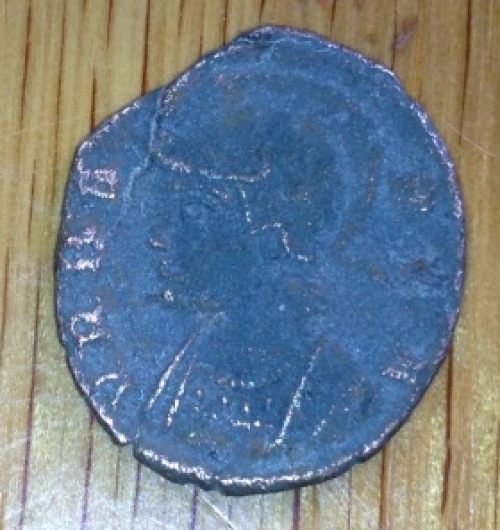
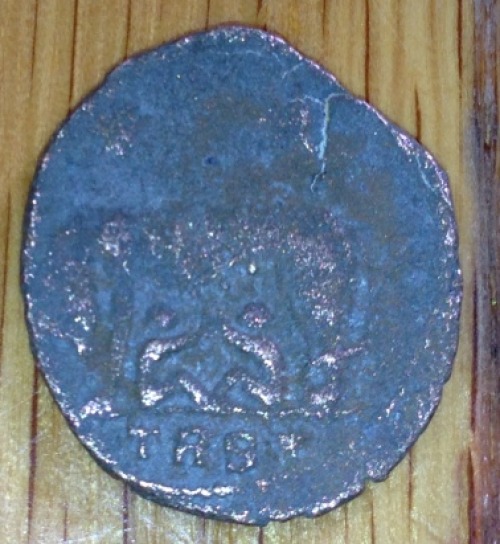
#6 Urbs Roma, do not clean, as the patina seems to be wearing off, as has happened on the reverse.
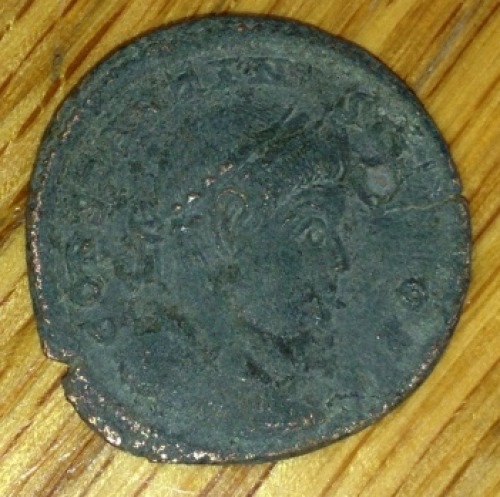
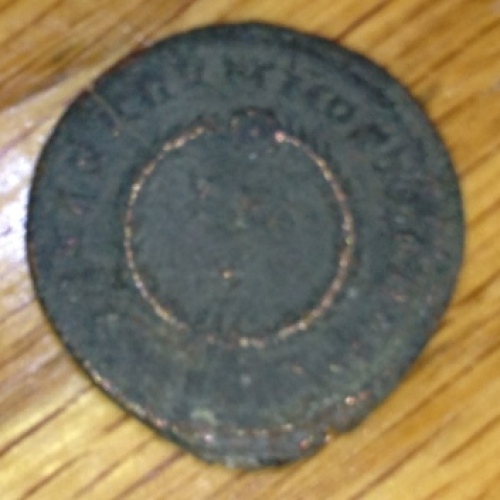
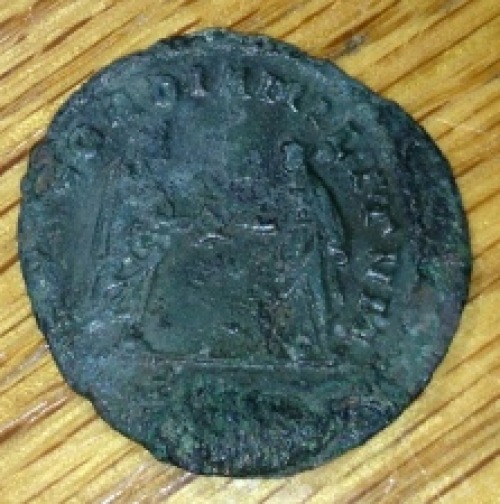
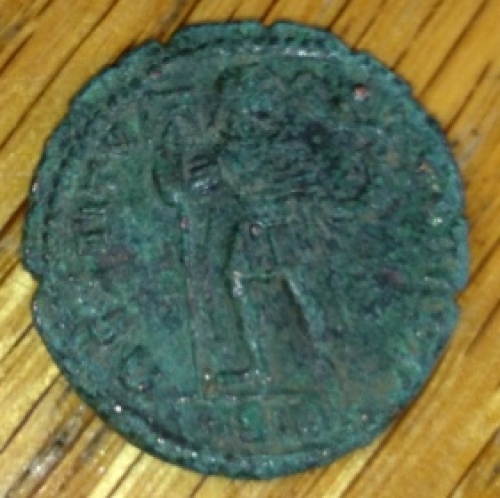
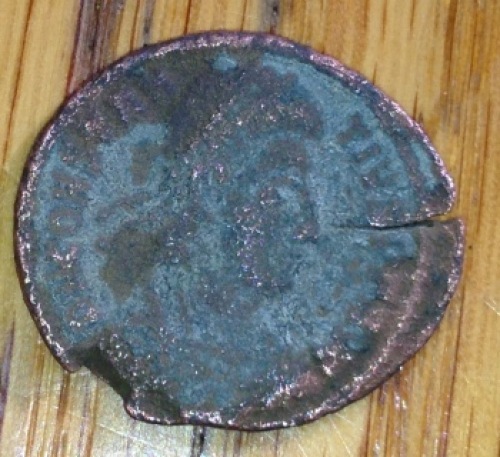
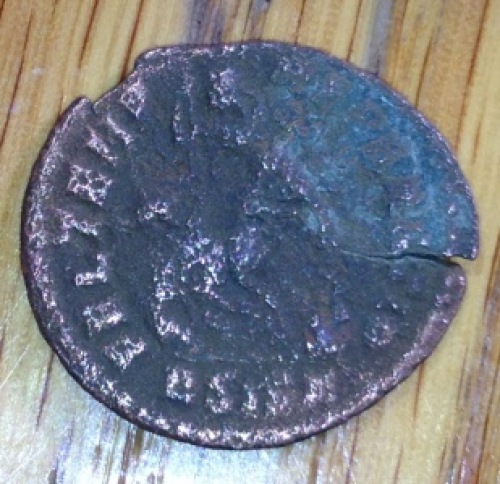
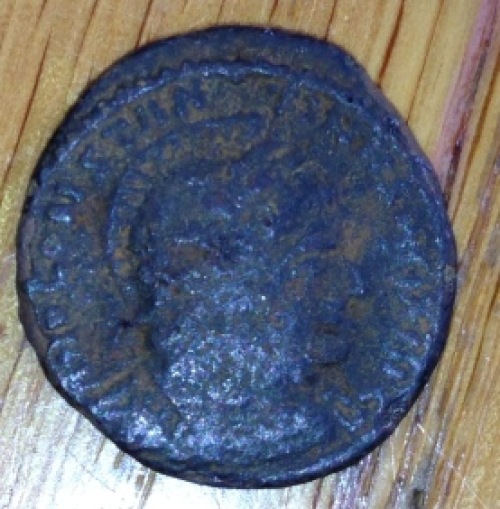
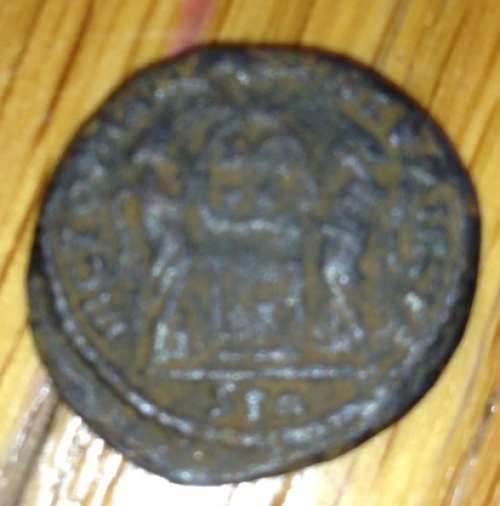
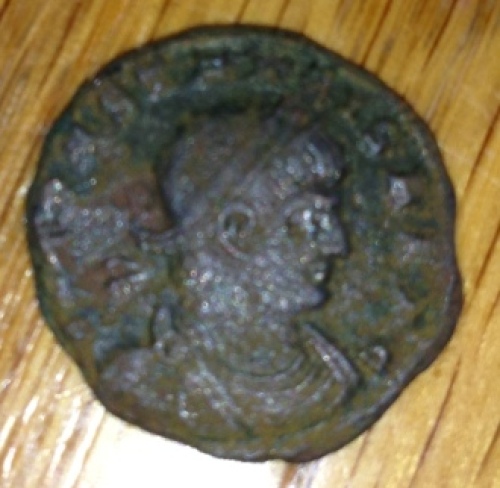
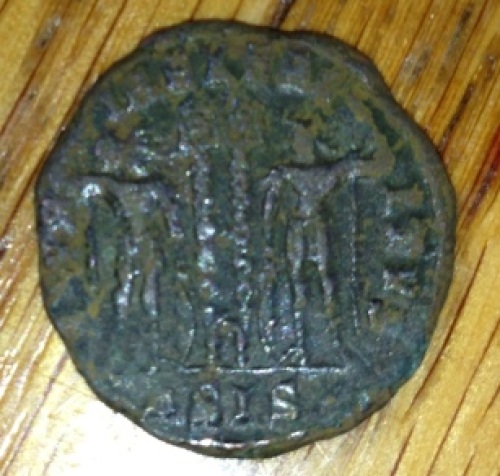
#7 Constantius II, though some corrosion remains, the choice is remove it and have a very pitted coin or leave it. It seem to be an Official Issue, from the Siscia mint, and is common.
#8 Constantine I, Siscia mint, leave as it is, the soil dirt highlights the features.
#9 Constans, leave as it is.
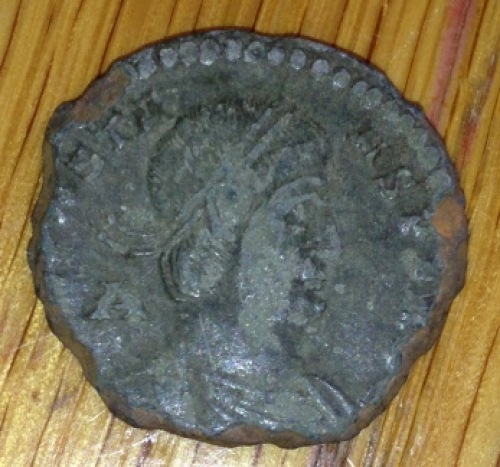
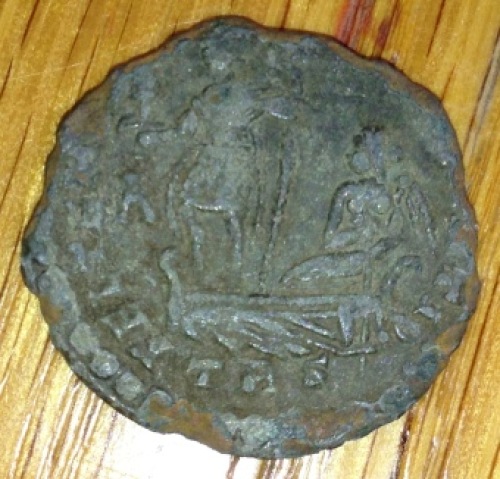
#10 Constantine I? Obverse fine, reverse overcleaned.
#11 Gratian? Copper. Some black encrusation is seen on the obverse. Maybe a soak in a salt-water solution in a jar/small container might work off that encrusation, anything acidic will corrode the coin.
#12 Cannot make out the obverse legend, ....STANTIS...? Obverse okay, reverse overcleaned.
#13 Constantine? Obverse overcleaned, reverse a light clean needed, nothing abrasive.
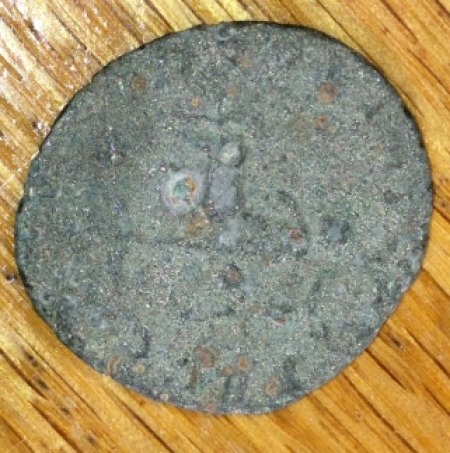
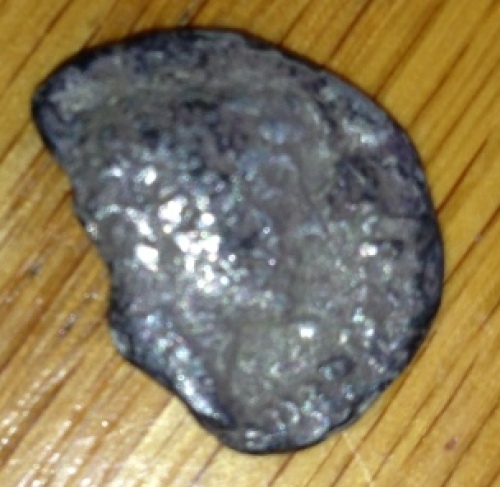
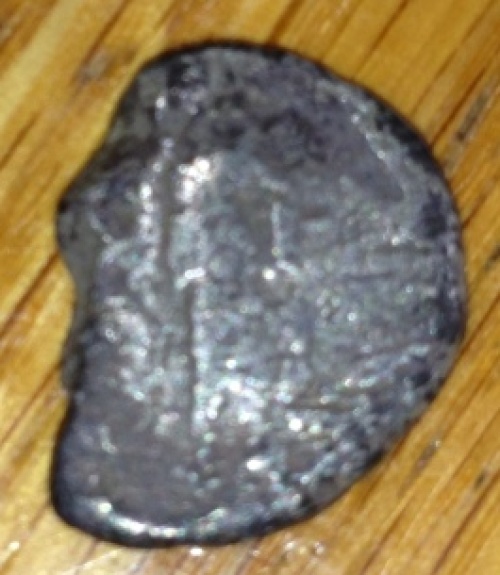
#14 A plated denarius of a young Marcus Aurelius? Cannot be cleaned as it seems corroded.










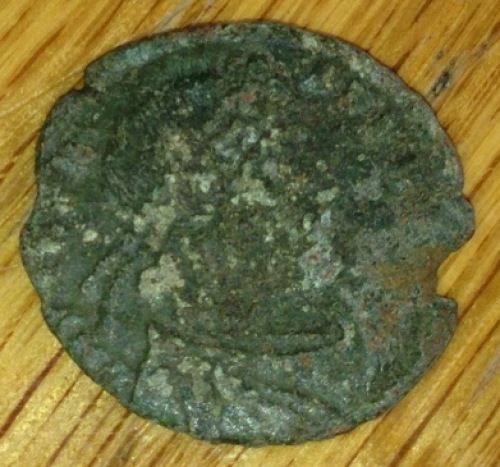
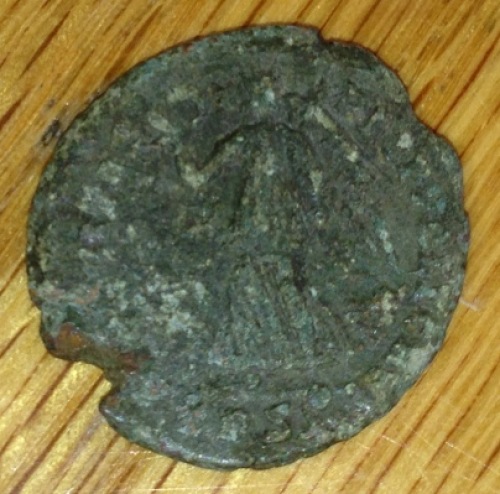


 Posted 02/06/2013 5:01 pm