| Author |
 Replies: 16 / Views: 2,488 Replies: 16 / Views: 2,488 |
|
Valued Member
United States
286 Posts |
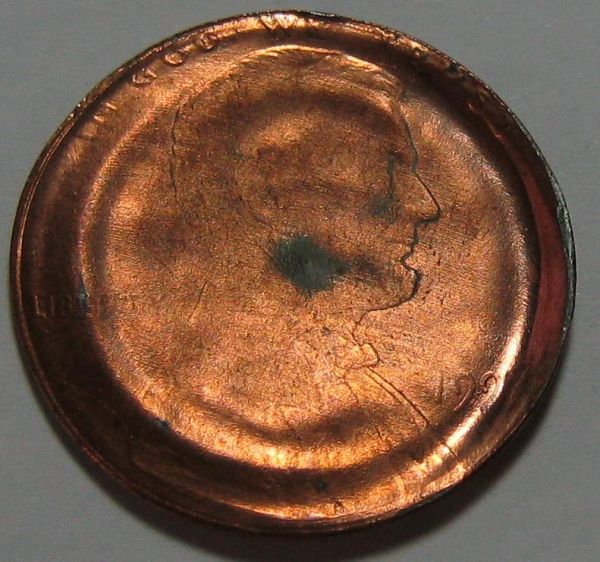
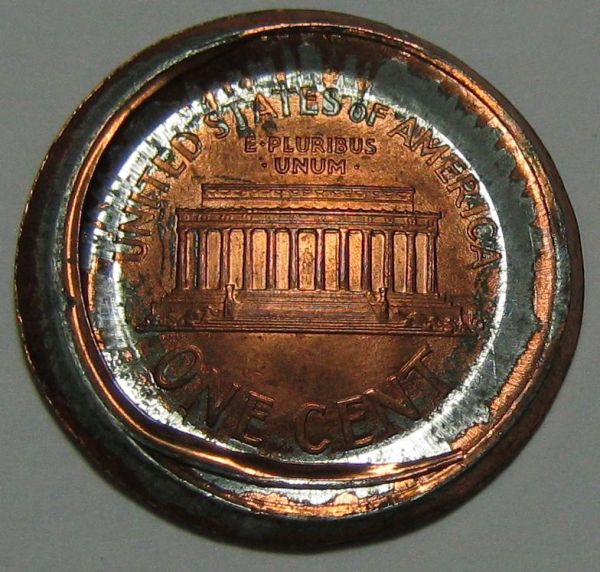
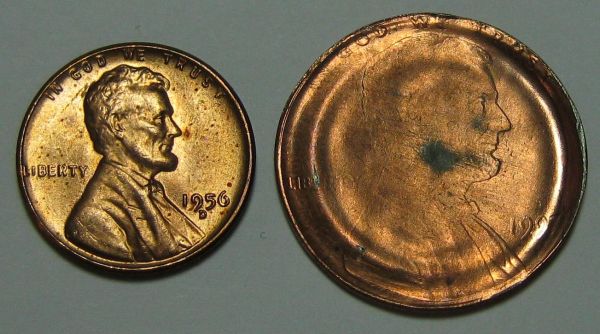
Bigger than a quarter. 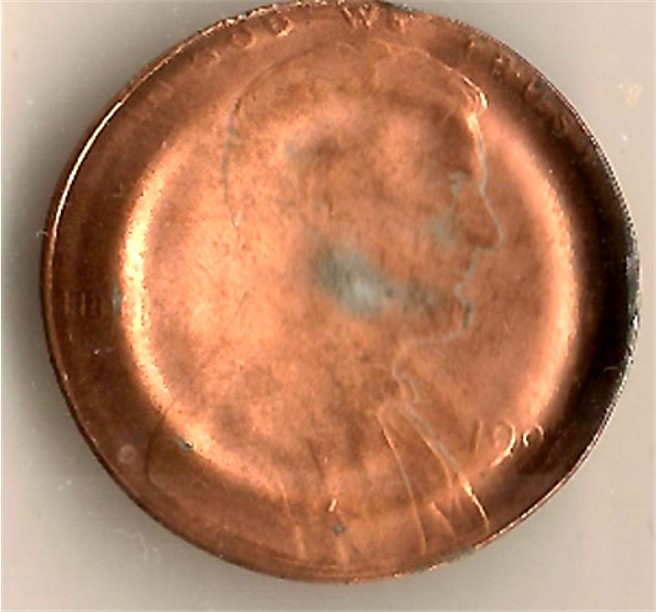 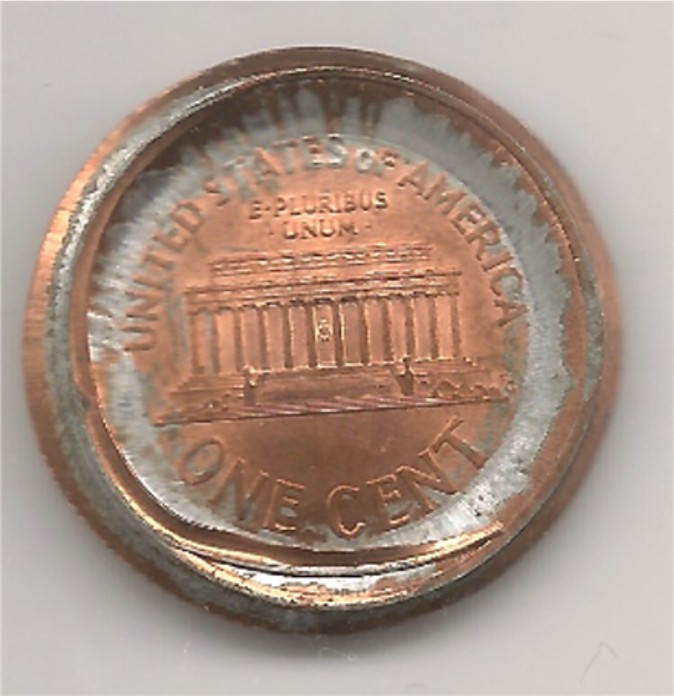 |
|
|
|
Pillar of the Community
United States
1795 Posts |
|
|
Rest in Peace
United States
4078 Posts |
Is it a mint error of PMD? |
|
Valued Member
 United States
286 Posts |
Mint Error. Will post better pictured when it arrives!
|
|
Pillar of the Community
United States
3453 Posts |
How can you tell the difference between this type of mint error and PMD? The nuances escape me and I am very curious about it. Thanks! |
|
Moderator
 United States
56855 Posts |
Neat looking. Now you know we are going to want to know how much it cost. Feel free not to say. John1  |
|
Rest in Peace
United States
1943 Posts |
|
|
Bedrock of the Community
United States
12437 Posts |
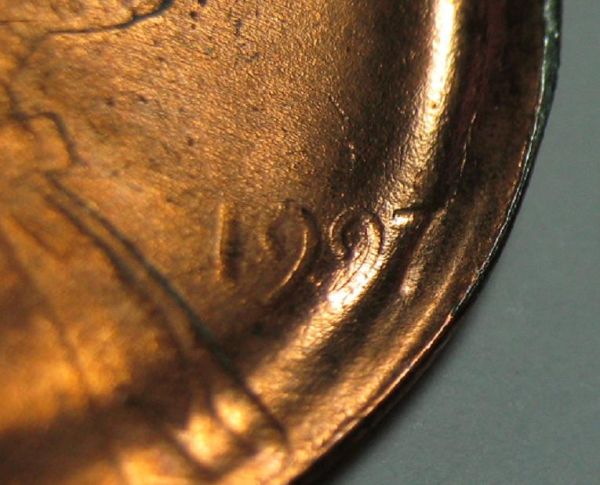
Quote:How can you tell the difference between this type of mint error and PMD? This type of error would be almost impossible to replicate unless you had access to a press and Memorial reverse die. Just about everyone reading this post has probably seen a coin struck through a capped die, it is fairly common as far as errors go and only has a modest premium unless a strong brockage is displayed. The error pictured here is the actual die cap in all its flattened glory, an error that is much rarer than the resultant struck-through errors. Die caps occur when a struck coin fails to release from the dies and adheres to one of them, this results in the coin(die cap) now acting as the die. The first couple strikes result in a perfect mirror brockage, another rare and highly desirable error. As the die cap continues to strike coins, the planchet spreads out and wraps around the shank of the die. This stretching process also typically breaches the plating, giving the exposed zinc a "sunburst" appearance. Notice that the reverse detail is essentially perfect so that means it was the reverse die that was capped which preserved the detail. As the obverse continues to act as a die, the obverse design detail is flattened and stretched out, expanding as the planchet expands. The last few strikes made by this cap were still brockages since the obverse detail is largely preserved but that type is not nearly as rare or sought-after as the mirror type. If this coin had continued to cap the die, the obverse detail would have eventually been a ghost image or completely obliterated, resulting in the more common generic(not identifiable by date/mm) struck-through capped die errors. |
|
Valued Member
United States
286 Posts |
 Biokemist6 I paid more than I would have liked to on this one. But not too over the top. Coin will either be sent to NGC or PCGS for slabbing and grading. Not sure, on a tight budget at the moment. |
|
Pillar of the Community
United States
8533 Posts |
Pretty sweet coin !
Oregon coin geek.....*** GO BEAVS ! ! ! ***
|
|
Moderator
United States
15852 Posts |
Exceptional and informative description biokemist6 of how this coin came to be.  Your valued contributions are much appreciated. David Take a look at my other hobby ... http://www.jk-dk.art |
|
Pillar of the Community
United States
2189 Posts |
I saw that one and was going to bid but was already top bid on a few other auctions.Congrats on an awesome error
|
|
Pillar of the Community
United States
3453 Posts |
Thanks biokemist6! Bookmarked for future reference.
|
|
Pillar of the Community
United States
2480 Posts |
Yes, thank you, biokemist6, for that very clear description of the process!
|
|
Pillar of the Community
United States
853 Posts |
Awesome extreme broadstrike!
|
|
Valued Member
United States
286 Posts |
|
| |
Replies: 16 / Views: 2,488 |







 Posted 03/01/2013 12:10 pm