| Author |
 Replies: 13 / Views: 7,773 Replies: 13 / Views: 7,773 |
|
|
Pillar of the Community
United States
3360 Posts |
The L is quite weak - almost invisible on this 1985-D Lincoln Cent. The IN are weak also and the tops of GO.I am wondering if this might be a Die Attricion Error (the rim in that area has a gentle curve rather than a clear edge). Or could this be a Vertically Misaligned Die? (How would you tell the difference?) Pete 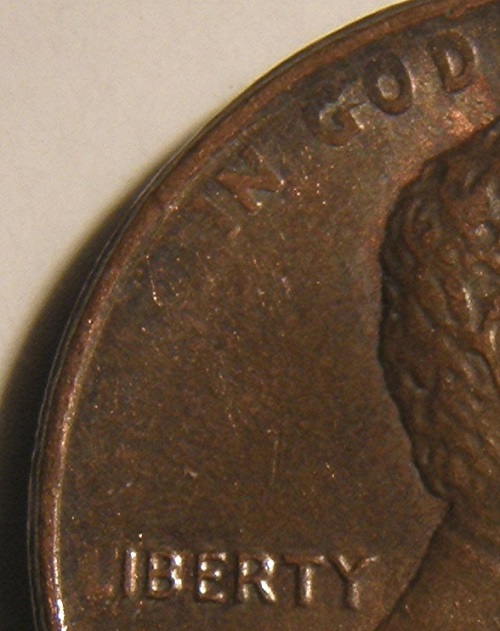 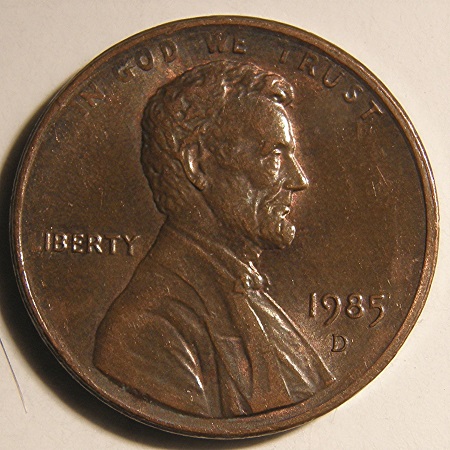 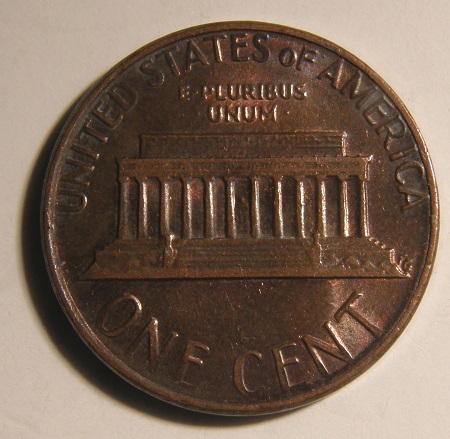 |
|
|
|
Valued Member
United States
271 Posts |
Typical for those coins, either a weak strike or wore dyes.
|
|
Rest in Peace
United States
1943 Posts |
I would expect on a vertically misaligned die error LIBERTY would get progressively weaker as it gets closer to the rim instead of suddenly having one letter struck weakly. I agree this is common and is die wear.
|
|
Bedrock of the Community
United States
62064 Posts |
|
|
Pillar of the Community
 United States
3360 Posts |
Very helpful! Thanks Richard.
Pete
|
|
New Member
United States
1 Posts |
It's not a grease strike.. it was my first instinct, too. I have one of these in uncirculated condition and there's no grease mark on the strike. My L is even less visible than this one, but oddly enough, most of the area looks perfectly struck. I feel like the letter in the die may have gotten filled with something other than grease?
|
|
Pillar of the Community
United States
1781 Posts |
I tend to think filled die.
|
|
Pillar of the Community
United States
3463 Posts |
Many times filled dies are referred to as grease strikes or Grease Filled Die errors. It doesn't really matter what the die was filled with, dirt, grime, grease, or whatever, it's still a filled die. Edited by cwb
06/06/2015 5:39 pm
|
|
Pillar of the Community
United States
6478 Posts |
 with a small amount of grease. |
|
Pillar of the Community
United States
3360 Posts |
Thanks for the comments on the L. The other part of my question was: Quote:
The IN are weak also and the tops of GO. I am wondering if this might be a Die Attrition Error (the rim in that area has a gentle curve rather than a clear edge). Or could this be a Vertically Misaligned Die? (How would you tell the difference?) What about that? |
|
Bedrock of the Community
United States
62064 Posts |
On die attrition, you will see the edge moving toward the devices. Some areas closer and the rest normal. The Attrition is cause by the collar rubbing on the edge of the die when it is striking MAD coins. The removes part of the die on that area. 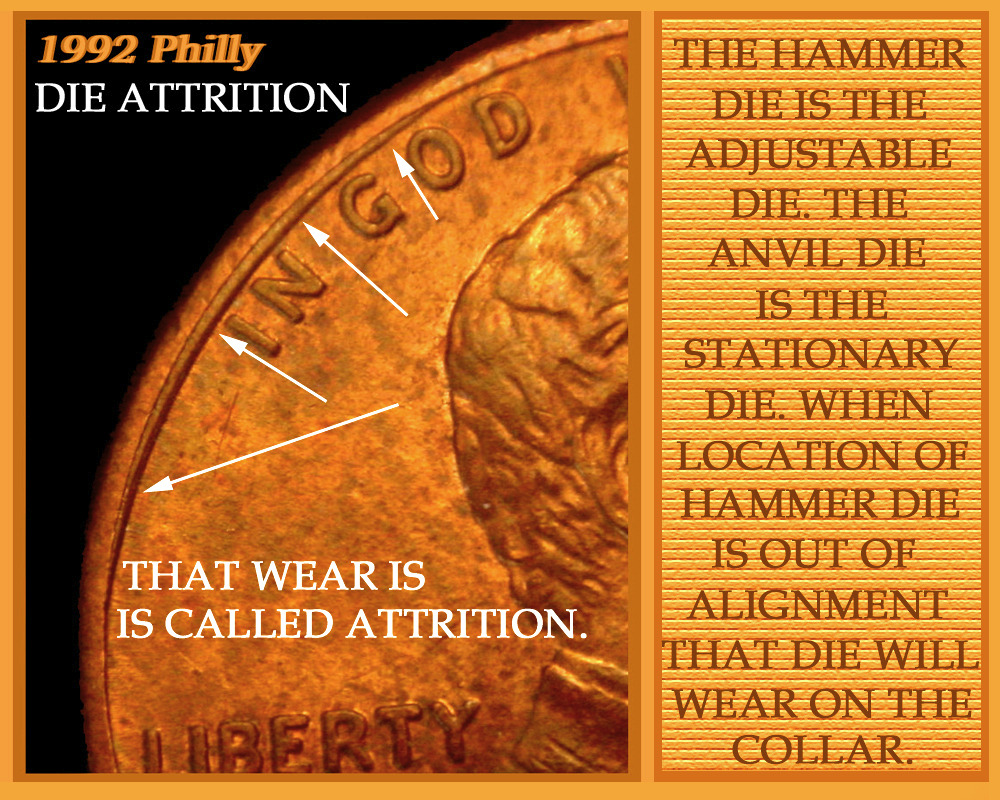 Note where the arrows are how the edge is not closer in that area? 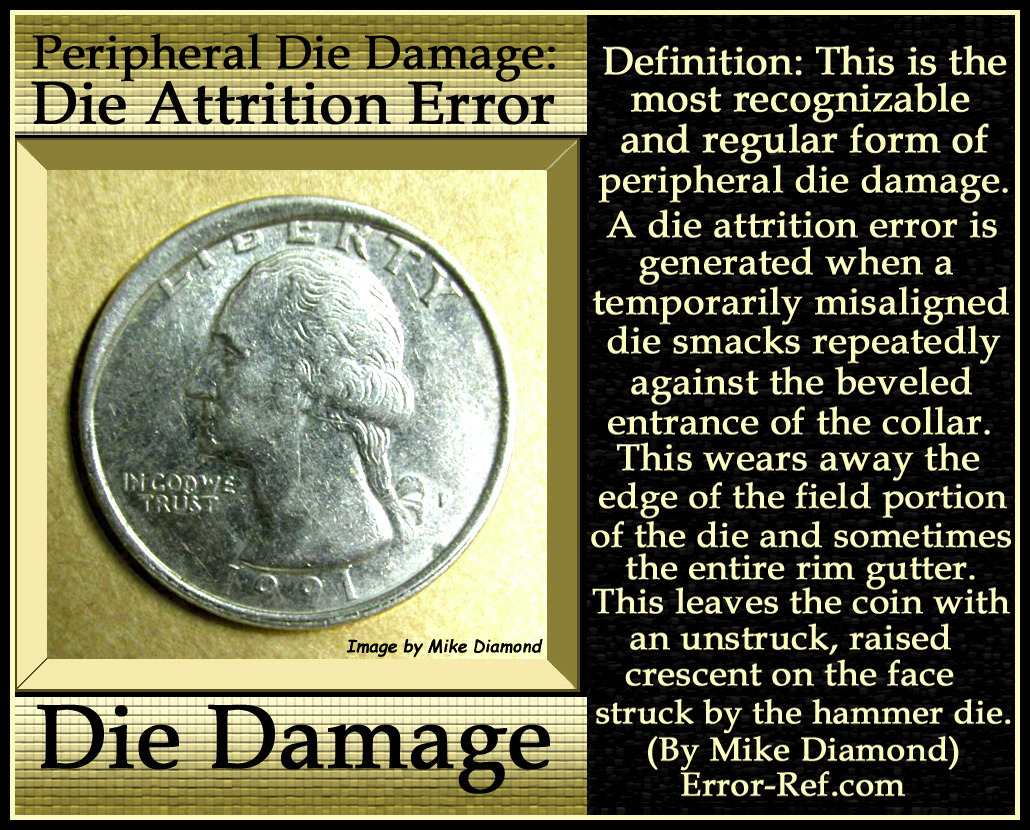 On your coin IN GOD is showing the classic Struck Through Grease. Note how the devices look wider than normal? That is from a partial Grease Fill in those devices. On the rim it looks like it took a hit to the left of IN. But nothing real collectable is seen on your coin. Sorry |
|
Pillar of the Community
United States
3360 Posts |
Thanks, coop - helpful images. No need to be sorry - I post to learn.
|
|
Bedrock of the Community
United States
62064 Posts |
The nice thing is that not only the one who posts a question benefit, but others who read the thread also benefit.
|
|
Pillar of the Community
United States
3360 Posts |
The 1992 Philly die attrition photo looks similar to one of my prior posts, but not the same. On my prior post the rim is not narrowed. see: https://goccf.com/t/215233#215233 |
| |
Replies: 13 / Views: 7,773 |
|








 Posted 05/03/2013 3:37 pm


