| Author |
 Replies: 14 / Views: 3,728 Replies: 14 / Views: 3,728 |
|
|
Pillar of the Community
Australia
1041 Posts |
I have 2 1920 pennys one has a dot above the lower scroll the other has no dots and a error between the 2 NN what would the error between the 2 NN be and what is the difference between the dot above the bottom scroll and no dot both vg grade DOT ABOVE SCROLL 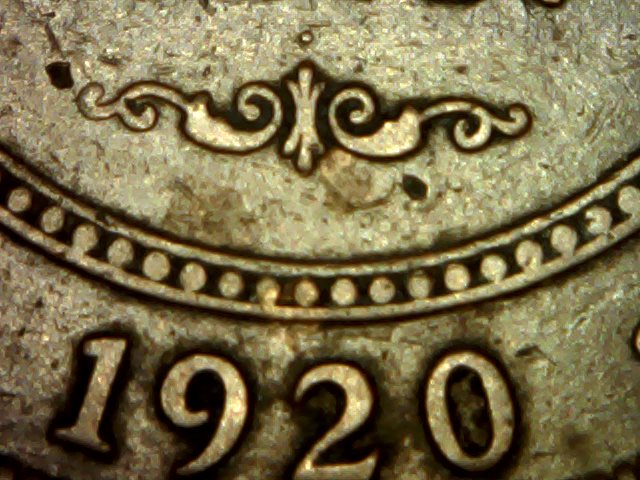 DOT ABOVE SCROLL 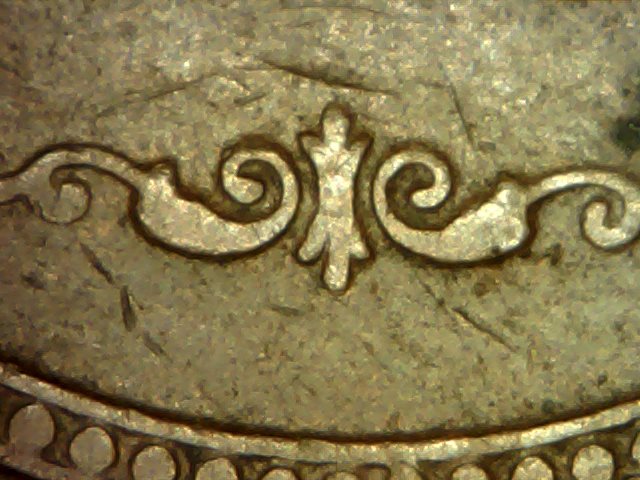 NO DOT WITH ERROR BETWEEN NN LOOKS LIKE A I TO ME 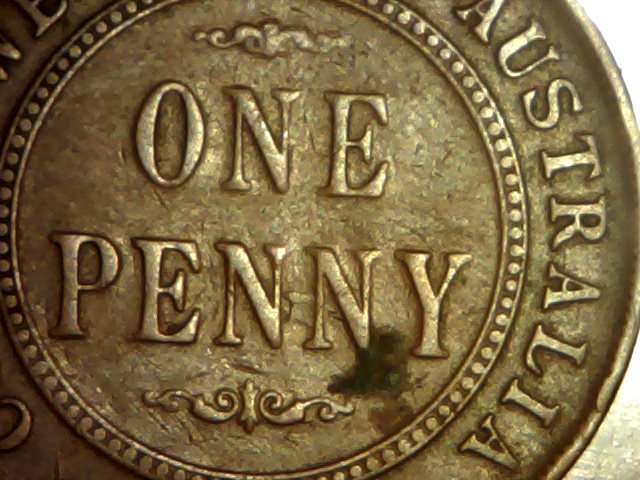 ERROR BETWEEN THE NN NO DOT 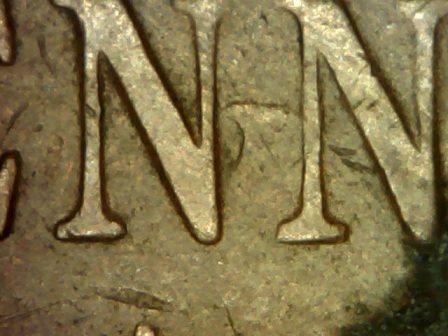 DOT ABOVE SCROLL 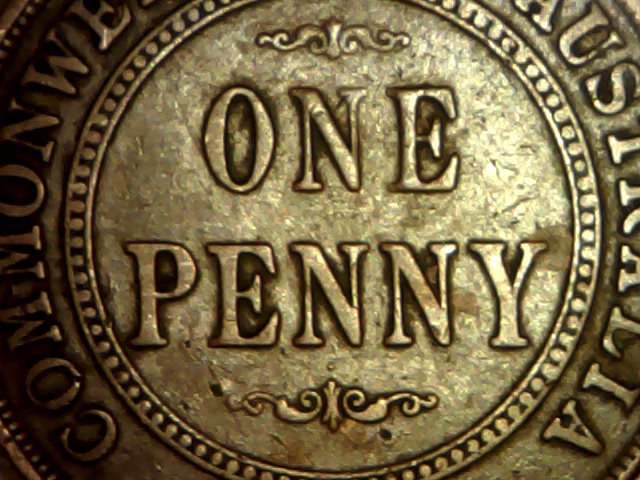 |
|
|
|
Valued Member
Australia
271 Posts |
Hi Shane, Visit this page to learn a little about the 1920: http://triton.vg/P20.html At least some a..hole hasn't rubbed your 1920 to see it there is any dots or not! |
|
Pillar of the Community
 Australia
1041 Posts |
lots on dots and no dots but what would the value on each be any idea
|
|
Valued Member
Australia
271 Posts |
Can you post the obverse pics as well? The no dot variety is worth approx 3x as much as the others, but I will leave the grading and subsequent value to others with more experience.
|
|
Pillar of the Community
Australia
1041 Posts |
no dot 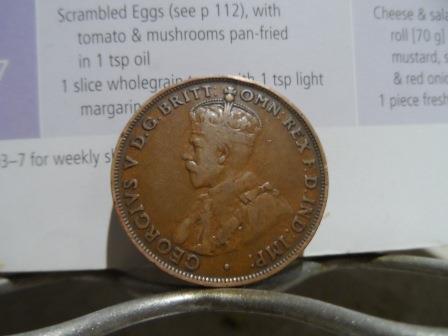 no dot 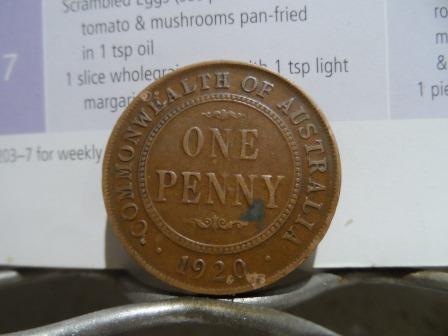 dot above 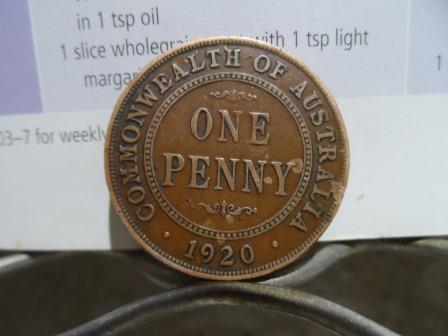 dot above 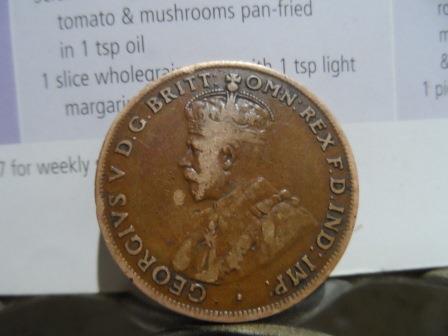 |
|
Formerly nancyc
Australia
5385 Posts |
life is a mystery to be lived not a problem to be solved
|
|
Valued Member
Australia
86 Posts |
Quoting from the http://triton.vg/P20.html page: "One thing should be immediately apparent, namely the supposed scarcity of the "no dot" variety as indicated in the valuations given in the two popular catalogues is totally unsupported by observation." |
|
Pillar of the Community
Australia
1041 Posts |
still have no idea I have only 4 1920 pennys after looking closely I have 2x no dots and 2x dots above the bottom scroll
|
|
Valued Member
Australia
86 Posts |
This year I paid $2 for a no dot (gVG), $6 for a dot under bottom scroll (F) and $4 for a dot over bottom scroll (VG). From a suburban Sydney dealer.
Rob.
|
|
Pillar of the Community
Australia
1041 Posts |
thank r9453 that gives me the answer I need worthless ill chuck them in the junk tin
|
|
Valued Member
Australia
86 Posts |
Well, hopefully not entirely worthless, in my case anyway. Fwiw, here is the one that I grade as Fine: 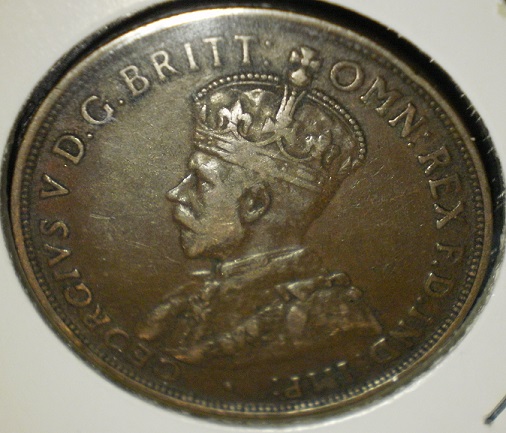 Rob. |
|
Pillar of the Community
Australia
7096 Posts |
Quote:
thank r9453 that gives me the answer I need worthless ill chuck them in the junk tin WHY  it may not be worth a fortune but It is still a 93 year old coin and deserves better than being chucked in a junk bin  If you don't want it give it to a new or young collector that may appreciate it instead  |
|
Valued Member
Australia
271 Posts |
Quote:
thank r9453 that gives me the answer I need worthless ill chuck them in the junk tin OK, I'll give you 10 bucks for your junk tin! |
|
Pillar of the Community
Australia
674 Posts |
The image between the 2's is a Die Clash and can be found on many of the pennies throughout the 1920's. Another variation is a "spur' on the first leg of the second N which is considered a 'scarce error'. Any 1920 penny with any dots is a welcome addition to someone who appreciates varieties.!
|
|
Pillar of the Community
Australia
852 Posts |
I can correct a few errors that a few of you have posted.
Firstly Jon (Triton.VG) is fully in error by saying that it is "immediately apparent" that the no dot isn't scarce. After looking at 10,000+ 1920 pennies I can say that the only way you can identify a genuine No Dot coin is by identifying the individual working dies.
Any 1920 penny with CBL is a dot below (based on studying over 40 die pairings it is highly unlikely that any CBL die wasn't punched). In average grade less than 1 in 5 CBLs have a dot that can be seen without a loupe and over half of CBLs have no detectable dot (even with loupes and special lighting). The dots were weak to begin with and circulation obliterated any trace of the dot.
For the FBL pennies there are over 50 die pairs known of which only 6 have no dots.
So the No Dot is scarce (but not rare as I have hundreds).
The die clashes were not just on pennies from the 1920s but also on pennies from 1916 on up to the early 1930s. The die clashes were common and affected over half the dies. Some were also double and even triple clashes. Get a bunch of 1920 double dots and you can see unclashed, clashed, double clashed and triple clashed reverses as the die was used for a long run.
|
| |
Replies: 14 / Views: 3,728 |
|







 Posted 05/14/2013 05:44 am





