| Author |
 Replies: 17 / Views: 4,517 Replies: 17 / Views: 4,517 |
|
New Member
United States
19 Posts |
This seems very unusual, and I am confused as to how this may occur. Kennedy's ear is unfinished, but the rest of the coin has been struck fully. It can't be a Grease Fill, because you can see the unfinished planchet blank. Any comments? 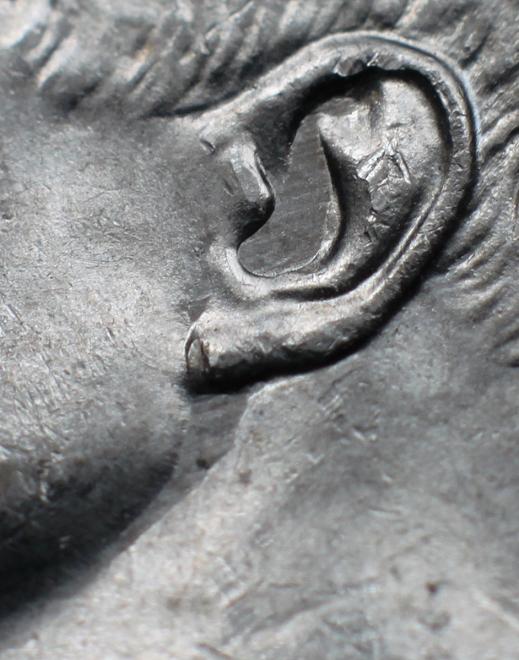 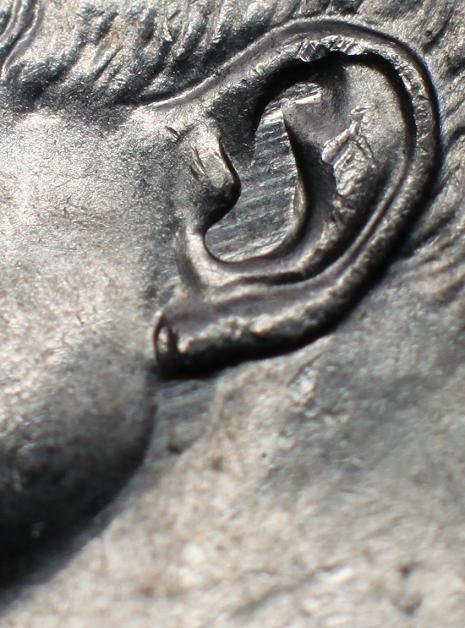 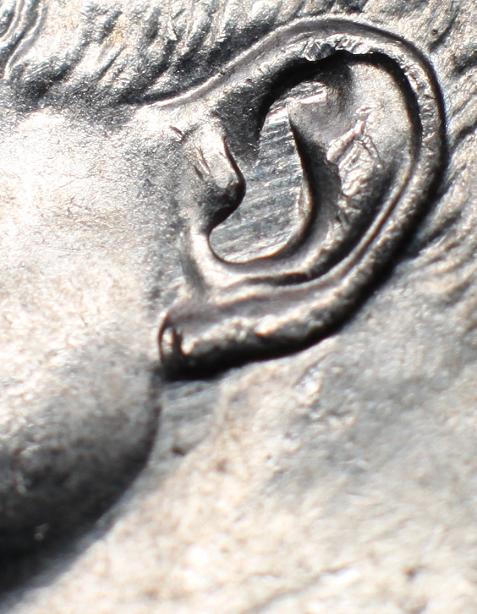 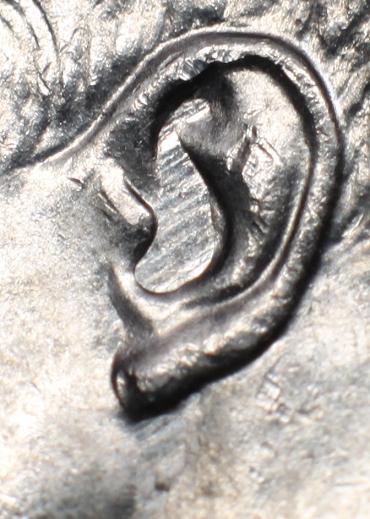 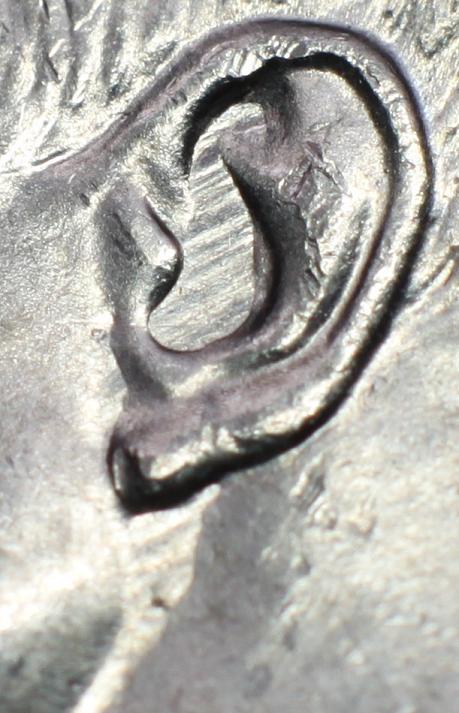 Edited by DylanGrace
08/19/2013 8:35 pm
|
|
|
|
Rest in Peace
United States
7075 Posts |
That is curious. Sorry, but I can't offer any information on this. An expert will be along sooner or later.
Your photos are good but we like to see a photo of the full coin, both sides, along with the close-ups.
|
|
Bedrock of the Community
United States
12437 Posts |
Aggressive die abrading removed the fine detail inside of the ear.
|
|
Pillar of the Community
United States
2651 Posts |
|
|
Rest in Peace
United States
7075 Posts |
Okay, then. You can skip posting the additional photos I suggested.  |
|
Pillar of the Community
United States
1699 Posts |
Quote:
Aggressive die abrading removed the fine detail inside of the ear. I agree. I have a couple from 2001 that have this same type of abrading which was used to remove a die clash. |
|
Bedrock of the Community
Australia
21789 Posts |
Dylan Grace:
I wouldn't call it an error, but I would call it a variety. Even so, I have never seen a variety of this type before. The working die should have been more closely inspected before being fitted to the coining press.
What is needed is for more of this variety to be published, so that it's reputation can become more widely known.
The hubbing process should have left full ear detail.
I agree that die abrading or similar may have caused this, but I am at a loss as to why this would be needed or happened accidently.
Nice photography.
|
|
New Member
 United States
19 Posts |
I have finally had the chance to post the obverse/reverse of the coin. 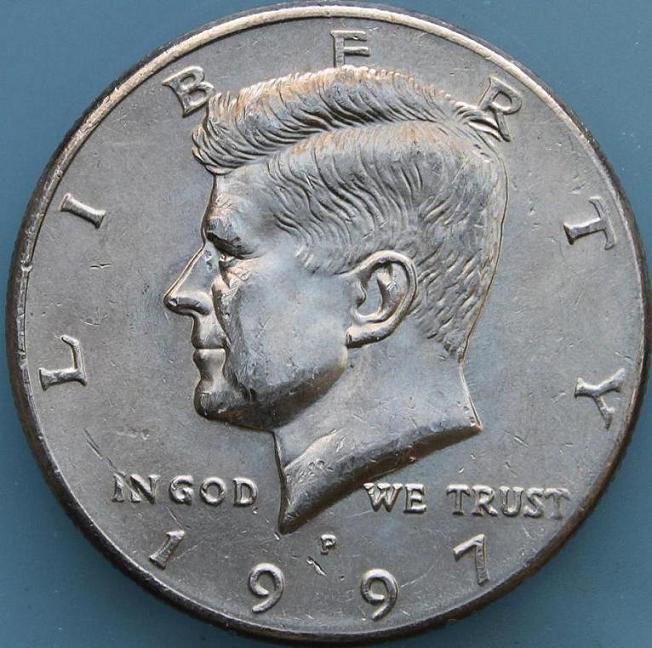 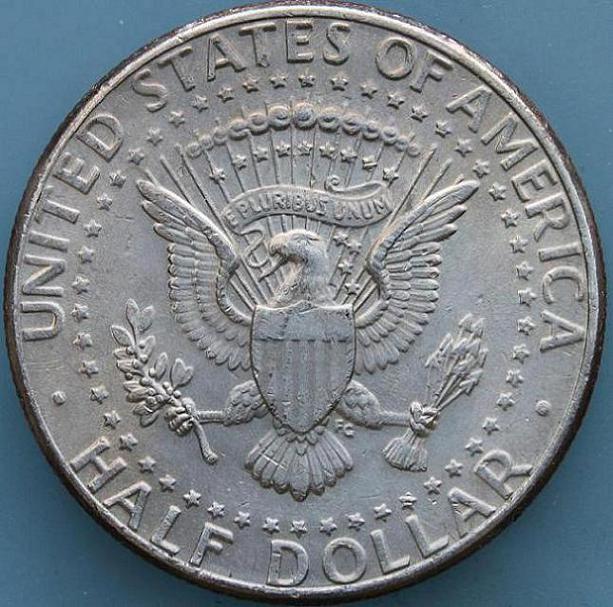 |
|
Bedrock of the Community
United States
12437 Posts |
This would be another example of severe die abrasion resulting in the localized removal of details-  |
|
Bedrock of the Community
United States
62064 Posts |
It is just a case of the the die being over polished. No variety. The die was normal and to cover clash marks they worked over the die to remove the die clash marks. A variety is a die that is hub doubled, mis-punched (RPM) or Over mint mark (OMM), Over date (OD happened on 19th century coins when the digits were each hand punched. Year varieties (small and large dates) (Close and Wide AM's, different from normal coinage.) Over polished dies I do not consider a variety or a variety that gains interest. A variety affect the die from mis-hubings of one die. Not created later in the dies life by over polishings. I know that some will disagree with me, but that is my opinion of what a variety is. The VAMs and other cutsie names that people give coins they want to unload is their ideas of a variety. To me they are just die wear. (I guess it is time to get off my soap box now.) |
|
Pillar of the Community
United States
950 Posts |
At first I didnt see what was wrong with the Merc, but when I noticed the bridge of her nose and now it is super obvious.
I have seen Jeffersons with this same thing on his collar.
very interesting.. I learned something new!
|
|
New Member
United States
19 Posts |
I would like to thank all who viewed / responded to this post...and happy hunting!
|
|
Bedrock of the Community
United States
62064 Posts |
Thanks for your images as they showed exactly what you were looking at.
|
|
New Member
United States
9 Posts |
|
|
Bedrock of the Community
United States
62064 Posts |
It is consider to some as a variety, but it is just a normal die that was over polished. It could have happened on many dies? 1922 No "D", FG missing initials, Etc. But they all started out as a normal die. Now called varieties. But they aren't to me, just an over polished die.
|
|
Valued Member
United States
121 Posts |
WoW! When you call the "3-legged Buffalo" just a over polished coin, it would be like calling one of the five 1913 V nickles just a nickle.  |
| |
Replies: 17 / Views: 4,517 |






 Posted 08/19/2013 5:24 pm





