Coin Community Family of Web Sites Join Thousands of Coin, Bullion, & Money Collectors
Coin, Banknote and Medal Collectors's Online Mall Vancouvers #1 Coin and Paper Money Dealer Shop for APMEX Bullion on eBay!Join Thousands of Coin, Bullion, & Money Collectors 300,000 items to help build your collection! Royal Canadian Mint products, Canadian, Polish, American, and world coins and banknotes. Specializing in Modern Numismatics


Username:
Password:
Save Password
Forgot your Password?


This page may contain links that result in small commissions to keep this free site up and running.

Welcome Guest! Registering and/or logging in will remove the anchor (bottom) ads. It's Free!

1921 Shilling Possible Specimen Strike

To participate in the forum you must log in or register.
Author Previous TopicReplies: 1 / Views: 2,108Next Topic  
Pillar of the Community
stevo1962's Avatar
Australia
908 Posts
 Posted 08/28/2013  12:14 am Show Profile   Bookmark this topic Add stevo1962 to your friends list Get a Link to this Message Number of Subscribers
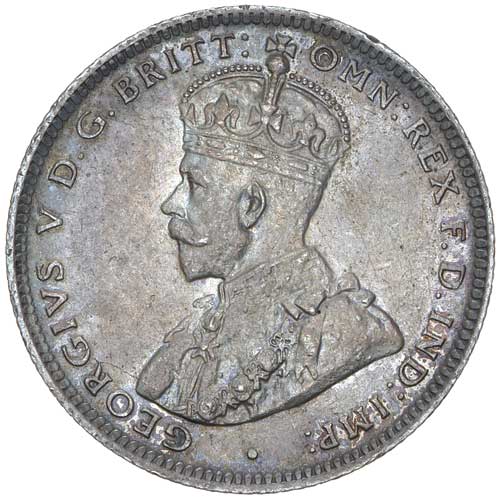
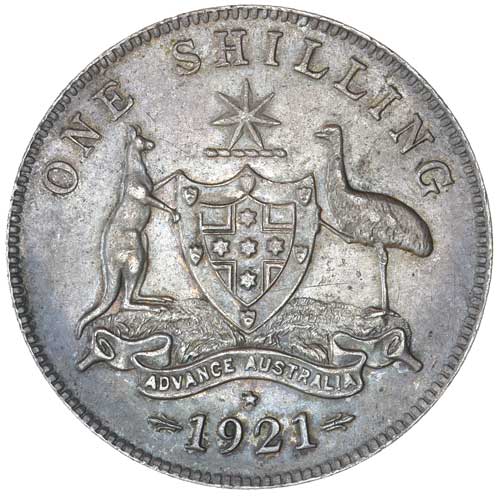
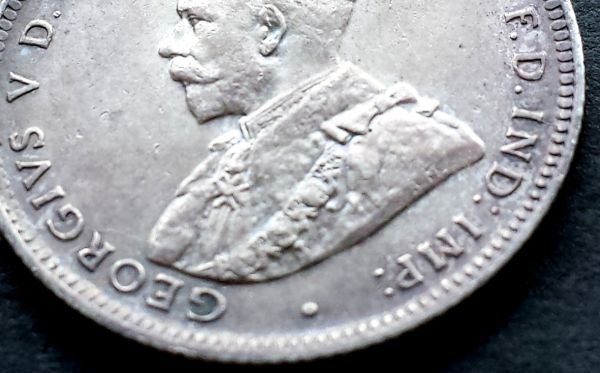
Purchased this coin from this month's Noble auction and looking at it makes me wonder if it is a specimen strike as it has the telltale die cracks.If it is a specimen does that make it any more desirable/valuable?
Does anybody have any ideas?


http://www.bluesheet.com.au/Austral...pecimen_(SP)

1921-Shilling-Possible-Specimen-Strike

1921-Shilling-Possible-Specimen-Strike

1921-Shilling-Possible-Specimen-Strike
Edited by stevo1962
08/28/2013 12:15 am
Pillar of the Community
wwwww's Avatar
Australia
541 Posts
 Posted 08/28/2013  12:40 am  Show Profile   Bookmark this reply Add wwwww to your friends list Get a Link to this Reply
The 1921* specimens were produced in 1926 from old working dies - as far as I know these were the only 1921* specimen strikes produced. They weren't produced in enough quantity to cause the die cracks so it's logical to assume that the die cracks were already on the die. This means that business strikes are certain to possess identical die markers.

A few comments on your coin having viewed it
- it was struck from the same dies as the specimen (this couldn't be too uncommon as the die had to have been used long enough for it to crack)
- Sydney mint specimens have smooth, satin surfaces, your coin's surfaces are too rough from hairlines to assess this
- your coin has a few rim nicks and contact marks indicating circulation, or at the very least mishandling
- your coin is remarkably well struck up considering it was produced from a later die state.

The last point is the key one, it is unusual for a business strike to be so well struck up from a later die state. It is possible that it is a specimen strike but without provenance or original surfaces it is impossible to be sure. That being said, specimens derive their value from their superior quality which your coin lacks so at best your coin will earn itself a small premium for being very well struck up (relative to other 1921* shillings).
  Previous TopicReplies: 1 / Views: 2,108Next Topic  

To participate in the forum you must log in or register.


Disclaimer: While a tremendous amount of effort goes into ensuring the accuracy of the information contained in this site, Coin Community assumes no liability for errors. Copyright 2005 - 2026 Coin Community Family- all rights reserved worldwide. Use of any images or content on this website without prior written permission of Coin Community or the original lender is strictly prohibited.
Contact Us  |  Advertise Here  |  Privacy Policy / Terms of Use

Coin Community Forum © 2005 - 2026 Coin Community Forums
It took 0.17 seconds to rattle this change. Forums