Coin Community Family of Web Sites Join Thousands of Coin, Bullion, & Money Collectors
Vancouvers #1 Coin and Paper Money Dealer Specializing in Modern Numismatics Royal Canadian Mint products, Canadian, Polish, American, and world coins and banknotes. Join Thousands of Coin, Bullion, & Money Collectors Coin, Banknote and Medal Collectors's Online Mall 300,000 items to help build your collection! Royal Estate Auctions - $1 Coin Auctions


Username:
Password:
Save Password
Forgot your Password?


This page may contain links that result in small commissions to keep this free site up and running.

Welcome Guest! Registering and/or logging in will remove the anchor (bottom) ads. It's Free!

Show Us Your Worst Counterfeit!

To participate in the forum you must log in or register.
Author Previous TopicReplies: 105 / Views: 19,690Next Topic
Page: of 7
Pillar of the Community
Learn More...
scopru's Avatar
United States
5029 Posts
 Posted 11/03/2018  07:19 am  Show Profile   Bookmark this reply Add scopru to your friends list Get a Link to this Reply
Nice revival of the thread. Bob it is always an education reading your posts.
Edited by scopru
11/03/2018 07:19 am
Pillar of the Community
Singapore
631 Posts
 Posted 11/03/2018  07:37 am  Show Profile   Bookmark this reply Add Numister to your friends list Get a Link to this Reply
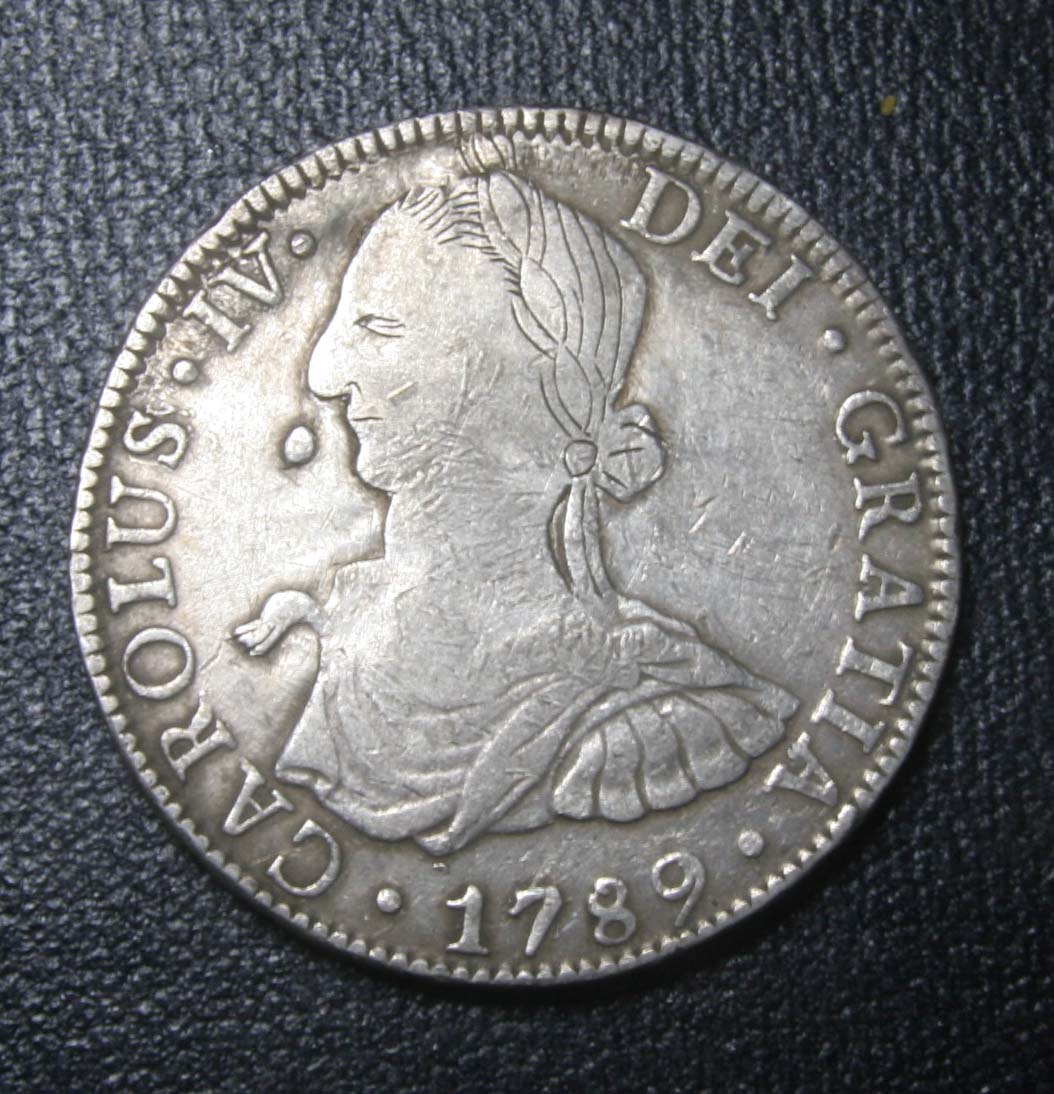
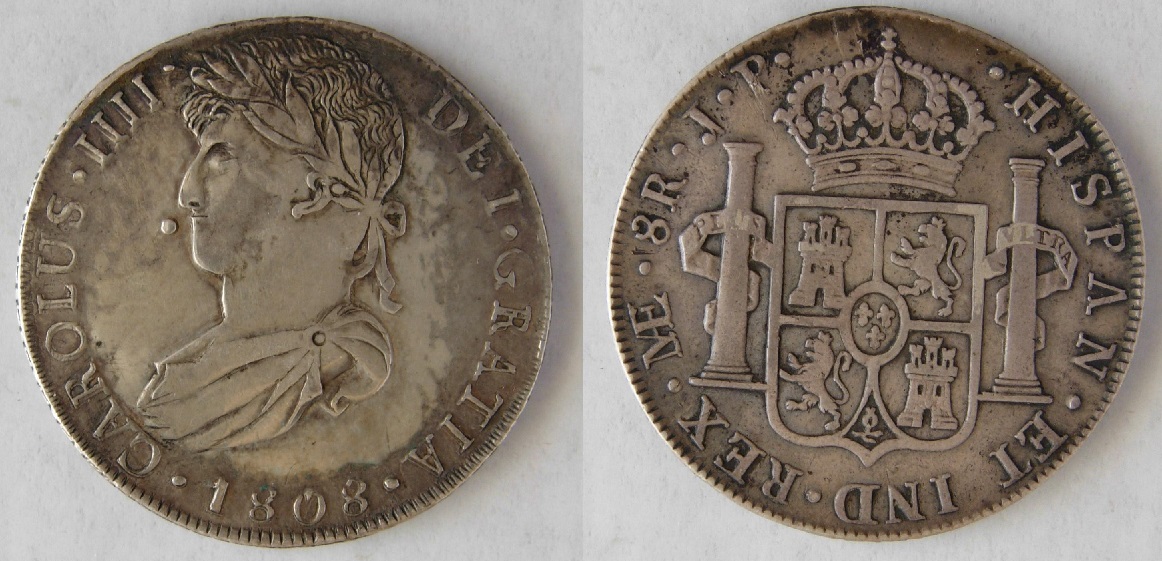
Since the topic is on Reales, here's my contender for ugly but kinda cute too I guess.

Show-Us-Your-Worst-Counterfeit!
Pillar of the Community
Learn More...
moose59's Avatar
United States
732 Posts
 Posted 11/03/2018  08:02 am  Show Profile   Bookmark this reply Add moose59 to your friends list Get a Link to this Reply
a
Pillar of the Community
Learn More...
moose59's Avatar
United States
732 Posts
 Posted 11/03/2018  08:05 am  Show Profile   Bookmark this reply Add moose59 to your friends list Get a Link to this Reply
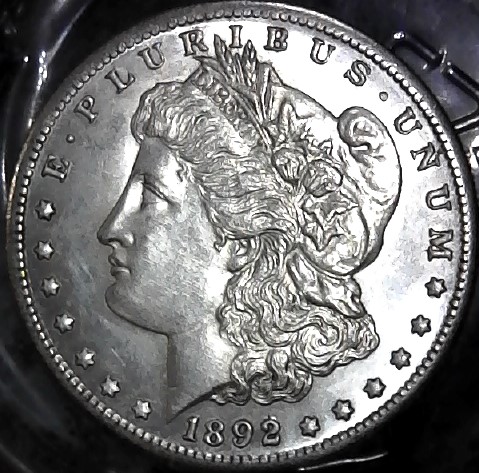
I was told it is illegal to even own this coin, but I am posting it here.
Show-Us-Your-Worst-Counterfeit!
Bedrock of the Community
Dorado's Avatar
Canada
24885 Posts
 Posted 11/03/2018  4:03 pm  Show Profile   Bookmark this reply Add Dorado to your friends list Get a Link to this Reply
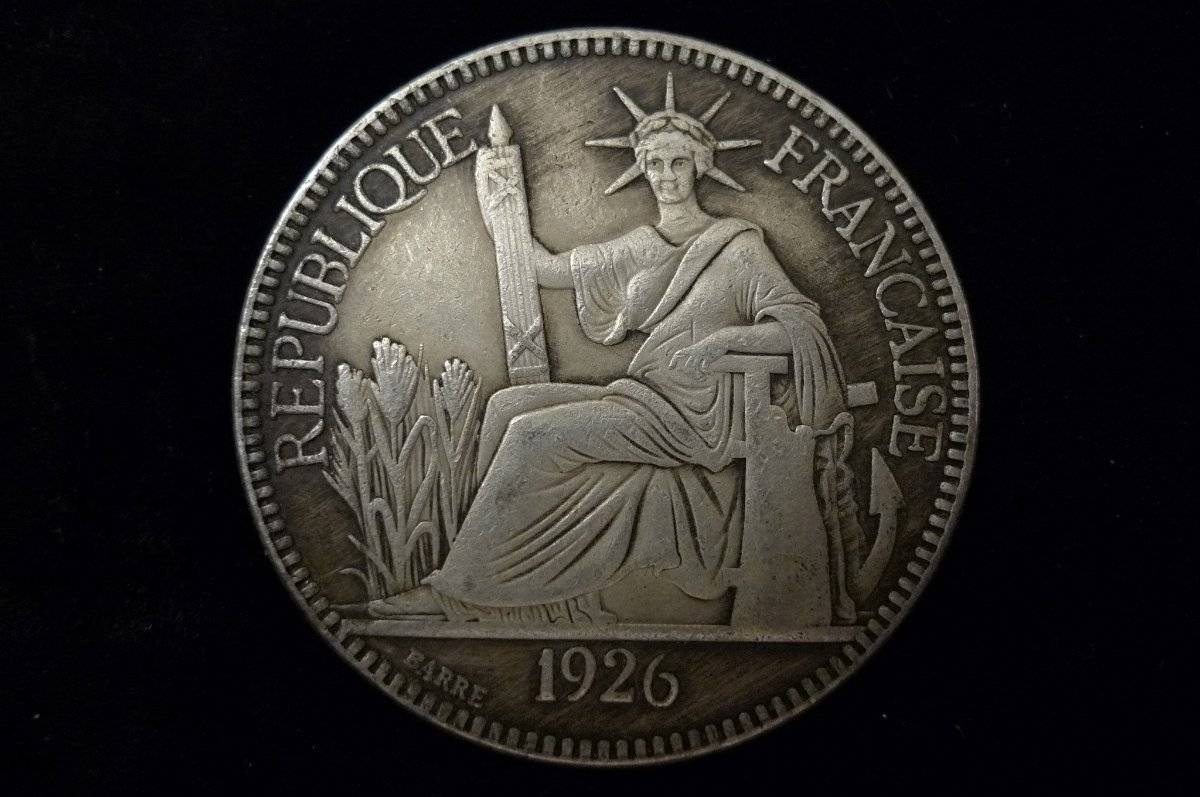
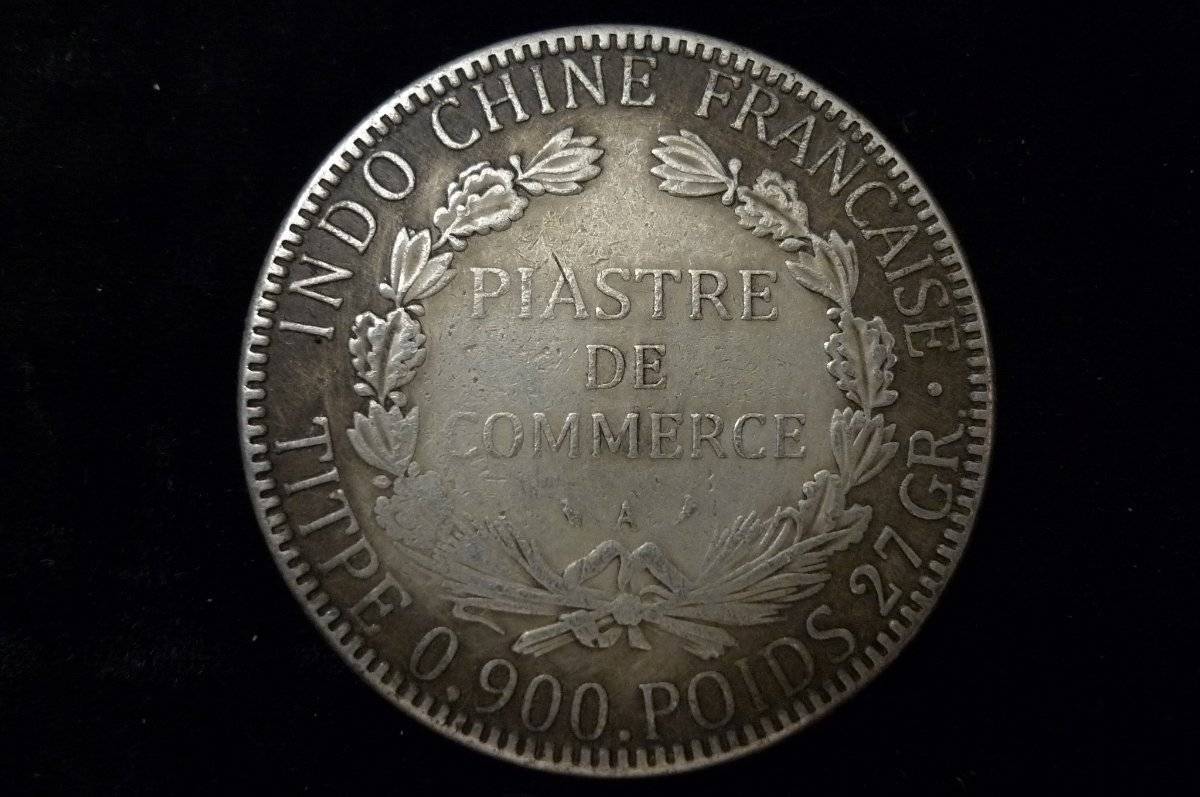
1926 French Indo-China

Show-Us-Your-Worst-Counterfeit!

Show-Us-Your-Worst-Counterfeit!
Pillar of the Community
swamperbob's Avatar
United States
5362 Posts
 Posted 11/03/2018  6:39 pm  Show Profile   Bookmark this reply Add swamperbob to your friends list Get a Link to this Reply
scopru Thanks for the comment. I am going to try to be a more regular contributor. I am still not feeling too well but I need to keep plugging at educating people to the problem with identification of fakes of all types.

Numister Interesting post - what makes you believe that the coin is not genuine? The question is very serious.

Alterations of genuine 8 reales by the reversal of the portrait are very well known and are quite collectable. No one so far has come up with an explanation for their existence that I personally find credible. In my book, I have a category of Class 4 types that I refer to as alterations. A person can alter a genuine or fake coin to make it look different. Yours seems to fall into the most well known group of alterations which show an altered portrait facing backwards with a "drop" below the face. If you would please post the reverse of the coin for my files and an edge photo if possible.

Here is one of mine carved on a genuine 1808 Lima 8R that was double struck.

Show-Us-Your-Worst-Counterfeit!
Pillar of the Community
swamperbob's Avatar
United States
5362 Posts
 Posted 11/03/2018  7:01 pm  Show Profile   Bookmark this reply Add swamperbob to your friends list Get a Link to this Reply
moose59 An 1892 Morgan dollar fake is "technically" illegal to possess. That is the law. Now finding anyone interested in prosecution under that law is a far different and more difficult task.

This problem with US law enforcement came to the fore for me when a couple years back a man came in to the shop where I am a part time authenticator with a bunch of Numismatic Forgeries that purported to be US silver Eagles. He also had " Morgan dollars" and older collectable US coins. All were recently made Chinese garbage copies. When local police finally appeared (this was not a high priority case in their opinion so they took 30 minutes to even show up), they would have released the fellow because they (the cops) could not tell they were fake. The only reason they took the guy in was that he had outstanding warrants for fraud. That experience should prove to anyone that the supposed crime - will never be pursued.

As to your coin, it appears to be a Numismatic Forgery (NF) not a counterfeit. No counterfeiter worth his salt would have made a MS coin to pass in the 1890s. They would have made a coin worn to about VF at the most. A NF is worth just a couple dollars over melt as an example to avoid.

Please advise re: weight, SG if possible and please post edge pictures. The clues so far for me are by no means conclusive.

Dorado The coin you have posted is a very common Numismatic Forgery (NF) made in China. It has the typical artificial black toning around the rim. Get to know that and be suspicious of any coin toned in a similar fashion - including US and other world coins. There are thousands of types that have been copied in China and they all pose a threat to the hobby.

Is your example magnetic? Many are and it is important to realize that there is no alloy of silver (above 400 fine) that exhibits magnetic characteristics using a standard magnet. So any silver coin that is magnetic can be considered fake.

Before you file the coin away or dispose of it get to know what the surface texture looks like. There is essentially no mechanism I am aware of that will make a genuine struck coin have a surface that looks like yours does. Get to know that look and always check protected areas of any coin for the same texture. Scam artists can and do buy fakes of rare dates and then that artificially wear the coins using tumble polishers, distressing and better re-toning in order to sell the coin as genuine. A G-4 1854 Seated Liberty dollar would be very tempting at $200 yet a scam artist can make one for $2 plus his time.
Bedrock of the Community
NumisRob's Avatar
United Kingdom
17983 Posts
 Posted 11/03/2018  7:32 pm  Show Profile   Check NumisRob's eBay Listings Bookmark this reply Add NumisRob to your friends list Get a Link to this Reply
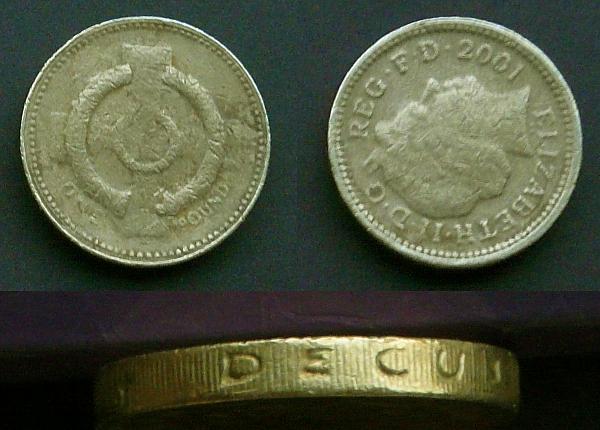
2001 Great Britain fake pound coin (received in change by me!)
Show-Us-Your-Worst-Counterfeit!
Pillar of the Community
Learn More...
moose59's Avatar
United States
732 Posts
 Posted 11/03/2018  10:46 pm  Show Profile   Bookmark this reply Add moose59 to your friends list Get a Link to this Reply
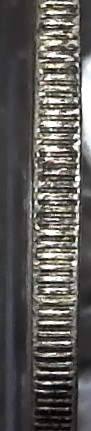
Thanks Bob, here are a couple of edge shots'
Wt 23.16gm
dia 39mm misplaced my caliper so I am spit balling off a ruler
Non-magnetic
I posted this on VamWorld and they are the ones who told me about it. Said it was a fake.
Show-Us-Your-Worst-Counterfeit!
Pillar of the Community
swamperbob's Avatar
United States
5362 Posts
 Posted 11/04/2018  12:55 am  Show Profile   Bookmark this reply Add swamperbob to your friends list Get a Link to this Reply
moose59 It is easy to see why the coin was designated as a fake from those facts.

The weight 23.16 grams is far too low for the coin to be original. A genuine Morgan dollar in EF to MS should weigh very close to 26.7 grams. This means your coin weighs only 86% of standard weight.

Silver coins in the US were made with very low relief so that when the rim wore down and the perimeter lettering began to wear away the coin was ready to be retired. The bank standard for retirement was set 95% of standard weight. When rimless coins were received the bank weighed them to confirm they should be returned to the mint for recycling.

So a good rule of thumb is that a coin which grades AG will weigh about 95% of standard. Since your coin appears to be MS virtually no weight loss is acceptable.

A non-magnetic fake is likely recently made. Coins made as little as 15 years ago often had magnetic signatures. Forgers changed alloys after collectors realized that 90% silver alloys could not be made magnetic.

Added proof is visible on the edge photos. I see what appears to be grinding along the coin's edges (corners). This is done typically to remove evidence of seams on cast coins and to remove traces of the edges being applied after the coin was struck or cast. In addition there also appears to be possible split top reeding. I can't be positive but several of the reeds seem to have lines (depressions) along the midline of top the reeds. Such a line indicates the reeds were added using a tapered ring die instead of a collar on the coining press.

Nice Numismatic Forgery.
Pillar of the Community
jgenn's Avatar
United States
1156 Posts
 Posted 11/04/2018  01:12 am  Show Profile   Bookmark this reply Add jgenn to your friends list Get a Link to this Reply
Here's one that I got as a freebie from colonialjohn.

Show-Us-Your-Worst-Counterfeit!

Show-Us-Your-Worst-Counterfeit!

Show-Us-Your-Worst-Counterfeit!

Show-Us-Your-Worst-Counterfeit!
Pillar of the Community
Singapore
631 Posts
 Posted 11/04/2018  06:41 am  Show Profile   Bookmark this reply Add Numister to your friends list Get a Link to this Reply
Hi Bob,

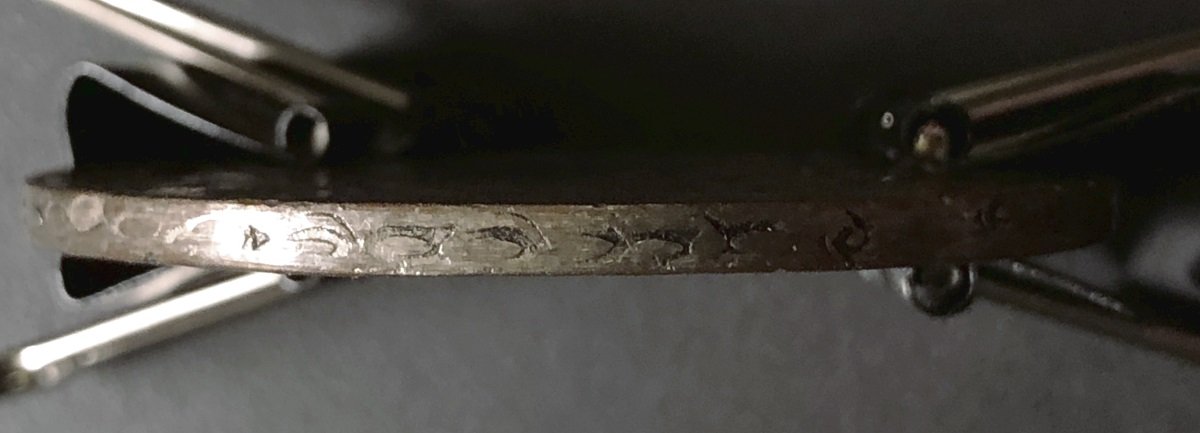
Here are the side and back pics. Yours definitely looks nicer, better sculpted.


Show-Us-Your-Worst-Counterfeit!

An older thread that I found: http://goccf.com/t/57804
Edited by Numister
11/04/2018 06:54 am
Pillar of the Community
Learn More...
moose59's Avatar
United States
732 Posts
 Posted 11/04/2018  12:09 pm  Show Profile   Bookmark this reply Add moose59 to your friends list Get a Link to this Reply
Thank You SUPER BOB
Bedrock of the Community
NumisRob's Avatar
United Kingdom
17983 Posts
 Posted 11/04/2018  12:16 pm  Show Profile   Check NumisRob's eBay Listings Bookmark this reply Add NumisRob to your friends list Get a Link to this Reply
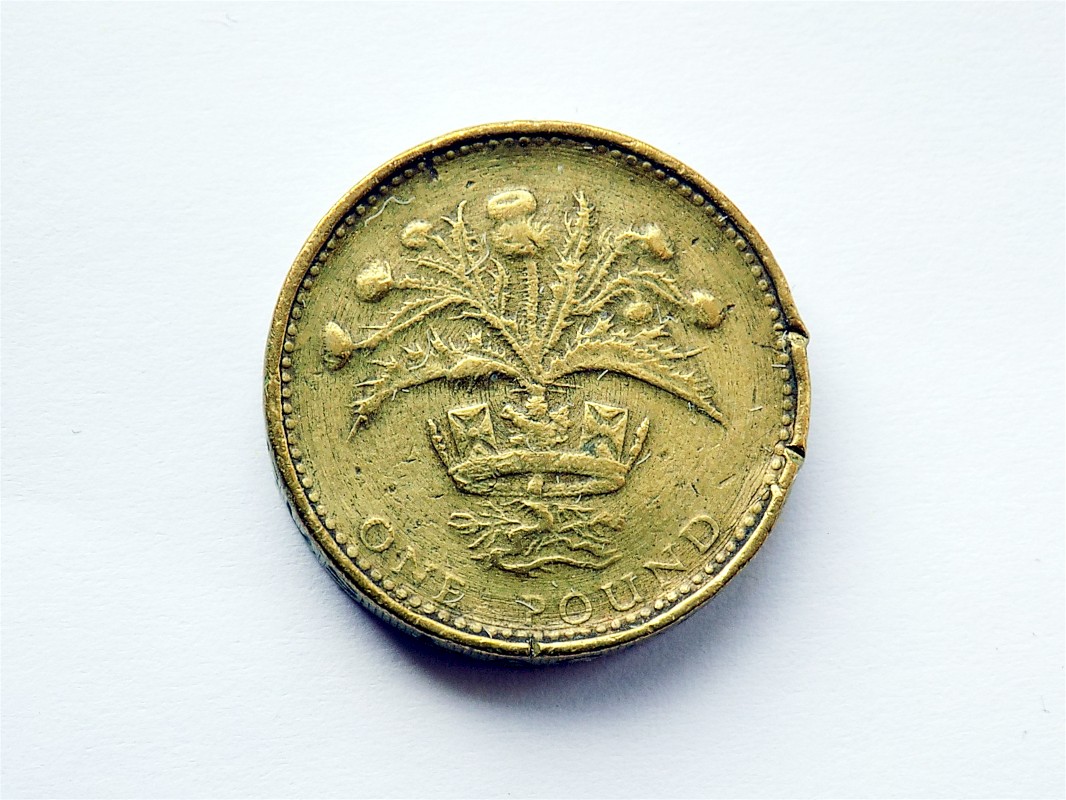
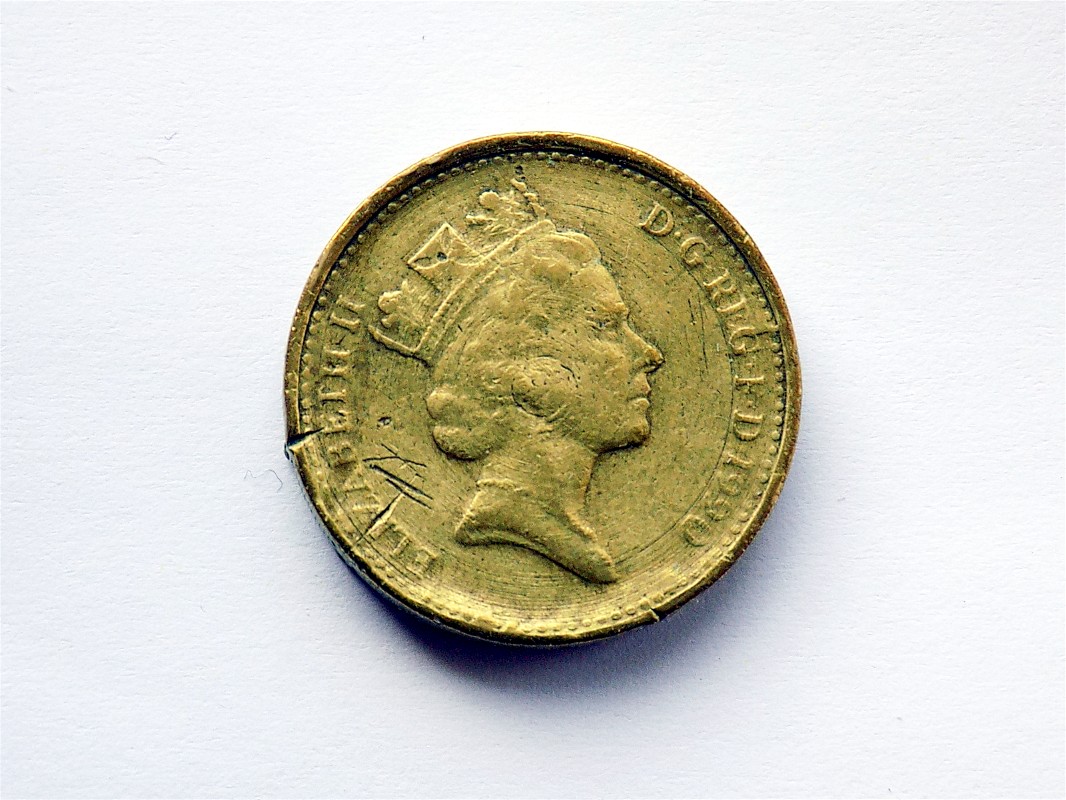
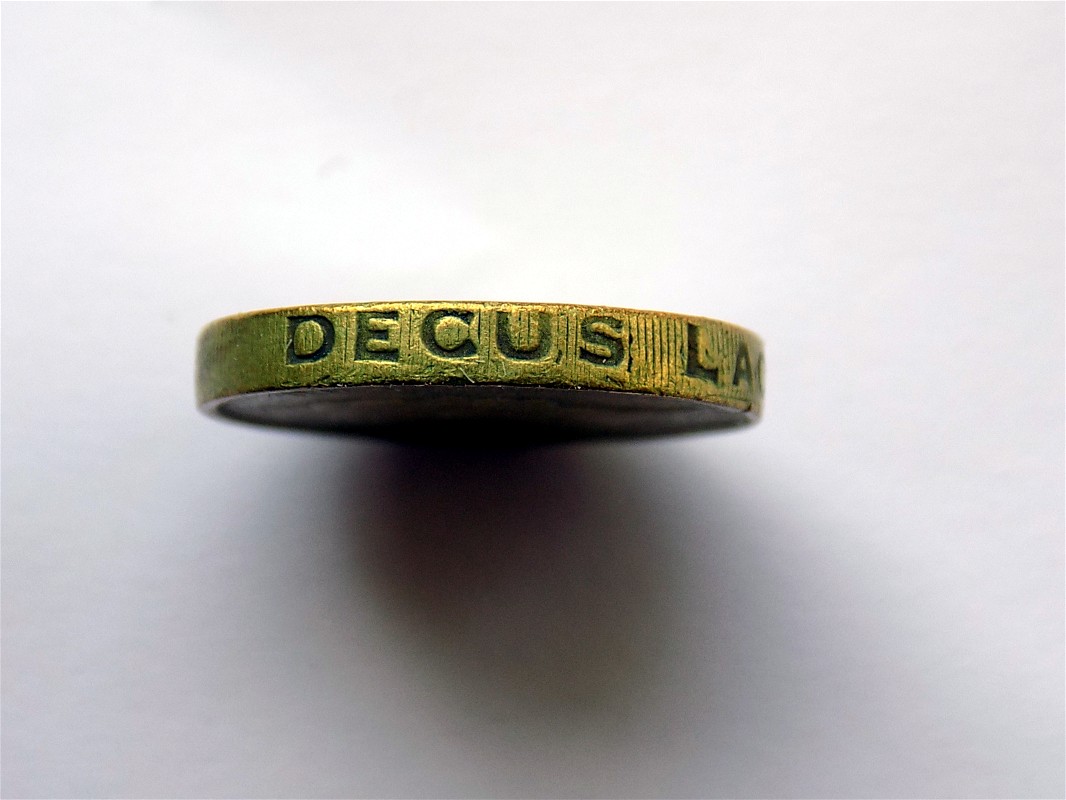
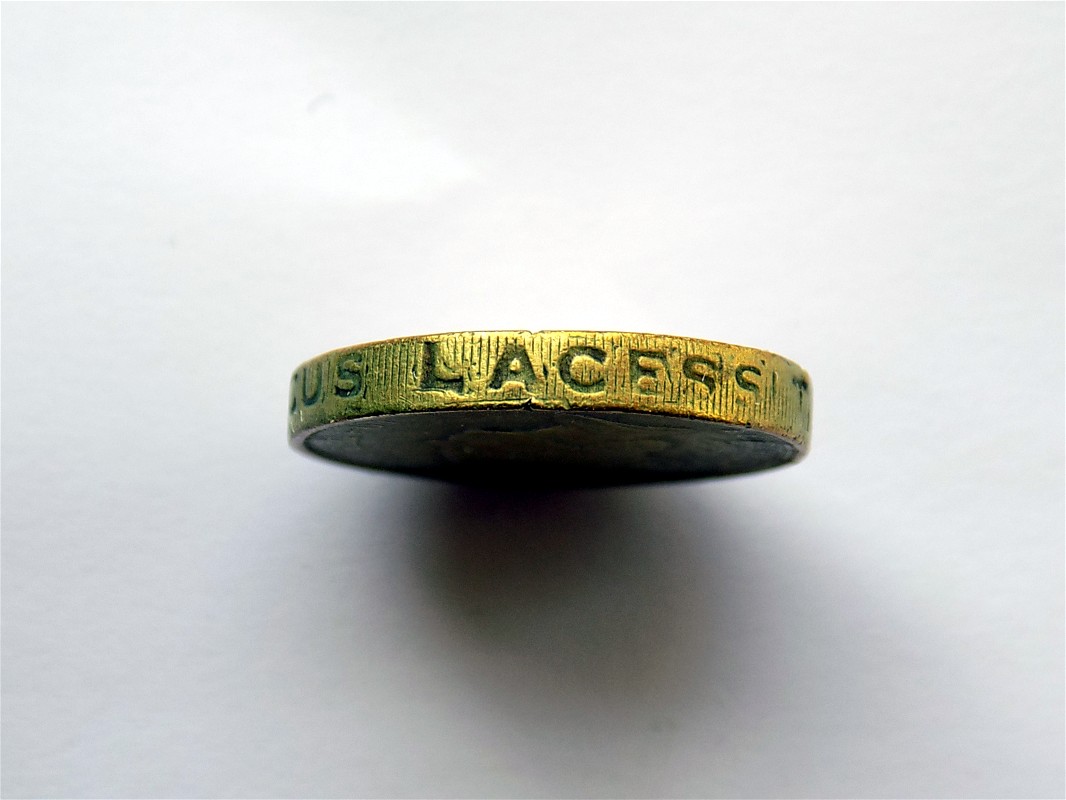
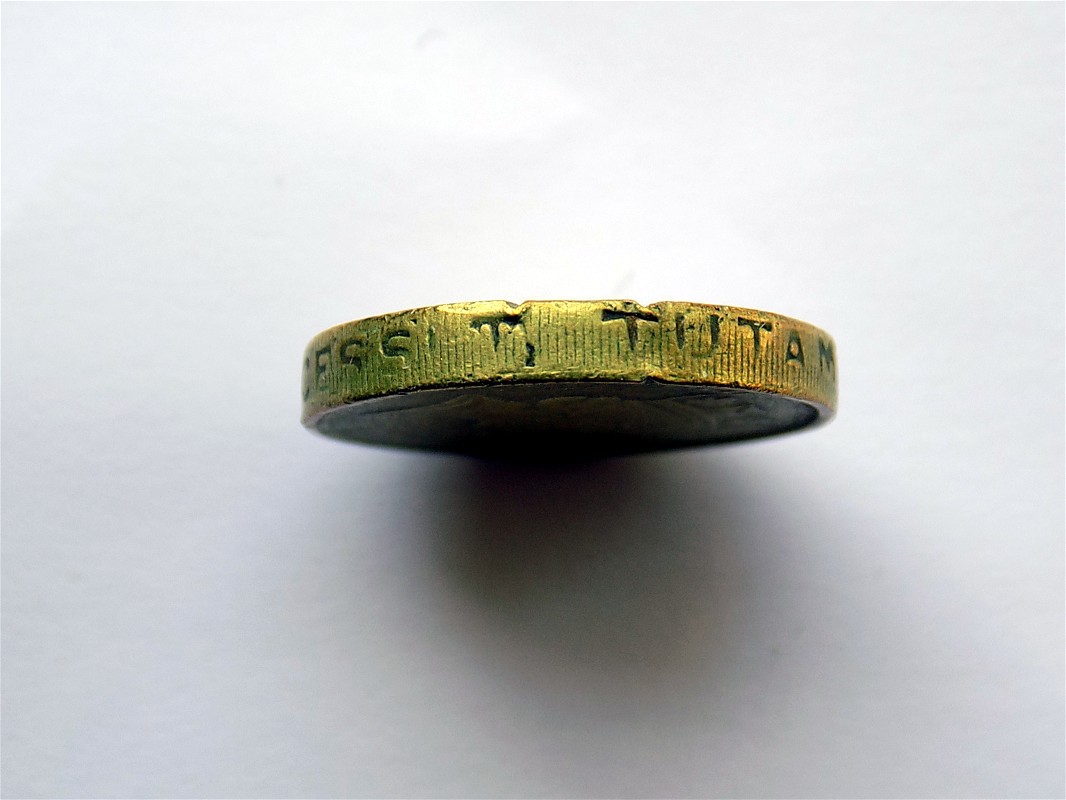
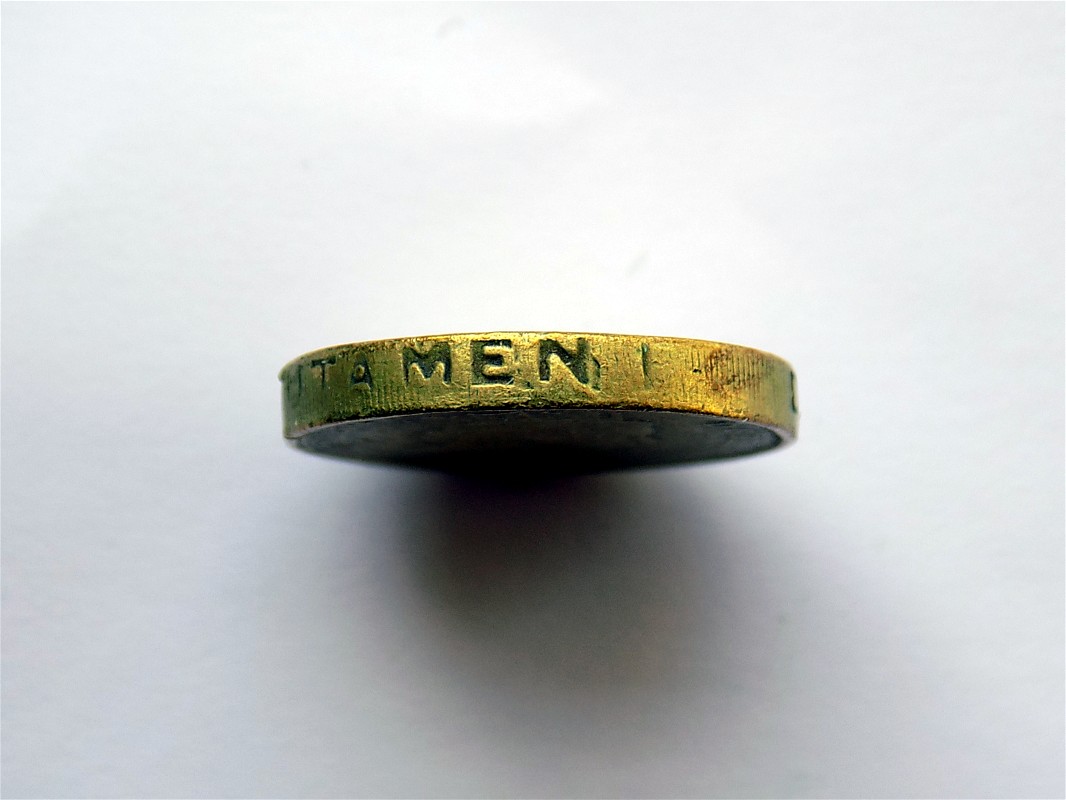
This is probably the worst fake British pound coin I ever got in change. However, it gave me a laugh and it did its job as a forgery!

Show-Us-Your-Worst-Counterfeit!

The color is too yellow, the metal is too soft. The reverse of a 1990 pound coin should show the Welsh Leek - this shows the Scottish Thistle, used on genuine coins in 1984 and 1989. And as for the edge inscription (Decus Lacessit Tutamen), it's a bungled mixture of the English (Decus et Tutamen) and Scottish (Nemo Me Impune Lacessit) Latin mottoes: it literally translates as "An Ornament provokes a Safeguard".
Pillar of the Community
swamperbob's Avatar
United States
5362 Posts
 Posted 11/04/2018  4:29 pm  Show Profile   Bookmark this reply Add swamperbob to your friends list Get a Link to this Reply
The recent posts from jgenn, Numister and NumisRob provide a tailor made oportunity to classify fakes into "Counterfeit" or "Numismatic Forgery" categories.

NumisRob Your fake pound coin is the most simple to categorize. It is a Contemporary Circulating Counterfeit. It was produced while the coin being copied was still in circulation. It was made to defraud merchants and not coin collectors. It has rather obvious errors that the vast majority of UK citizens would readily miss if they received the coin in circulation. Numismatists should have no problem with these blundered fantasy issues. The profit for the forger involved, derives from the difference between the cost to manufacture the fake and the value when passed. This coin is actually a Token, meaning the value is established by law (fiat value) and the worth in commerce has nothing to do with the intrinsic value of the metal. It is quite possible, even likely, that the coin cost the forger more to produce than a genuine coin costs The Royal Mint. However, the seigniorage (definition: profit made by a government by issuing currency, especially the difference between the face value of coins and their production costs.) is adequate in both cases so that the forger's profit is simply a smaller fraction of the mint seigniorage. But it is enough.

Numister Your coin is a bit harder to categorize but as I see it the clues are there. Hint: the edge is the decoding factor. Does anyone see what is amiss and how that would effect the age o this coin? I will make a longer reply about the type once people hazard guesses.

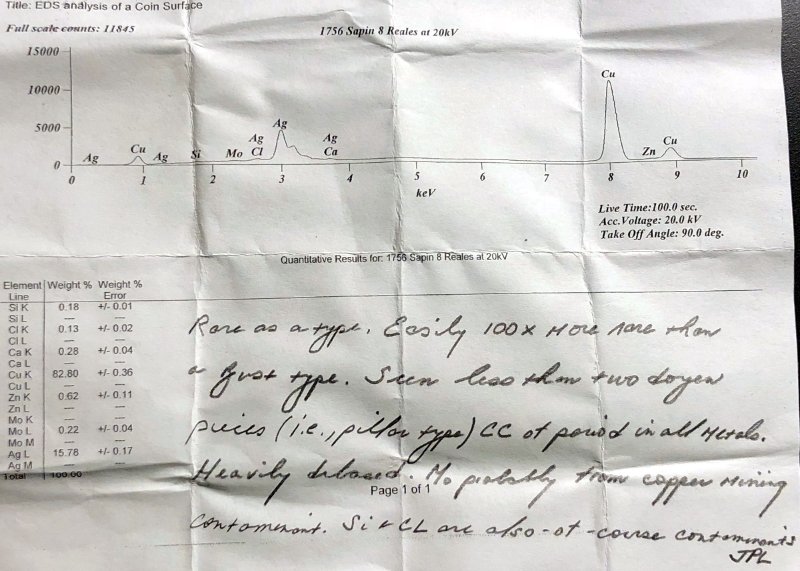
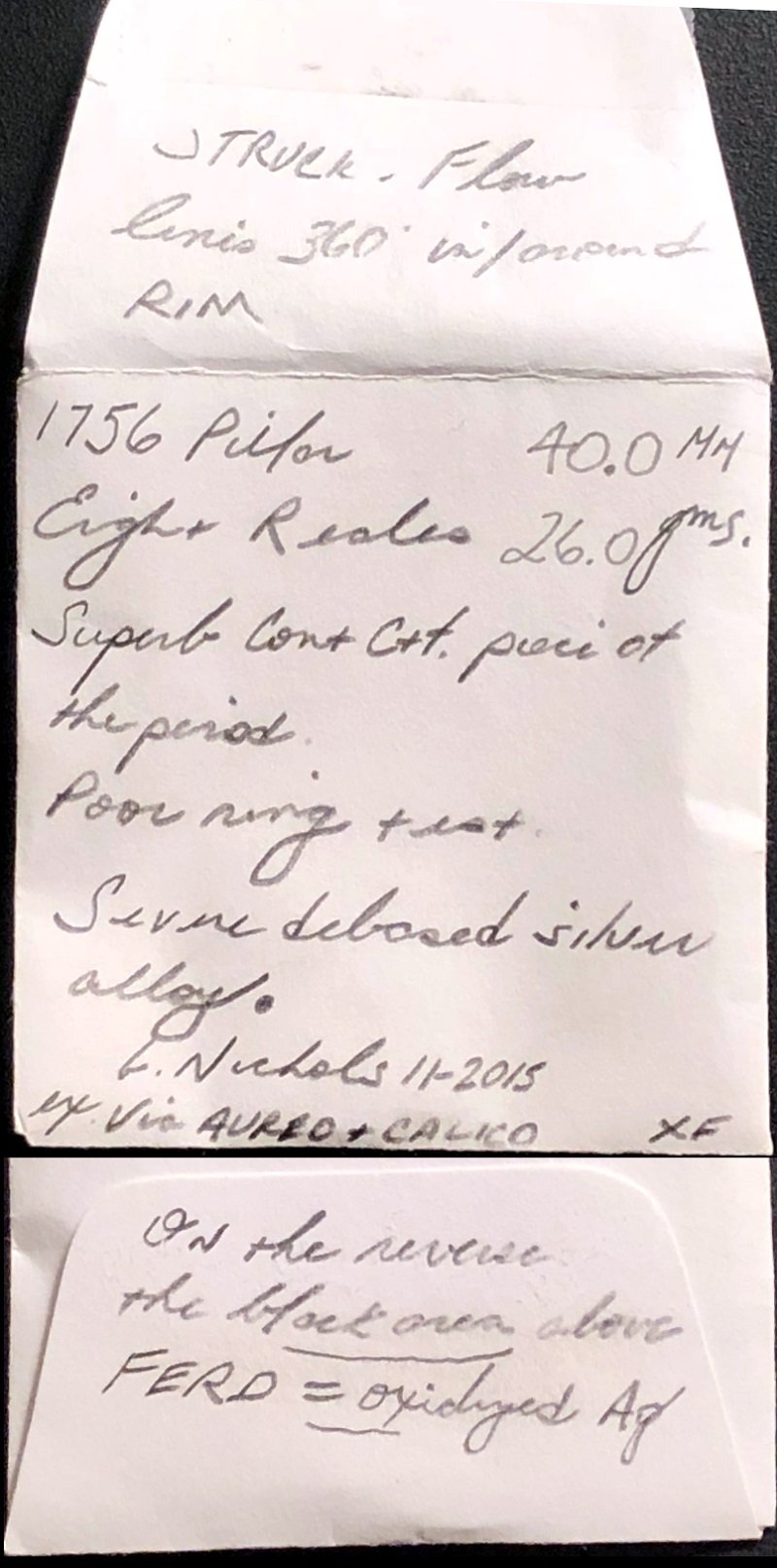
jgenn The 1756 Mo MM is clearly the most difficult to classify by age of these three coins. In cases like this, there is often a disagreement as to how to interpret what we know about the coin.

I will not paraphrase John Lozenzo's opinion about the coin because I do not want to be accused of setting up a straw man. Here is my take away from what I see.

1. A 1756 Pillar Dollar circulated until the early 1800s very freely, however, due to normal wear, examples of the grade seen here were at best rare in general circulation before 1830. The coin was virtually unknown in circulation in 1845 and by that date even Portrait 8Rs were scarce to rare in high grades. The most probable interval for counterfeit production fitting the definition of CCC is the period ending within 15-20 years of the end of the Pillar age (roughly 1786 - 1791). This is because counterfeiters making coins for general circulation target very common coins not coins that are rarely seen. Coins rarely seen attract unwanted attention something counterfeiters want to avoid at all costs. This position can be disputed of course, however UK mint studies of wear and life expectancy of "dollar" sized coins in the 1790s as well as US mint survival studies of world coinage must be considered when making a counter argument.

2. Before 1830, there were few (actually only 2) technologies available to counterfeiters to produce their coins - the first was striking from dies and the second was casting. Cast coins were made from "sand cast" molds or Plaster of Paris molds in the 1820s at the best. These molds are crude. Having examined hundreds of examples of the period I will state that categorically this is not a contemporary cast from any mold that could have been made before electro-typing. The question is what is this coin? Is the presence of "Flow lines" adequate to prove a coin was struck? Could this be a modern cast copy that retained flow lines from the host or is it a strike on a very poor cast planchet?

3. The coin's designs are actually correct for Mexico City including the individual letters and numerals. This perfection in counterfeit dies is simply not seen in period fakes at least not in my experience. It also raises a question in my mind of was it possible for any forger (prior to 1830) to create a pair of dies to strike such a coin? The answer I gave in my book was a definite NO. The British could not do it and resorted to making false dies by engraving individual master punches. They did a great job however comparisons with genuine Mexico City designs reveals tiny differences in EVERY example. I would add as a more or less rhetorical question "Why did the counterfeiter spend the time to create essentially perfect face dies but do such an absolutely lousy job on the edge?"

4. The edge in this case was clearly applied after the face designs were in place - namely after the coin itself existed - the edge is weakly applied - very shallow and the design itself is a well known design used by forgers active in China recently. I base this on personal observations of numerous forgeries which of course can be challanged and I welcome any information that would overturn my conclusions.

5. The XRF test indicates a coin that is predominatly copper 83% and silver 16% with a bit over 1% of trace contaminants. Gold is not noted in the XRF test but with silver at only 16% the expected trace would be about 0.04% gold to be real. That is well within the predicted range of variation. So that is a push. It is clearly not a Sheffield plate so it must be a solid alloy. Such an alloy would have a density of roughly 9.3 not 10.3. This means the coin must be significantly thicker than normal to raise the weight - So would the coin fit through the standard slot found in a Counterfeit Detection scale of the contemporary era? Would any bank of the time accept the edge as correct?

6. The XRF test in my opinion does not demonstrate age at all. It could just as easily be a test of a modern Chinese forgery.

My considered opinion is that this coin is a Numismatic Forgery and not a Contemporary Circulating Counterfeit. I suspect the note written by J. Lorenzo was written before extensive discussions we had during the writing of the book "Counterfeit Portrait Eight-Reales". I believe the coin is a centrifugal cast copy made from plastic molds of a genuine 8 reales. The surface of the coin is flawed by retained air in the final product. I believe it was edged after it was cast and that the origin was definitely China sometime after 1999 and as recently as 2014.

Comments and questions as always are welcome.

  Previous TopicReplies: 105 / Views: 19,690Next Topic
Page: of 7

To participate in the forum you must log in or register.


Disclaimer: While a tremendous amount of effort goes into ensuring the accuracy of the information contained in this site, Coin Community assumes no liability for errors. Copyright 2005 - 2026 Coin Community Family- all rights reserved worldwide. Use of any images or content on this website without prior written permission of Coin Community or the original lender is strictly prohibited.
Contact Us  |  Advertise Here  |  Privacy Policy / Terms of Use

Coin Community Forum © 2005 - 2026 Coin Community Forums
It took 0.44 seconds to rattle this change. Forums