CalzoneManiac There is no one person or even a small group of authenticators that knows every coin series ever made. It is an unreasonable expectation to place on the staff of authenticators at any of the TPGs that they get them all correct.
I have been a student of the Mexican 8 reales and in particular the Cap and Ray series for about 6 decades. In the process I have picked up a level of expertise at authentication of this rather limited spectrum of coins that is difficult to achieve. If a
TPG had access to the same level of expertise for all coins, they would need hundreds of people on staff not 5 or 10.
At the same time, in the same roughly 60 year period, I have picked up a knowledge of various forgery techniques that at times serve to pick out some forms of fakes (mostly numismatic forgeries) in many other unrelated series. This ability to spot fakes by the way they are made is what most authenticators rely on. It is not a fool proof method in particular when counterfeits were made and struck using techniques that matched the correct process. It is these cases where you need more than expertise at what correct surfaces look like. If the counterfeit was made correctly it will look correct. That is why you will find counterfeits encapsulated. There is a presumption that if the surfaces look good (correct) that the coin is genuine, while that is not correct in numerous cases.
What is needed to supplement expertise in surface appearance is understanding the correct design.
In a single series, it is possible to memorize the "correct designs". The correct die making methods, the correct punch shapes etc. This expertise is unreasonable to expect from a
TPG as they now function. However, it could be available if the TPGs recruited people like myself from forums like ours and relied on their added expertise. I would do that for any
TPG for very little or no cost. I did it for
ebay for NOTHING for quite some time.
Beyond this combination of correct surface appearance and correct design you can expanded the authentication process by adding scientific tests. You can start with scientific tests to prove the correct alloy was used.
1. Weight for each coin should be checked accurately. That is a simple test needing only seconds to complete and needing minimal expertise. Many outright fakes would be identified at this step.
2. S.G. is a slightly more complex test, but still very easily done with proper equipment and some training. This would eliminate most fakes made with deficient alloys.
3. Finally two levels of XRF testing could eliminate many of the fakes that are very nearly correct. A handheld XRF gun accurate to 0.1% could be used in some cases while others require a higher level of accuracy.
It might reduce profit margins but it would increase accuracy.







 First Page
 Previous Page


 Posted 11/27/2014 12:29 pm






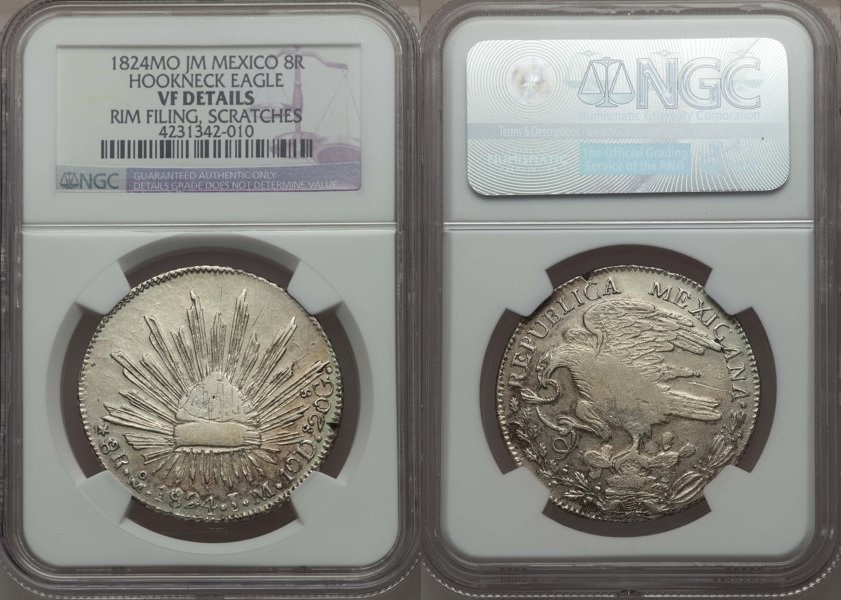

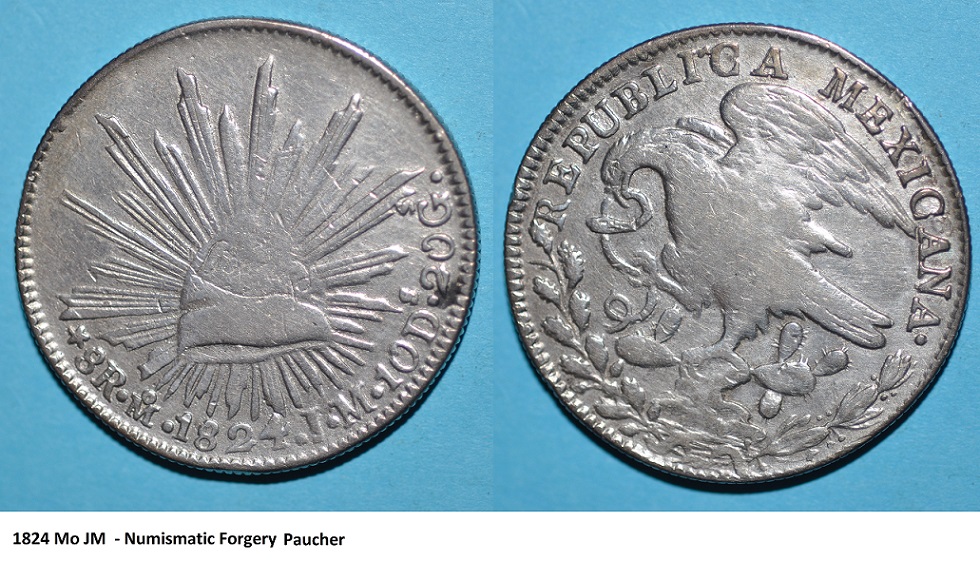

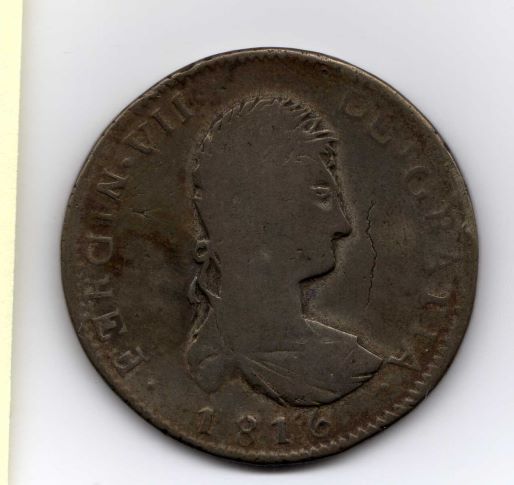
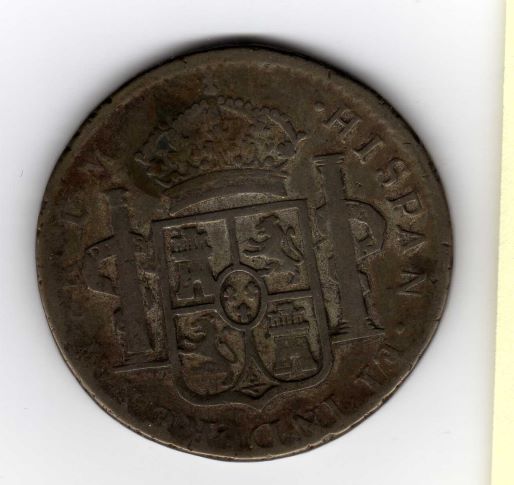


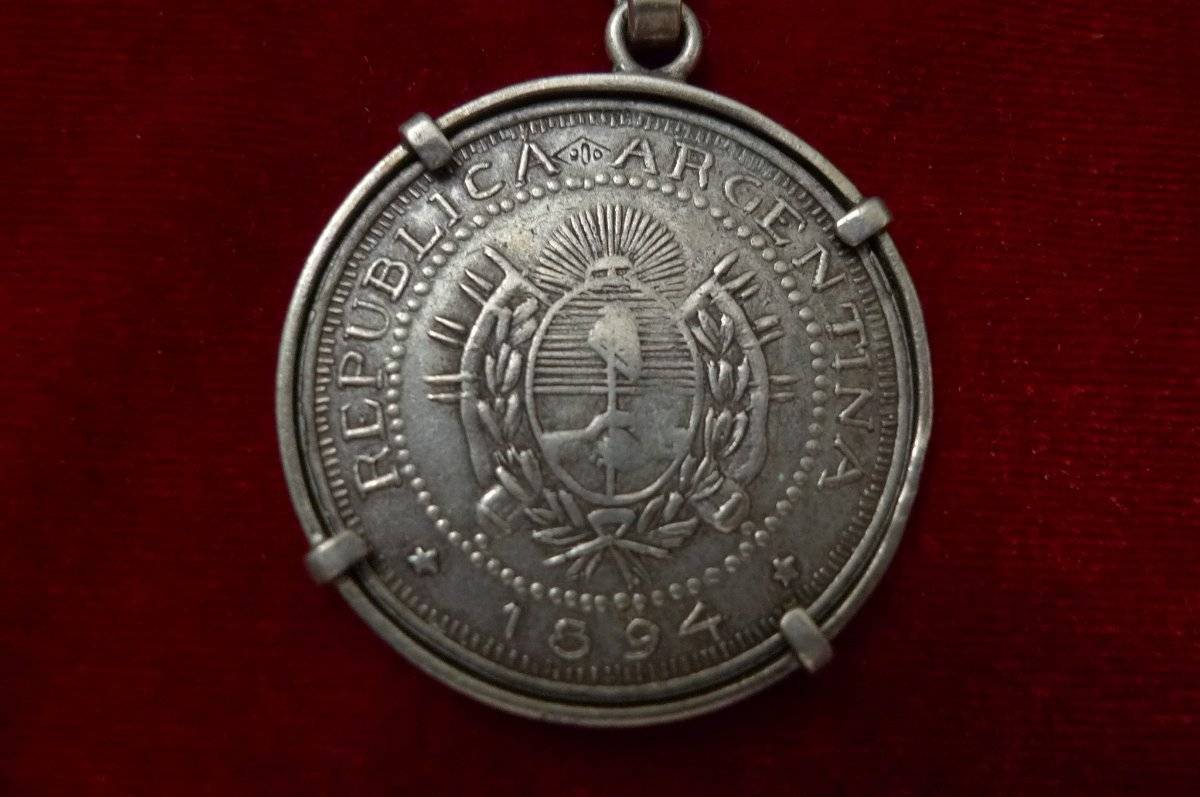
 Apparently NGC must not have much knowledge with that particular series of coin, judging as they graded a CC as genuine (albeit Details graded)


