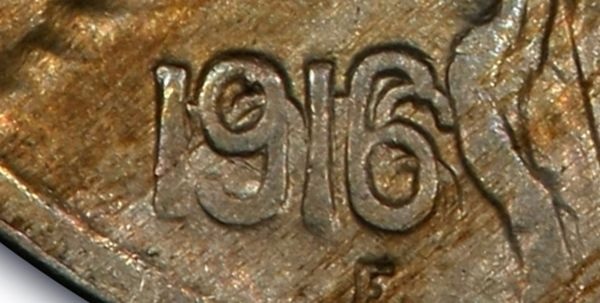
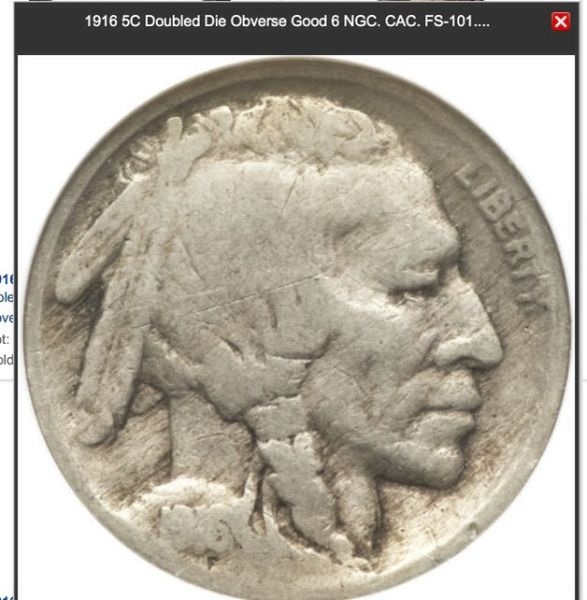
Frankly, the key to successful attribution has as much to do with keeping your center as it does any precision in observation.

Seriously, though, it's about
precision. When comparing what's in your hand to a known and well-imaged error coin, expect
no deviation from what you see in the example. There may be additions and subtractions - die wear and circulation wear may obscure features, so you won't see every hallmark of a given error. But the characteristic features won't change, and must match
exactly.
The other aspect is experience, pure and simple. Strike/machine doubling is common and easily mistaken for true die doubling, and only experience - seeing a whole_bunch_of_examples - grants you the expertise to identify it easily. That's why we usually encourage collectors to specialize before they branch out. Find an issue of interest, and learn
it first. Much of the technique crosses between every issue, but better to learn those broader techniques while studying one issue and then discover how they carry into other issues, rather than trying to learn all the subtle differences at once. Certain generalities of varieties are congruent between Lincoln Cents and
Morgan dollars, but I'm not going to use a Morgan to teach you about a Cent.
Your loupe is quite sufficient, as long as your eyes are up to the task. I'm saying this as an annoyed fifty-something who's discovering that my eyes aren't in their Twenties any more.
Your best bet for lighting when looking at things in person is some sort of fairly bright gooseneck lamp which will allow you to squiggle the light around to differing angles, giving you alternate perspectives on your coin.
We have a thriving photography forum here, in my humble opinion the best place on the Internet to learn coin photography. So if you're interested in refining your imaging technique, just post a thread there. We like "help me be a better photographer" threads. List your equipment, maybe show a sample image or two, and we'll work with you.










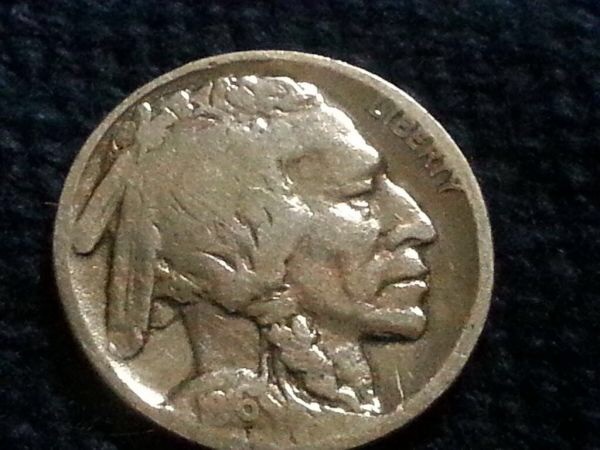
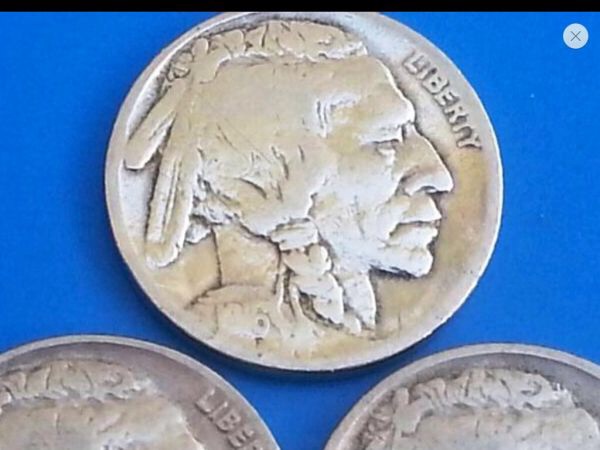


 Posted 03/13/2014 03:10 am