| Author |
 Replies: 9 / Views: 1,639 Replies: 9 / Views: 1,639 |
|
|
Valued Member
United States
55 Posts |
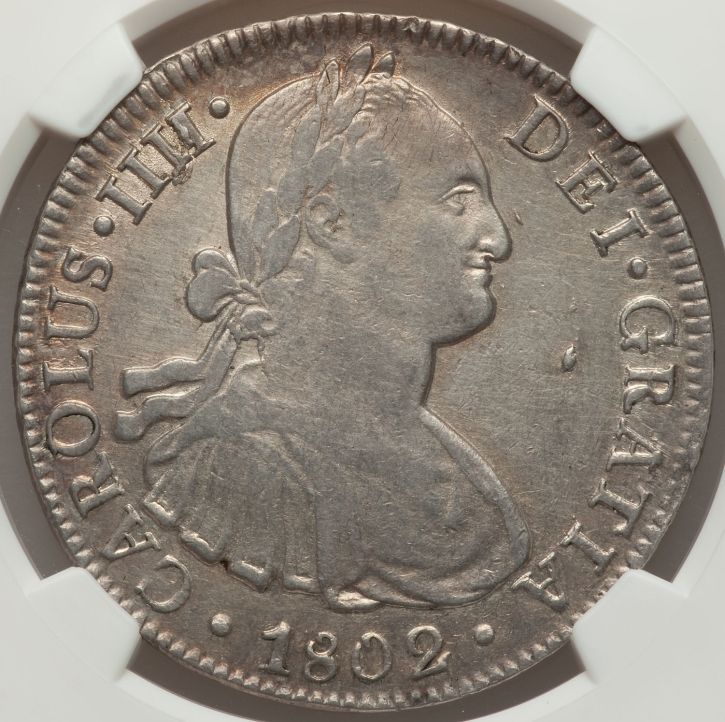
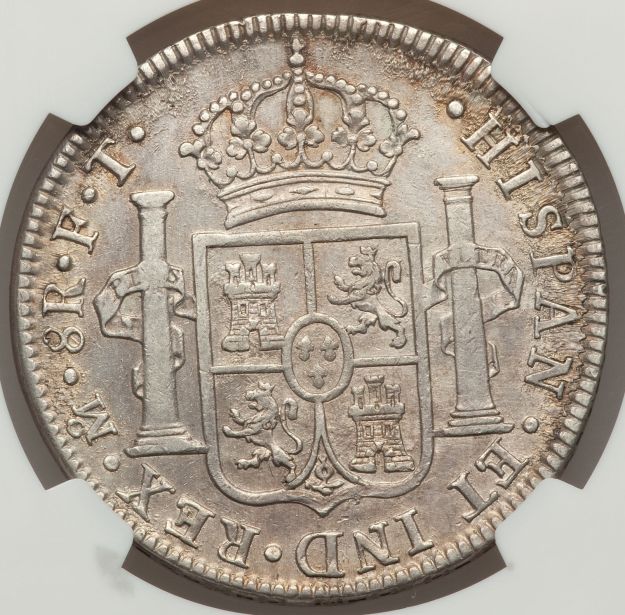
Guys What do you think of this surface? It's from a 1802 Carolus IIII Mexico 8 Reales What do you think could be producing something like that? Could it be product of a worn die during manufacturing? It's probably regal but I'm intrigued on this strange surface. 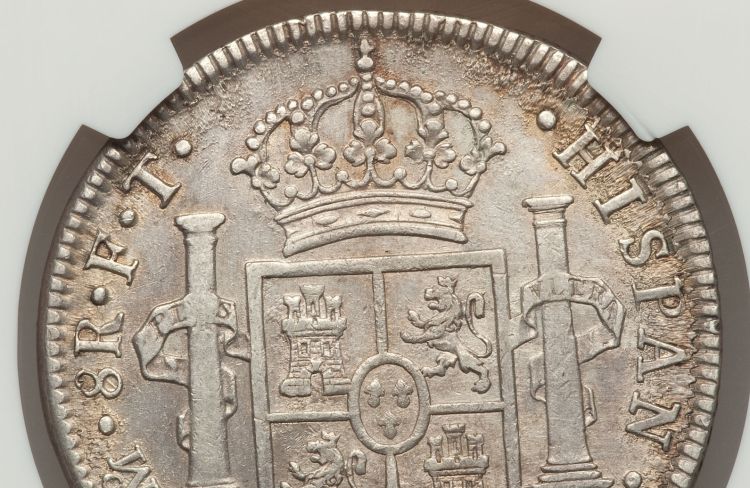 |
|
|
|
Pillar of the Community
United States
1761 Posts |
Die Rust http://error-ref.com/rusted-die.htmlNote in this incredibly useful site created by Mike Diamond & Co. ( Coin World Error Specialist) that Die Deterioration will result in double lettering, bifurcation of the letter tops, etc. which is NOT the case here. I have seen this recently on other specimens but not as severe - I could be wrong - but if not die rust and its not die failure - what are we left with? John Lorenzo United States |
|
Pillar of the Community
United States
3229 Posts |
 Looks like a pretty cool coin! Can we see the rest of it? |
|
Pillar of the Community
 United States
1908 Posts |
x2. Absolutely classic signs of corroded die(s). It would be nice to see full views of both sides.. .. |
|
Valued Member
 United States
55 Posts |
Thanks everyone for your comments. The bust side of the coin doesn't show as much die corrosion. In fact, almost any. I'll upload some pics shorty for reference though.
|
|
Pillar of the Community
United States
5362 Posts |
Interesting surface.
Looks like a modern US quarter made from old worn dies with what is referred to as an "orange peel" surface. In the case of US quarters made in 1997 this was of course NOT die rust. A die pair lasts roughly one day. Orange peel is a function of a breakdown of the surface (field level surface) of the die in a way that produces small erosion pockets at the die surface. It seems to be most prevalent on high production coins with extended die lives. The reason for the occurrence has never been explained with absolute certainty but problems with the hardening of the die surfaces prior to striking seem to be the best possible explanation I have heard of.
I know that in the past "die rust" was a fallback term used to cover a myriad of issues related to reverse pitting of a coin. But when you think of the actual practice - die rust should be seen most prominently on the HIGH points of the coin and not on the high points of the die. So it is logical to check for die rust in areas that are recessed on the die. Rust on the cambered (but essentially flat) die fields seems out of place and most easily removed. Part of the normal mounting process for working dies is a visual inspection and a bad field surface is the most easily seen.
Perhaps I am alone in thinking this way, but what I see as likely is a poorly hardened die surface that is being eroded. There is no similar erosion on the lettering because the sides of the letters were hardened by the pressing of the punches into the die face. The erosion at the tips of the dentils shows some beginning erosion - the doubling effect that is traced to the die steel hardening just a bit around features that are punched into the die. The added stress on the die metal introduced by being punched creates a pressure ridge of harder die steel that resists erosion a little better than the adjacent softer steel.
This effect is seen on genuine and on Class 2 silver restrikes. It is not a definitive indication that can be used for classification without added clues.
|
|
Valued Member
United States
55 Posts |
Comments very much appreciated.
I did noticed (and intrigued me) why the effect would only be on the flat "background" portions of the coin, but not on any of the raised areas, like the lettering.
Agree that the assumption would be that corrosion will attack similarly all areas of the die, flat and recessed.
Thanks for the explanation. Very interesting and informative.
|
|
Valued Member
United States
55 Posts |
|
|
Valued Member
United States
55 Posts |
May seem it is not that uncommon, as same effect seems to be present profusely on this other 1794 Mexico 8R 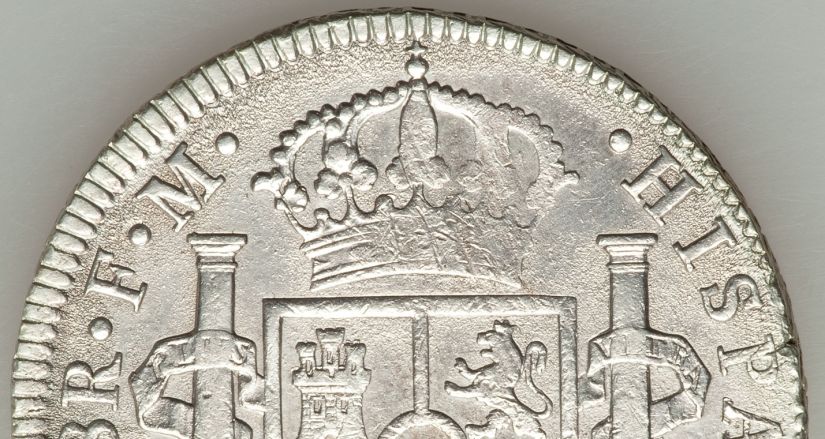 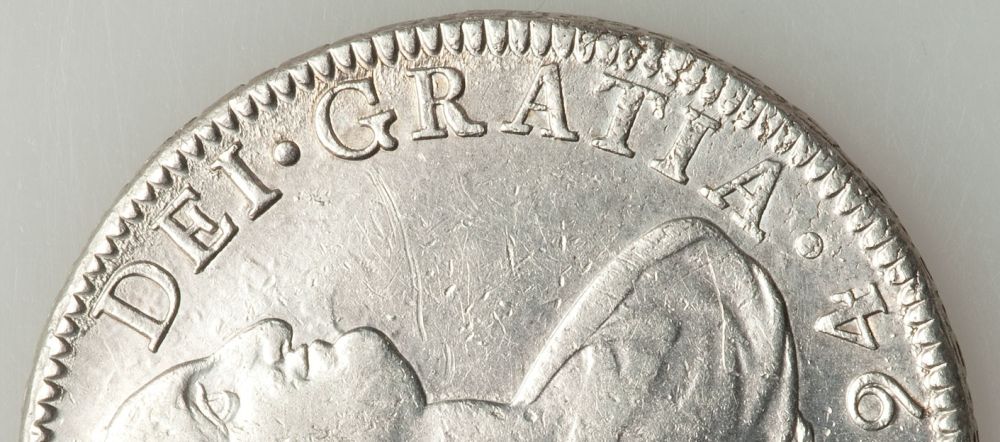 |
|
Valued Member
United States
55 Posts |
On the portratit side though, the effect between the D and the A seem to be the same as what has been seen earlier. The cracking effect seen between the T and the second A though seem very different. Wondering if that is caused by a different reason.
PS. Both coins were auctioned today. Each went at around $85
First one is NGC slabbed.
Edited by NewSpainLearner
04/25/2014 12:22 am
|
| |
Replies: 9 / Views: 1,639 |
|






 Posted 04/19/2014 8:05 pm