| Author |
 Replies: 11 / Views: 4,220 Replies: 11 / Views: 4,220 |
|
|
Pillar of the Community
Hong Kong
1270 Posts |
Hello guys, I want to show you two coins that I think they are real but they differ in some way actually. Coin A (left): 14.00 grams, 31.0 mm, silvery appearance Coin B (right): 13.96 grams, 31.0 mm, toned but not like silver made or lack of sufficient silver. Both coins meet standard weight, show normal abrasion on the surfaces and there is no trace of evidence to say they are fake or anyone is fake. Please compare the pictures. 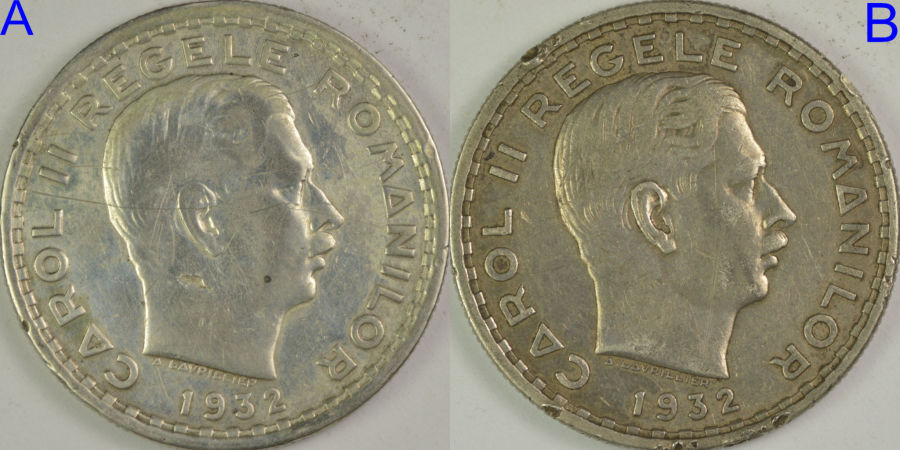 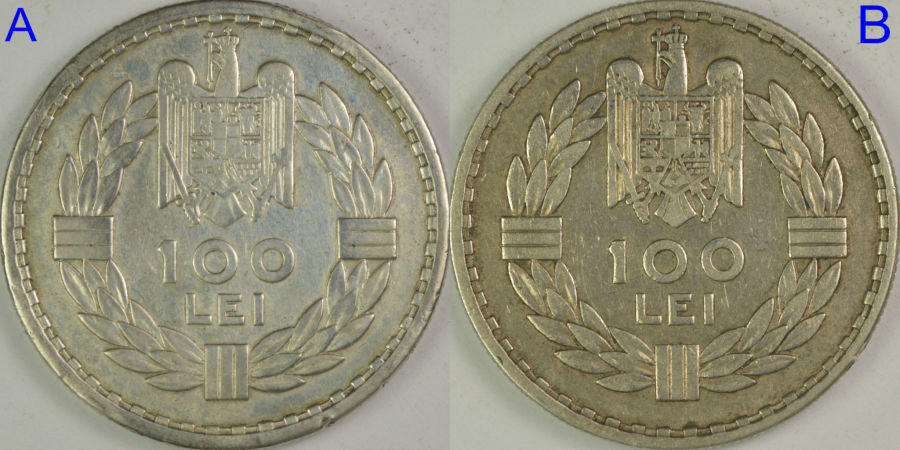 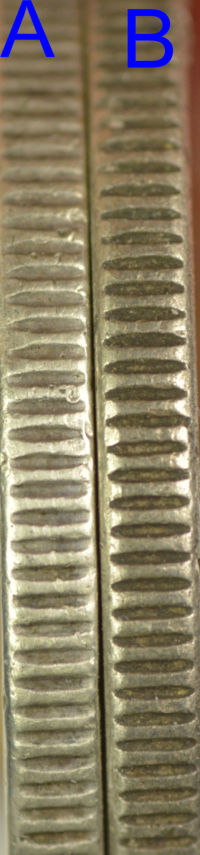 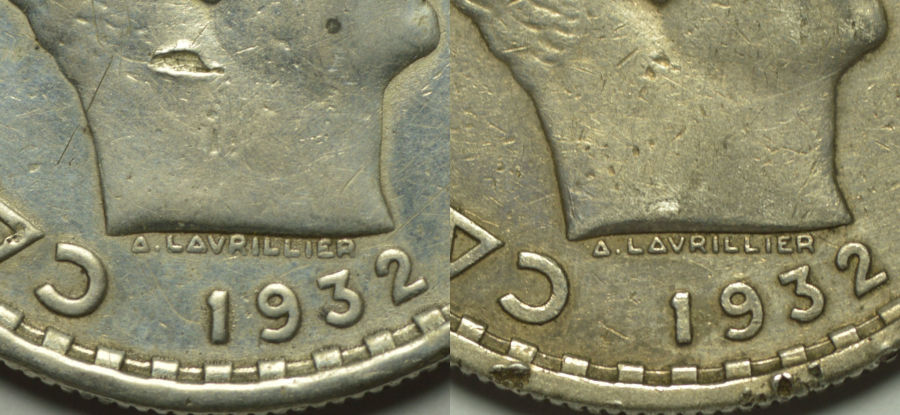 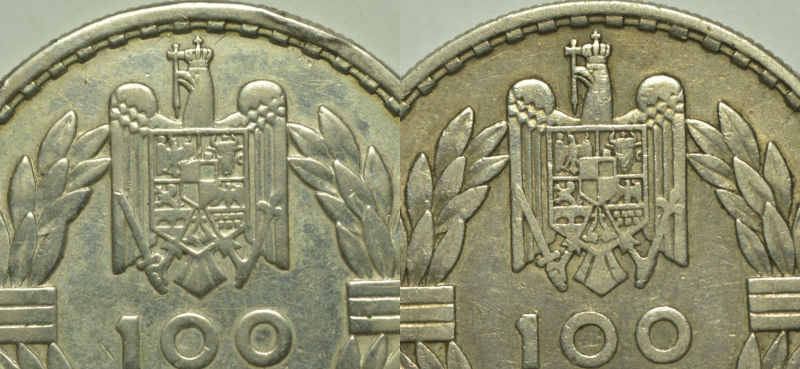 Besides the letters on coin A look more swollen, I can't tell anything more the differences between them. How do you think? Are they both real? 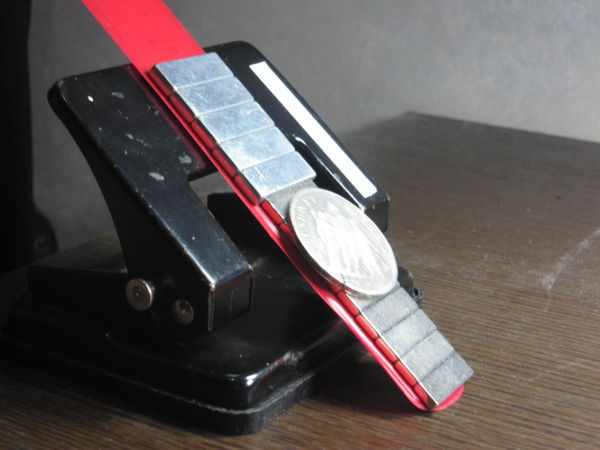 It is this (N52)Neodymium slide tells the difference between them. Coin A slides down in 5.62 seconds while Coin B is 2.11 seconds. This means the content of silver in Coin B is apparently lower than that of Coin A. When examining both coins carefully, I don't think Coin B is a contemporary counterfeit, it came from the same die as A My questions: Were they produced in different mints, one is London and the other one Paris? Were they produced in same mint but one was deliberately debased to deceive the users for money? Is Coin B a "real coin fake money"? Was this phenomenon actually happened in numismatic hitory? Thank you for your comments. Henry |
|
|
|
Pillar of the Community
United States
1674 Posts |
Coin A is a modern fake. What you describe as the letters being more "swollen" is a very common sign of that. Also, the edge reeds are irregular compared to the genuine coin. You magnetic slide results put the nail in the coffin on this one.
Looks like relatively thick plating and probably a lead alloy core. You can see on the bust where some of the outside metal broke off.
They are certainly not from the same dies, as there are other differences too.
Edited by Numismat
08/30/2014 1:20 pm
|
|
Pillar of the Community
 Hong Kong
1270 Posts |
Numismat, thank you your comments. It is difficult to persuade coin A is fake. If it is, it must be a high grade counterfeit. I will take some more time to look closely again to both coins. Henry
|
|
Pillar of the Community
Hong Kong
1270 Posts |
Can coin B be a test coin? That is, the Mint did some tests on the die by those debased metals before pressing the real silver alloy. Henry
|
|
Valued Member
Romania
104 Posts |
I am romanian and I say they are both real, fakes are much more crude.
It's 0.500 silver so there can be differences.
|
|
Pillar of the Community
United States
1915 Posts |
I brought this older topic up because I have the same odd looking coin. But in my case, the coin takes about 5 seconds to slide down the magnet. So it doesn't compare to the interesting one in the post. It's closer to the genuine coin. I bring it up to suggest if the OP is still here to do a density test. My coin is also a dull looking coin and the letters aren't so sharp, but it does compare to .500 silver- although not exactly. It might be error or maybe it's the alloy mix but it doesn't seem likely to be a counterfeit. I calculated .500 silver to be 9.66g/cc based on presumption the other half is pure copper. That may not be true. The density of my similar coin is 9.64 which is not9.66. In order for density to be 9.64, I calculate the alloy should be .510 copper and .490 silver. So I figure mine is likely genuine instead of fake. Otherwise what would be the point since the coin is the proper size, weight and comparable density. If fake, something prominent would be out of line somewhere. So I brought this topic back to life to suggest to the OP to try a density test and see how that comes out. If you have a number of say 7-something or 8-something instead of a 9.6 or so then you can figure it may be a fake but with better data to support that belief. I buy fakes. I wish I had it.
|
|
Pillar of the Community
Hong Kong
1270 Posts |
@Albert, may I have a look to your coin?
|
|
Pillar of the Community
United States
1915 Posts |
I had to lower image quality to reduce file size but here it is. The OP says the coin weighs 13.96 grams. Mine weighs 13.9571 grams. It would round up to 13.96 if the resolution was less. Pretty darn close for two different coins by two different people using two different measures at two different times. 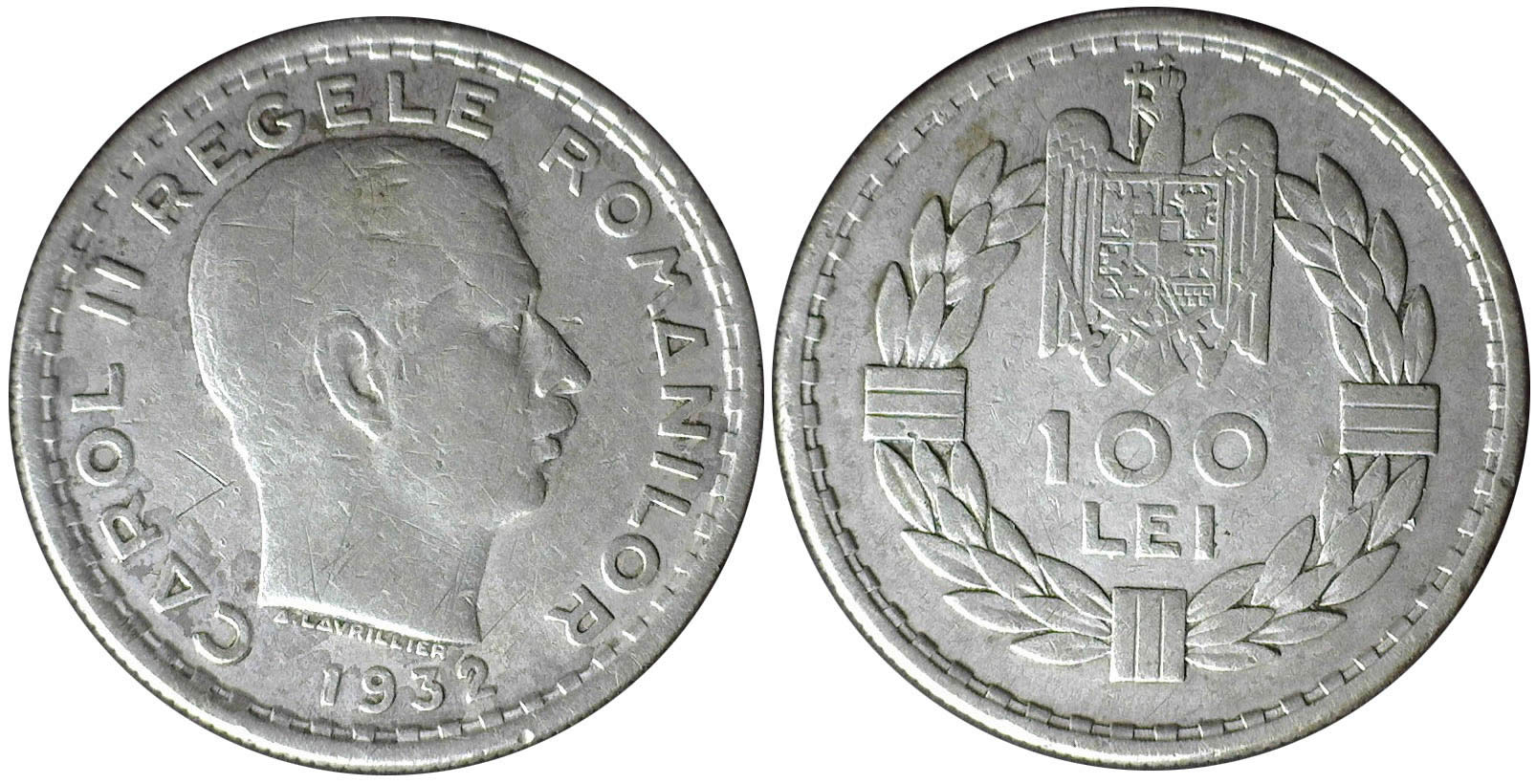 Edited by Albert
05/06/2017 11:54 pm
|
|
Pillar of the Community
Hong Kong
1270 Posts |
The coin is naturally worn so I don't think it is fake.
|
|
Pillar of the Community
United States
1915 Posts |
Yes I'm sure it is a good coin. Do you have the ability to determine density of your interesting coin? I admit it has been an important part of my collecting that went unanswered for many years. I finally decided that I had to spend a lot of money in order to get good results. It was costly, but I'm glad to get good data instead of not knowing.
|
|
Pillar of the Community
Hong Kong
1270 Posts |
@Albert Quote:
Do you have the ability to determine density of your interesting coin? The % of error in weighing a low-weight coin (~15gr) is too great so I have no confidence to do the S.G. test accurate. I re-examine the coins and find there is no problem to them. I would tends to say both are genuine. The sliding test on the N52 magnets may not be conclusive in this time. |
|
Pillar of the Community
United States
1915 Posts |
I too was bothered by % of error with small coins and zero confidence. The magnet is useful, but it is not foolproof. I've never had buyers remorse after investing a lot of money to buy quality lab equipment that gives me confidence in knowing instead of having that lingering doubt or uncertainty.
|
| |
Replies: 11 / Views: 4,220 |
|







 Posted 08/31/2014 03:00 am





