| Author |
 Replies: 16 / Views: 8,997 Replies: 16 / Views: 8,997 |
|
Pillar of the Community
United States
3229 Posts |
So I just picked up this 1788 Massachusetts Cent. The seller said it was a counterfeit. It looked real to me so I pulled the trigger. After looking at my Whitman book I think it is a Ryder 12-M, Stout Indian obverse. My pics were quick and are bit too reflective. The color is more true to old copper, and yes there is bare copper showing in areas. It is 9.2 grams and 28.5 mm. Please confirm authenticity and variety. And throw in grade if you want too;) 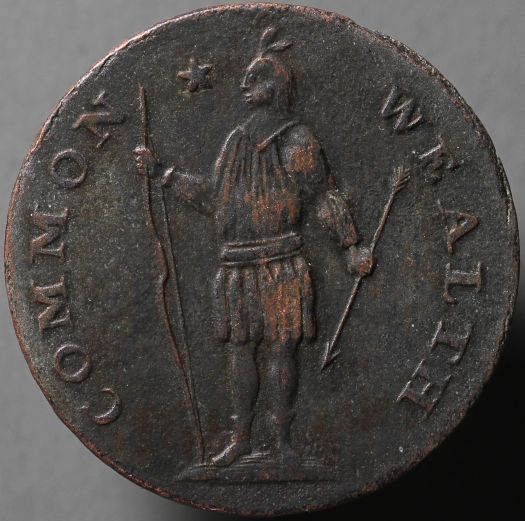 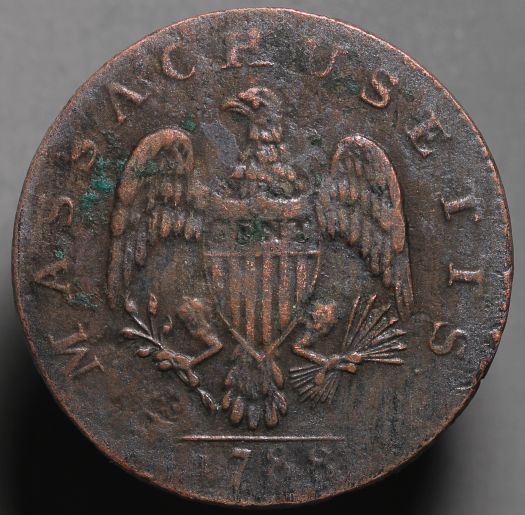 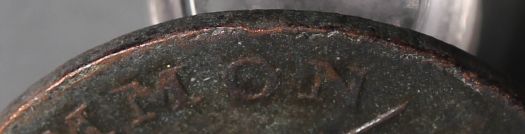 |
|
|
|
Valued Member
United States
308 Posts |
I don't know enough to say if it's real or fake, but I hope it's real for you. It's a cool coin!
|
|
Moderator
 United States
16694 Posts |
It's genuine. I'm at VF35 Details corroded/cleaned.
Get that verdigris off the reverse.
Looks like 12-M. Don't have references right now.
swcoin.ecrater.com
|
|
Pillar of the Community
United States
5029 Posts |
Great find and nice addition to a collection.
|
|
Bedrock of the Community
United States
17884 Posts |
I have my doubts as to the authenticity. Edge is very flat and square for a coin supposedly struck in a screw press without a collar. take a look at the early Half Cents and large cents. They are on machine made planchets struck in a screw press without a close collar and their edges are NOT flat and square, they are rounded. |
|
Pillar of the Community
United States
4432 Posts |
I'm with Conder101 on this one - reasonably suspicious. I suspect it's a 1960's era copy that's been artificially aged and recolored.
|
|
Pillar of the Community
 United States
3229 Posts |
Conder and Exoguy, I see and understand what you are talking about. Still if it is counterfiet then someone has done a great job of it. It rings so it is not cast. And the coin was soaked in acetone for two hrs before I took the pics. So the green is hard as on something that has been in the ground for a long long time. And at the same time that edge does bother me too. May be a contempory couterfiet? I will try to get some more edge pics up tonight or tomorrow. Maybe they will shed some light on the situation.
|
|
Moderator
United States
16694 Posts |
At 9.2 grams, that's right on tolerance. I've studied the Evan's restrikes and they still look more "cartoonish" than this one.
There were restrikes produced in the late 1800's also.
swcoin.ecrater.com
|
|
Pillar of the Community
United States
4432 Posts |
This piece sure looks like the Ryder 12-M. Here's one that John Kraljevich listed in 2011: http://www.colonialamericancoins.co...n-coins.htmlI weighed a 1960's era copy that I had handy, and it was 12 grams, much heavier. I'm less suspicious, now, but that edge is still bothersome. Copies aside, I've don't recall seeing another like it. I'll have to dig out my colonials. |
|
Pillar of the Community
United States
731 Posts |
I have a similar piece pictured below, so I am curious about all the opinions on yours. Mine is a little more worn than yours, but it weighs the same 9.2 grams. 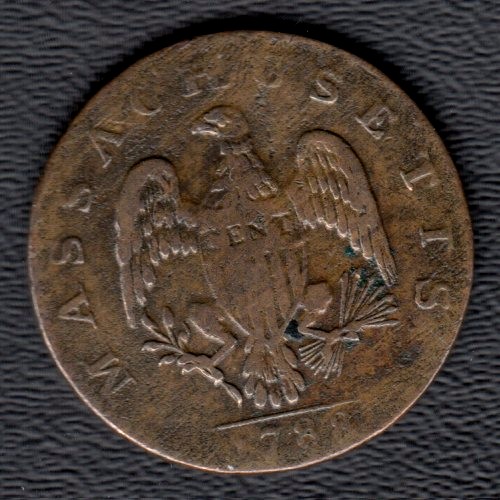 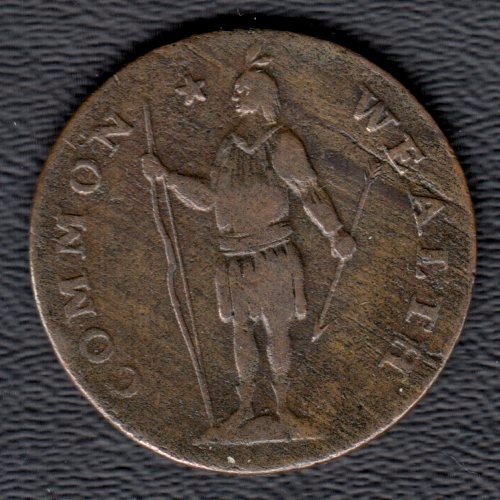 |
|
Pillar of the Community
United States
1566 Posts |
|
|
Pillar of the Community
United States
3229 Posts |
Here are a couple more pics. Looking more closely at the rims I am wondering if the flatness is PMD. I think I am seeing where metal has been pushed forward towards the obverse. Maybe someone long ago fit this into some kind of setting? 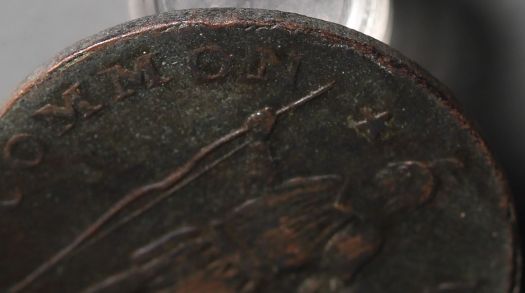 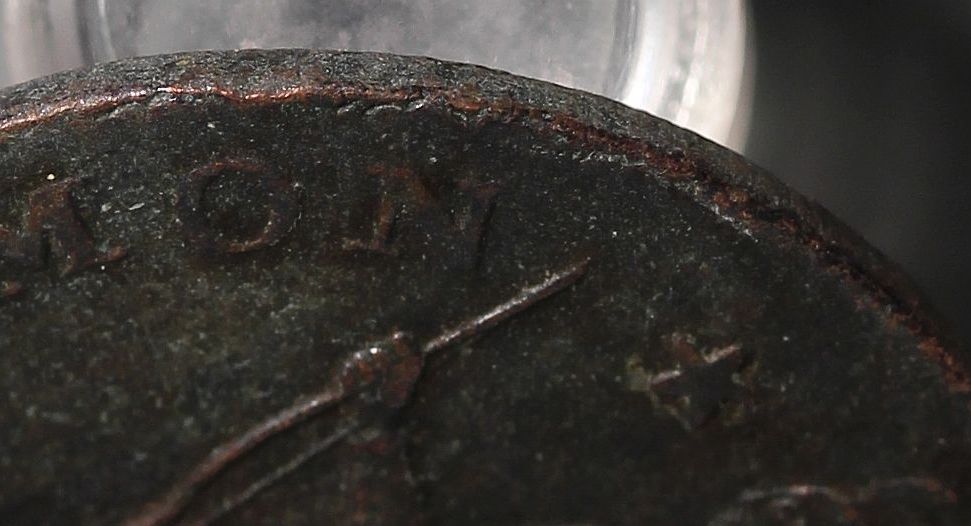 |
|
Pillar of the Community
United States
1247 Posts |
so what is one of these worth?
|
|
Pillar of the Community
United States
3229 Posts |
|
|
Pillar of the Community
United States
3229 Posts |
Here is an update:) 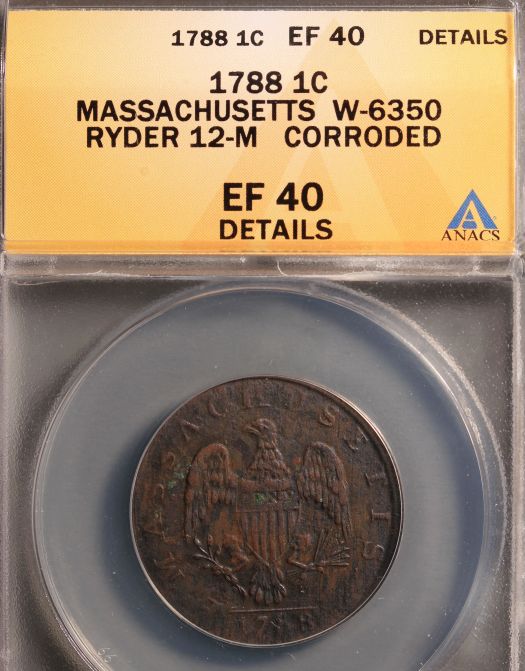 |
|
Pillar of the Community
United States
1566 Posts |
Very cool. I remember this thread. I just listed a 1787 in the grading forum so I've been studying these lately.
|
| |
Replies: 16 / Views: 8,997 |










 Posted 12/14/2014 11:23 pm


