| Author |
 Replies: 15 / Views: 2,105 Replies: 15 / Views: 2,105 |
|
|
Valued Member
Canada
444 Posts |
|
|
|
|
Pillar of the Community
United States
840 Posts |
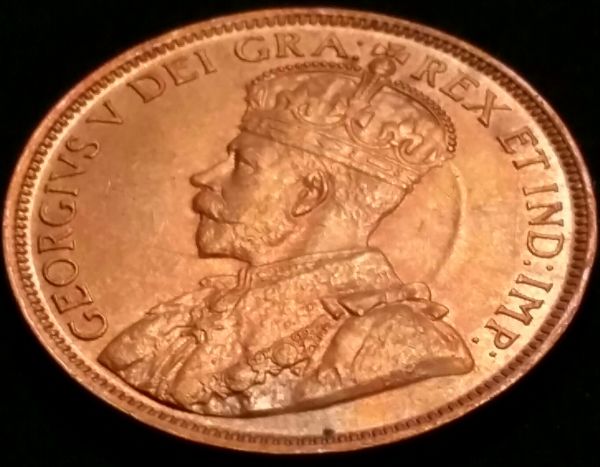
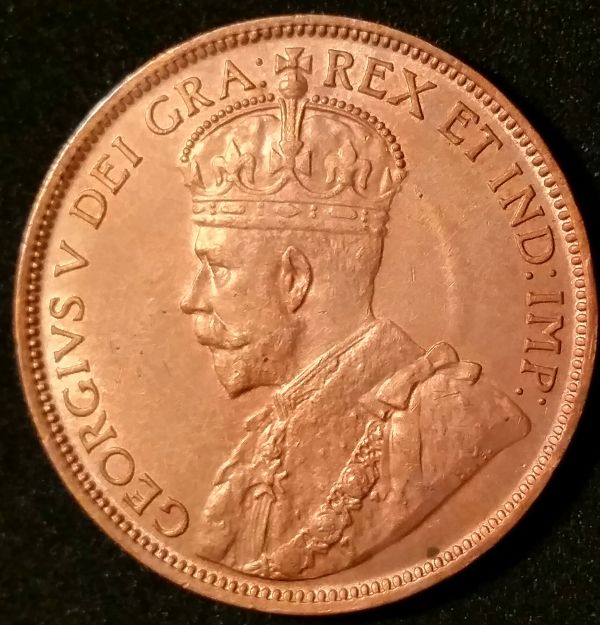
I am not sure what caused this marking.
Traditional Die-Clash marks mimic some
design element of the other die. Unless
I am missing something, I an unable to
ascertain any design element being mimicked.
doug
|
|
Pillar of the Community
New Zealand
1679 Posts |
Quote:
I am not sure what caused this marking.
Traditional Die-Clash marks mimic some
design element of the other die. Unless
I am missing something, I an unable to
ascertain any design element being mimicked.
doug I agree this is not a Die-Clash, not sure what!! AU50-55 cheers Don Cheers Don
Vickies cents and GB Farthings nut.
"Old" is a figure of speech and nothing more
Edited by fourmack
01/06/2015 02:14 am
|
|
Pillar of the Community
Canada
2531 Posts |
Looks too blurred to be a die clash. Some kind of die damage? I think it would have been discovered on other coins too if it is though.
|
|
Valued Member
165 Posts |
|
|
Pillar of the Community
Canada
805 Posts |
Does it appear to be raised at all? I had something similar on a Lincoln Cent and turns out it was die abrasion from over polishing the dies. Apparently, polishing the dies can remove some mid areas of the die so that the devices no longer have the proper shape. https://goccf.com/t/193595Edited by steve123
01/06/2015 12:45 pm
|
|
Pillar of the Community
United States
4233 Posts |
Looks like there is also a raised area on the rim that mimics the "clash".
|
|
Pillar of the Community
Canada
872 Posts |
|
|
Pillar of the Community
Canada
937 Posts |
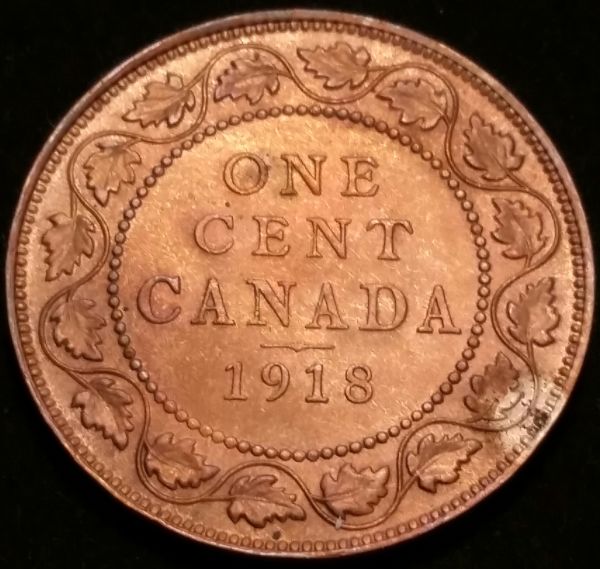
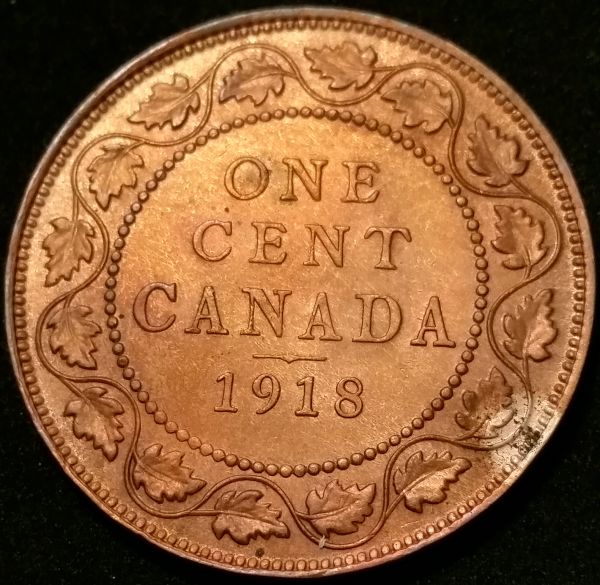
I agree it's not a clash. You see this raised arc on a few different years in the large cents, going back as early as 1859. A couple of months ago there was a thread on a different site (which is temporarily down at the moment or I would link it) talking about this very effect. BillinBurl (an honoured member of this site as well) had an excellent name for it; I think he called it a "collapsed die". Something to do with the die itself breaking down; I don't imagine it would last much longer before the die broke completely.
|
|
Valued Member
 Canada
444 Posts |
This is raised quite a bit. A clash causes a rise or indentation on a coin? The ring of denticals couldn't cause the clash? AU?
Thanks all that post.
|
|
Pillar of the Community
Canada
695 Posts |
|
|
Moderator
 Canada
10473 Posts |
"Discovery follows discovery, each both raising and answering questions, each ending a long search, and each providing the new instruments for a new search." -- J. Robert OppenheimerContent of this post is licensed under a Creative Commons Attribution-NonCommercial 3.0 Unported License. See: http://creativecommons.org/licenses...0/deed.en_USMy eBay store
|
|
Pillar of the Community
Canada
5419 Posts |
The area affected lines up the beading on the reverse of a George V Large Cent. I am thinking excessively polished die clash ? Or gas bubble occlusion?
|
|
Pillar of the Community
Canada
937 Posts |
Scissel: That sounds like the effect I was talking about.
The Canadiancoppercoins website has photos of 2 separate but identical 1859 pennies with that very same arc (though on the reverse, not the obverse),and I as well have the same 1859 variety with the same raised arc in the same place. 3 same-variety coins with a flaw in the exact same place on each leads me to believe that the variety is a die problem, not a planchet problem. The point of all that being that the flaw looks very similar to the raised arc on Coin Scavenger's piece.
Saying that, SPP and Pacificoin have a point with the gas bubble angle. It could very well be. But if more 1918's showed up with that very same flaw in the same place it would clinch the case, I think.
|
|
Pillar of the Community
Canada
695 Posts |
pennysaver - I have read that a gas bubble "error" requires the coin to be heated after the fact (a form of PMD) to bring up the bubble. As this coin is red(ish) I'm leaning to the die subsidence explanation. Unless this coin has been heated and then cleaned... |
|
Pillar of the Community
Canada
2531 Posts |
You don't need to heat a coin to produce a bulge in the coin. You simply need a gas bubble inside the planchet.
"When the coin is struck and the die pressure is suddenly released, the compressed air will force a bulge on the weaker or thinner side of the coin. Rarely will an air-bubble bulge out equally on both sides, unless the bubble is perfectly centred."
Zoell. H, Third Edition, Part Two p. 14
|
| |
Replies: 15 / Views: 2,105 |
|










 Posted 01/06/2015 02:14 am


