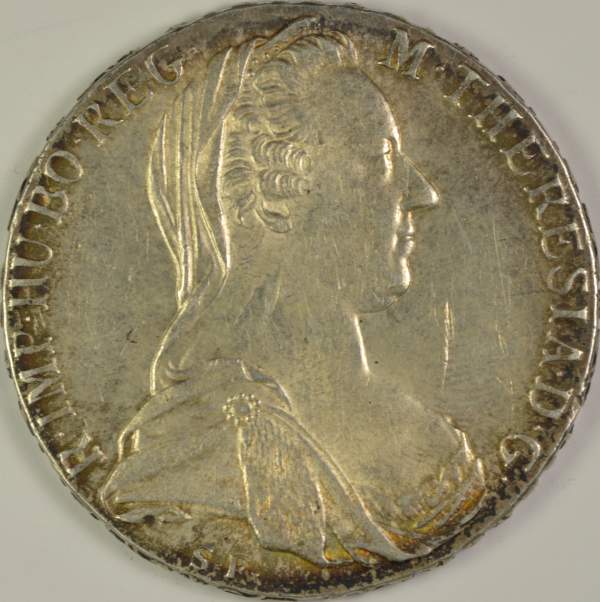
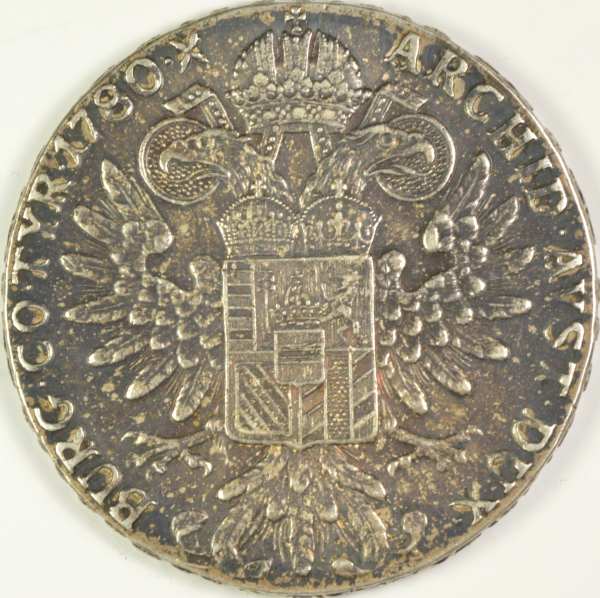
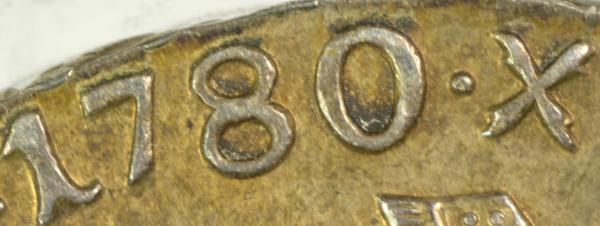
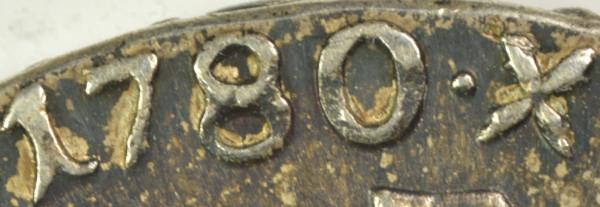
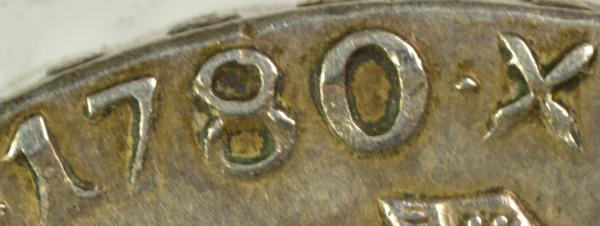
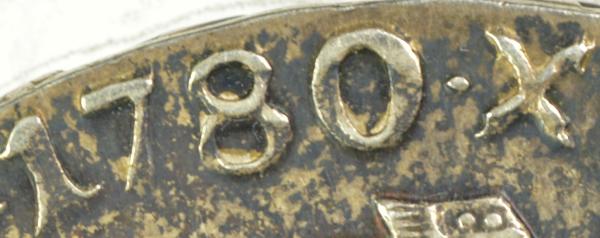
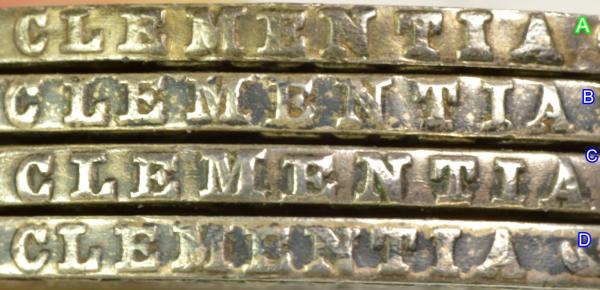
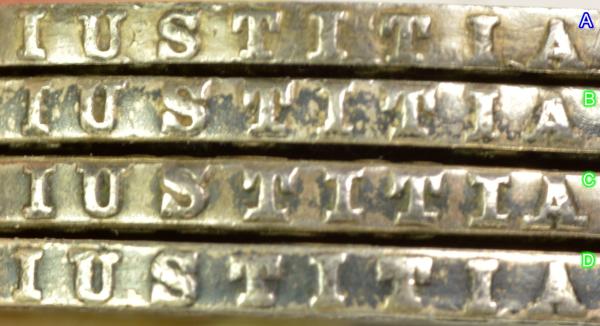
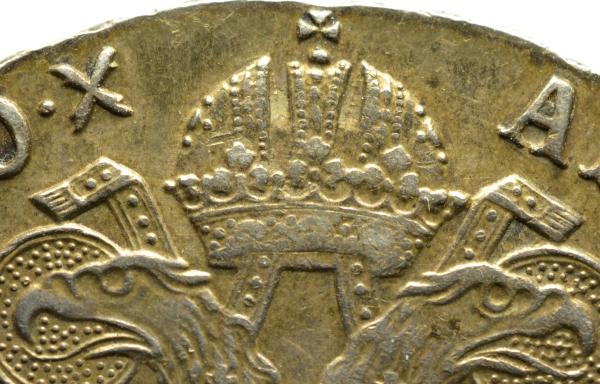
I actually have two coins that meet that criteria. I only have two as over the last 10 years I have filtered out the lower graded examples I had purchased. Both are perfect match to the london mint master dies held in the mints library in Wales. It depends on how you measure. I measure between the edge letters.
There is a very real possibility that the pool of coins you are sampling is different to the pool of coins I am sampling. Meaning you are in Asia and I am in Europe. Henry you are at the end of the MTT trading flow while I am at the beginning. Meaning==>
The standard circulation flow of MTT over the last 230+ years has been the MTTs produced in Europe were exported to the near east(Levant). The coins then followed and circulated in the arabic trading routes. Those trading routes saw the coins moving fairly constantly along the east coast of Africa, The Red Sea, Persian gulf and Indian Ocean regions( I am ignoring the Saharan trade here). After circulating for a period the flow continued east to India.
There were, rare, occasions when silver price fluctuations saw MTT traded back to Europe( this happened in the 1920s). Overall the MTT silver flow was always from Europe through the orient and on to Asia ( most MTT ended their lives in Indian Melting pots..and some flowed on to China)
In the late 19th century and up to the mid 20th century European produced MTT were predominantly traded after striking in the london Bullion markets, before being shipped east.
The Indian mint MTT can be best regarded as a weapon , albeit economic, of war. The Indian Mint MTT when produced were shipped to ports in Mombasa, Aden and then as the war progressed Djibouti, and Port Sudan were added. However the war never interrupted the general silver flow so Indian mint struck MTT were more likely to return to India and on to China (and the Hong Kong region). So it is quite possible that today's Europe based collector is going to find much fewer Indian mint struck MTT
We know the two Indian mints produced more MTT during the war then the london mint produced from 1936-1961. It is therefore entirely feasible that a collector in Asia will be sampling an MTT pool that, in regards to the london mint 1-2-1 die type, has a much higher proportion of Indian mint struck MTT. While the European collector is probably sampling a smaller pool of coins that has proportionately more London mint coins.
For the USA collectors may well be sampling a pool similar to China and Hong Kong as after the war the USA helped Ethiopia establish a new monetary system and as part of that process Tons of MTT were shipped from Ethiopia to the USA.Sampling MTT and analysing differences isn't overly helpful. Yes we will find differences but we have no information to
prove which mint the differences are from.
Someone is going to jump in here and say "but there is XRF" Yes it can help to a degree but academically its not reliable. Here in Europe the university based numismatic departments do not regard XRF as proof for the simple reason over time surface changes to coins( through circulation) gives less than consistent results. Usually when proof of an argument is required they will use a much more expensive process using a proton beam( apparently it measures inside the coin)
Don't get me wrong XRF isn't useless it just doesn't provide conclusive proof
particularly in the case of MTTs. For example It is well known that Bombay mint MTT have about 0.4% of gold in the alloy. I used to assume that Calcutta MTT would be the same; however I had an Indian mint MTT analysed by XRF. As was expected it contained contaminants of Zinc, and tin but it didn't have any readings of gold. May it was from Calcutta? But how can we prove that? At the current time we can't! The best that could be said is its a real possibility. Edit: XRF is probably much more useful for spanish dollar types because the source of the silver is well known. MTT were often produced by melting down other silver coins
Until coins with clear indisputable provenance are found any analysis by sampling MTT and dividing them by small differences is only going to tell us minor varietal information it is not going to tell us the source. So the only trust worthy information we have at the moment is the london mint records.
The only good information we have is London Mint MTT are 39.5mm in diametre( reminder: I find them reasonably easily here in Europe, whether my hypothesis on silver flows is correct or not). While indian MTT have a diameter greater than 40mm.
To non-MTT collectors this may seem an impossible situation and pointless.....but there is one coin out there worth finding. When the King Farouk collection was sold it included a gold Abschlag MTT that had been produced in Bombay. That coin is the one coin that is most likely to give us the definitive visual identification features of Bombay. Find that coin and then we can start to work out what the rarer Calcutta type probably looks like.
Edit:
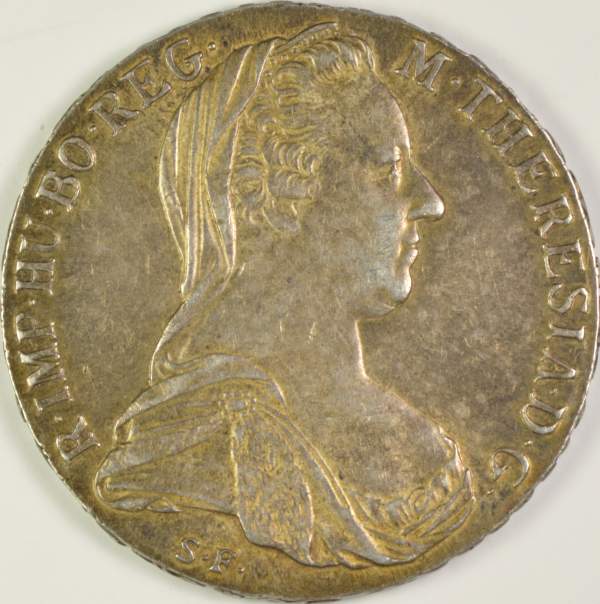
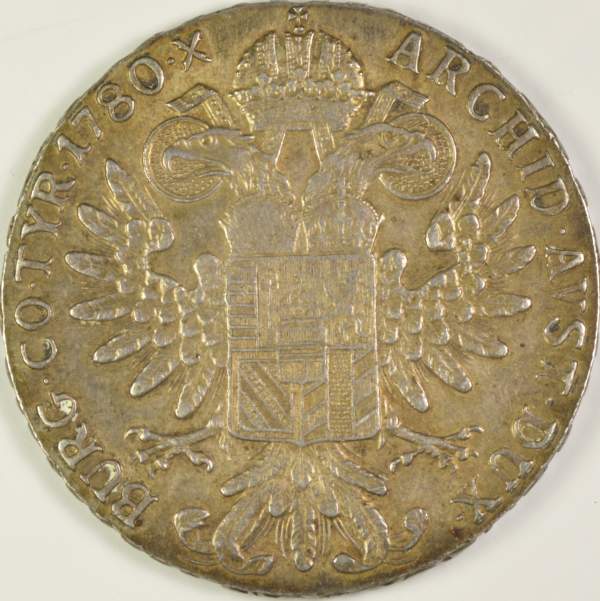
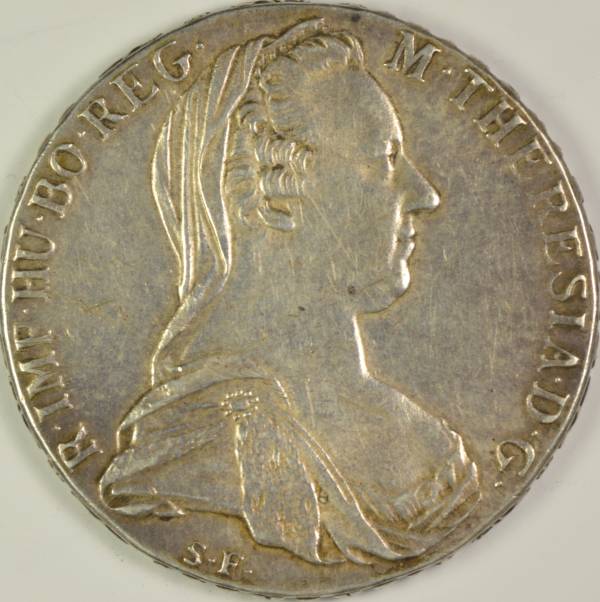
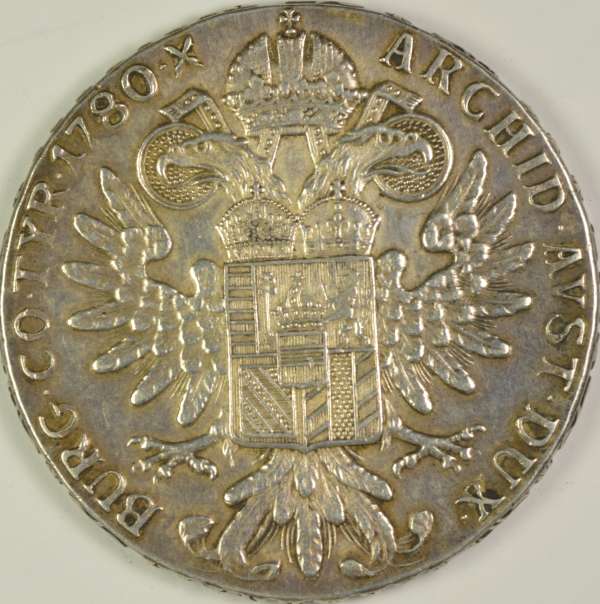
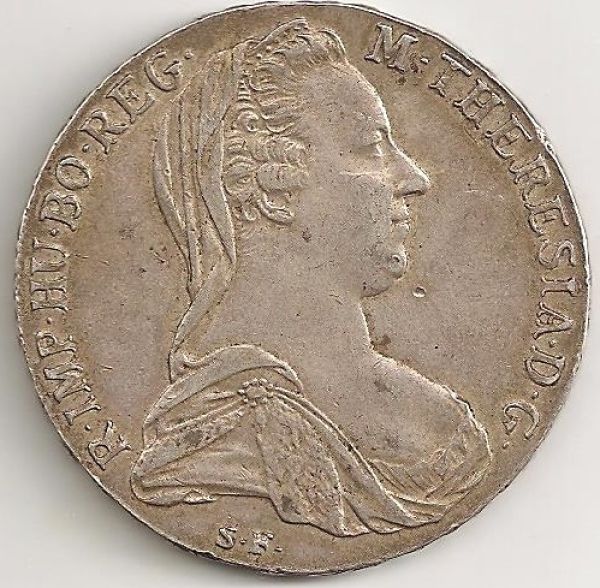
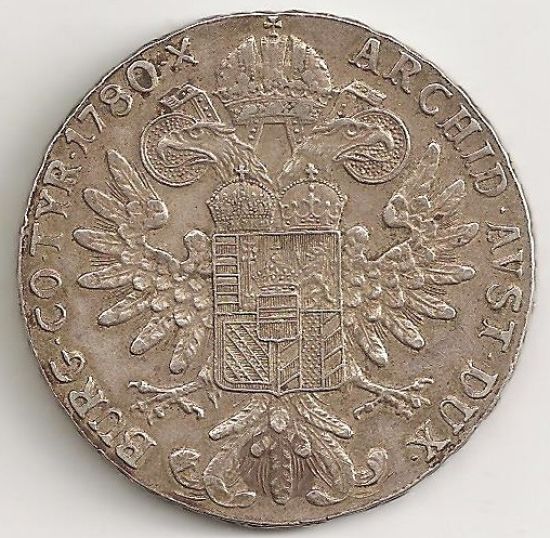
I am extremely cautious about MTT designations. I require very high levels of proof. Often when I say maybe others would say proved. With london mint die MTT I assess a coin as being possibly indian when it is 41-43 mm in diameter. Please note the london mint records clearly state indian mint MTT are greater than 40mm in diameter( they did not say "equal to and greater than") I assess as london when it is 39.5mm anything between I just assess as unknown. Heres an uncirculated london mint struck coin( well provenanced and 39.5mm in diametre)
partially edited pictures (The ghosting is an artifact of the lighting system I used I didn't bother editing the background to remove the ghosting):


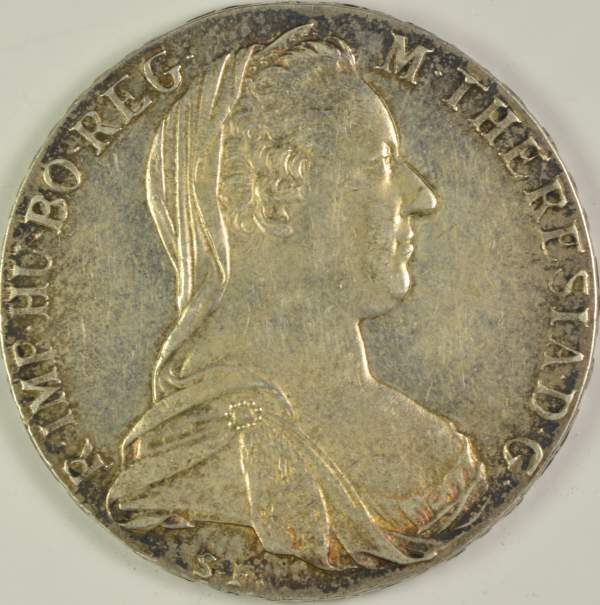
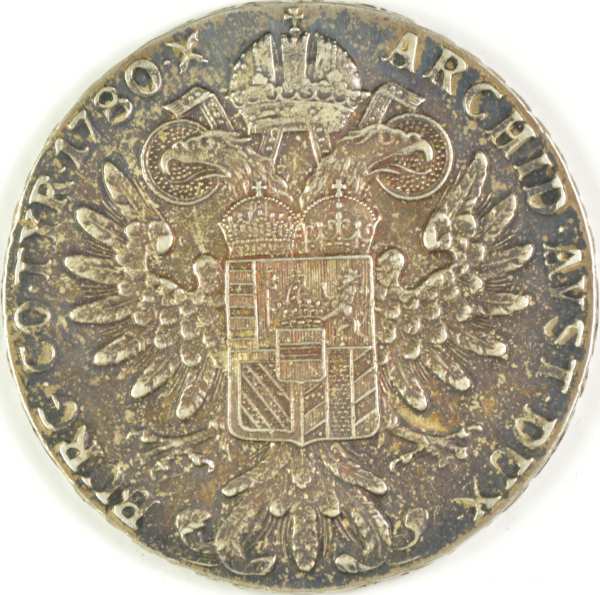
Take note of the quality of the strike. The correct striking pressure was used and the metal has flowed into the die fully. If you go back to the first pictures in this thread you can see the evidence of the use of too high a striking pressure ( swallow tailing/Fish tailing of the numbers and letters around the rim most noticeable on the reverse).











 Posted 03/06/2015 05:33 am