| Author |
 Replies: 11 / Views: 9,631 Replies: 11 / Views: 9,631 |
|
|
Pillar of the Community
United States
616 Posts |
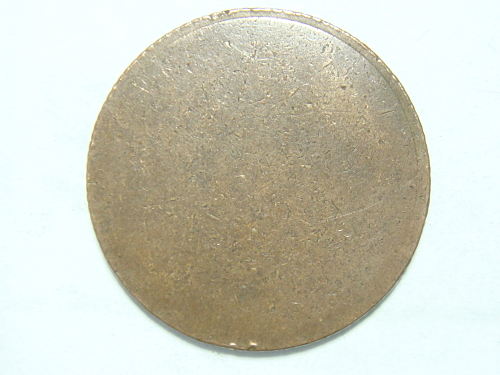
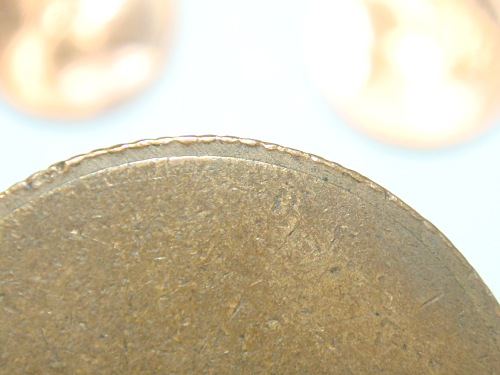
I recently found this blank copper planchet that has full reeding along the entire length of the edge. It weighs 6.47 grams, is the same size as a U.S. quarter and is nonmetallic. This blank has got me perplexed! Correct me if I'm wrong, but isn't the reading of a coin applied by the collar during the striking process? I understand how the coin blanks go through the upsetting mill to form their plain, yet raised rim before being struck, but I've never heard of a reeded upsetting mill?!?! I would love to hear the community's thoughts on this one! Thanks!  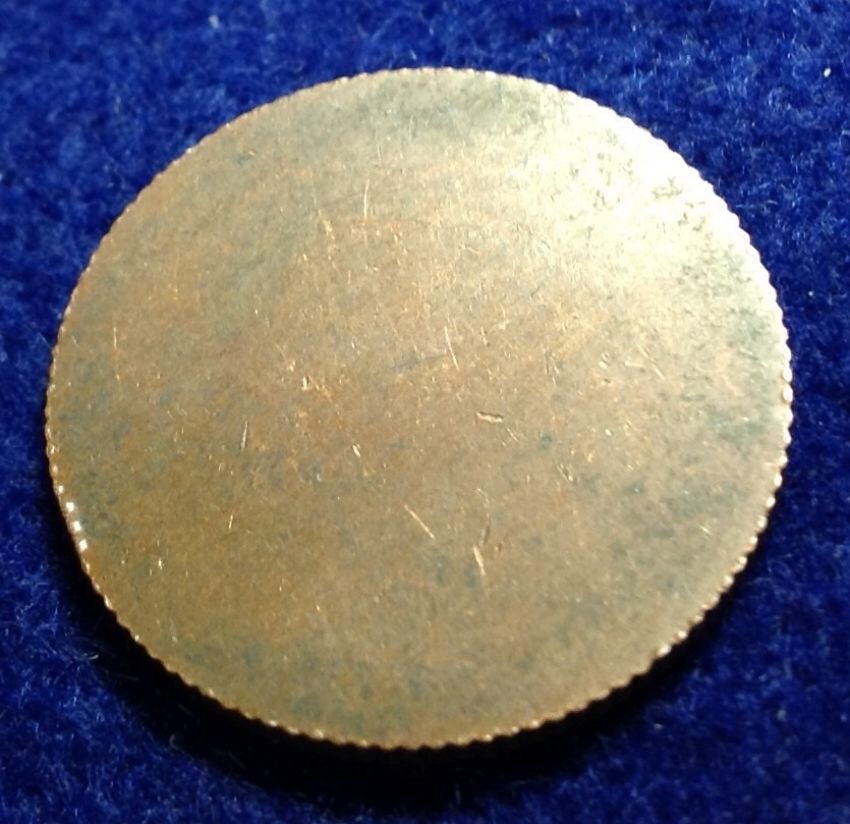  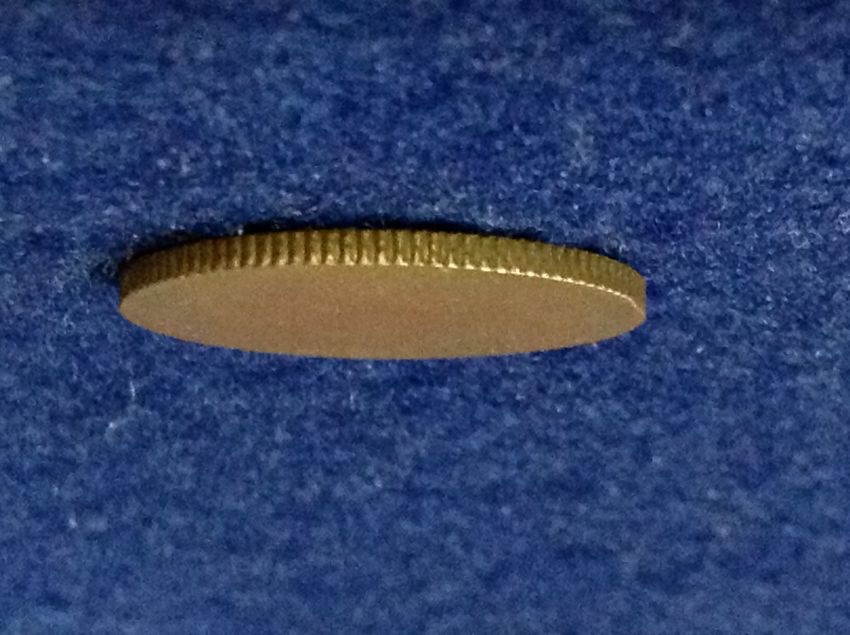 |
|
|
|
Bedrock of the Community
Australia
21789 Posts |
Perhaps it is not a raised rim coin planchet, and is just a serrated rim blank, not necessarily for a coin.
Silver planchets before striking were usually raised rim, milled edge, with the collar imparting the edge milling during the striking process.
The edge reeding in this case looks like it has been rolled in, not milled.
I am at a loss to consider for what purpose it may have been made.
|
|
Pillar of the Community
 United States
616 Posts |
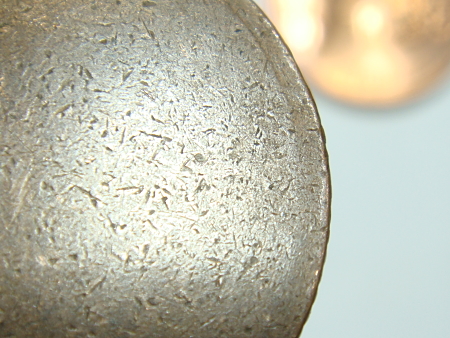
Here are a few more pics that show: 1) the diameter of the reeded planchet 2) a comparison of the reeding between four quarters 3) the weight of the Planchet in grams 4) evidence of an upset rim in addition to the reeding 1) 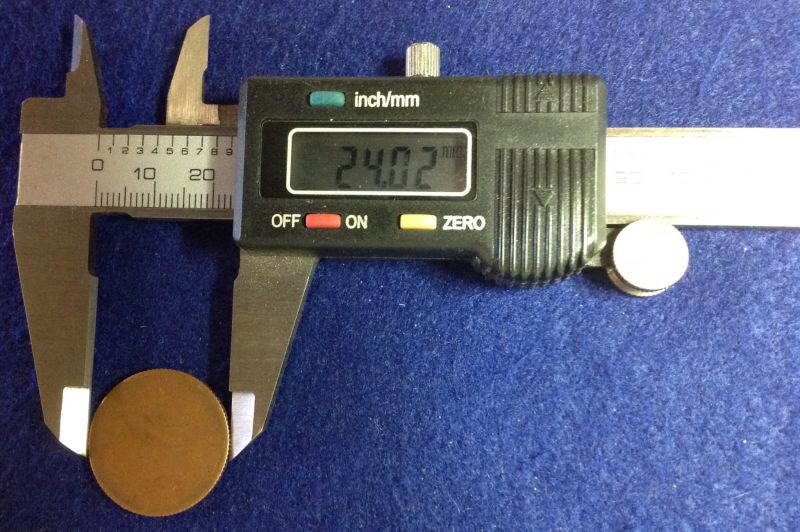 2)  3) 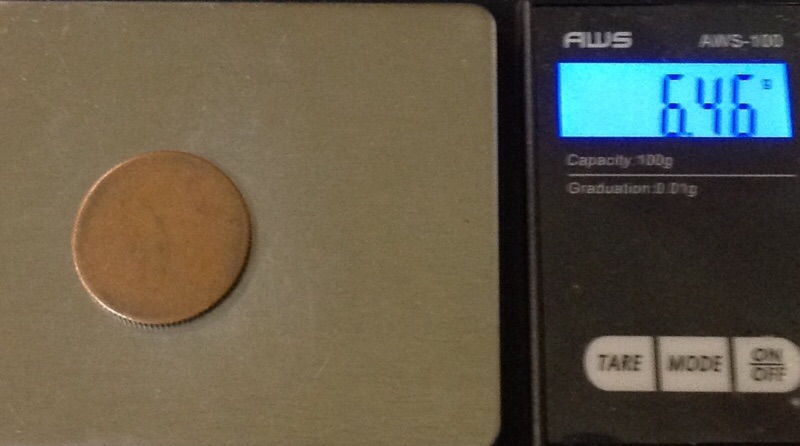 4) 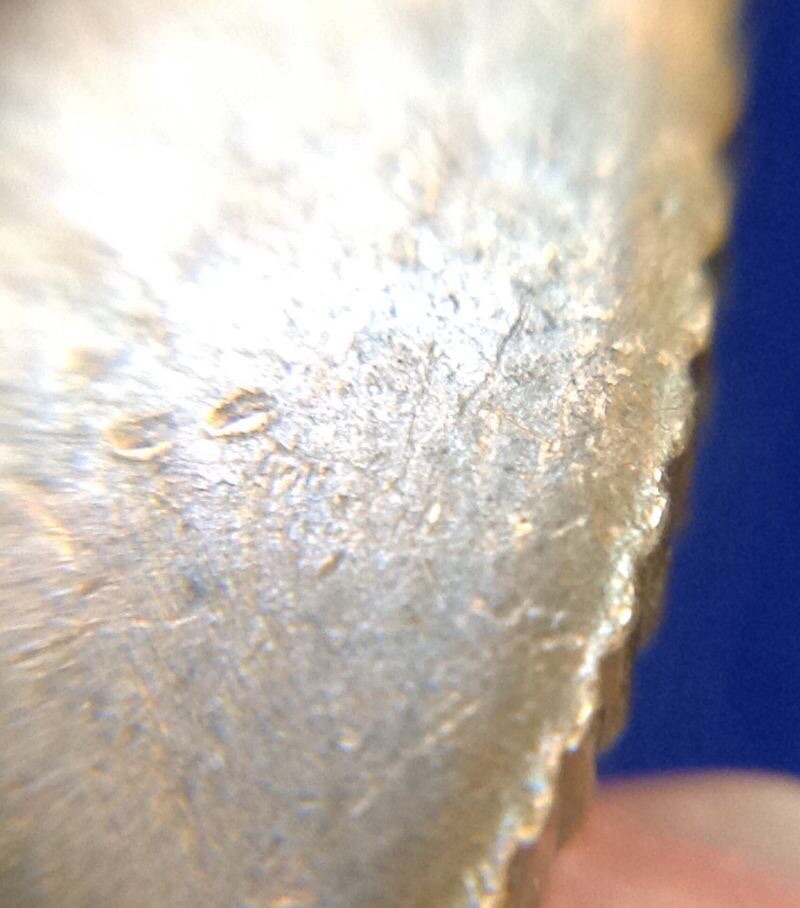 |
|
Pillar of the Community
United States
597 Posts |
we need an answer so when you get one please let us know!
|
|
Pillar of the Community
United States
3079 Posts |
Could be just a token that slipped through the inspection of an arcade token etc. I don't thing you will be getting much more narrowed answer.
|
|
Pillar of the Community
United States
807 Posts |
Ha! If it has any relation to a genuine coin, as opposed to being an essay made by a forger for some purpose (such as testing his Castaing machine, which was used to roll in edge reeding before striking in collar became the fashion), then it's the Japanese 10 yen piece of 1951-58, notoriously capable of being used as a quarter slug. After 1958 the edge was plain rather than reeded.
|
|
New Member
United States
19 Posts |
Hi, I have the same coin in this thread. Did anyone find out what it is?
|
|
Pillar of the Community
United States
595 Posts |
Looking at the comparison with the 4 quarters, the reeding is spaced a bit wider. There are about 10 grooves on your blank for every 11 on the real quarters. So, whatever it is, it does not have quarter reeding on it.
|
|
Bedrock of the Community
Australia
21789 Posts |
I notice that the edge milling on the blank is slightly oblique ( /////// or \\\\\\\, leaning over).
|
|
Valued Member
United States
288 Posts |
It is a quarter slug, nothing more in my opinion.
|
|
New Member
United States
19 Posts |
|
|
Pillar of the Community
United States
1781 Posts |
These turned up the Detroit area and I suppose other places in the country until the perpetrators were caught. These were made in Canada to be used in US venting machines. Around here I see them show up at our CONECA tables every so often in Michigan. Saw one there last year. At one time it seemed like every dealer that had a binder containing some "oddities" had one of these for sale. These go back at least as far as the mid 1980s.
Edited by koinpro
01/31/2020 1:57 pm
|
| |
Replies: 11 / Views: 9,631 |
|










 Posted 03/05/2015 12:45 pm