| Author |
 Replies: 14 / Views: 1,547 Replies: 14 / Views: 1,547 |
|
|
Pillar of the Community
United States
1911 Posts |
Hi all, I found this 1970 Netherlands 1 G and from three quick website peeks it seems two say it is silver at this date and one says it is made of nickel... would anyone happen to know or have a definite go-to website to see? Thanks! 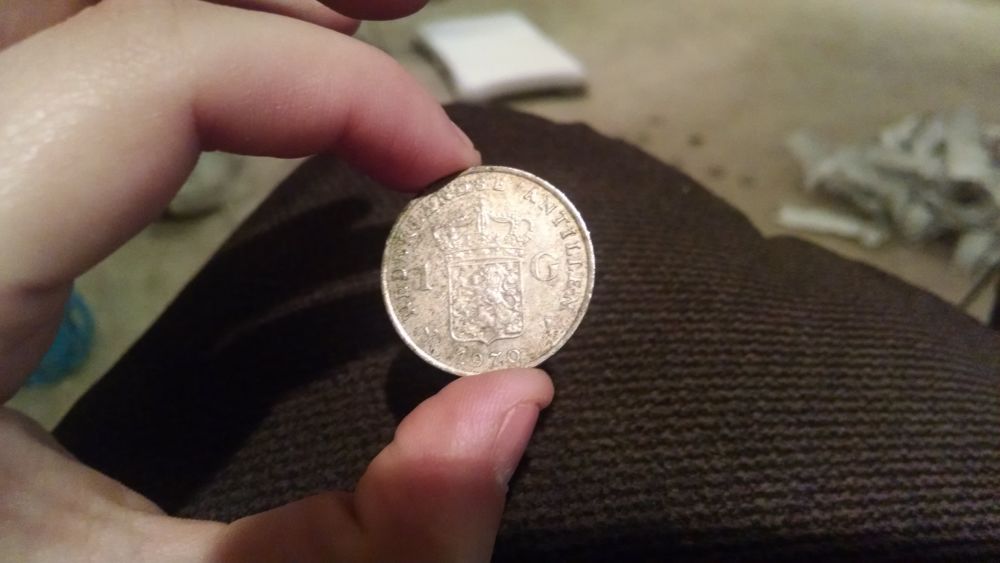 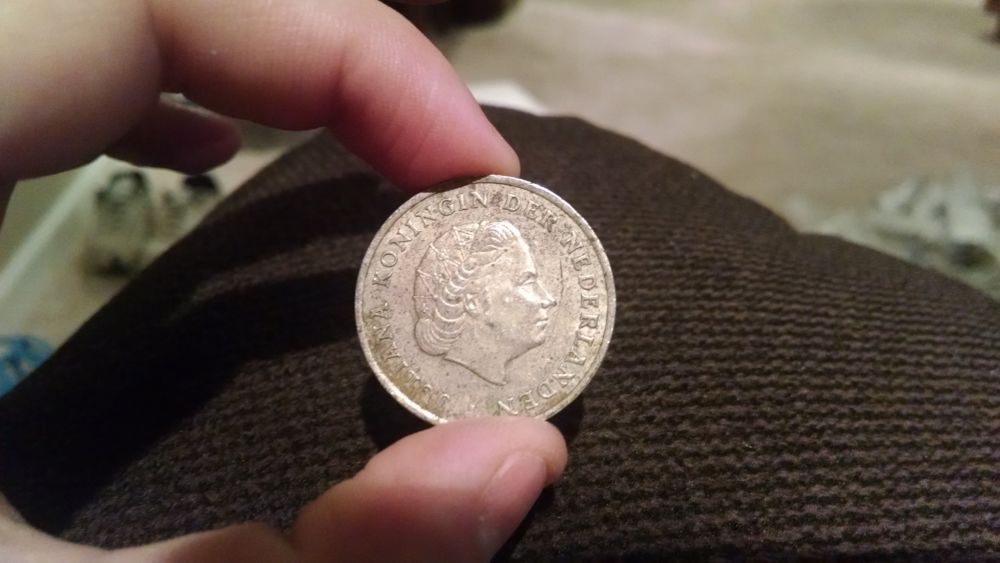 |
|
|
|
Pillar of the Community
Canada
2533 Posts |
It's nickel. The 1G was debased in 1967.
|
|
Pillar of the Community
 United States
1911 Posts |
Ah gotcha I think I was looking at the 10 G and it said it was still silver at that date... ok thanks! Still a cool find for a half dollar roll!
|
|
New Member
United States
20 Posts |
Aren't those sterling or 90%? I think I saw some at an antique shop I went to, but they had holes drilled in them or something. Cool deal, did you look up the value?
|
|
Pillar of the Community
United States
1674 Posts |
Antilles had two types of 1 gulden coins in 1970, one nickel and one .720 silver. The one posted here is the silver version. And with a low mintage of 50,000 it's worth well above melt value.
|
|
Pillar of the Community
Canada
2805 Posts |
Yes, it's from the Caribbean islands formerly known as the "Netherlands Antilles", not the Netherlands proper. This makes it a much luckier find.
|
|
Pillar of the Community
United States
1911 Posts |
Oh wow. Anyone have a good source to find info about it? And yeah a mintage of 50,000 makes this awesome! And being silver of course
|
|
Pillar of the Community
Canada
2805 Posts |
The Netherlands Antilles existed between 1954 and 2010, and it was composed of many smaller islands scattered through the Caribbean (basically, whatever the Dutch could grab and hang onto during the Age of Exploration), the most famous being Aruba and Curaçao. In 2010 the population was about 300,000, which isn't much.
After colonialism stopped being cool, the N.A. were made an equal constituent of the Kingdom of the Netherlands in 1954. But they still got their own coins, which started out as being identical to Dutch coins but with different words, and became a unique currency. In 1985, Aruba left the N.A. (and established yet another currency) while remaining under the Dutch crown, and by 2010 every other island had followed suit. So the Netherlands Antilles no longer exist.
|
|
Pillar of the Community
United States
1911 Posts |
That is pretty sweet! A coin from a nation that doesn't exist anymore is a cool find in a roll of half dollars!
|
|
Pillar of the Community
United States
1911 Posts |
I still don't know quite where the best place to find info on this coin would be. Anyone have any awesome site they go to for world coins that has mintage and value?
|
|
Pillar of the Community
United States
1674 Posts |
|
|
Pillar of the Community
United States
1911 Posts |
Thanks, Numismat! Also to possibly get some of the gunk off of it, is this a case where acetone would come in handy? I hear from the forums that this is not considered "Cleaning" like scraping the coin but it helps to remove some stuff, correct? Because other than some of the stuff on it the coin has some really nice details. Not MS I would think but maybe around XF.
|
|
Pillar of the Community
United States
992 Posts |
Looks XF-AU in the photos. Acetone won't hurt it a bit, or some dish soap in warm water and a pat dry.
|
|
Pillar of the Community
United States
870 Posts |
Pure-nickel coins attract a magnet. It's a very easy test.
|
|
Pillar of the Community
Sweden
1078 Posts |
The pure nickel version has a different design, yet the exact same size. The design here is the silver version.
If I'm correct, despite the Netherlands Antilles is dissolved the currency remains issued without any change of inscription.
|
| |
Replies: 14 / Views: 1,547 |
|







 Posted 04/07/2015 11:39 pm





