| Author |
 Replies: 12 / Views: 959 Replies: 12 / Views: 959 |
|
|
Valued Member
United States
88 Posts |
|
|
|
|
Pillar of the Community
United States
1393 Posts |
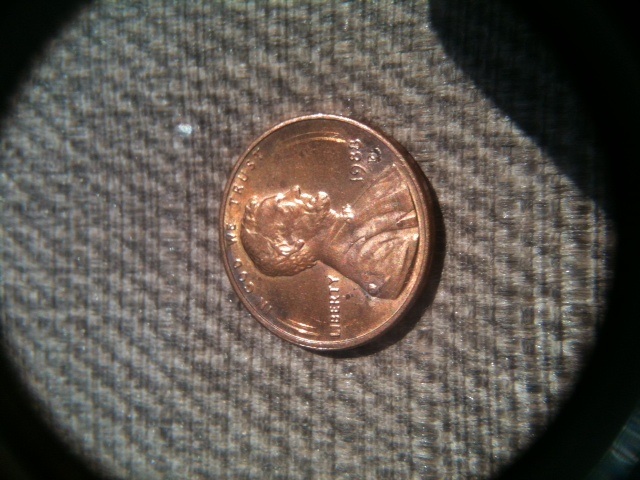
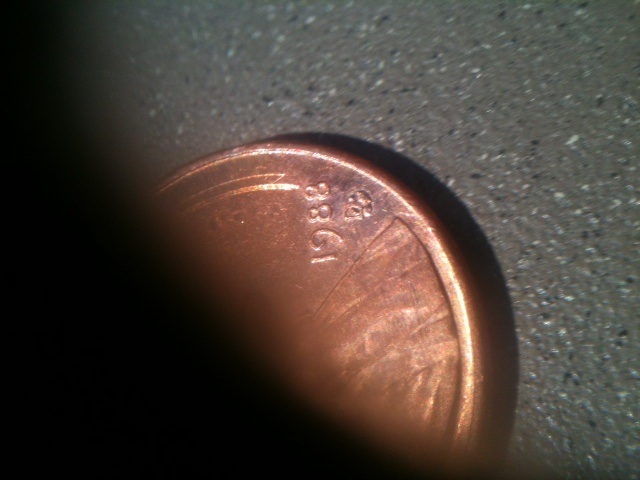
The coin has suffered severe Rolling Machine Damage. However, the MM may be different. I can't really tell from the pictures. Can you get some that are more close-up? |
|
Pillar of the Community
 United States
5828 Posts |
Looks like PMD to me, not sure but it looks like it took a hit or something. |
|
Valued Member
 United States
88 Posts |
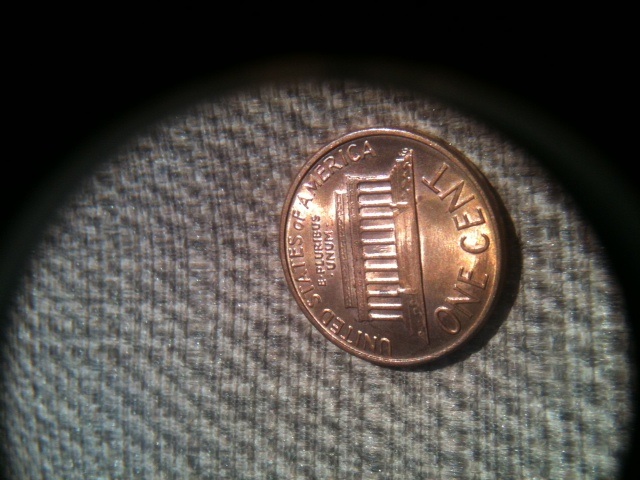
Not the best pic but they may help 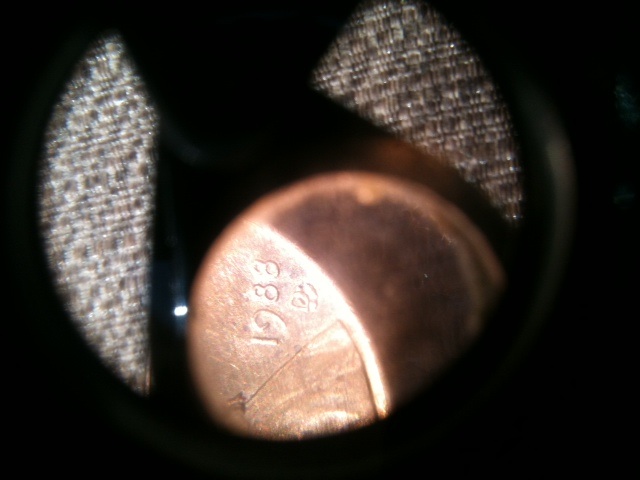 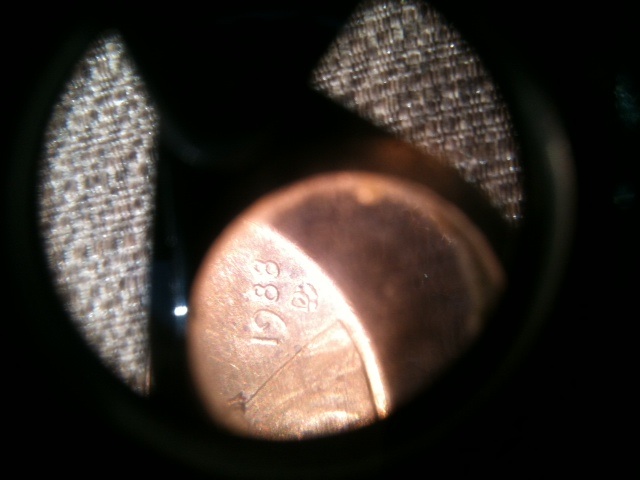 |
|
Rest in Peace
United States
7075 Posts |
It came from Denver, and then it got hurt.
|
|
Valued Member
United States
88 Posts |
Maybe a better pic 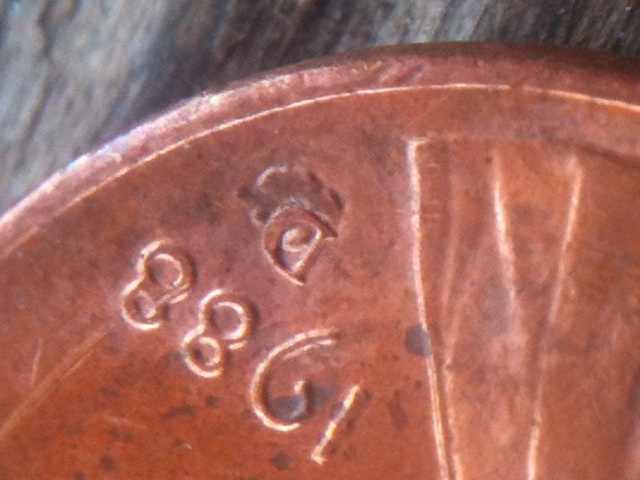 |
|
Pillar of the Community
United States
5964 Posts |
You could improve your pictures tremendously by simply turning the coin right side up. Just trying to be constructive.
|
|
Valued Member
United States
88 Posts |
The coin is right side up the phone which I use rotates them on anythijg different than an I phone viewer, just sayin
|
|
Pillar of the Community
United States
6478 Posts |
That is the stage of zinc rot where the affected area falls in on itself.
|
|
Valued Member
United States
88 Posts |
So would it have been a bubble or?
|
|
Rest in Peace
United States
7075 Posts |
Looks like there is still a bubble inside of the D. You could give it a poke with a toothpick or just wait to see what happens.
|
|
Bedrock of the Community
United States
62064 Posts |
The plating was split on the SE part of the mint mark. Now air is has reached the zinc, it is starting to deteriorate. This usually starts off as a raised area, then it starts breaking down the zinc, then circulation flattens that area. Not a pretty site. 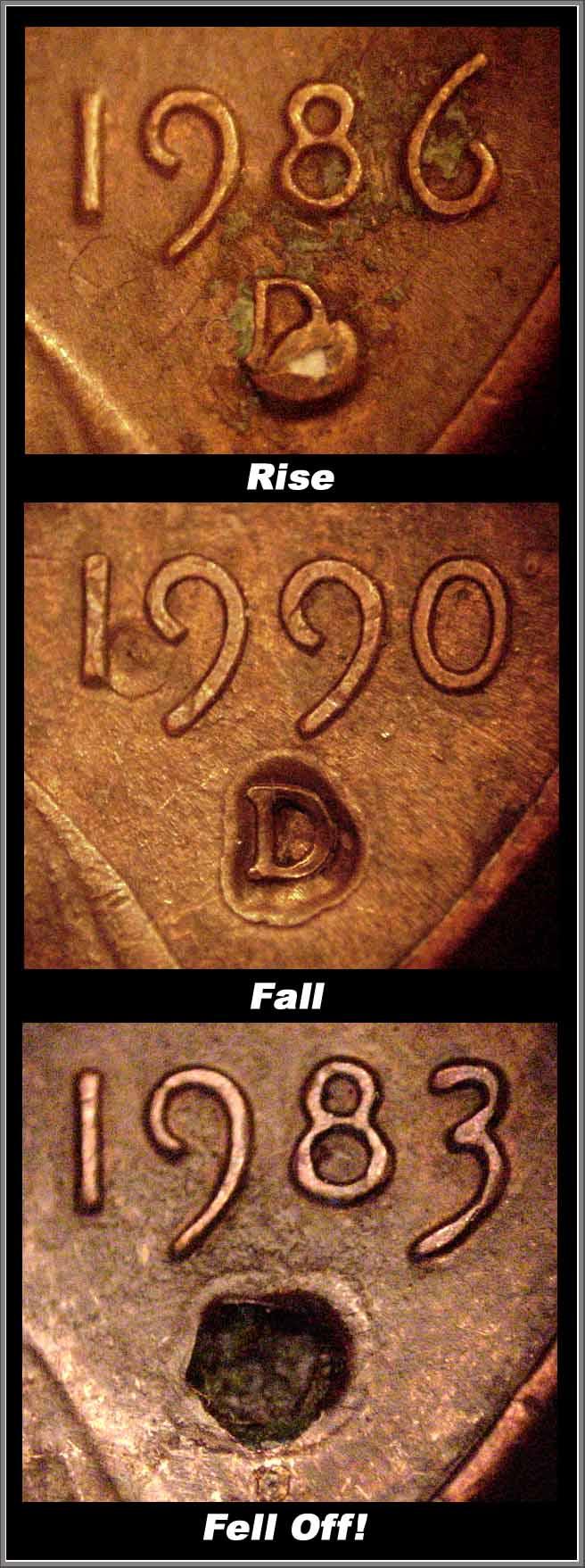 |
|
Pillar of the Community
United States
4809 Posts |
Perhaps, but most of the sunken effects I see under the scope are accompanied by plate splitting. Generally, you can look through the split and see various stages of hydrozincite. It is possible it was a blister that split the plate and then sunk in.
|
| |
Replies: 12 / Views: 959 |
|











 Posted 04/30/2015 5:52 pm


