| Author |
 Replies: 16 / Views: 2,320 Replies: 16 / Views: 2,320 |
|
Pillar of the Community
United States
5964 Posts |
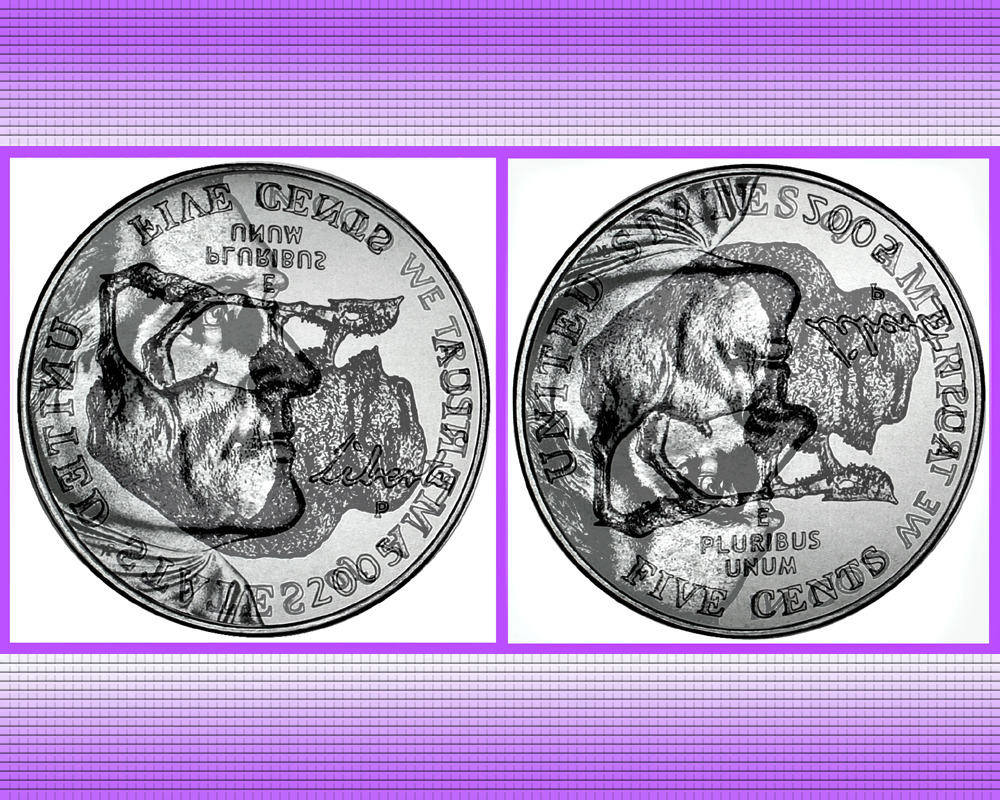
I owe this one to Koinpro as he enhanced my awareness with his recent die clashes post. Is this a "knock your socks off clash" or what. Opinions please? 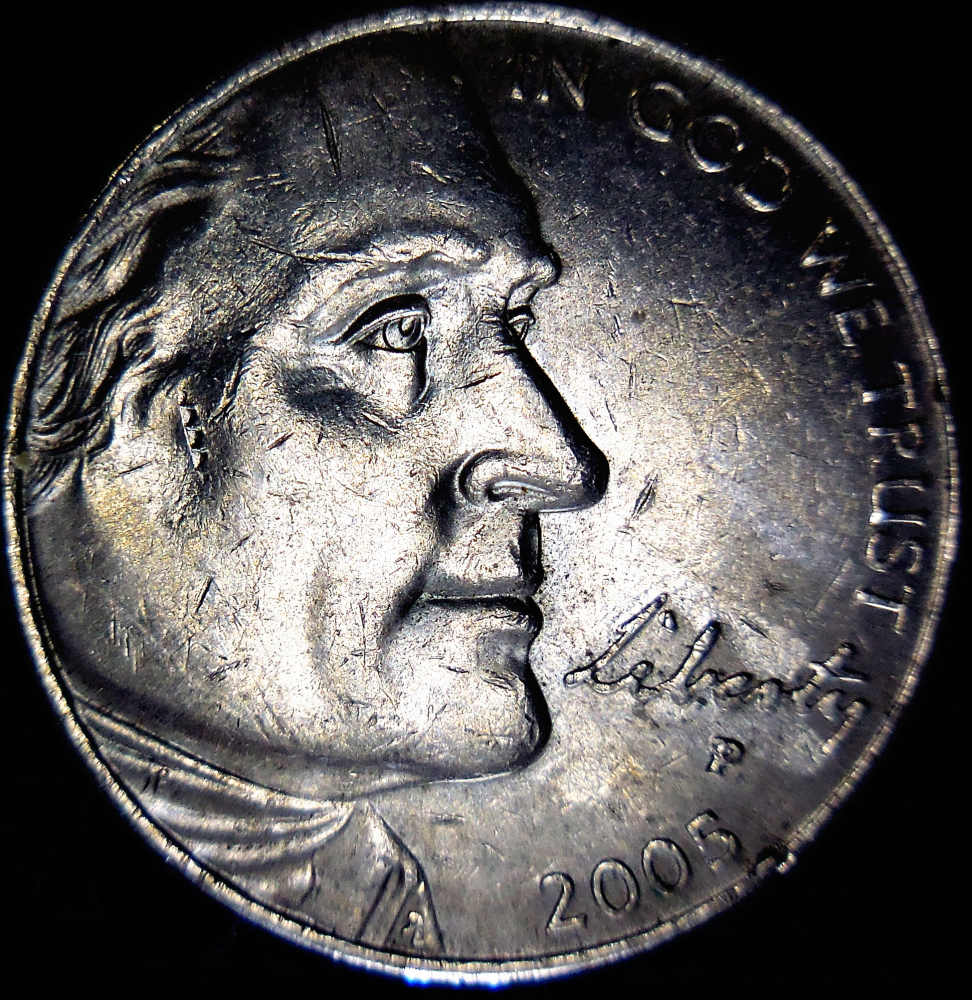 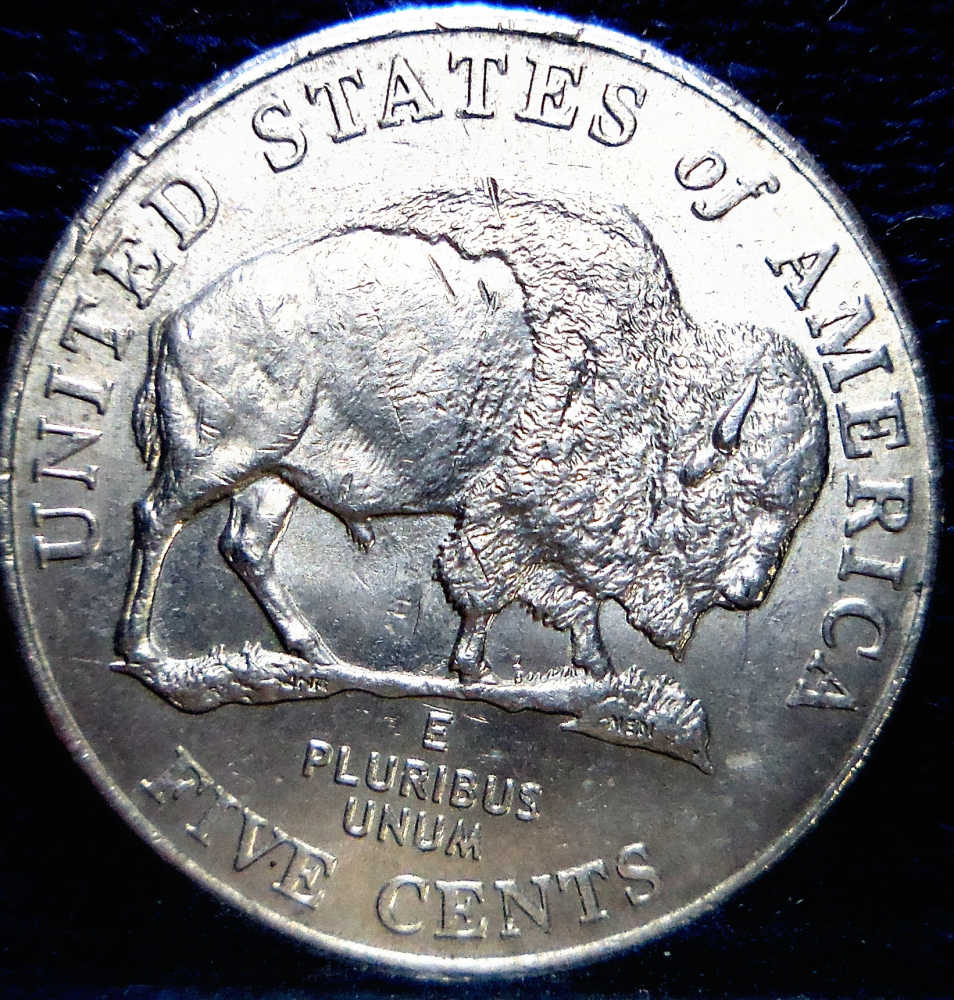 |
|
|
|
Pillar of the Community
United States
853 Posts |
I'm not seeing the clash. I see some areas that look Struck Through Grease. Where are you seeing the clash marks? |
|
Pillar of the Community
 United States
5964 Posts |
On his cheek.
Edited by CoinMasters
05/01/2015 7:59 pm
|
|
Rest in Peace
United States
7075 Posts |
I see a lot of damage...and one line from the bison's nose that I can't ID.  |
|
Pillar of the Community
United States
5964 Posts |
|
|
Pillar of the Community
Canada
4912 Posts |
im sorry coinmaster but you've got a common nickel with a MAJOR bag mark, nothing more sadly...
Feel free to call me Will.
|
|
Pillar of the Community
United States
4932 Posts |
|
|
Pillar of the Community
United States
4809 Posts |
Maybe some light clashing around Liberty (shiny spots), but the pictures aren't good enough to confirm.
|
|
Pillar of the Community
United States
5964 Posts |
I thought that mark on his cheek was the hair on the back of the Bison's rear leg. ?
|
|
Pillar of the Community
United States
5964 Posts |
But even I can read a consensus. Thank ya'll, darn I thought I had a goodie. I'll keep looking.
|
|
Pillar of the Community
United States
4809 Posts |
You'll see often times on Lincoln Cents within the Memorial clash marks that represent 2 or 3 hits and can have a progressive look. I've seen on 2007 Jeffersons multiple clash witness marks observable on both sides of the coin, but so light that they don't merit saving (if you watch for the shiny marks on the 2007Ps, you'll see what I'm talking about). The marks on the cheek look like Reed Marks from a quarter or something, but a contact mark as opposed to a clash. Have a look at that coin of yours around Liberty; if shiny, widespread mark, it's probably a very light witness mark to a clash (spendable). Good luck! You'll find one. Harder in nickels than cents, but more exciting when you find one. |
|
Pillar of the Community
United States
5964 Posts |
Got it Rackster, thank you.
|
|
Moderator
 United States
23522 Posts |
Stop and think for a moment. On a die, the devices are negatives, so they can be positives on a coin. The highest point on a die, then is the lowest point on a coin - the fields. So when two dies come together, the first thing that contacts is what's at field level.
It's not the device that clashes, it's the outline of the device. The edge.
Now, it stands to reason that the devices, being low in the die, are not going to clash. They're protected by the higher surfaces of the fields. So, a clash which actually managed to put transfer into the devices of the other die is a strong clash indeed. Weird thing, though - if a clash that strong happens, sometimes you'll see them with clash artifacts only in the devices. They can successfully polish clash artifacts off of the fields, but you can't reach into the device with the polishing tools....
Another thing to think about is that device depth is deceptive. The less-pronounced parts of many devices are virtually field-level, and will receive clashing earlier than you might think. So when you see what you think might be clashing on a device, your first thoughts have to be about how deep that device is on the die and how easily it might receive a clash.
|
|
Pillar of the Community
United States
5964 Posts |
Indeed Dave, you make me think. I will keep my sharpest eye toward the fields. Thank you
|
|
Pillar of the Community
United States
1781 Posts |
|
|
Pillar of the Community
United States
5964 Posts |
There must be many more clashes in the fields. It's very helpful to me when pointed out like that.
|
| |
Replies: 16 / Views: 2,320 |







 Posted 05/01/2015 7:58 pm