1shootist 
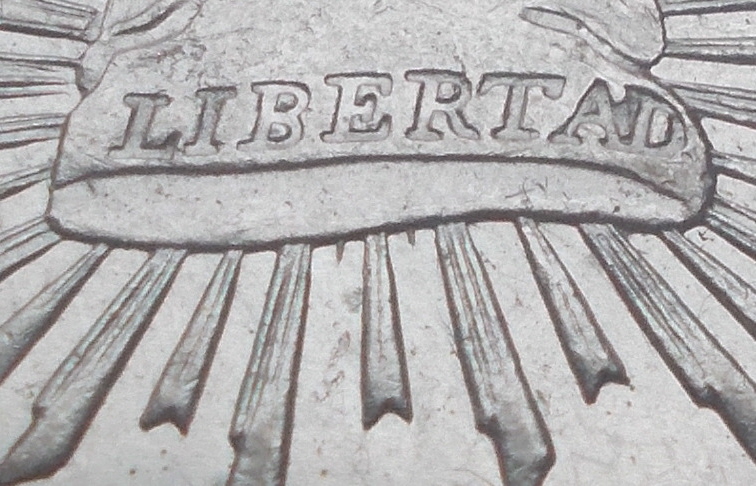
Glad you re-read the post. Forgers have inadvertently added "dragon's teeth" to dies in a random fashion. Also there was a time about 15 years ago when many novice collectors (
ebay buyers) were fooled into buying coins that had been redated to make them appear rare. Most were easily identified if you realized that the forger was altering common late date 8Rs most of which had dragon's teeth.
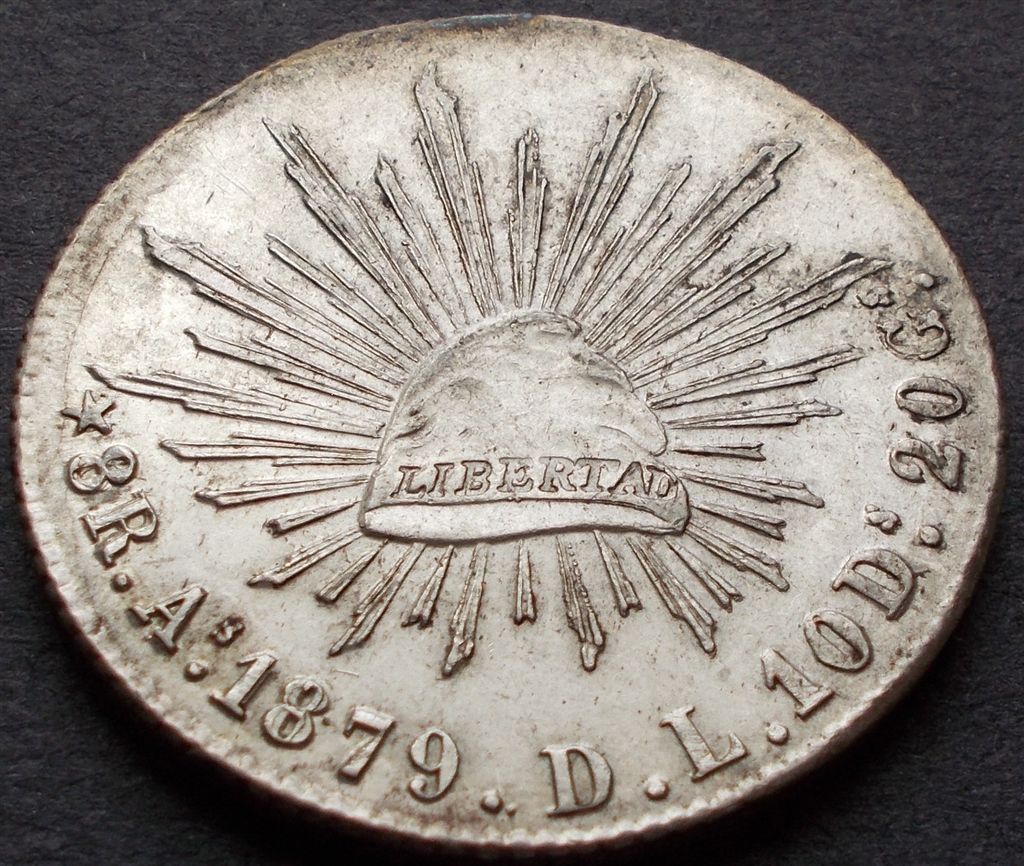
Regarding the coin with the very light date - that is a natural part of collecting 8Rs. It is also why grading on the Sheldon scale is especially foolish for any series made before modern presses and machines that could control planchet quality.
A light date or any other missing feature on an 8R is caused by a failure of the die to fill at that particular point. The reasons are quite variable. But the end result (the weakness) must be taken into account when grading. Your otherwise nice coin, or as you say with reference to grade "... the coin is in great..I mean great condition", is really NOT that great if the date , assayer or mint mark is missing or even nearly missing.
I have been following Dave Bower's column and over the past few weeks he has been complaining about the Sheldon scale. It does not address issues like weak strike etc.
However, if you want to know why the date is weak look two places to start with.
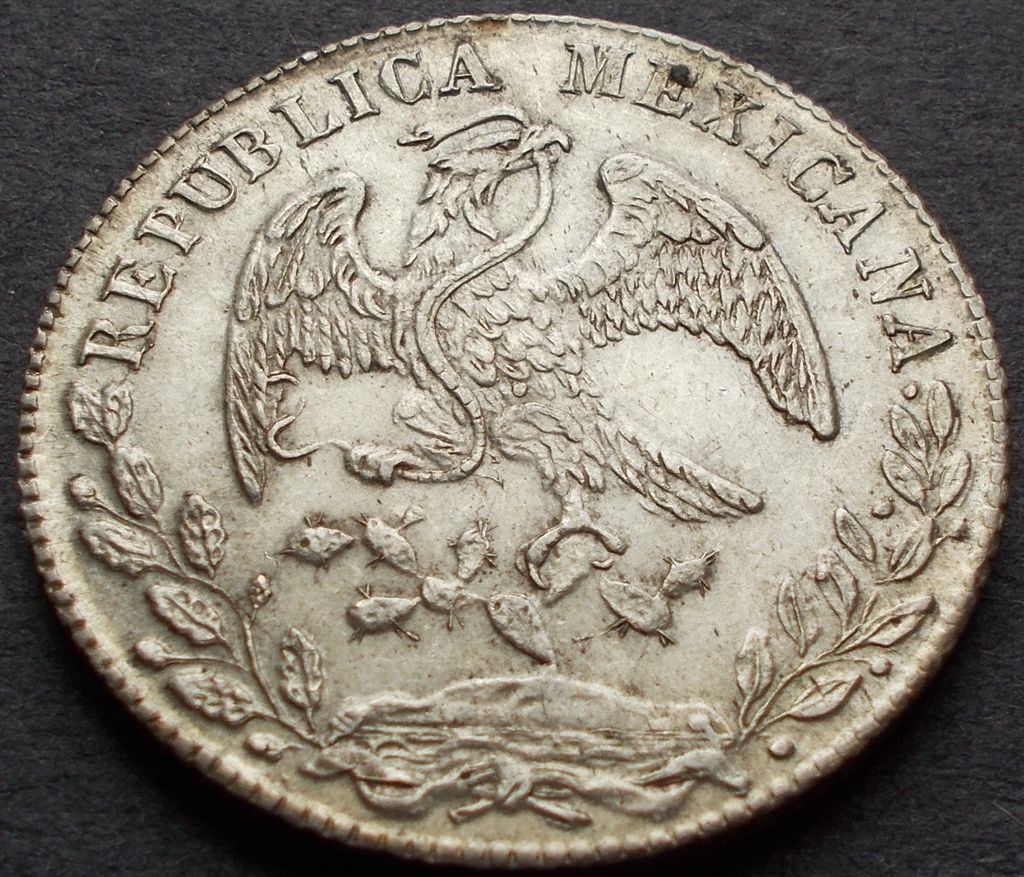
1) Check the details at the same point on the other side of the coin. A feature can only be seen if the die fills. When the planchet is too thin at any point the die can not fill because there is not enough force generated by a manual screw press to fill it. So if there was a depression in the silver strip rolled from the fillet ingot - there will be weakness on both sides at that point.
2) Check the edge detail under the date. If the blank was slightly clipped (straight clip caused by the fillet edge or a slight curve clip caused by punching two blanks out too close together) the edge will end up being weak at two points - at the clip itself and at a point 180 degrees away. Since the edge is applied by two parallel bar dies a loss in diameter of the blank means a weak edge detail and also a failure to thicken (upset) the rim at that point and 180 degrees away. Those 2 places on the planchet will strike up poorly.
Now if neither of these tells is present - you might have a coin struck with a filled (obstructed die). This is a rare condition in open sided presses where the dies could be easily cleaned with a wire brush, but not impossible. A closely related cause could be some form of material on the planchet but these are usually outlined on the coin itself and the texture of the surface normally changes.
In Dunigan's book "Resplandores" the 1880 Pi is a coin that is scarce in MS grades for both assayer combinations.
Regarding how to view the date - the angle and various lighting angles are usually the only way.









 Posted 05/15/2015 05:07 am