| Author |
 Replies: 11 / Views: 3,612 Replies: 11 / Views: 3,612 |
|
|
Pillar of the Community
United States
7390 Posts |
Edited by Cascade
05/17/2015 08:24 am
|
|
|
|
Pillar of the Community
United States
5964 Posts |
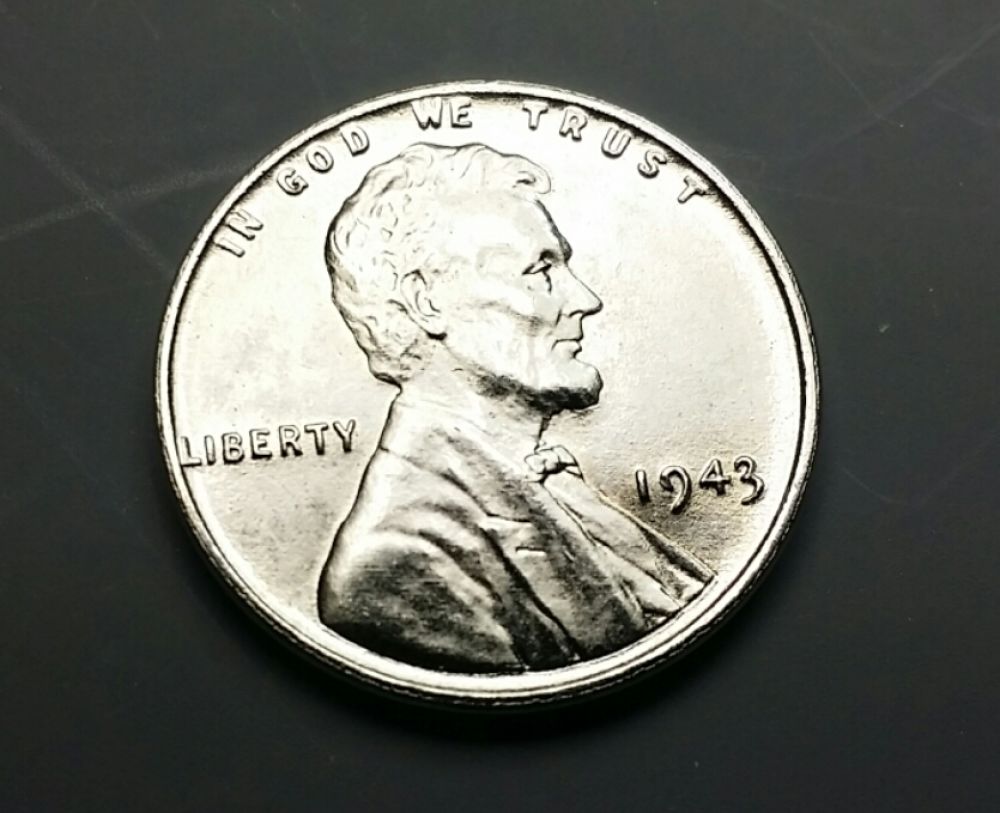
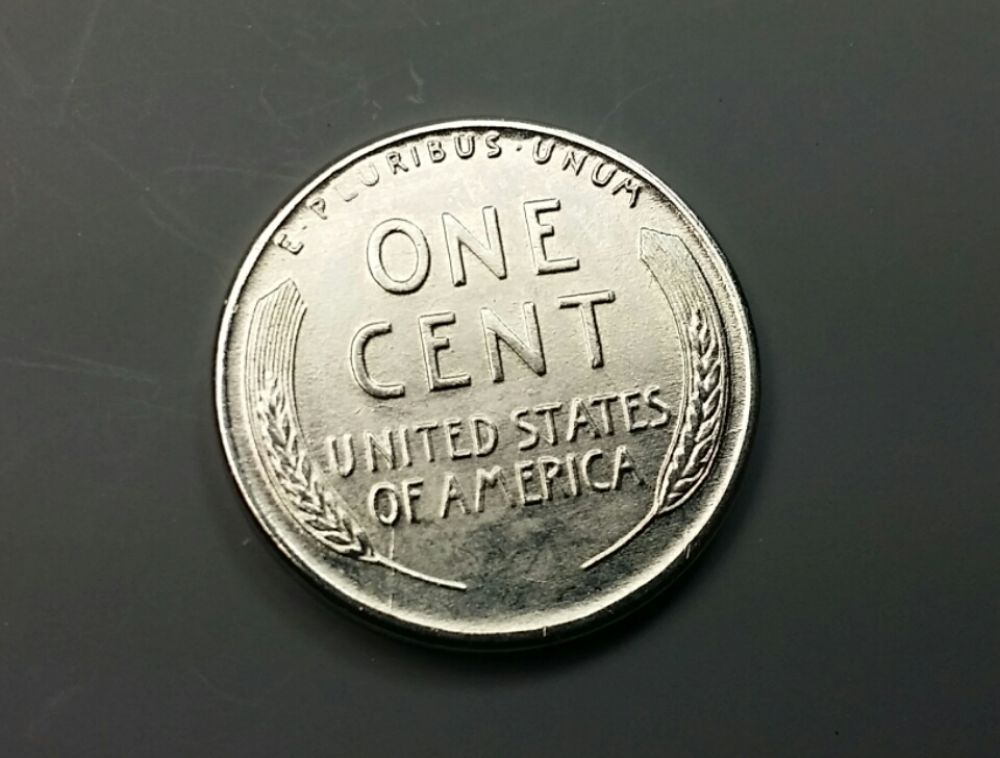
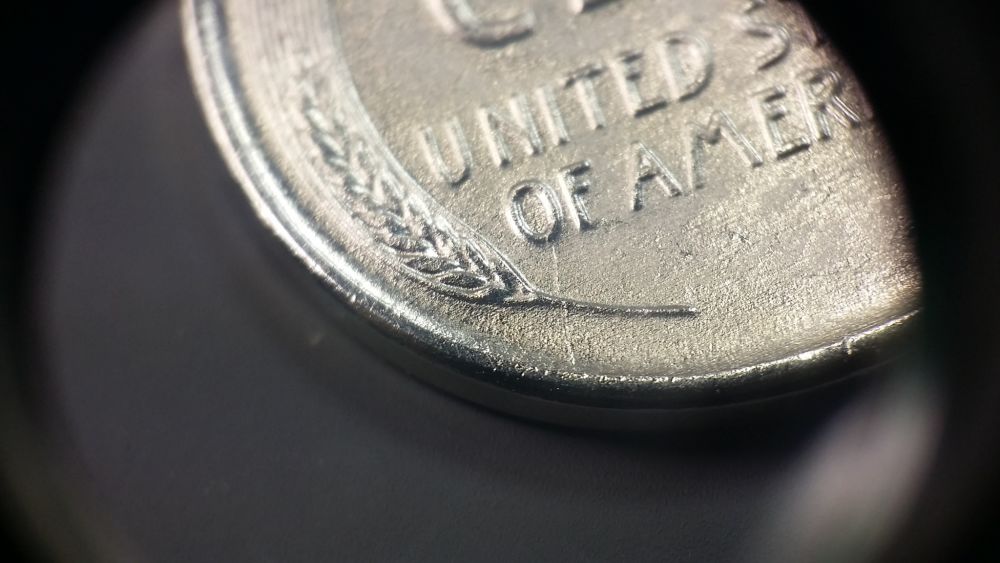
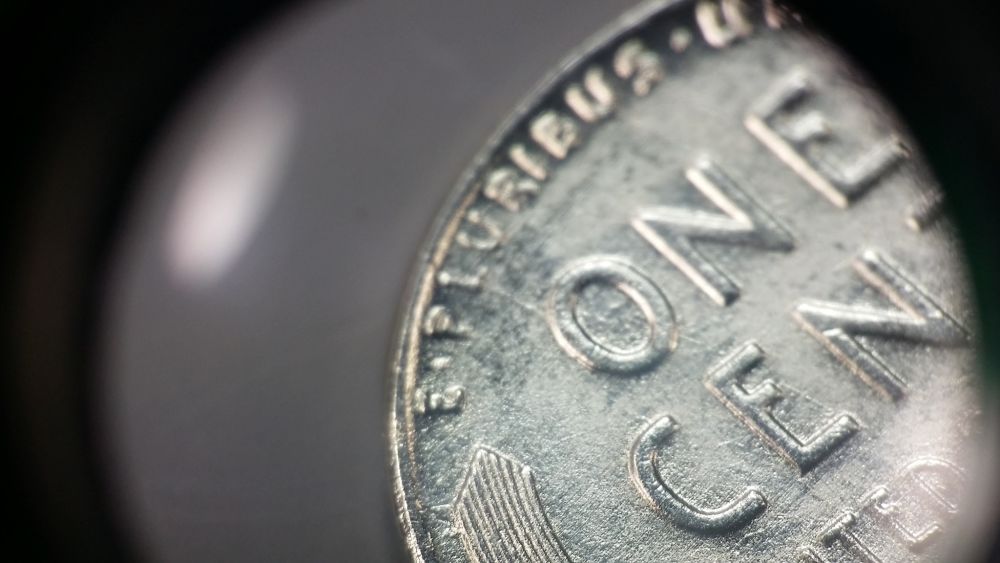
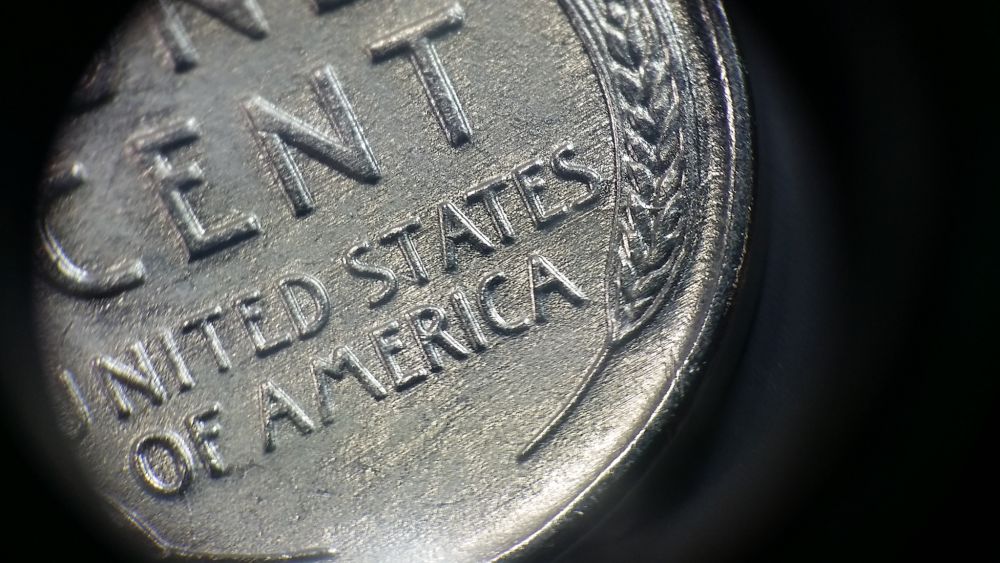
It's difficult to find them in that condition. Steelies are fairly common. My guess for this one would be a few dollars.
|
|
Pillar of the Community
United States
6478 Posts |
MS65 can bring 20 dollars. Hard to tell if VLDS or replated.
|
|
Pillar of the Community
United States
1781 Posts |
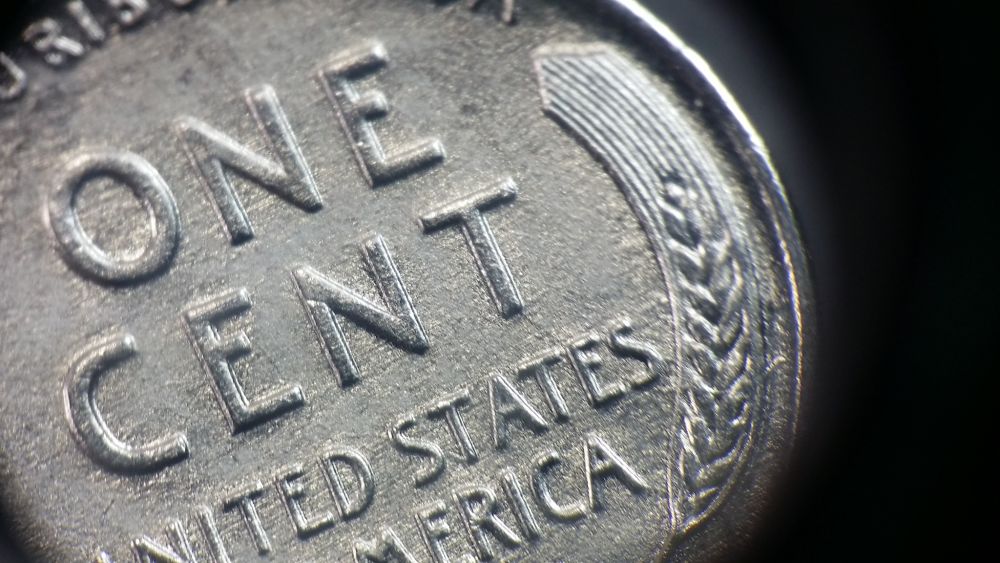
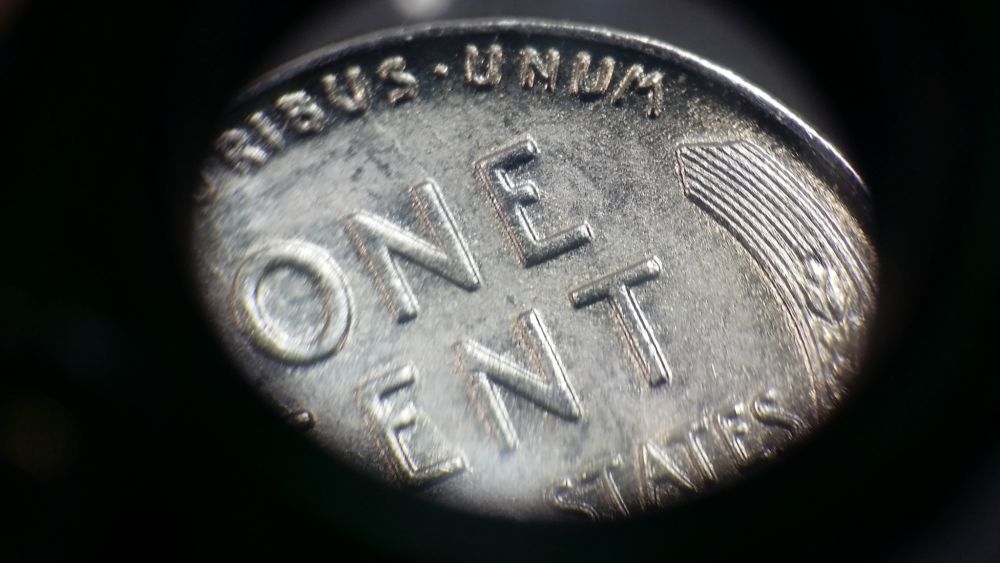
I suspect this one might be Reprocessed. Here is a set of 1943 Steel cents that were all reprocessed; zinc plating stripped off with acid and replanted. Some of them have a granular surface as seen in your third photo down. Reprocessed Cents are created to make otherwise non-collectable (rust, milk spots, etc.) coins of commercial value to marketer who sell them to non-collectors as items of "Historical Interest". I could be dead wrong too! Just a gut feeling. 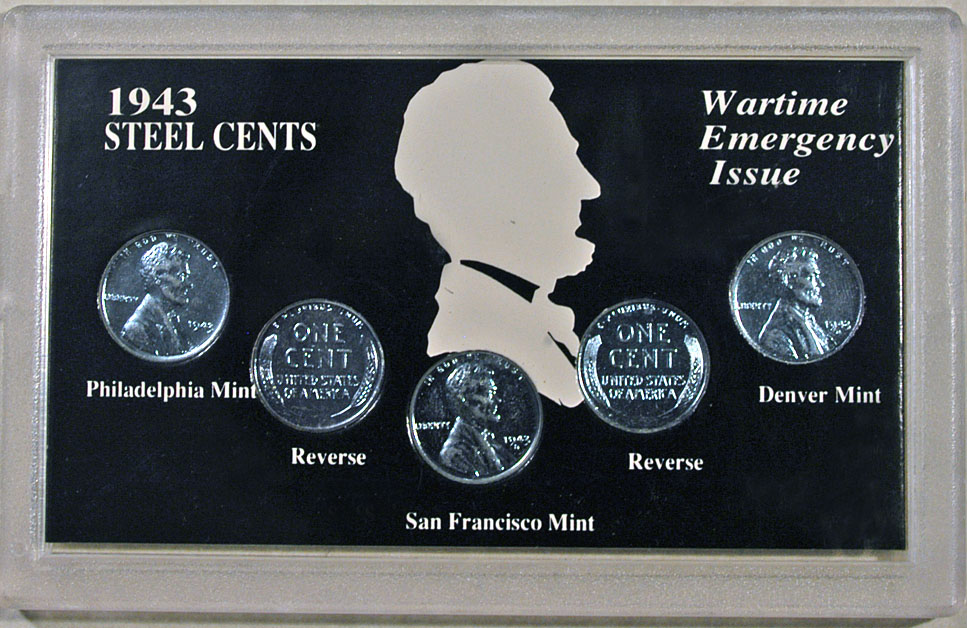 |
|
Pillar of the Community
United States
1781 Posts |
BTW, superficial die cracks can show up on EDS, MDS, etc. The ones on your coin are so shallow that the Mint could easily polish all or most of them out before the die want terminally ill!
Your coin is far from being in LDS. It's an earlier die state (early to early-mid).
|
|
Pillar of the Community
 United States
7390 Posts |
Thanks for the info ken, I was thinking vlds because of all the cracks and what looks like flow lines and such. I've heard of plated steels. I'll look closer at it and try to get some better pics. It shows up black in pics unless taken at a coin bleaching angle
|
|
Pillar of the Community
United States
1781 Posts |
Try shooting with less light and/or diffused lighting. Or use axial lighting bounced off of a piece of glass held at a 45 degree angle (or so) over the coin. To do this to best effect you need to create a shadow over the coin. I do this by folding a piece of thin cardboard so that it had a lip of about four inches, placing the long end in a book with the lip up at a 90 degree and shooting the coin on a piece of grey card-stock set on top of the book. Hide the coin in the shadow of the lip of the card, set your light very low and catch it with the glass to bounce it down. For clarity, you will be shooting through this glass (take it from a picture frame and tape the edges so you don't get cut) so it needs to be cleaned regularly. You may get something out of the article I wrote for Coin World on coin photography in 1999. Much of what is written here has changed due to significant advances in technology but the basics are the same. http://koinpro.tripod.com/Articles/...Warticle.htmBTW, don't be afraid to try different techniques. I often abandon axial lighting and use two lamps set high on either side of the copy stand. This is sometimes the better choice. Edited by koinpro
05/17/2015 09:54 am
|
|
Pillar of the Community
 United States
5828 Posts |
I thought reprocessed when I saw the coin too. Looks like Ken saw it before I did  LOL |
|
Pillar of the Community
United States
7390 Posts |
Thanks ken, I follow your consept and will try it later today
|
|
Pillar of the Community
United States
1746 Posts |
Quote:
I thought reprocessed when I saw the coin too. Looks like Ken saw it before I did This jumped out at me too. MS coins often have a light gray look to them. |
|
Pillar of the Community
United States
6478 Posts |
Quote:
I thought reprocessed when I saw the coin too. Looks like Ken saw it before I did Looks like I suggested it before him too.  |
|
Bedrock of the Community
United States
62064 Posts |
I agree it is too shiny to not be reprocessed. Here is a high grade coin: 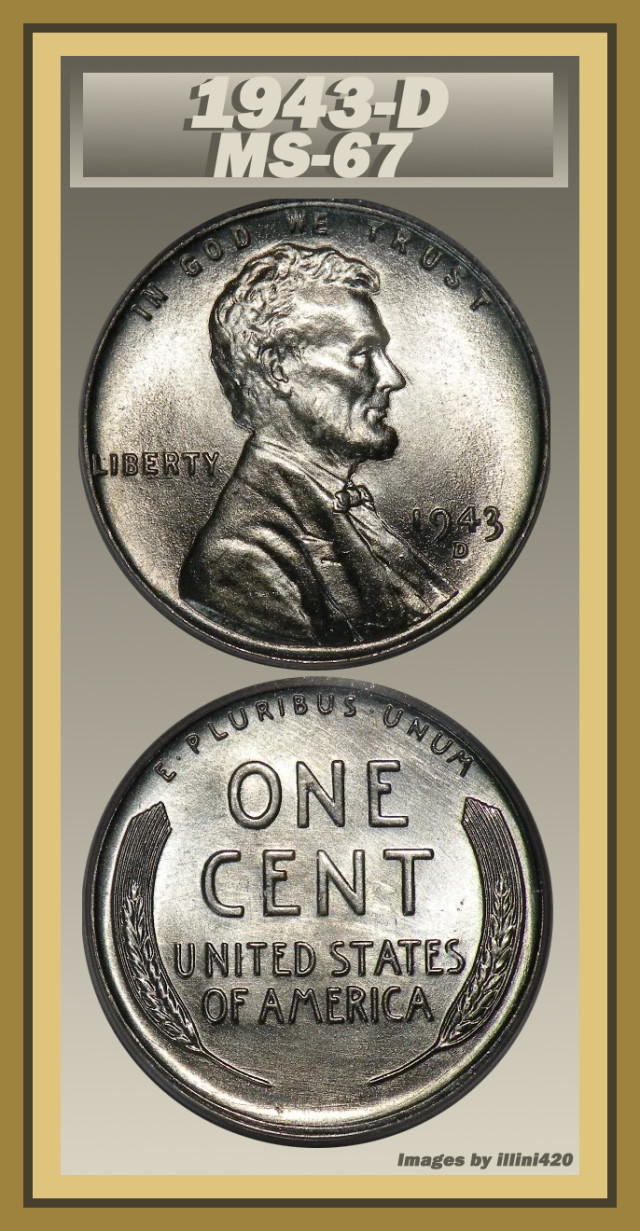 Not the lack of luster? That is what they should look like. Plating them makes them shiny. |
| |
Replies: 11 / Views: 3,612 |
|









 Posted 05/16/2015 10:55 pm





