| Author |
 Replies: 23 / Views: 2,733 Replies: 23 / Views: 2,733 |
|
Pillar of the Community
 United States
2000 Posts |
|
|
|
|
Pillar of the Community
United States
946 Posts |
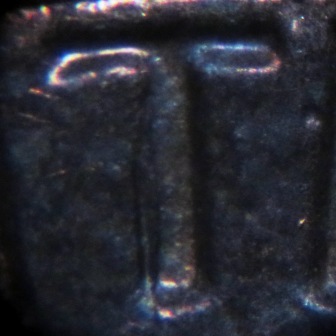
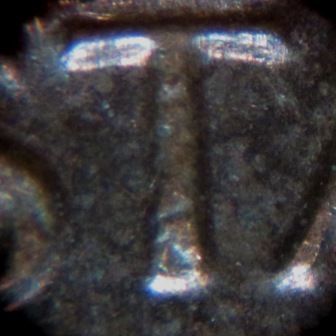
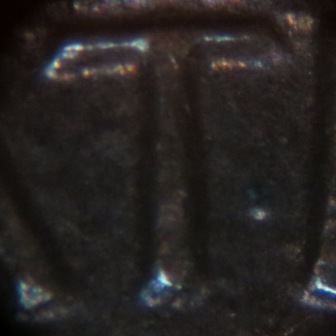
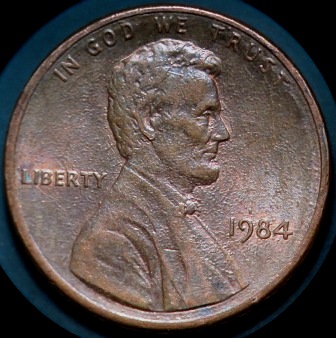
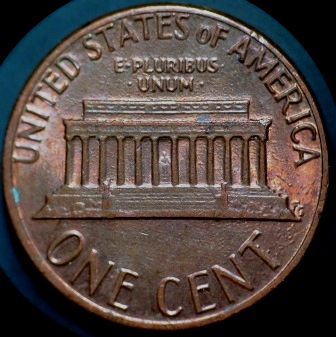
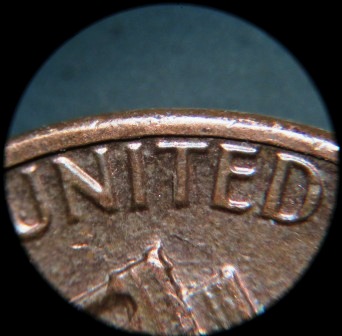
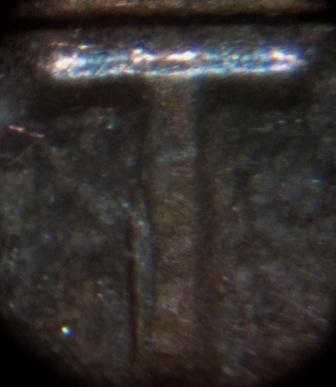
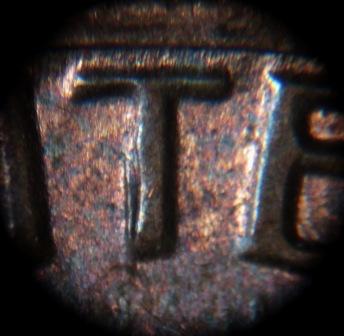
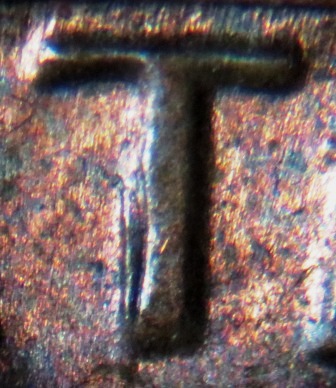
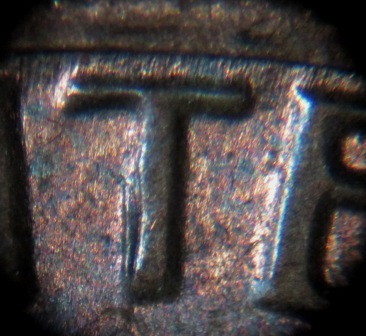
Looks like a tad bit of die chatter. I would say machine doubled,but I am only seeing it in that one area. Maybe someone else with more expertise can chime in and tell for sure what we have going on here.
|
|
Pillar of the Community
Canada
9889 Posts |
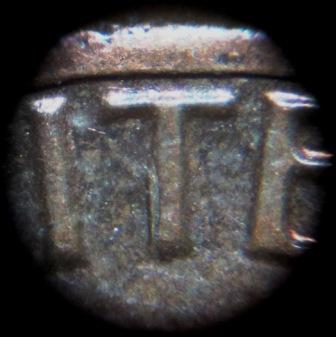
It looks like PMD, it got hit by something and it pushed the side of the T out. |
|
Pillar of the Community
United States
5828 Posts |
 it took a hit. |
|
Pillar of the Community
United States
2376 Posts |
|
|
Pillar of the Community
United States
2376 Posts |
Oh,and the last few pics were will lit to show that area, well done !
|
|
Moderator
 United States
56855 Posts |
Looks like it took a hit to me. If you look close you will see it looks wider by the displacement of the metal. John1  |
|
Pillar of the Community
United States
1781 Posts |
The '"hit" is on die -- not on the coin. Neat, I have not seen that one.
|
|
Pillar of the Community
 United States
2000 Posts |
Is there a numismatic term for this? Or is it just described as a die hit?
|
|
Pillar of the Community
Canada
9889 Posts |
Ken, can you please explain why you think that and whats the difference?
|
|
Pillar of the Community
United States
1781 Posts |
The coin is a nice uncirculated Red/Brown (or I suppose it could be high grade AU) and there are no signs of chased or otherwise moved metal on the coin that would suggest PMD. Also, the area in question is raised and rounded and terminates well below the length of the vertical of the T. If you import one of the images into Photoshop and enlarge and sharpen, you'll see a clear area of field between the aberration and the vertical of the T which you can see in the images here if you look hard enough (Image #7 is best). This is a die gouge that displaced some of the metal of the die toward the cavity of the T and thus a malformed T (as John1 also noted earlier). This can happen when a gouge or dent is deep and next to the cavity of a die. This most likely would have occurred prior to the die being hardened while the steel was quite malleable. Shown here is an example of a 1916-D "Embedded D" Buffalo nickle. Notice that the D has caused the C to be malformed. Coin submitted by Joe Beaupied of Mich at the Michigan State Numismatic Society Convention Fall 2013.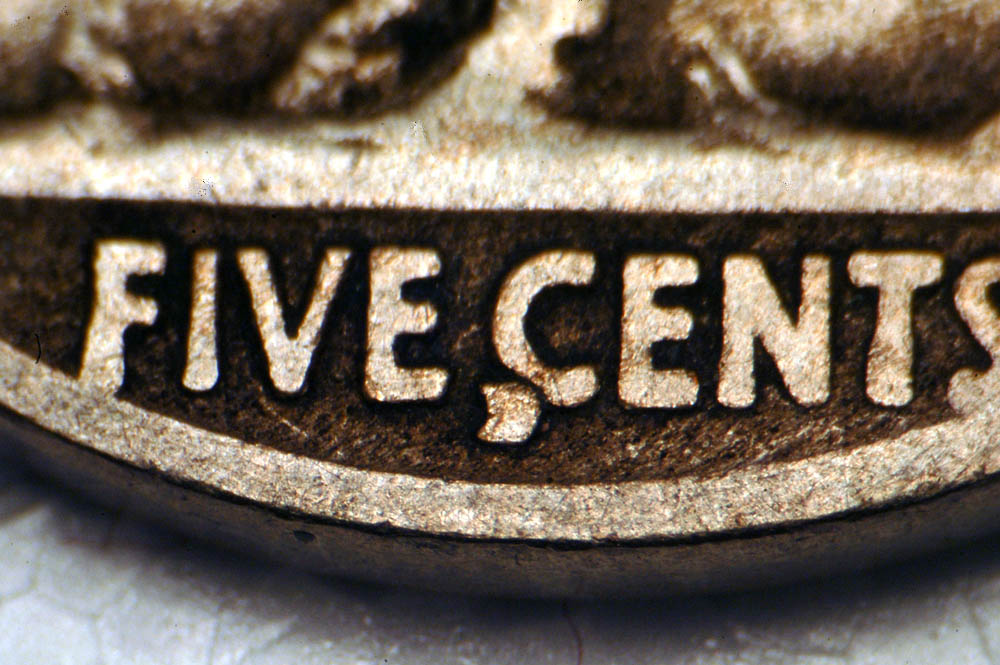 Edited by koinpro
05/17/2015 3:39 pm
|
|
Pillar of the Community
United States
1781 Posts |
lawest,
I was just "playing" off the term others were using. A poor choice in my part. Generically, it could be called impact damage or being more specific a "die gouge" or "die dent". The two are very closely related and often easily confused. I'd call it a "die gouge." BTW, is the upper vertical of the T also malformed? Can you shoot an image of one of the other Ts on the reverse for comparison?
Edited by koinpro
05/17/2015 3:35 pm
|
|
Pillar of the Community
United States
2000 Posts |
|
|
Moderator
United States
56855 Posts |
When I said it looks like it took a hit, a meant the coin not the die took the hit. John1 |
|
Pillar of the Community
United States
1781 Posts |
John1, I was giving you the benefit of the doubt. |
|
Pillar of the Community
United States
1781 Posts |
lawest,
Thanks for taking the extra shots. I can see that's the way it looks normally at the upper end. No big deal. I just wanted to be sure.
|
| |
Replies: 23 / Views: 2,733 |









 Posted 05/17/2015 09:17 am