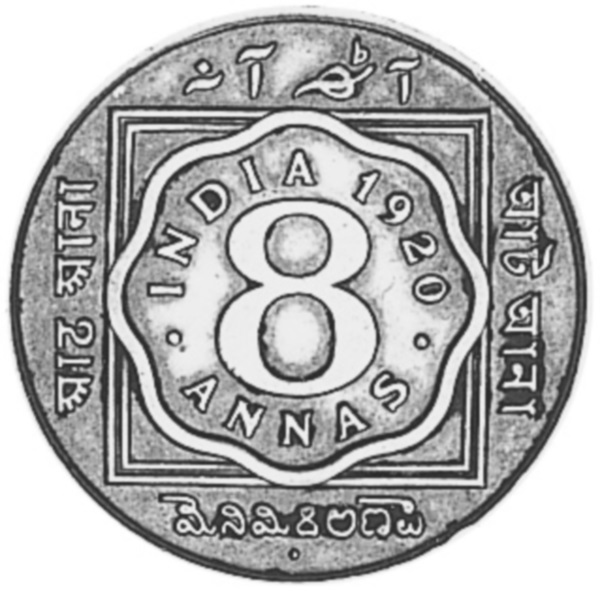
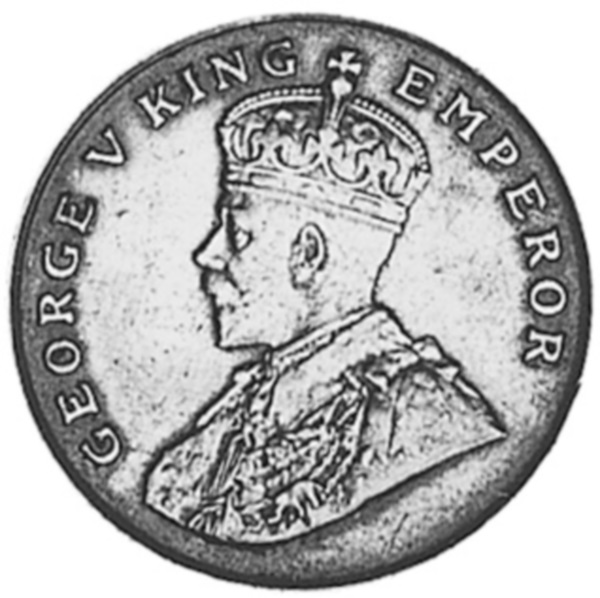
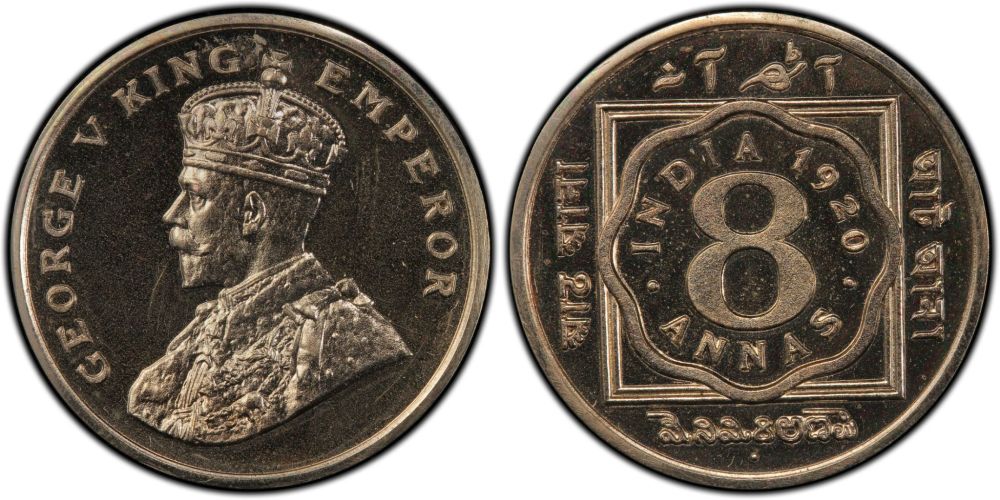
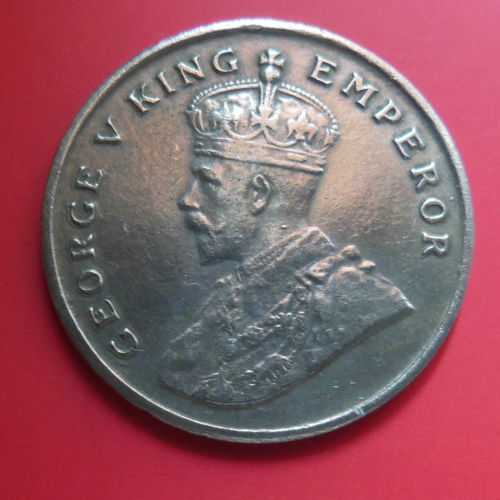
The coin is a
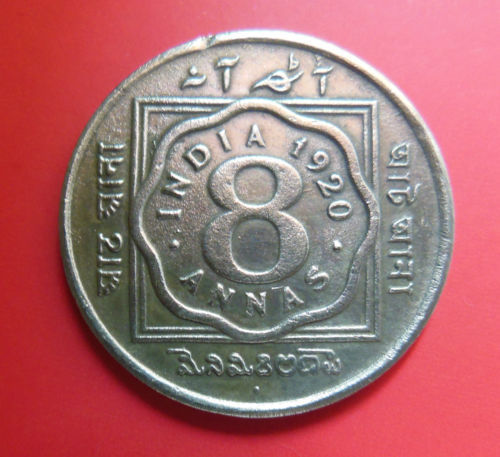
numismatic forgery. It is NOT a counterfeit. It was not created to enter circulation at face value. The difference is VERY IMPORTANT and is the basis for value in the area of Counterfeits and forgeries.
There is no requirement to be an expert in a particular series as long as you know what the different modern forgery methods produce. You need to know the "look" of a forgery. You get to know it by looking at numismatic forgeries every chance you get. After a relatively brief time, anyone can learn to recognize the VAST majority of Numismatic forgeries. It is only when it comes to early counterfeits and extremely well made numismatic forgeries that you need an expert.
This coin as noted by John Lorenzo has the appearance of a transfer impression. He saw the same problems that I do. The coin itself is cast. Possibly a centrifugal cast in a plastic mold, typical of the past 20-30 years.
The small raised lumps on the surface of the coin were caused by air bubbles trapped against the mold surface that left small voids. Typical molds used in this process contain multiple impressions (the same or various coins). In this way they produce many minor varieties.
This method also produces images that have lost some to much of the fine detail - and the fields are irregular. This loss of data depends greatly on the casting material used to make the impression. The look is unmistakable once you see it a few times. Since these molds can make a copy of any coin the forgers happen to possess the varieties are endless.
So my advice is simply to get to know what this method produces.
Quote:
WHAT THE COINS MADE THIS WAY LOOK LIKE.
All fakes made from this method will have similar characteristics.
You can then make the diagnosis without having ever seen a genuine issue.












 Posted 06/03/2015 7:43 pm