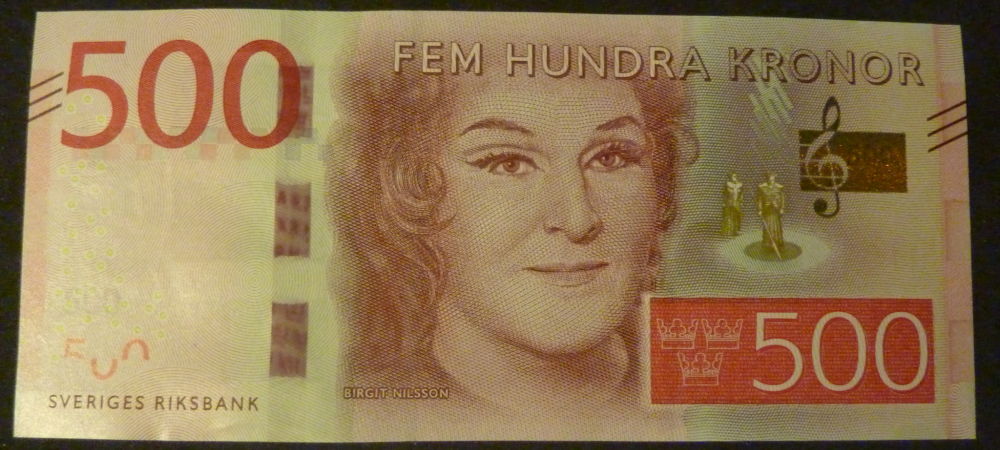
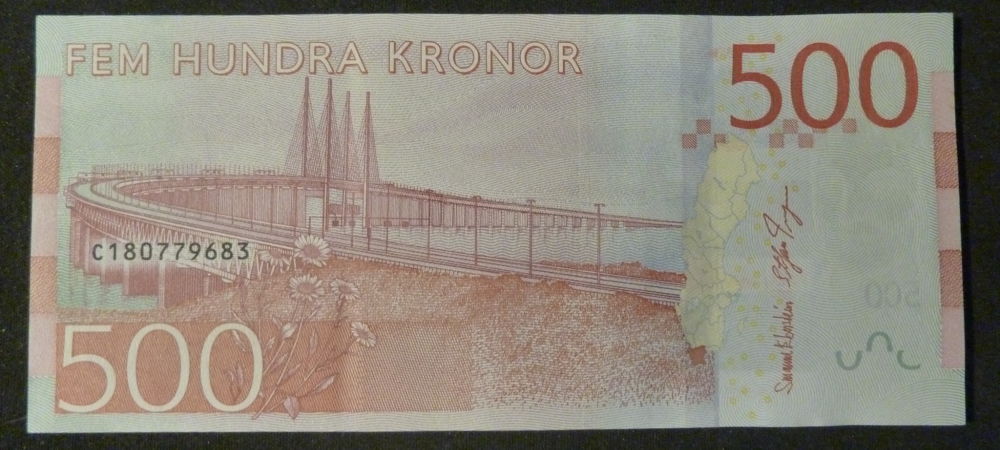
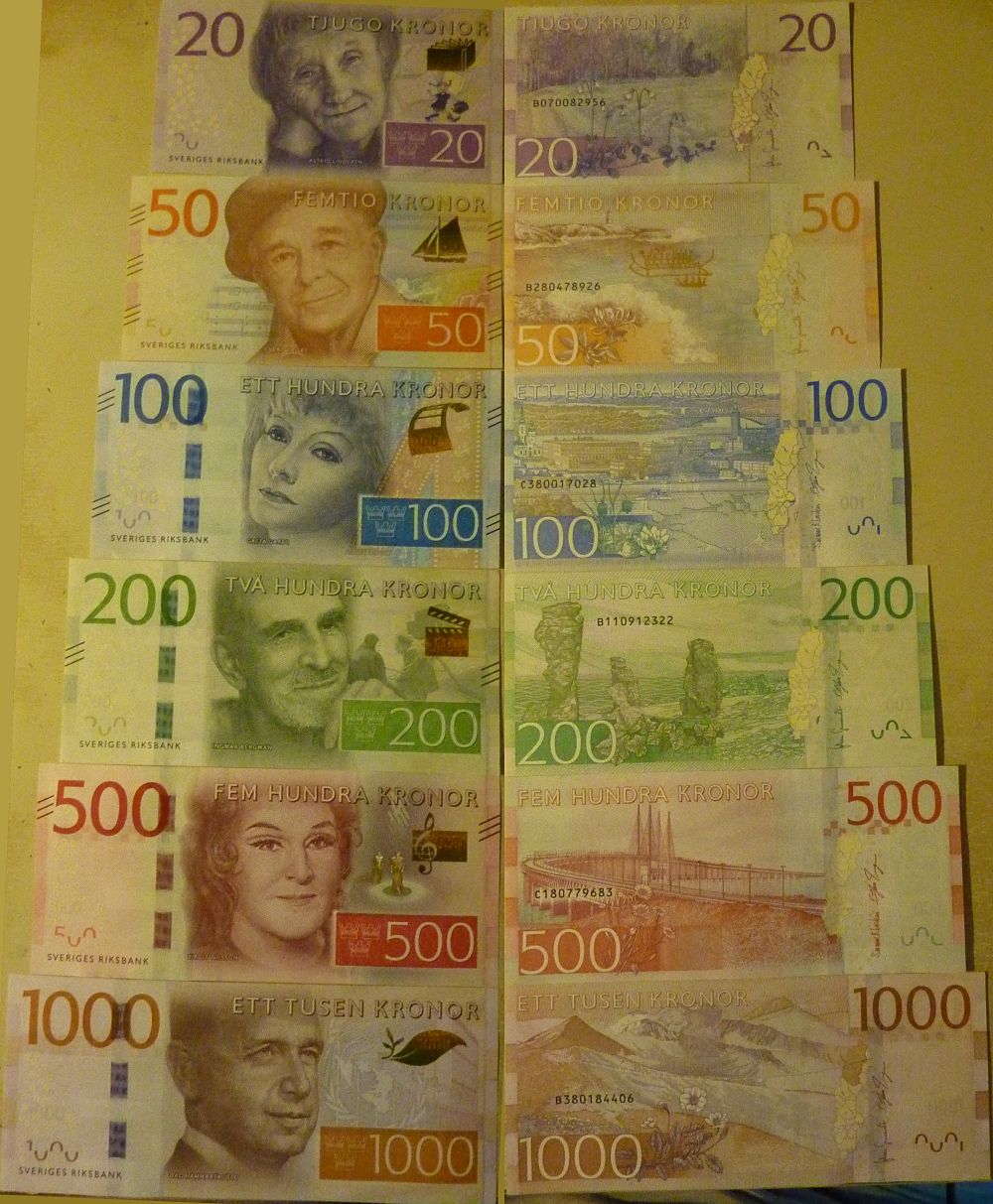
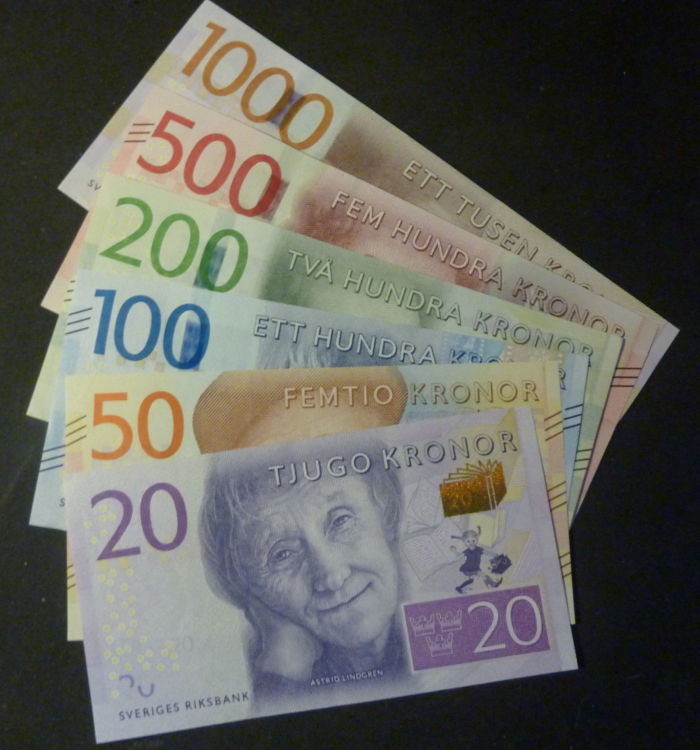
Here are the numbers for the end of 2015. I've included numbers for Belgium and U.K. for comparison.
POS is an abbreviation for Point of Sale
The terms are a little confusing as there are no statistics supplied for the USA. To me an ATMs primary function is to withdraw cash and to accept deposits. They also will allow you to transfer cash between accounts. The BIS report also states
E-money products have not been widely adopted in the United States. ================
Germany Terminals located in the country
85,886 ATMs
57,868 ATMs with a cash withdrawal function
27,682 ATMs with a credit transfer function
998,846 POS terminals
4,5662,221 of which: EFTPOS terminals
448,833 E-money card terminals
61,115 e-money card loading/unloading terminals
387,715 e-money card payment terminals 5
4 Encompasses only terminals with reference to the German scheme "Girocard". To avoid double-counting, the number of terminals includes the most widespread scheme only, since terminals usually accept different card brands.
5 Only active terminals (terminals with at least one transaction in the reference period). Figures collected by Deutsche Kreditwirtschaft (DK).
================
Belgium Terminals located in the country
15,634 ATMs
4, 5 8,395 ATMs with a cash withdrawal function
7,911 ATMs with a credit transfer function
185,281 POS terminals
5185,281 of which: EFTPOS terminals
4,306 E-money card terminals5
3,924 e-money card loading/unloading terminals
382 e-money card payment terminals
4 Each function is counted separately (to avoid double-counting, categories should not be summed).
5 From 2014, data provided directly by banks and payment institutions.
================
United Kingdom Terminals located in the country
70,300 ATMs
70.300 ATMs with a cash withdrawal function
8.400 ATMs with a credit transfer function
1,958,400 POS terminals 4
nav of which: EFTPOS terminals
nav E-money card terminals 5
4 Estimate of total number of POS terminals in the United Kingdom. Most accept both credit and debit cards.
5 All major e-money trials in the United Kingdom finished by end-2000.
================
About the BIS - overview
Established on 17 May 1930, the Bank for International Settlements (BIS) is the world's oldest international financial organisation. The BIS has 60 member central banks, representing countries from around the world that together make up about 95% of world GDP. The head office is in Basel, Switzerland and there are two representative offices: in the Hong Kong Special Administrative Region of the People's Republic of China and in Mexico City. The mission of the BIS is to serve central banks in their pursuit of monetary and financial stability, to foster international cooperation in those areas and to act as a bank for central banks.
Quote:
Moreover, do you have figures for withdrawals from ATMs and over the bank counter here in Germany?
Germany it is 27 ATM withdrawals per capita per year for an average of 168 euros (2015). Considerably higher than USA 18 per capita for $118 per year (2012)
In the USA over the counter (at bank teller) withdrawals average $715 apiece for the same year and cumulatively are 220% of the ATM withdrawals for the same year (2012). That number did not come from BIS so I don't know what the equivalent is in other countries, but I imagine it would be a whole lot less in Germany. My father is age 82 and has never used an ATM in his life.
The US numbers come from a federal reserve study that is done every three years and will be updated December 2016.
https://www.frbservices.org/communi...esearch.htmlQuote:
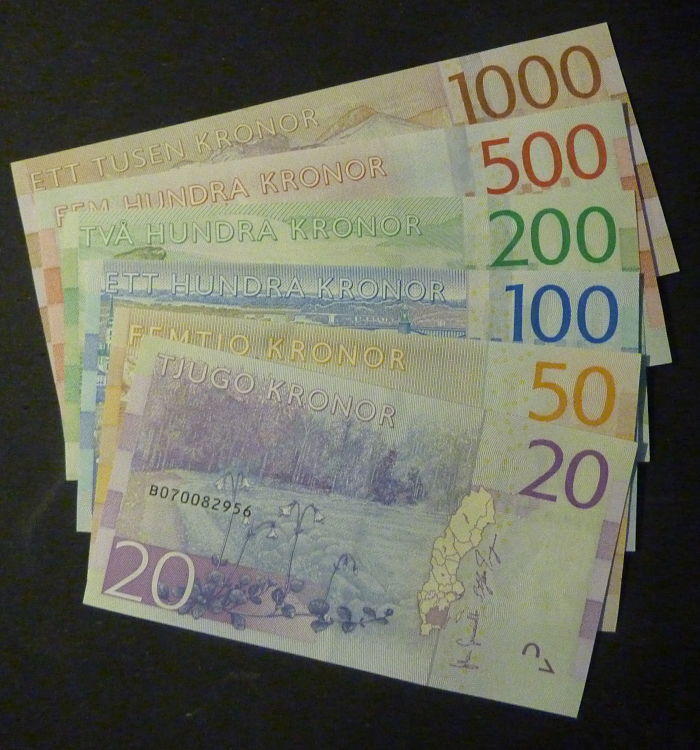
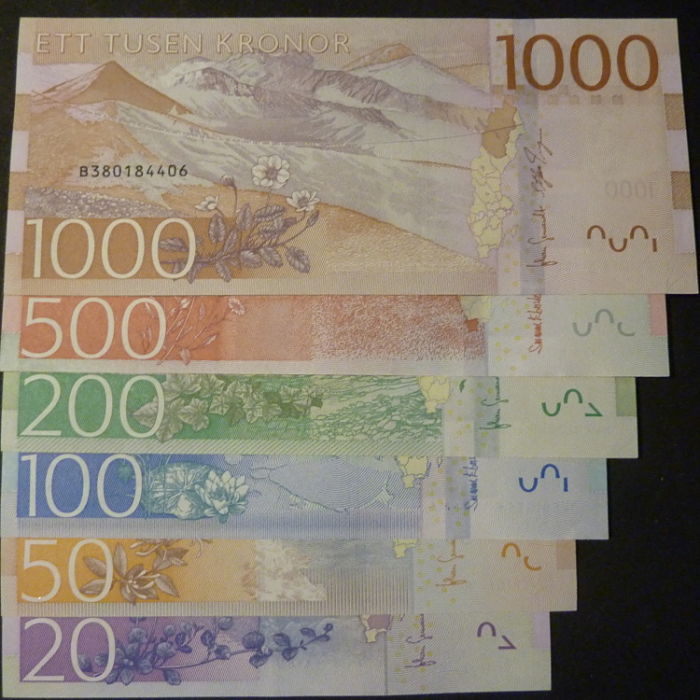
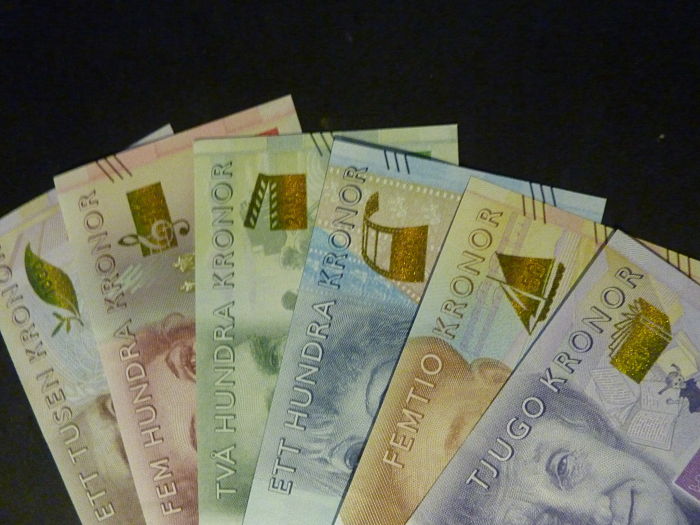
Lastly, I still believe that Riksbank ordered at least 20% more banknotes than were in circulation in the last year before the change of series.
It's nice to have reserves.
Your statement seems to be a logical assumption and for most countries 20% is conservative. For instance the UK was circulating about 350 million 5 pound notes and they had 440 million new polymer ones produced (which is about an extra 25%)
As I said, the Riksbank considers production numbers a state secret. Now in most countries questions like that have to be answered under Freedom of Information Act requests, but possibly Sweden is different.
Since everyone trusts the government nobody wants to pry. I know that there is at least one high profile pro-cash group in Sweden that is not happy with the current trend.
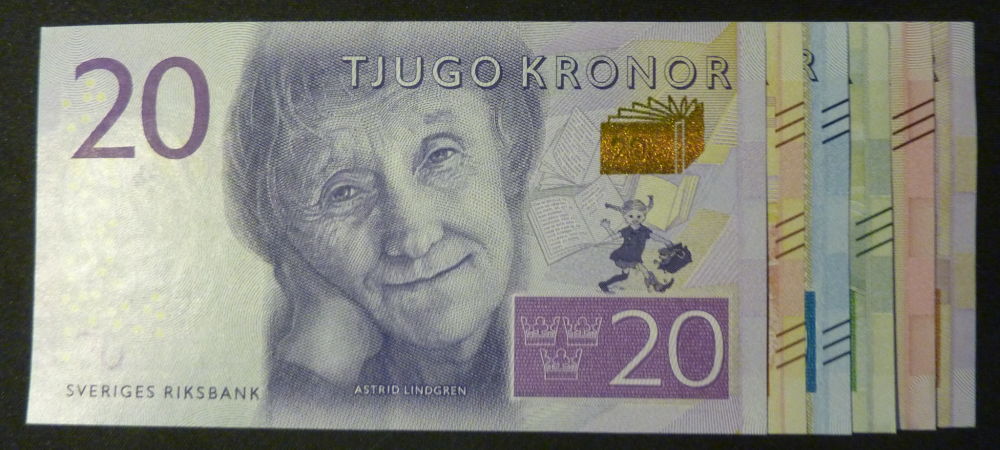
If there was a website where Swedes posted serial numbers, then the production quantities would probably be obvious with a few thousand serial numbers. Since circulation of the 20kr banknote is just short of 50 million, it would be a simple matter to determine if they all had the same "year letter (A or B or C)" If they all have the same letter in their serial number then there are only 50 million possible combinations.
If all the 500kr banknotes have a letter C in their serial number, then only 50 million different serial numbers are possible.
It would be eye opening if the Swedish government printed fifty million 1000kr banknotes and is circulating less than three million. The Riksbank has missed their inflation target for the last three years.
I have been told point blank by some Swedes that Swedish currency levels shouldn't be of interest to someone who doesn't live there. But like many things, when one country undertakes an experiment, other countries are watching to see the outcome. That is why the BIS publishes their 600 page red-book every year so that countries can compare statistics. Sweden certainly led the world into negative interest rates which were only theoretical a few years ago.
http://www.bis.org/cpmi/publ/d152.htm============================
When the Bank of Canada announced that they were going to try and eliminate their $1000 banknote, they promised that a "good supply" of smaller denomination notes would replace the larger note. Obviously the Riksbank makes no such offer.
So far the ECB has more than replaced the 10% reduction in 500 Euro banknotes with smaller denominations.
Quote:
Bank of Canada Media Relations 8 May 2000
The Bank of Canada announced today that, effective May 12, it will stop issuing $1000 bank notes and will begin to withdraw them from circulation. The $1000 notes will be withdrawn over time with the help of financial institutions, which have been asked to return the notes to the Bank of Canada as they are deposited or exchanged by the public. All $1000 notes returned to the Bank of Canada will be destroyed. The Bank of Canada will ensure that a good supply of notes of lower denominations is available to replace the discontinued notes.








 First Page
 Previous Page


 Posted 10/05/2016 2:21 pm