| Author |
 Replies: 20 / Views: 2,550 Replies: 20 / Views: 2,550 |
|
Valued Member
United States
177 Posts |
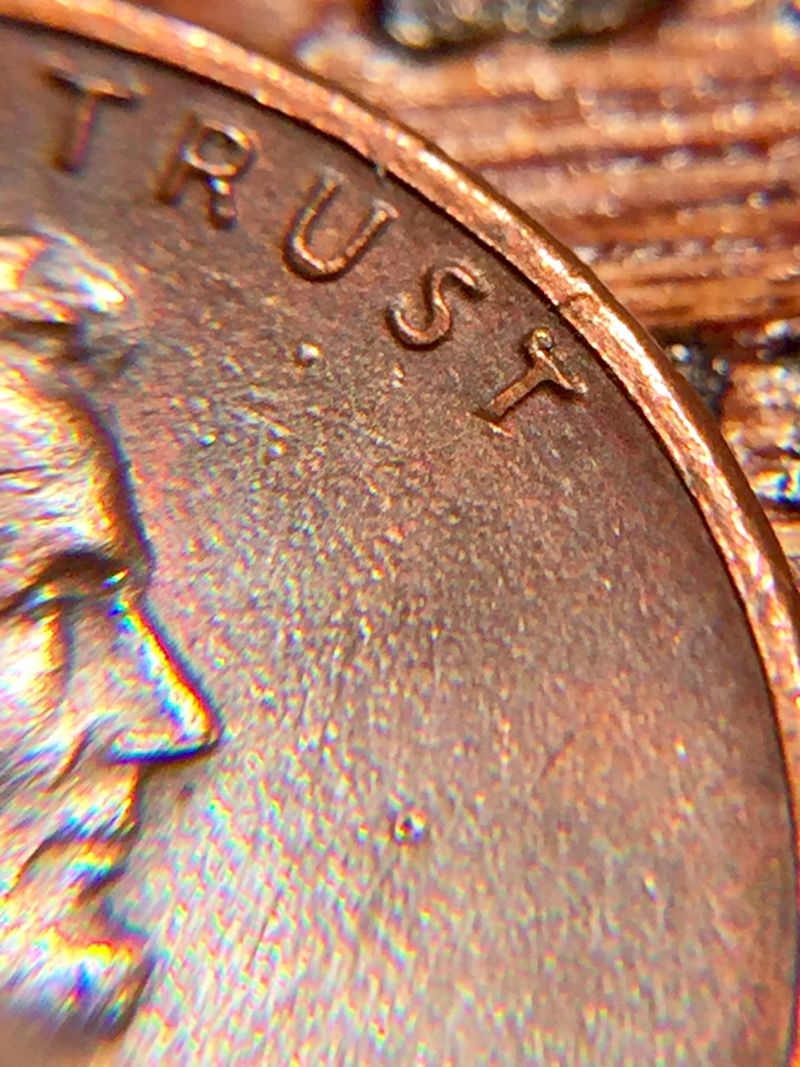
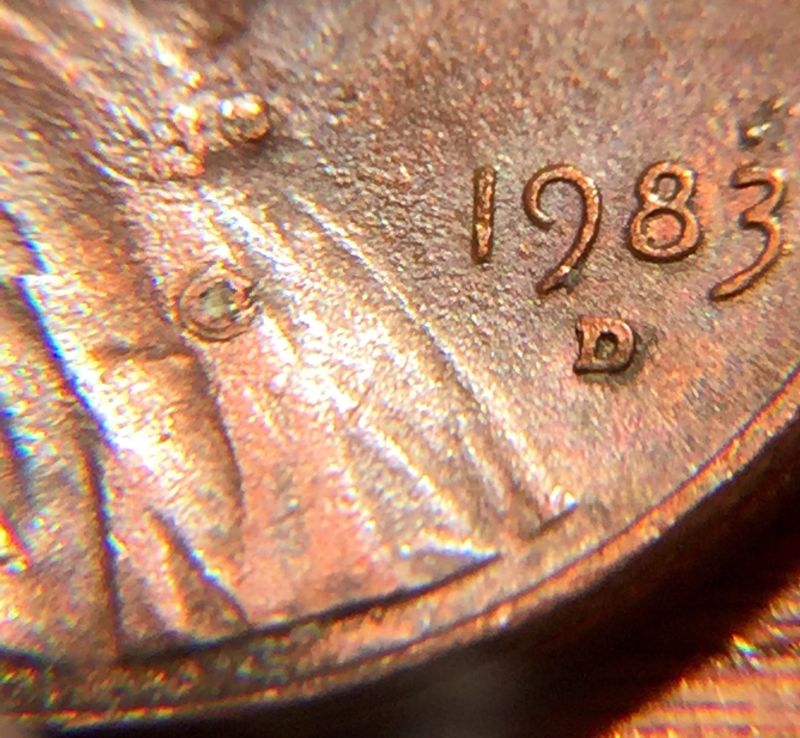
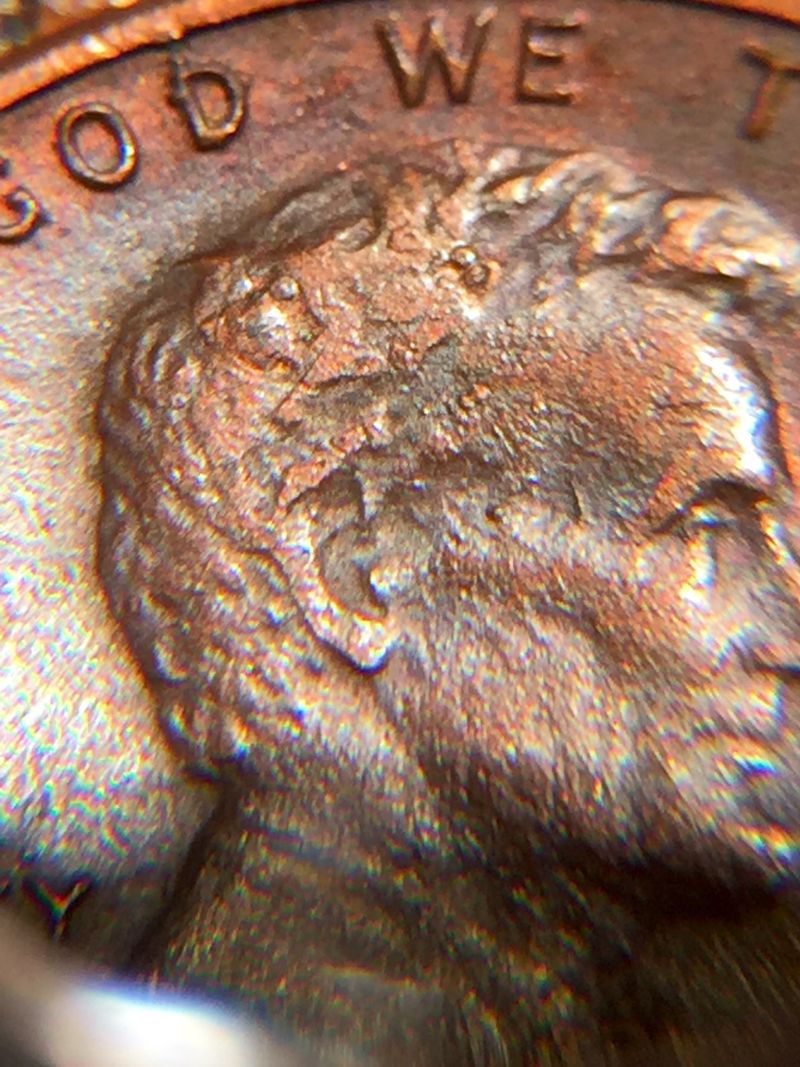
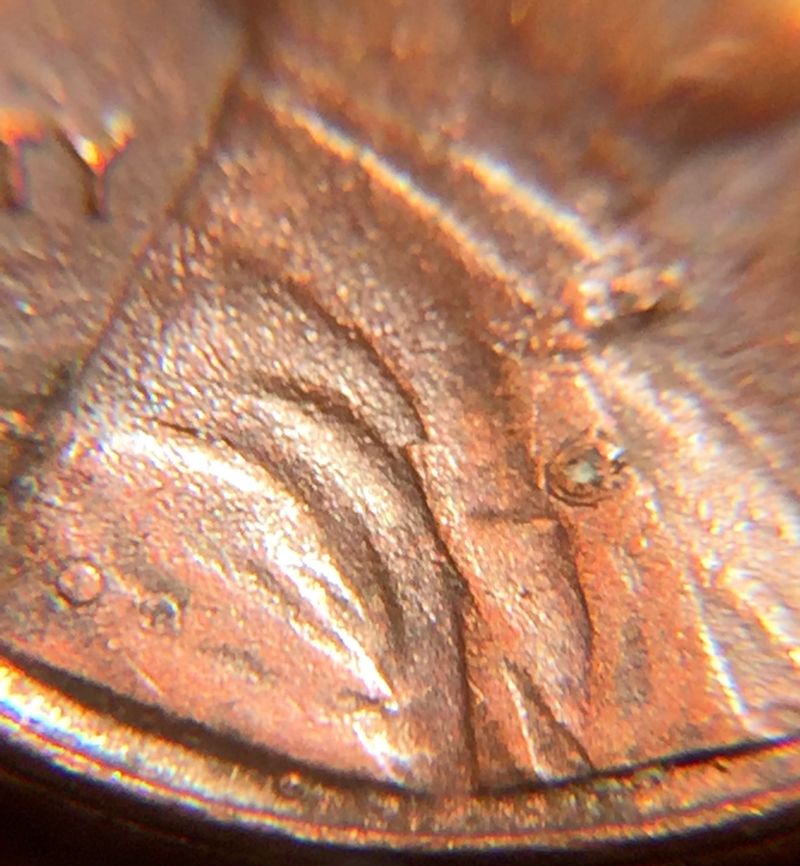
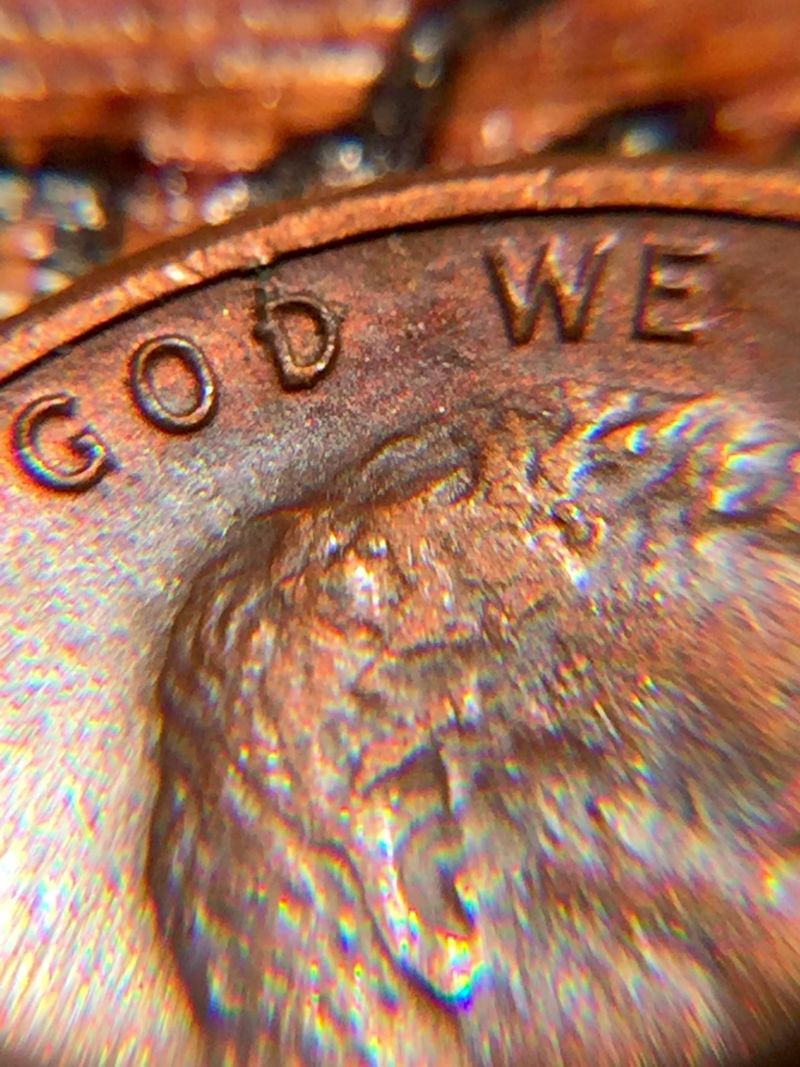
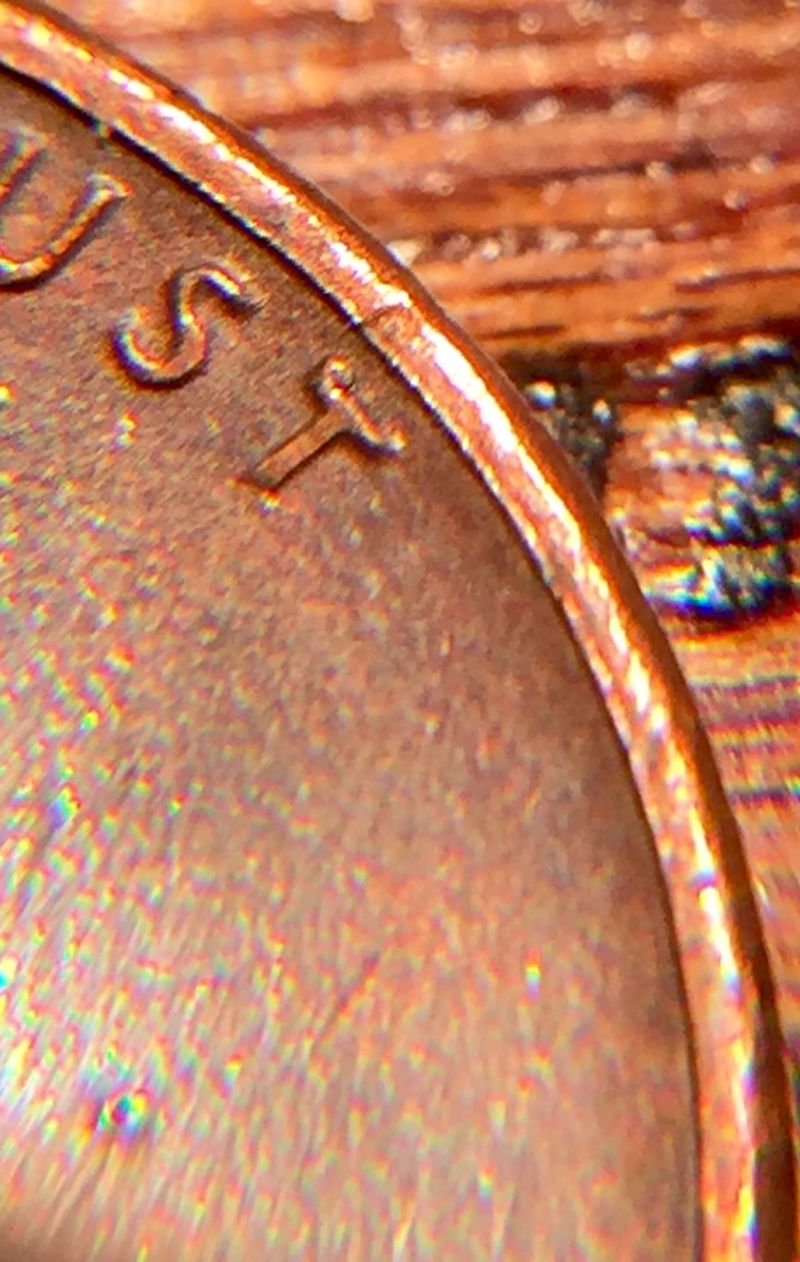
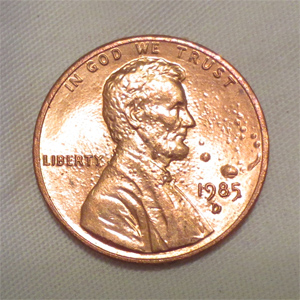
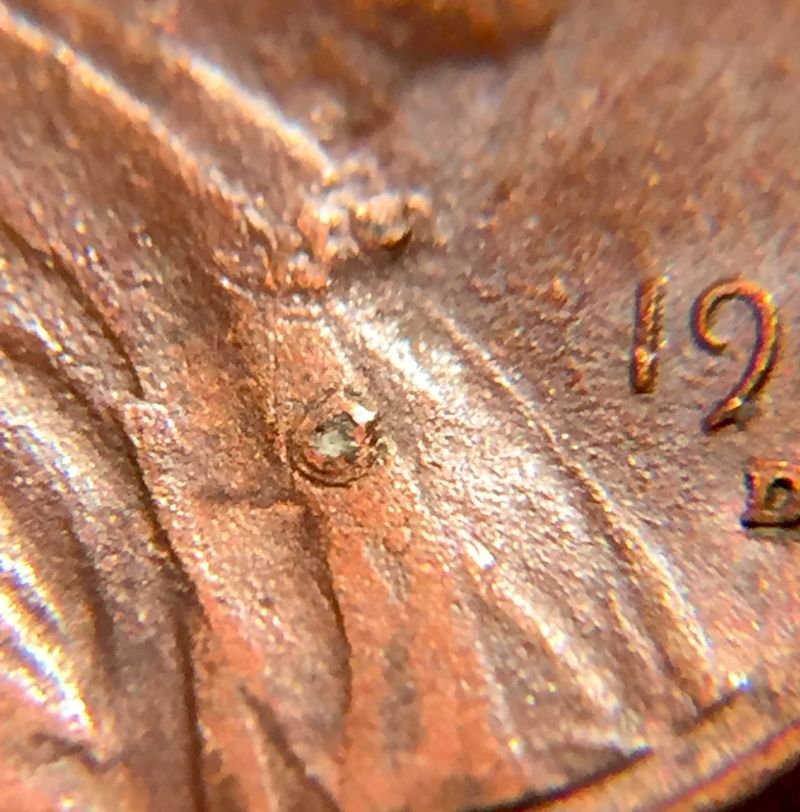
Are these die chips? Worth anything? 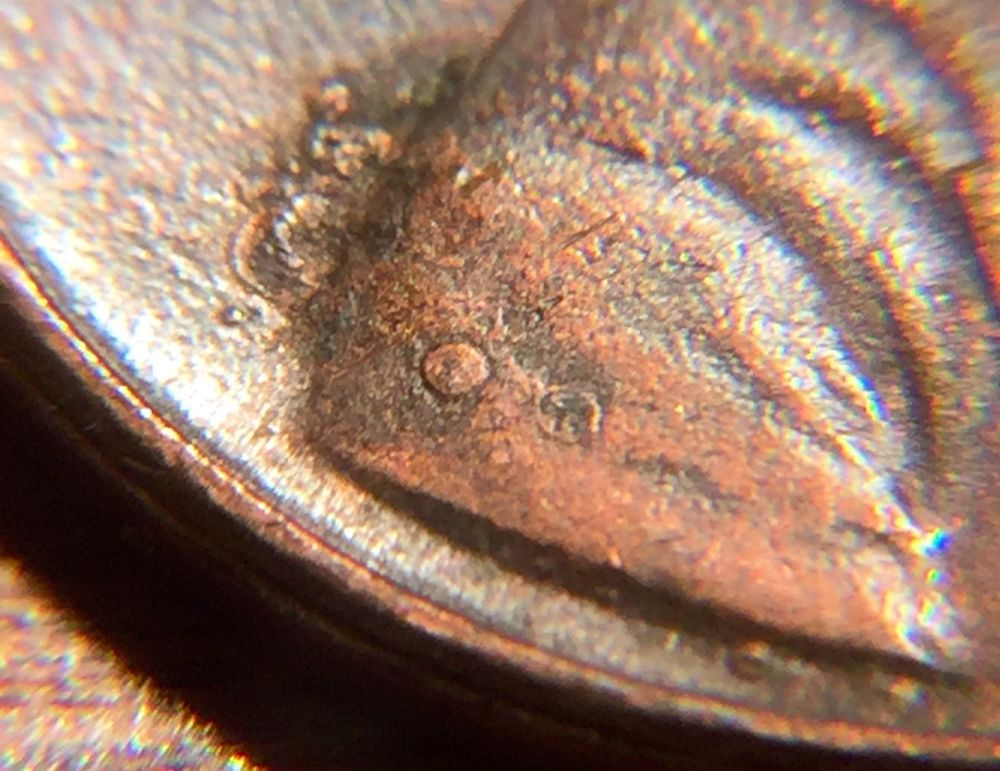 |
|
|
|
Valued Member
 United States
177 Posts |
|
|
Valued Member
United States
177 Posts |
|
|
Valued Member
United States
177 Posts |
|
|
Valued Member
United States
177 Posts |
|
|
Valued Member
United States
177 Posts |
|
|
Valued Member
United States
177 Posts |
|
|
Valued Member
United States
177 Posts |
|
|
Valued Member
United States
486 Posts |
this is called zinc rot. in 1982, the mint went from making cents out of 95% copper to copper plated zinc. zinc reacts with almost everything, so if the copper plating is broken, the zinc will bubble and rot like this.
|
|
Pillar of the Community
United States
5964 Posts |
|
|
Pillar of the Community
United States
6478 Posts |
|
|
Pillar of the Community
United States
4963 Posts |
Wait a minute. I believe these are plating blisters, which occur during the minting process and are very common on early zinc cents. To put it simply, the mint took a few years to perfect their methods of plating the zinc, and it was common for the copper cladding to separate, causing blisters like this. The big one looks like it was punctured, therefore allowing the zinc to react as a result.
|
|
Moderator
 United States
56855 Posts |
 John1  |
|
Bedrock of the Community
United States
62064 Posts |
The plating was probably rubbed of the top of the bubble and now the zinc is exposed and the zinc starts to rise then rot. Even pin holes can start this process. 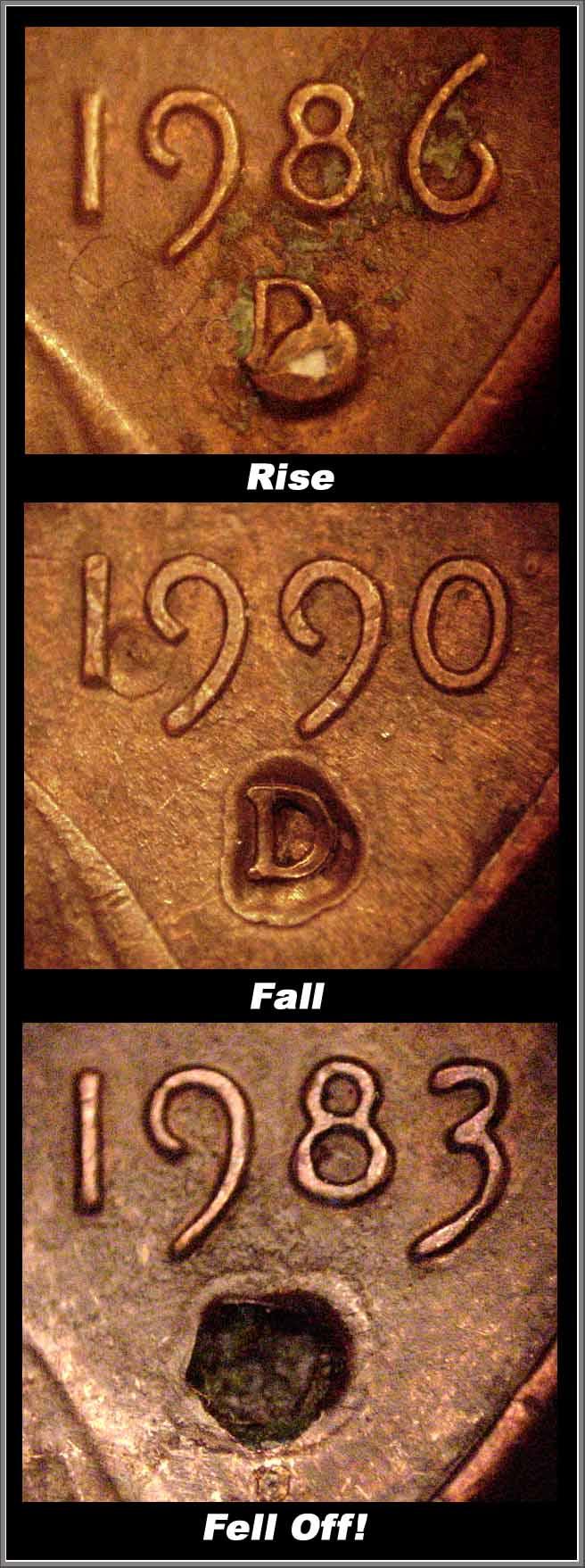 |
|
Valued Member
United States
177 Posts |
Wow. Pretty cool. Abe looks like he's got a bad case of chicken pox.
|
|
Pillar of the Community
United States
3463 Posts |
|
| |
Replies: 20 / Views: 2,550 |











 Posted 11/03/2015 12:01 am