Coin Community Family of Web Sites Join Thousands of Coin, Bullion, & Money Collectors
Coin, Banknote and Medal Collectors's Online Mall Vancouvers #1 Coin and Paper Money Dealer Royal Estate Auctions - $1 Coin AuctionsJoin Thousands of Coin, Bullion, & Money Collectors Specializing in Modern Numismatics Royal Canadian Mint products, Canadian, Polish, American, and world coins and banknotes. 300,000 items to help build your collection!


Username:
Password:
Save Password
Forgot your Password?


This page may contain links that result in small commissions to keep this free site up and running.

Welcome Guest! Registering and/or logging in will remove the anchor (bottom) ads. It's Free!

1994-D LMC Interior Die Break Bay 1 Why So Many?

To participate in the forum you must log in or register.
Author Previous TopicReplies: 6 / Views: 1,336Next Topic  
Pillar of the Community
Pete2226's Avatar
United States
3332 Posts
 Posted 11/15/2015  10:36 am Show Profile   Bookmark this topic Add Pete2226 to your friends list Get a Link to this Message Number of Subscribers
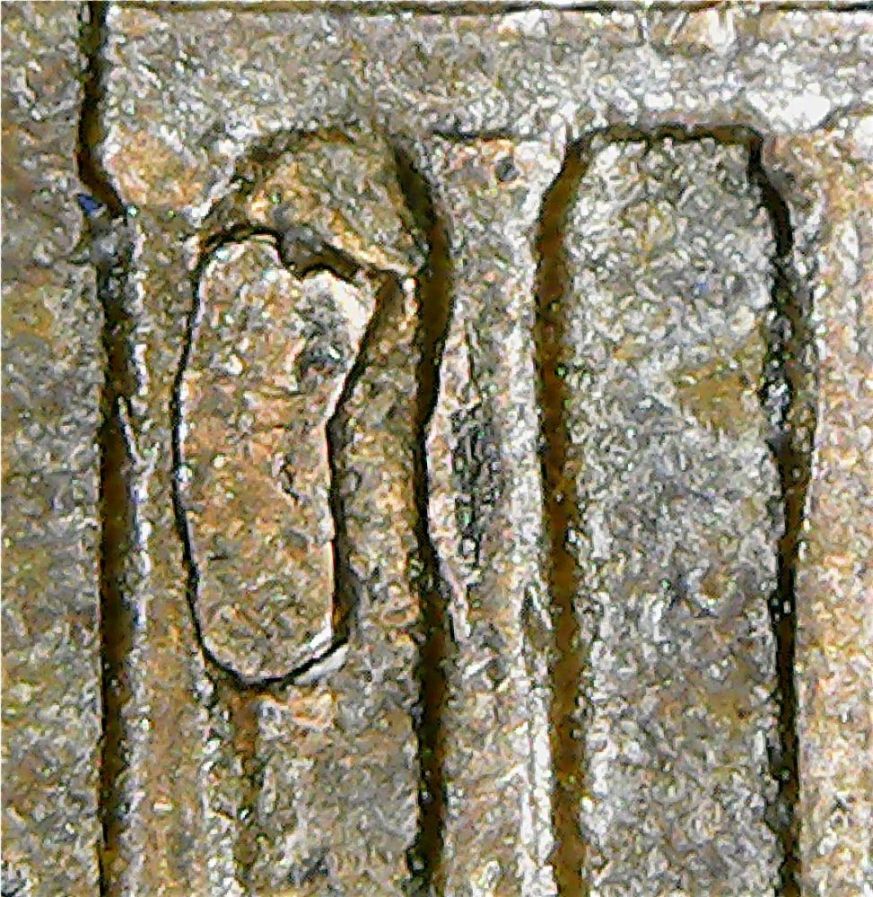
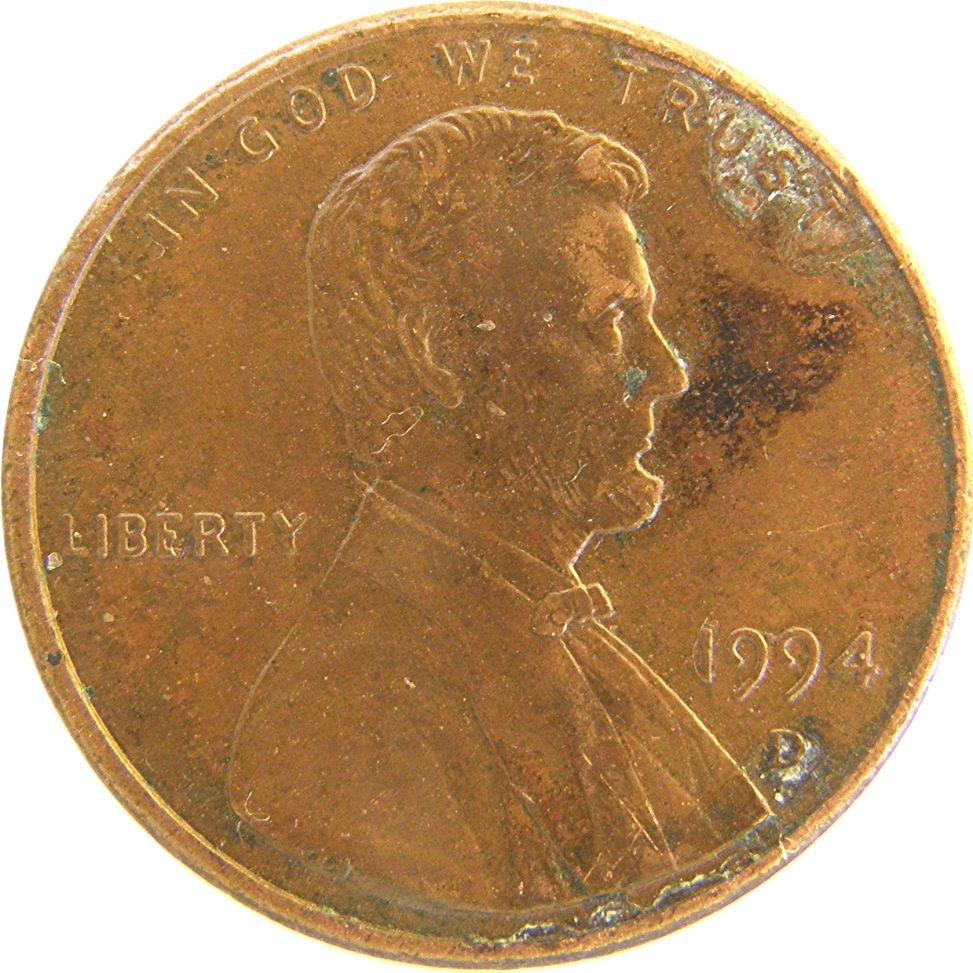
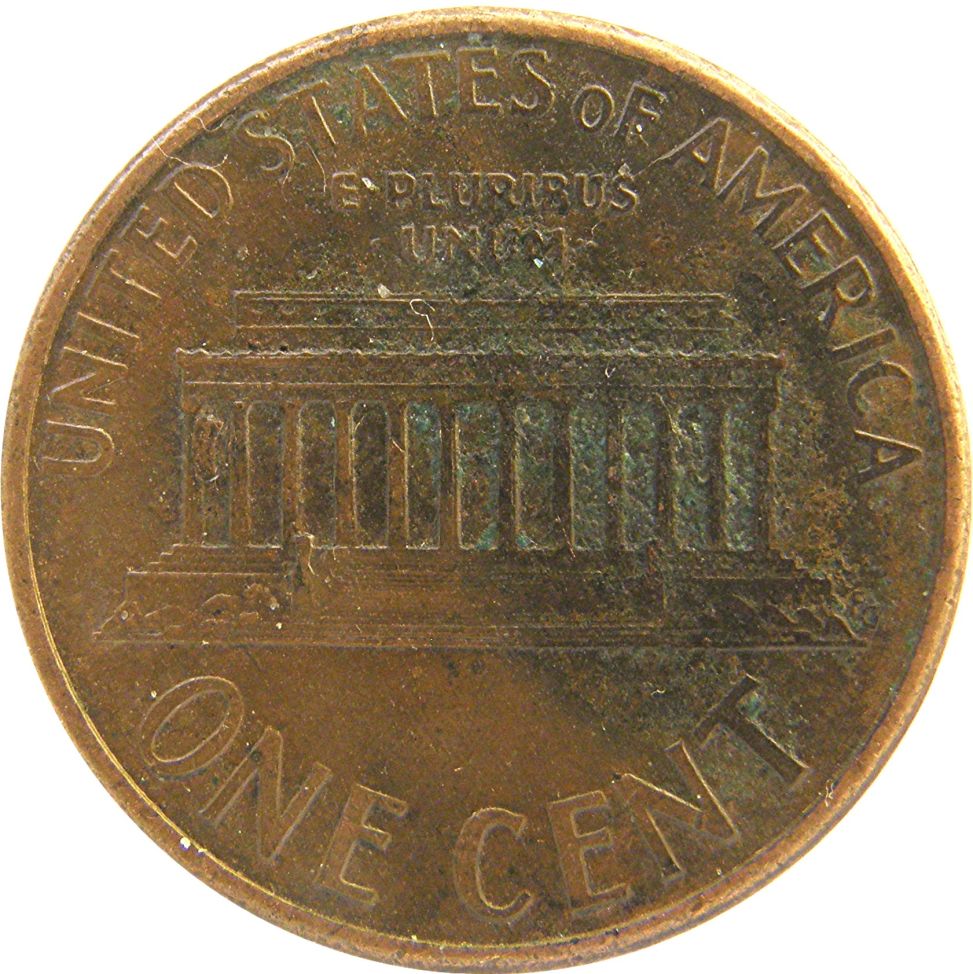
I notice that Bay 1 is one of the more common places on the Reverse for these die breaks. Why is that? What is so different, structurally, about Bay 1? (I wish this wasn't such a scudzy coin!)


1994-D-LMC-Interior-Die-Break-Bay-1-Why-So-Many?

1994-D-LMC-Interior-Die-Break-Bay-1-Why-So-Many?

1994-D-LMC-Interior-Die-Break-Bay-1-Why-So-Many?
Pillar of the Community
dbrablec's Avatar
United States
1944 Posts
 Posted 11/15/2015  11:18 am  Show Profile   Bookmark this reply Add dbrablec to your friends list Get a Link to this Reply
i have wondered that also. I suppose that logically - it suggests that stresses are greater in that area than other areas. the stresses could be a function of other characteristics of the coin - even things occuring on the other side. I am certinally not a expert - and the true experts probably hae some - real answers (other that prue conjecture).

the same question may be asked about die breaks or cracks frequently found around the base corners of the memorial building.

all in all - a good, thoughtfull question.
Pillar of the Community
Pete2226's Avatar
United States
3332 Posts
 Posted 11/15/2015  11:31 am  Show Profile   Bookmark this reply Add Pete2226 to your friends list Get a Link to this Reply

Quote:
even things occuring on the other side


Interesting idea! Well the T fits that area perfectly. However, I do not see why the T would exert more stress than the Y would in Bay 2.

Concerning the corners of the Memorial, I notice that they are fairly close to the outer edge of the coin - could be some weakness produced by that.
Bedrock of the Community
coop's Avatar
United States
62064 Posts
 Posted 11/15/2015  11:34 am  Show Profile   Bookmark this reply Add coop to your friends list Get a Link to this Reply
Mike Diamond mentions a bit on interior die breaks on his site:
http://www.error-ref.com/?s=memorial+die+chips
But he doesn't mention the Memorials though.
I enjoyed his comment on the difference between a die chip and an interior die break:

Quote:
Any void encompassing an area of 4 square millimeters or more qualifies as an interior die break.
Any void that covers less than 1 square millimeter is a die chip.


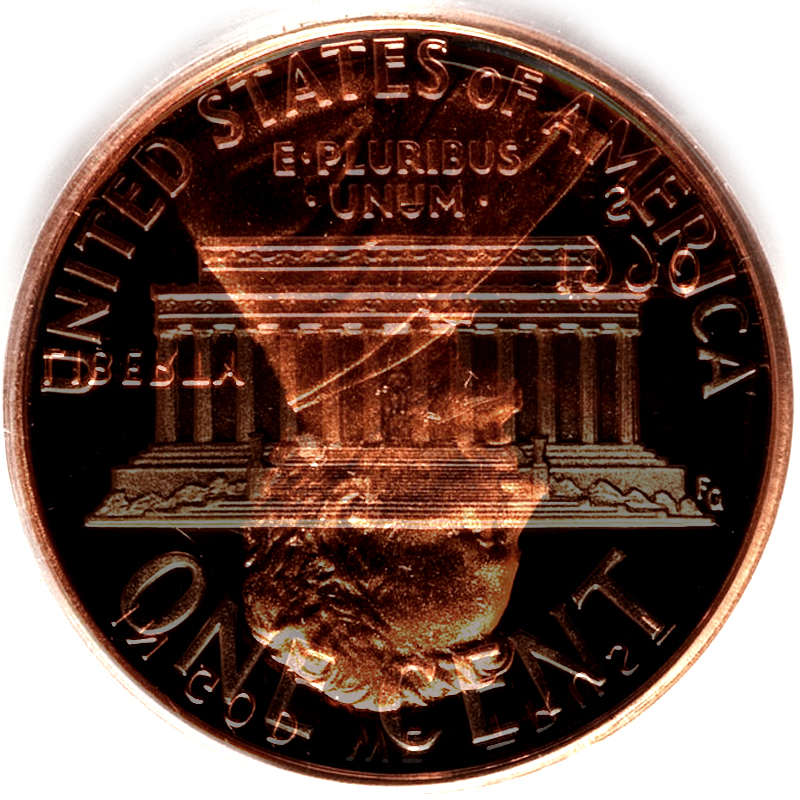
But the information about BIE's maybe the cause for the reverse die to be affected there. Not an overlay image of the clash target area on the Memorial cent:
1994-D-LMC-Interior-Die-Break-Bay-1-Why-So-Many?
The letters from LIBERTY intersect on this area. (bay one and bay two) So the reverse die could be damaged on this area during clashes. If there were several event that happened to the die, the die must breakdown on this area. I've seen a progression in two rolls I found one time:
1994-D-LMC-Interior-Die-Break-Bay-1-Why-So-Many?

Edited by coop
11/15/2015 11:41 am
Pillar of the Community
Pete2226's Avatar
United States
3332 Posts
 Posted 11/15/2015  11:46 am  Show Profile   Bookmark this reply Add Pete2226 to your friends list Get a Link to this Reply
Thanks, coop. I had not noticed that definition. Using that, this would not be an interior die break. So what would it be if it is greater than 1 (die chip) and less than 4 (IDB)?

(This one is approximately 0.5 square mm so it would be a chip).

I am not convinced that some of those IDBs on cuds-on-coins would qualify either. It seems that the definition might be considered a bit arbitrary. Maybe it seems that way to me because I do not see the logic behind it being instead of 4, say 3 or 5. I suppose it is good to have a precise definition anyway, just so everyone is speaking the same language!
Pillar of the Community
Pete2226's Avatar
United States
3332 Posts
 Posted 11/15/2015  11:48 am  Show Profile   Bookmark this reply Add Pete2226 to your friends list Get a Link to this Reply

Quote:
The letters from LIBERTY intersect on this area. (bay one and bay two) So the reverse die could be damaged on this area during clashes.


Now that makes sense to me!
Bedrock of the Community
coop's Avatar
United States
62064 Posts
 Posted 11/15/2015  12:17 pm  Show Profile   Bookmark this reply Add coop to your friends list Get a Link to this Reply
I guess to me it would matter on how wide the chip would be. A crack is a thin line. A chip is wider than a crack.
  Previous TopicReplies: 6 / Views: 1,336Next Topic  

To participate in the forum you must log in or register.


Disclaimer: While a tremendous amount of effort goes into ensuring the accuracy of the information contained in this site, Coin Community assumes no liability for errors. Copyright 2005 - 2026 Coin Community Family- all rights reserved worldwide. Use of any images or content on this website without prior written permission of Coin Community or the original lender is strictly prohibited.
Contact Us  |  Advertise Here  |  Privacy Policy / Terms of Use

Coin Community Forum © 2005 - 2026 Coin Community Forums
It took 0.26 seconds to rattle this change. Forums