Die wear and
Machine Doubling are two completely different things.
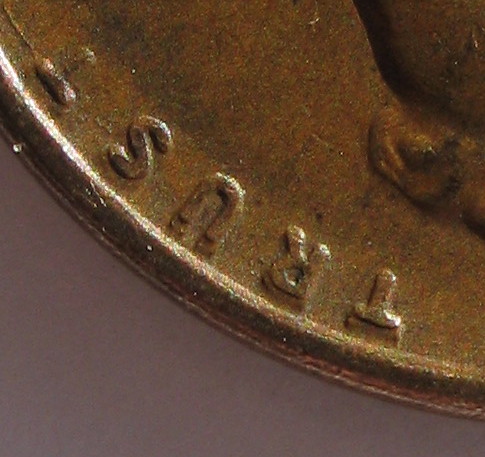
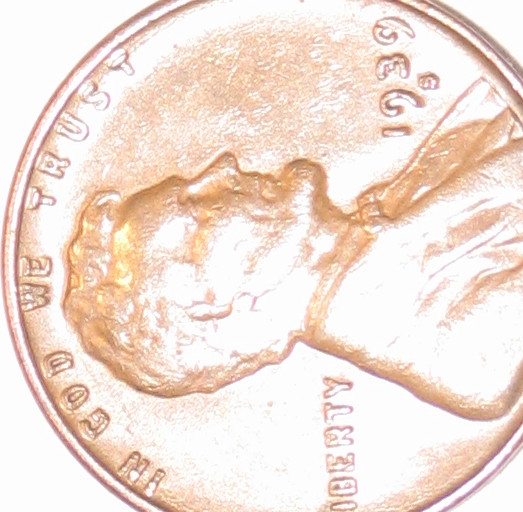
Die wear causes a blurring effect toward the outside of the desgin. It is the result of the pressure of striking coins, and chips away at the outside edges of the design elements (devices), and is most notable on the outer periphre of the design. It appears as raised humps or sometimes even doubling on the outer edges of the devices. It is very common, especially in certain eras of coinage, and carries no premium value. That is what this coin has.
Machine Doubling is caused by a bounce of a die or failure of a coin to release from a die after it is struck. There are differing names for
Machine Doubling (strike doubling, eject doubling, die chatter, die bounce, false doubling, etc.), but the effect is rather similar. Flattened, shelf-like doubling of the devices that can run in any direction and affect some or all of the design. It is usually sharp in nature, and it takes up some of what would be the normal thickness of the devices, because it is actually an effect of flattening the edges of the devices on an otherwise normal coin. It is very common and carries no premium value.










 IMG_1960.jpg
 IMG_2081.jpg

 Posted 01/26/2008 2:49 pm


