| Author |
 Replies: 23 / Views: 3,673 Replies: 23 / Views: 3,673 |
|
Pillar of the Community
United States
1284 Posts |
|
|
|
|
Pillar of the Community
1153 Posts |
If you look up the cert number is there a photo on PCGS website to compare it to?
|
|
Pillar of the Community
 United States
1284 Posts |
|
|
Pillar of the Community
United States
1284 Posts |
|
|
Bedrock of the Community
United States
10982 Posts |
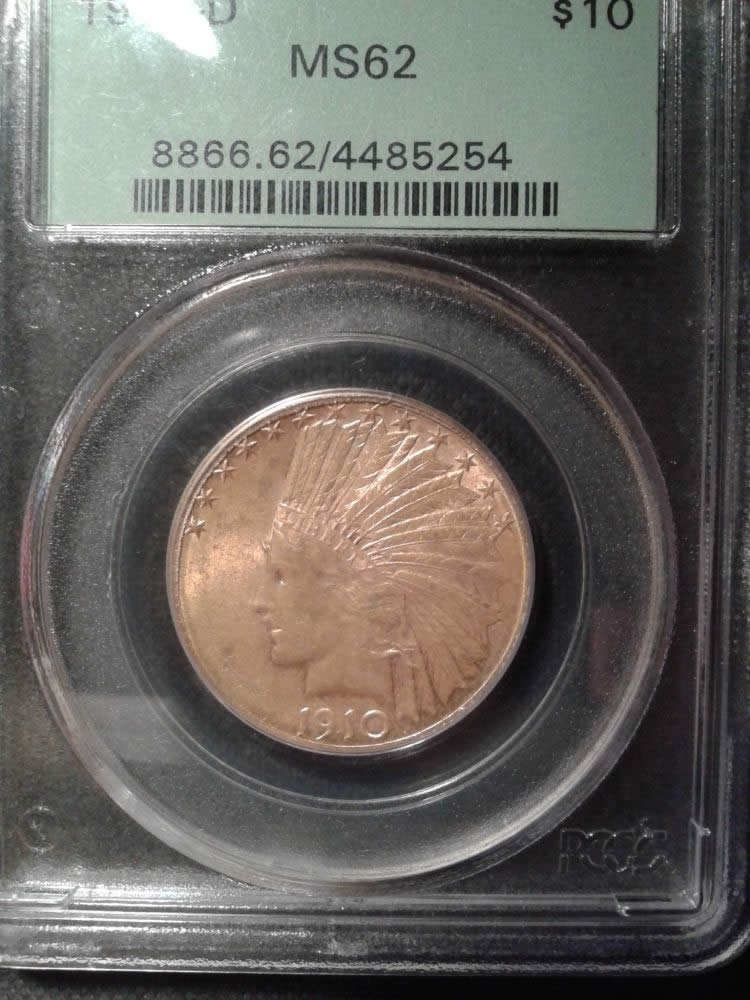
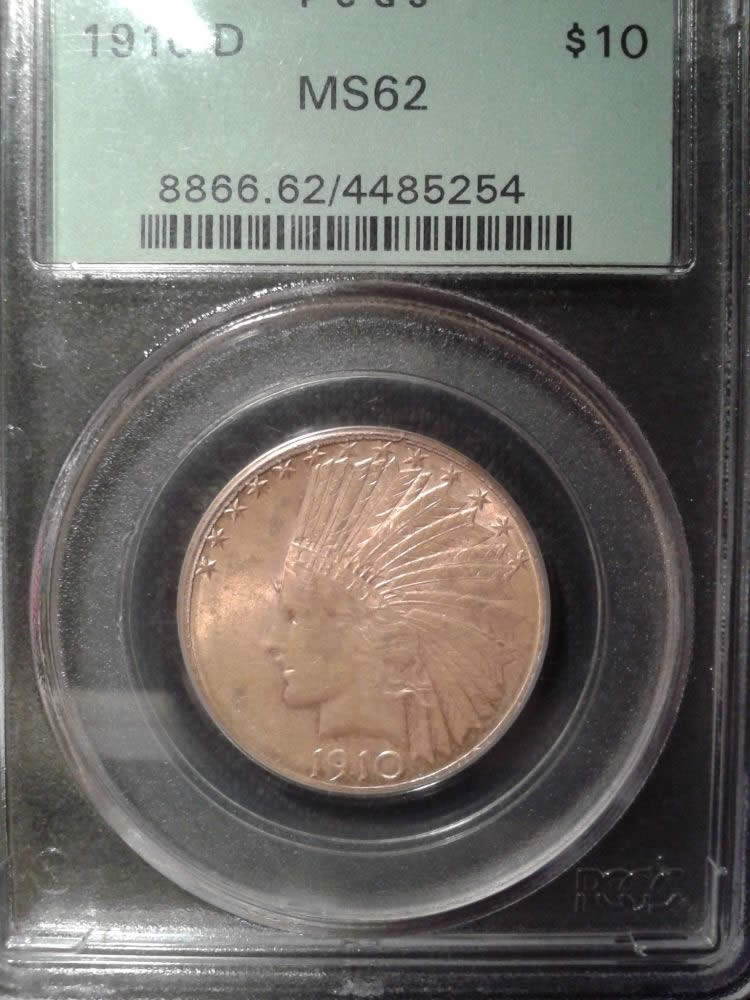
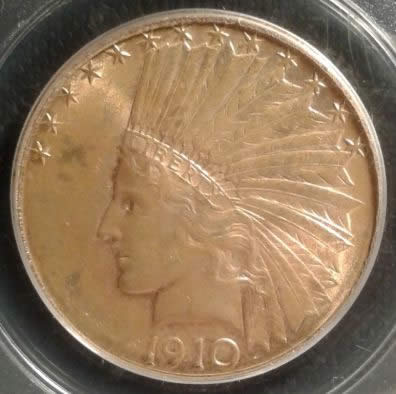
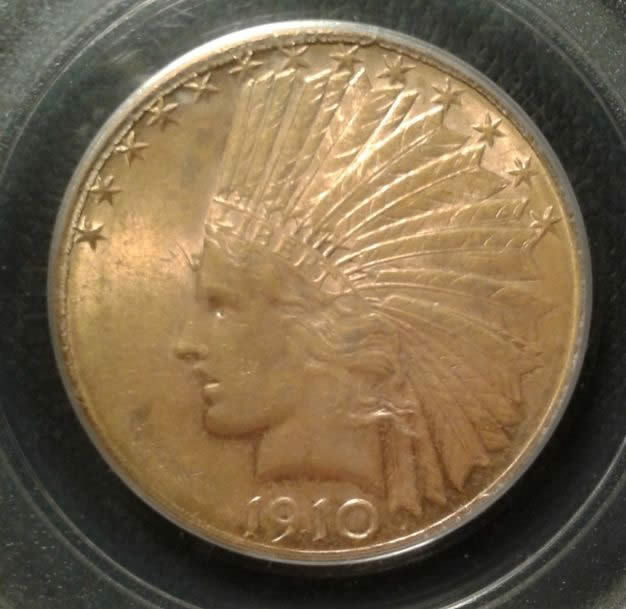
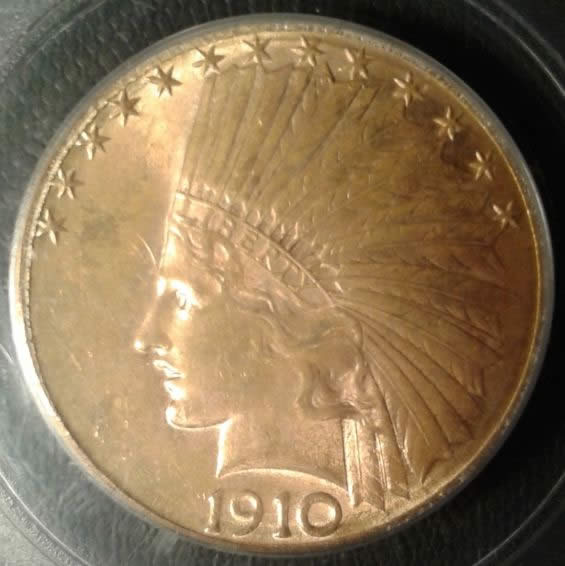
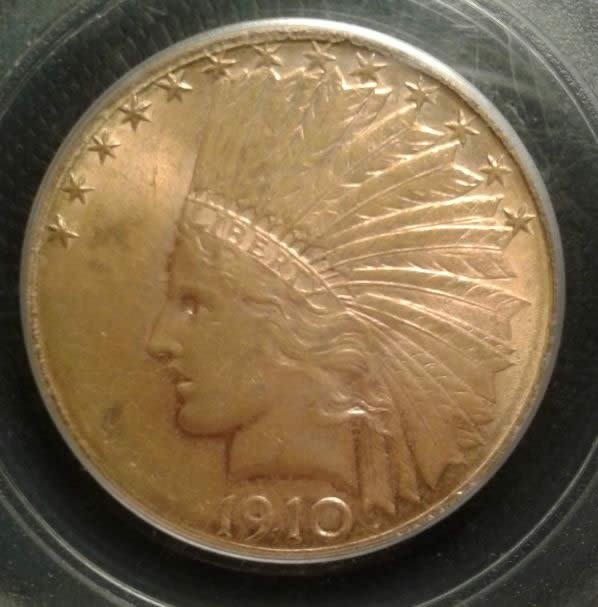
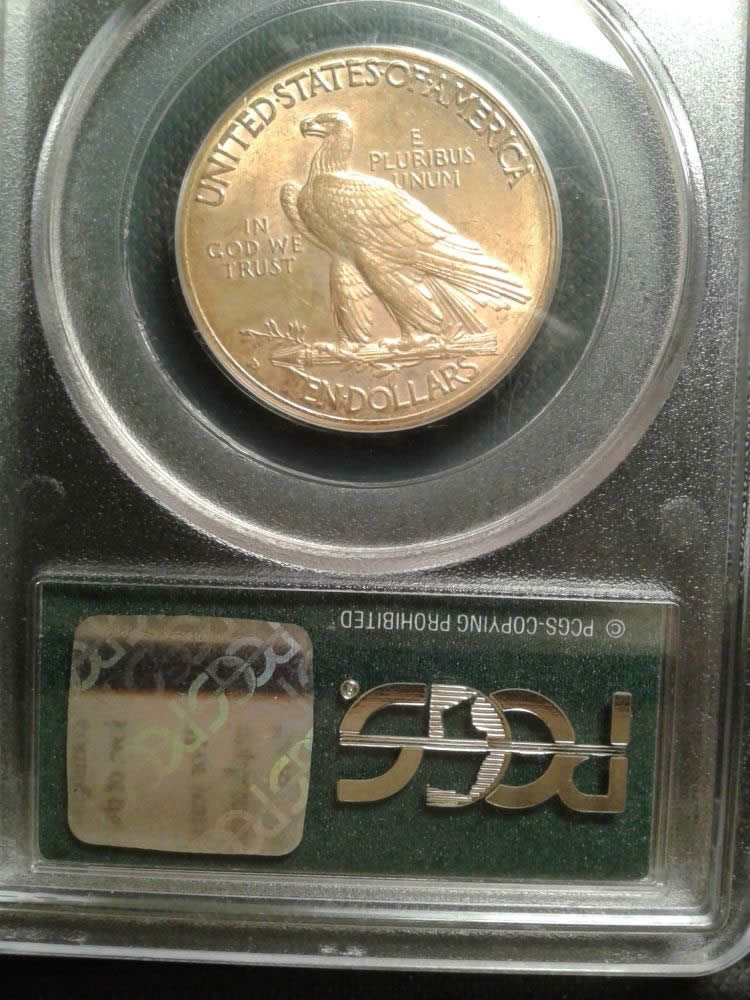
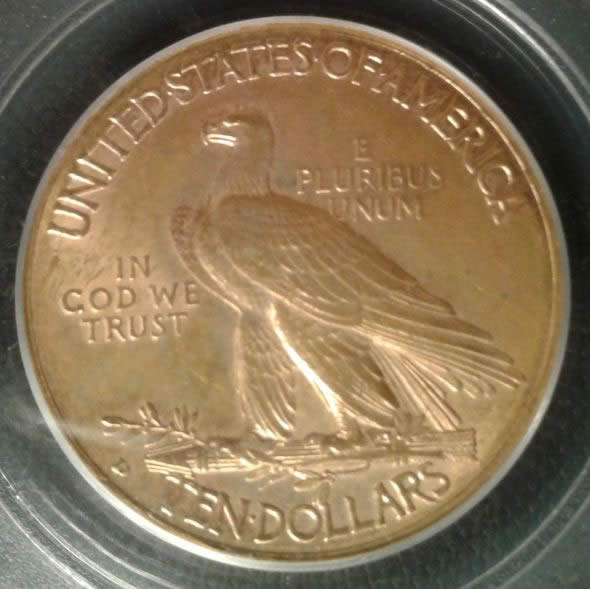
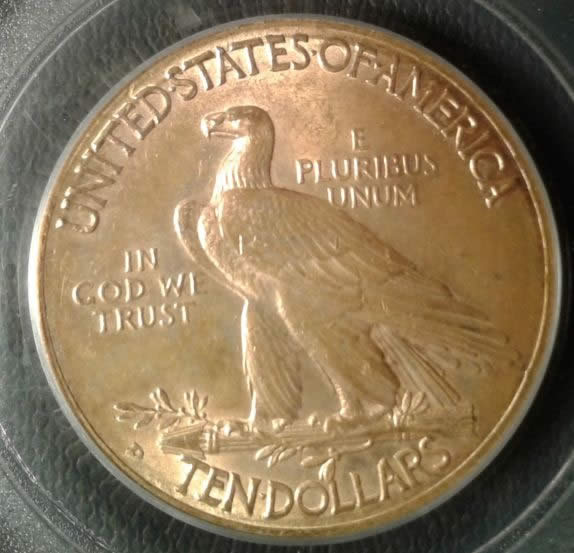
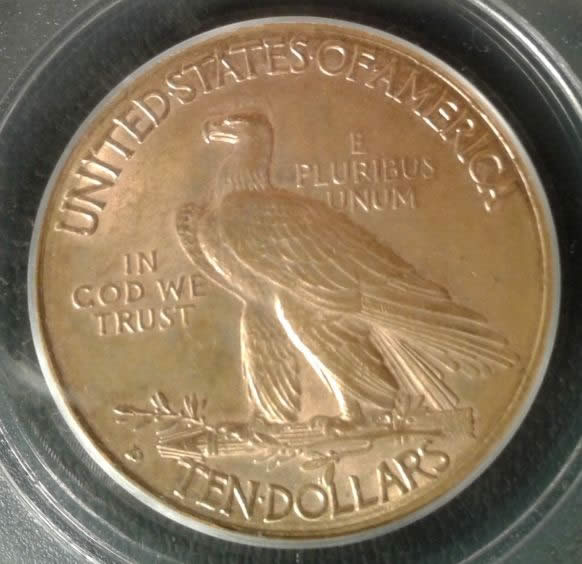
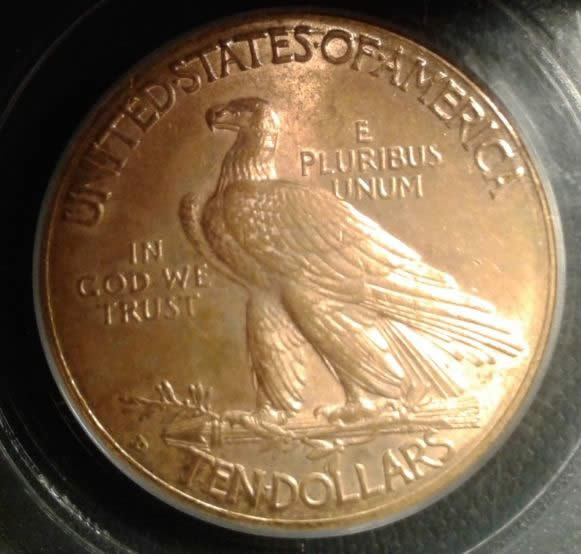
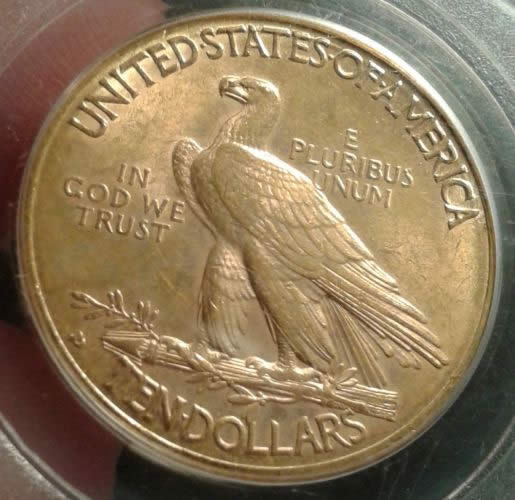
Looks okay to me for an authentic MS62. It may have been "puttied" by someone hoping for a higher grade though.
|
|
Pillar of the Community
United States
6370 Posts |
Are there any depressions or toolmarks that concern you? I can't tell if there are any from the photos you supplied.
Are you also worried about the obverse rim and the marks in front of Liberty's face?
|
|
Rest in Peace
United States
17900 Posts |
I don't see anything immediately concerning. Not something that jumps out as wrong. But I do understand TypeCoins question about the obverse rim not looking exactly right. However, that might be the angle and light, too.
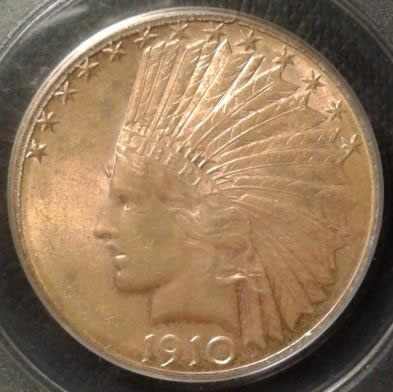
The obverse does show enough friction and marks to warrant an MS-62, although the reverse looks wonderful and better than that.
The first two photos you show of the obverse does make the design elements look somewhat shallow. All in all I'm not catching the problem if there is one.
|
|
Bedrock of the Community
Australia
21789 Posts |
Machine20: I am very tempted to agree with you.
Gold is a very soft metal, and as a 90% alloy, is still comparatively soft to other coinage alloys.
If it were mine, I would be tempted to crack it out of the slab, just to have it's weight confirmed.
One problem with this approach is that fake coins are often made from good gold, sometimes even recovered from worn common gold coins of low numismatic premium over their gold value.
It seems that this coin could be so lighly struck but all of the details there, albeit all reasonably faintly, relative to a more normally struck coin.
This draws me in to thinking that it may have been struck off a die hubbed from a coin, not a master hub.
All genuine coins of this period were struck with hardened steel dies, and to maintain the quality of the strike. dies were withdrawn from service early. That should leave all genuine coins with reasonably well struck up details at the time they left the Mint.
The fact that this coin has radial luster, suggests that it was die struck, and the grade MS62 looks OK for wear.
I won't allow myself to pass absolute judgement on this one, because
I don't have the coin 'in hand'. What should be done is to take it to a good professional who can examine it in hand for you.
Edited by sel_69l
12/22/2015 5:44 pm
|
|
Pillar of the Community
United States
1450 Posts |
If someone were going to fake this coin variety why not fake the 1911-D or a 1913-S? These are coins really worth faking. It is pretty awful when faked and graded coins do appear on the market because it makes us all paranoid. Is this an online sale? Just looking at the work it does not look fake to me. It looks like a pretty beautiful coin. Was the price within normal limits?
|
|
Valued Member
United States
374 Posts |
|
|
Pillar of the Community
United States
6370 Posts |
Quote:
If someone were going to fake this coin variety why not fake the 1911-D or a 1913-S? These are coins really worth faking. In the middle east, where most counterfeit US gold coins are made, they counterfeit US designs as owning bullion in round-coin form is tax-free while ingots are taxed. The US designs are used because the counterfeits could conceivably be sold for a slight premium over bullion value. The common dates are the counterfeited dates because that's what they have, and mixing and matching of the dies happen to create the rare dates. The common dates are seen most often because they are not closely examined unlike the rare coins. |
|
Bedrock of the Community
Australia
21789 Posts |
I am definitely not an expert on fake slabs, and so I am unable to comment in this area.
|
|
Rest in Peace
United States
2668 Posts |
Git R XRFed.  ETA: TypeCoin971793 makes an excellent observation. Edited by Parklane64
12/22/2015 11:33 pm
|
|
Bedrock of the Community
United States
17884 Posts |
Slab is real, I think the coin may have been puttied, and the "weird circle" just inside the rim is the rubber gasket wrapping over the edge of the coin.
|
|
Valued Member
United States
127 Posts |
|
|
Valued Member
146 Posts |
Condor...You da man! Ditto BH1964. The coin has an obvious altered surface - in this case probably putty. So as not to turn any Newbies into a coin Doctor, substances are combined with other substances (or used alone) to produce a film (among other things) on a coin's surface to hide defects or imitate "skin" or luster to trap the ignorant. Should have said "uninformed." It means the same thing folks.
Condor, will you be at the FUN Show?
|
| |
Replies: 23 / Views: 3,673 |









 Posted 12/22/2015 3:45 pm





