| Author |
 Replies: 7 / Views: 1,058 Replies: 7 / Views: 1,058 |
|
|
Pillar of the Community
United States
609 Posts |
Edited by wrongalot
02/05/2008 05:10 am
|
|
|
|
Pillar of the Community
United States
1934 Posts |
|
|
Member
United States
3242 Posts |
Hopefully CopperCoins will ck it out.
|
|
Pillar of the Community
United States
7629 Posts |
Good news and bad news...
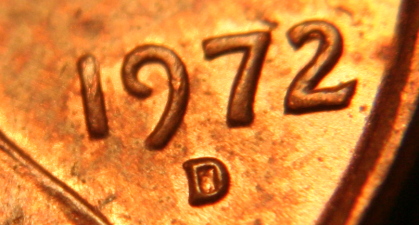
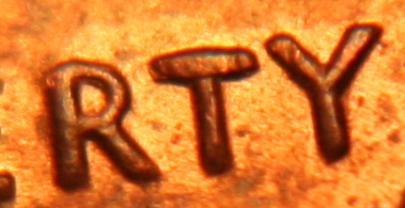
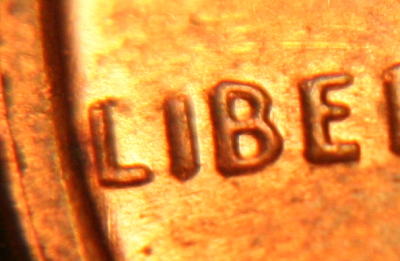
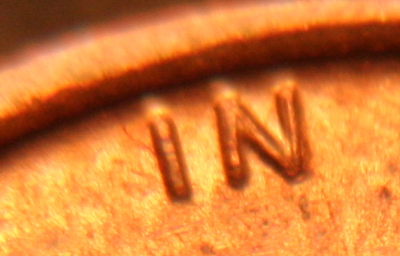
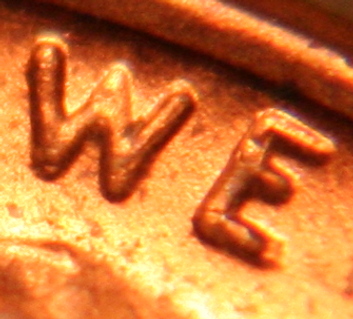
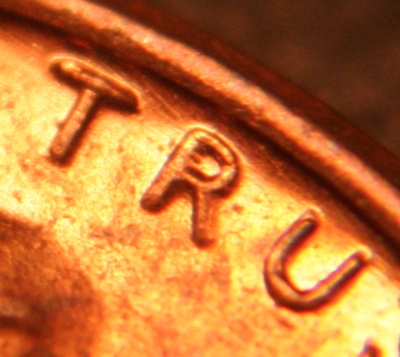
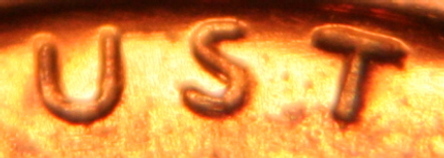
This is a doubled die. That's the good news. At least your eye is honing in on what to look for.
The bad news is that this is master die doubling. Imagine the die making process as a pyramid - the master die creates a couple dozen working hubs, and each working hub creates a couple dozen dies. Well, if the master die is doubled, you end up with hundreds of working dies with the same doubling, and that's what happened here.
This particular doubling used to be recognized by CONECA as MD-5-O-I+II. It took up the die #5 slot for the known 1972 doubled dies. In recent years they did the right thing, and delisted it as a doubled die, and moved it over to the common 'master die list'.
What it boils down to is this...this doubling is visible on at least half of ALL 1972 cents - P, D, S, and proof. It is not worth any premium value because it is very common...BUT it is an example of genuine hub doubling (doubled die).
|
|
Pillar of the Community
United States
7629 Posts |
Oh....and by the way, those images are very good.
|
|
Valued Member
United States
140 Posts |
copper...in the "2" in the date, inside the upper loop, is this an indicator of this master die? If so, I see that on many 1972 coins.
|
|
Pillar of the Community
United States
7629 Posts |
The 2 is only one indicator...the others are the N of IN and the B of LIBERTY.
|
|
Pillar of the Community
 United States
609 Posts |
Thank you for that explaination, and thanks for the comment about my photo's I am learning how to use the lighting better.
|
| |
Replies: 7 / Views: 1,058 |
|












 Posted 02/05/2008 07:24 am


